
Chandra X-Ray Observatory
-
NASA
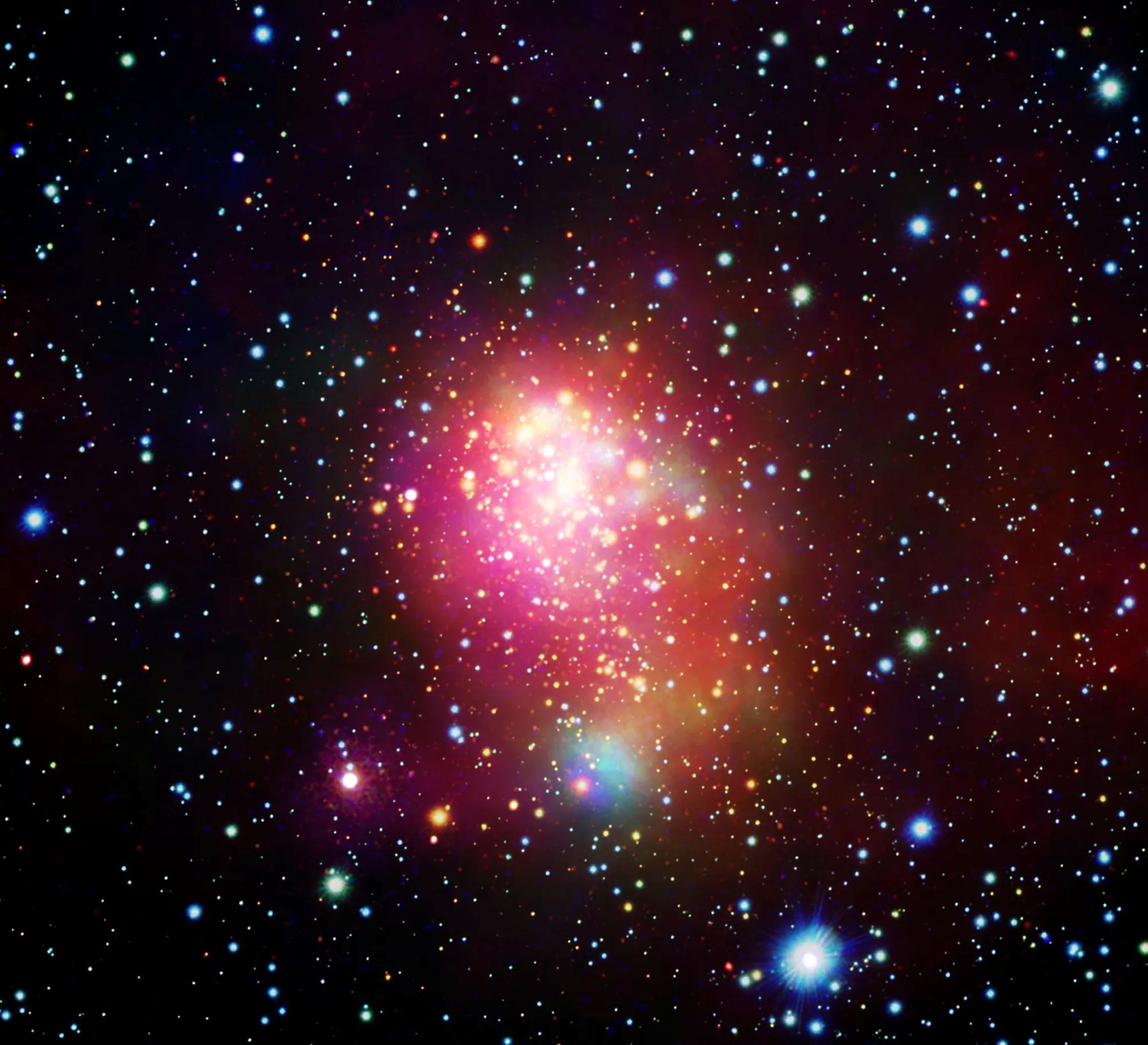
‘Super’ Star Cluster Shines in New Look From NASA’s Chandra
Westerlund 1 is the biggest and closest “super” star cluster to Earth. New data from NASA’s Chandra X-ray Observatory, in combination with other NASA telescopes, is helping astronomers delve deeper into this galactic factory where stars are vigorously being produced. This is the first data to be publicly released from a project called the Extended Westerlund 1 and 2 Open Clusters Survey, or EWOCS, led…
Read More » -
NASA
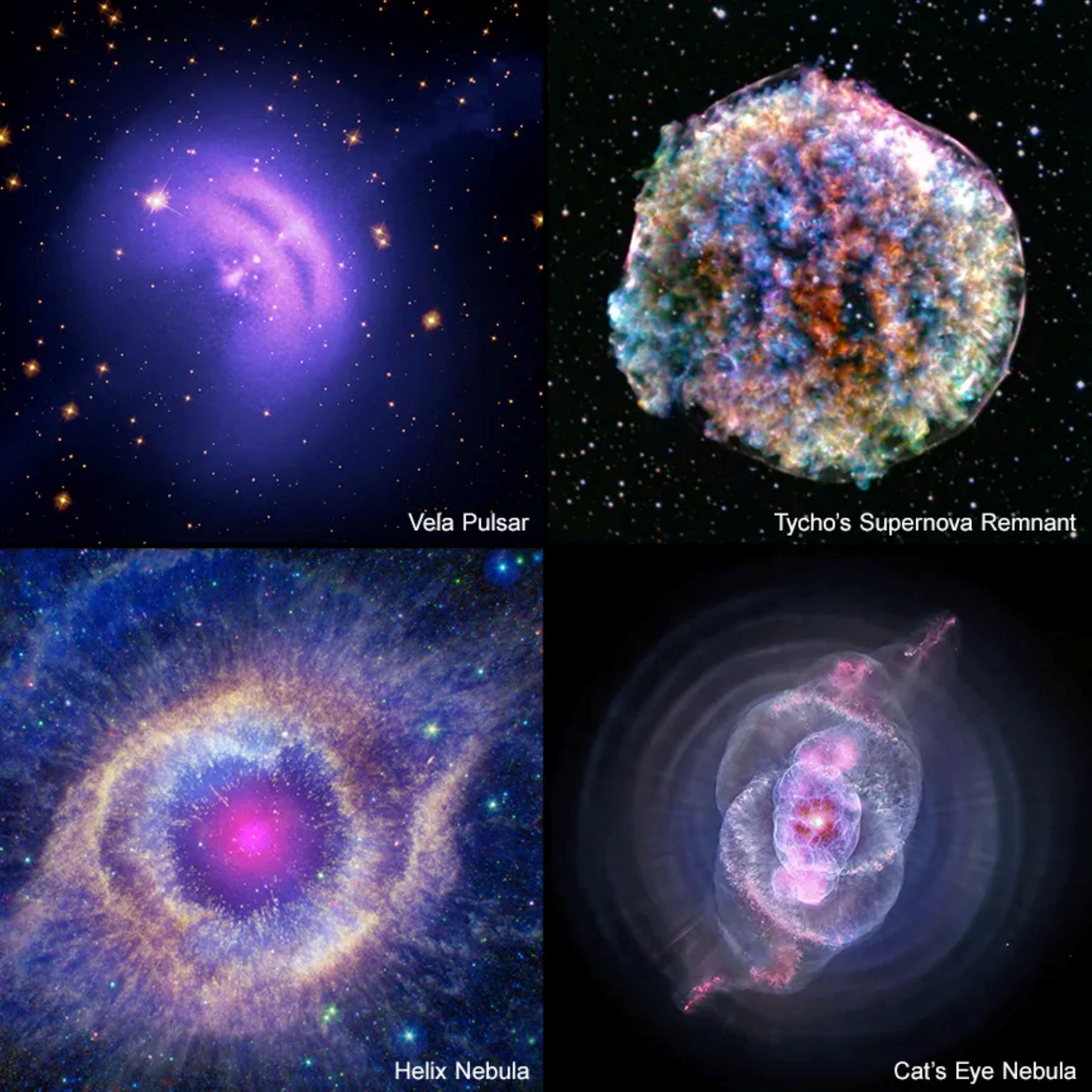
Travel Through Data From Space in New 3D Instagram Experiences
A new project provides special 3D “experiences” on Instagram using data from NASA’s Chandra X-ray Observatory and other telescopes through augmented reality (AR), allowing users to travel virtually through objects in space. These new experiences of astronomical objects – including the debris fields of exploded stars – are being released to help celebrate the 25th anniversary of operations from Chandra, NASA’s…
Read More » -
NASA

Spotted: ‘Death Star’ Black Holes in Action
A team of astronomers have studied 16 supermassive black holes that are firing powerful beams into space, to track where these beams, or jets, are pointing now and where they were aimed in the past, as reported in our latest press release. Using NASA’s Chandra X-ray Observatory and the U.S. National Science Foundation (NSF) National Radio Astronomical Observatory’s (NRAO) Very Large Baseline Array (VLBA), they…
Read More » -
NASA
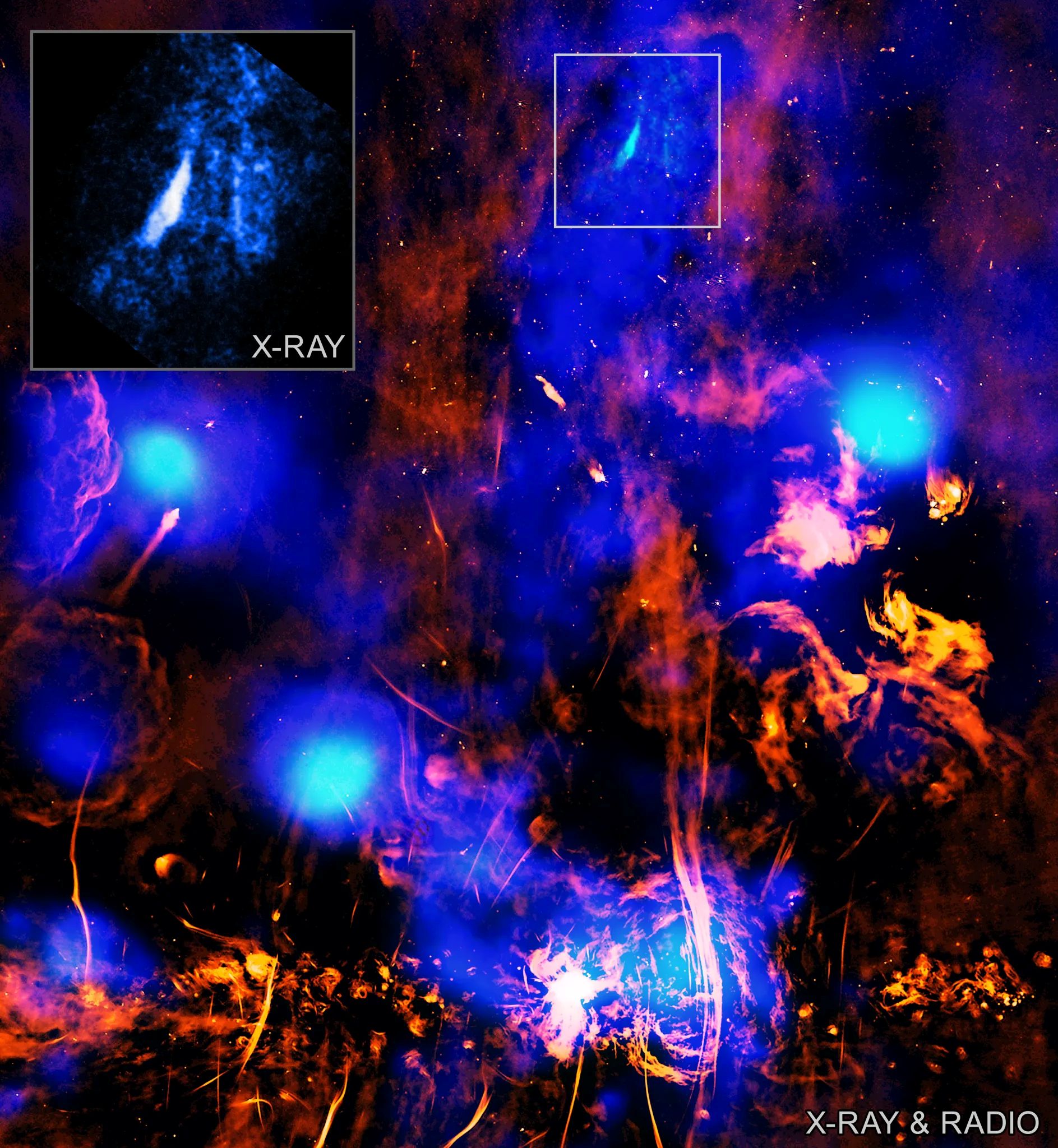
NASA’s Chandra Notices the Galactic Center is Venting
These images show evidence for an exhaust vent attached to a chimney releasing hot gas from a region around the supermassive black hole at the center of the Milky Way, as reported in our latest press release. In the main image of this graphic, X-rays from NASA’s Chandra X-ray Observatory (blue) have been combined with radio data from the MeerKAT telescope (red). Previously, astronomers had identified a “chimney” of hot…
Read More » -
NASA

Listen to the Universe: New NASA Sonifications and Documentary
Three new sonifications of images from NASA’s Chandra X-ray Observatory and other telescopes have been released in conjunction with a new documentary about the project that makes its debut on the NASA+ streaming platform. Sonification is the process of translating data into sounds. In the case of Chandra and other telescopes, scientific data are collected from space as digital signals that are…
Read More » -
NASA
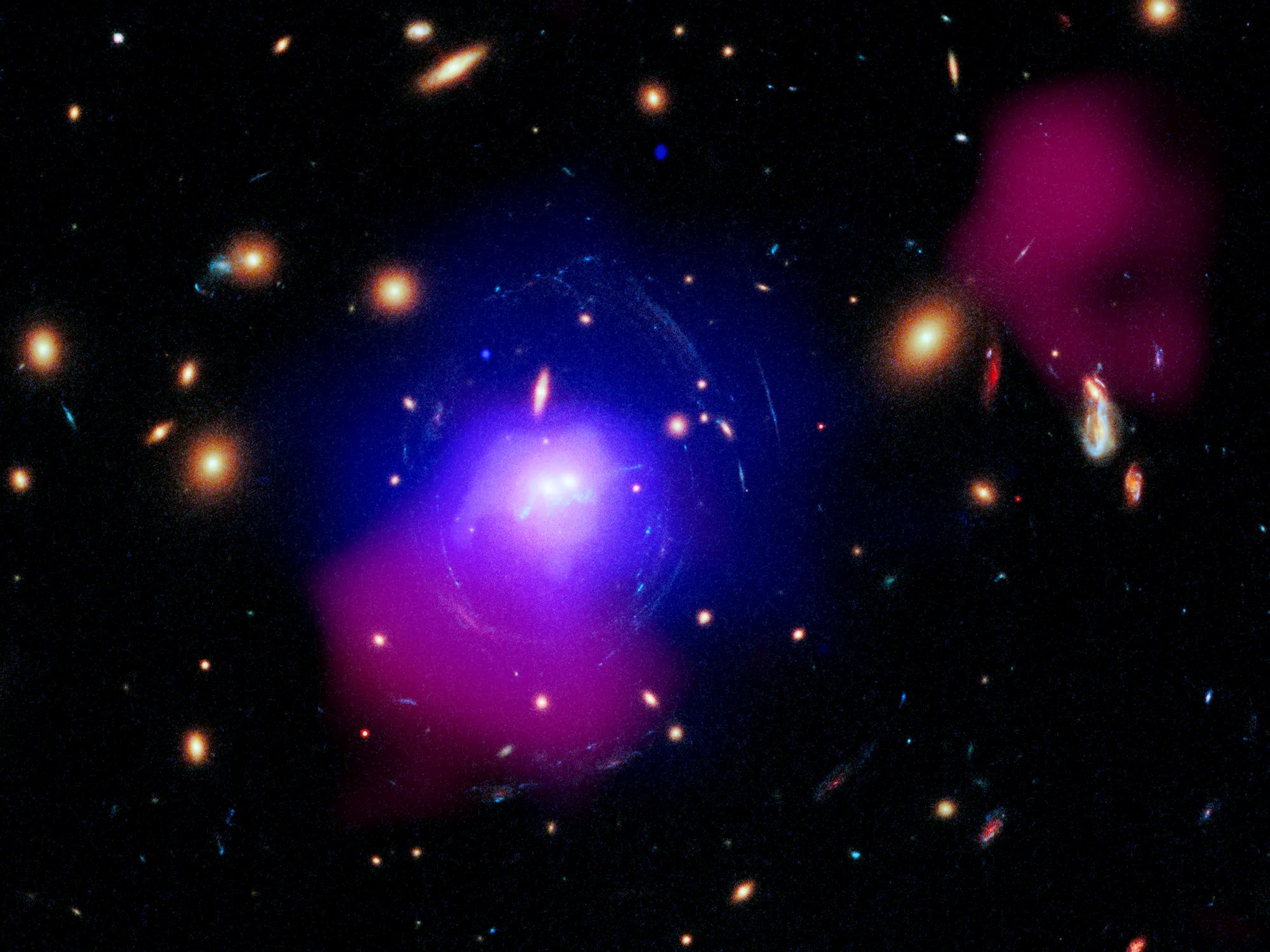
Stellar Beads on a String
Astronomers have discovered one of the most powerful eruptions from a black hole ever recorded in the system known as SDSS J1531+3414 (SDSS J1531 for short). As explained in our press release, this mega-explosion billions of years ago may help explain the formation of a striking pattern of star clusters around two massive galaxies, resembling “beads on a string.” SDSS J1531 is a massive galaxy cluster containing hundreds…
Read More » -
NASA
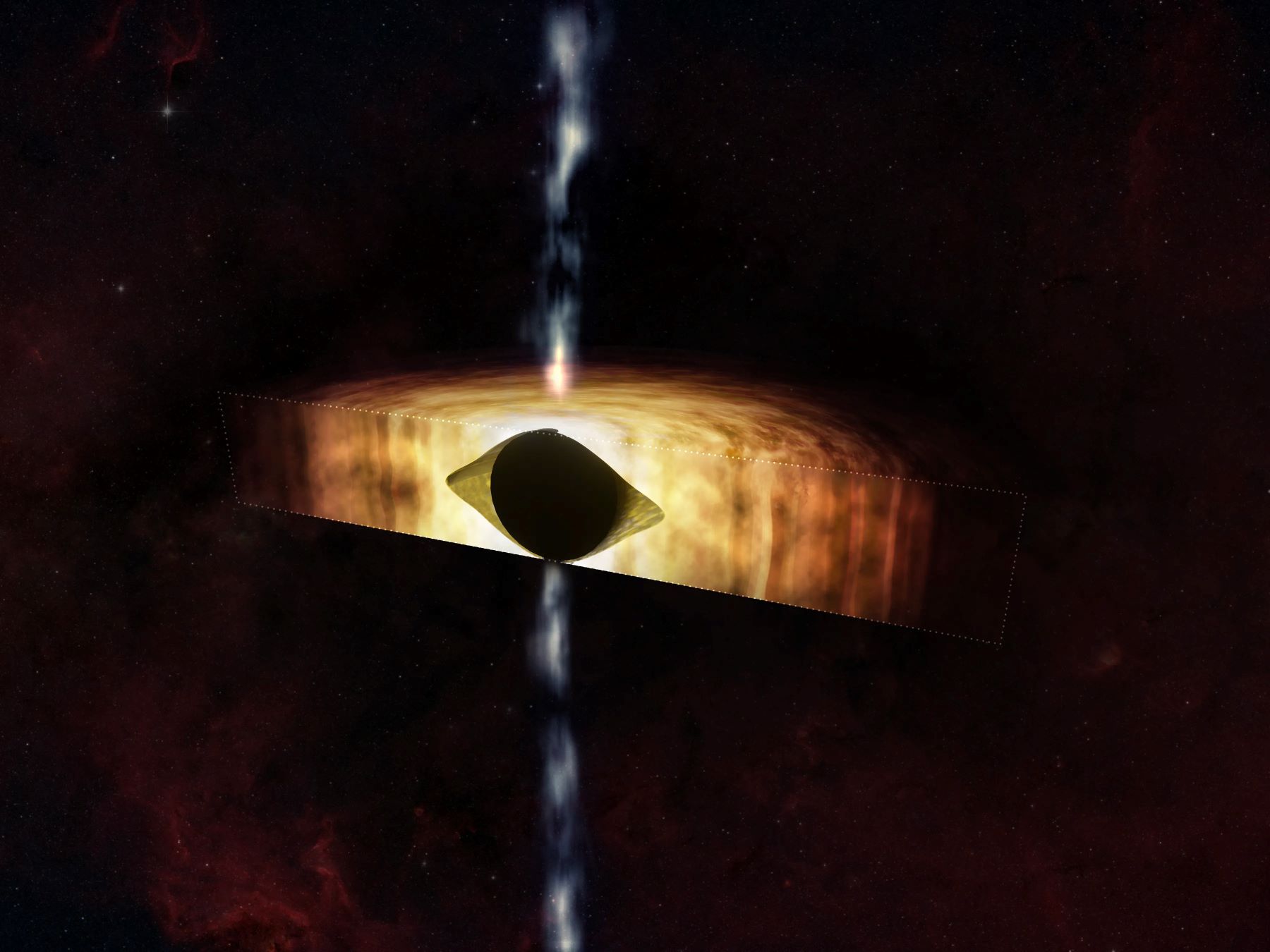
Telescopes Show the Milky Way’s Black Hole is Ready for a Kick
This artist’s illustration depicts the findings of a new study about the supermassive black hole at the center of our galaxy called Sagittarius A* (abbreviated as Sgr A*). As reported in our latest press release, this result found that Sgr A* is spinning so quickly that it is warping spacetime — that is, time and the three dimensions of space — so that it can…
Read More » -
NASA
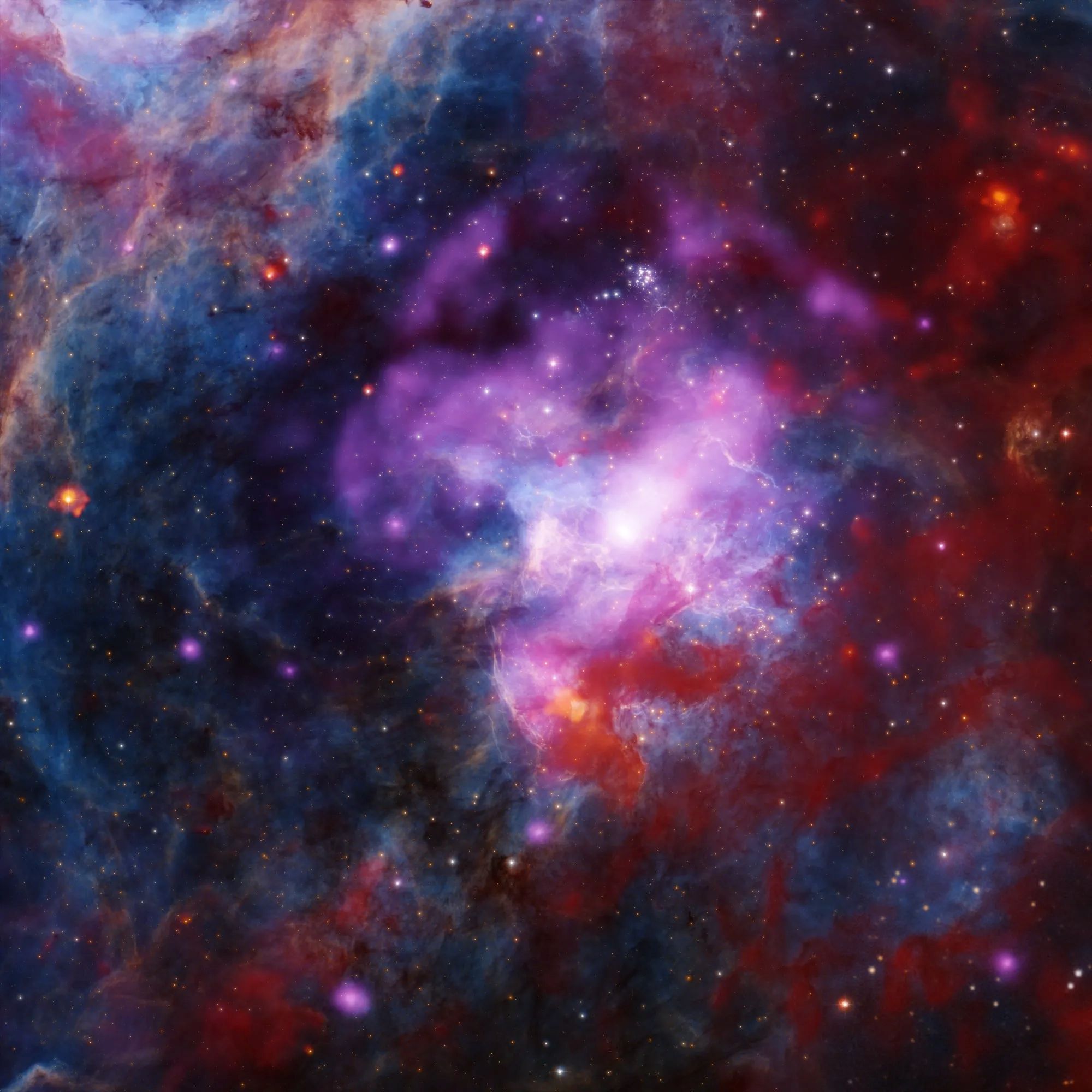
NASA Telescopes Start the Year With a Double Bang
A colorful, festive image shows different types of light containing the remains of not one, but at least two, exploded stars. This supernova remnant is known as 30 Doradus B (30 Dor B for short) and is part of a larger region of space where stars have been continuously forming for the past 8 to 10 million years. It is…
Read More » -
NASA
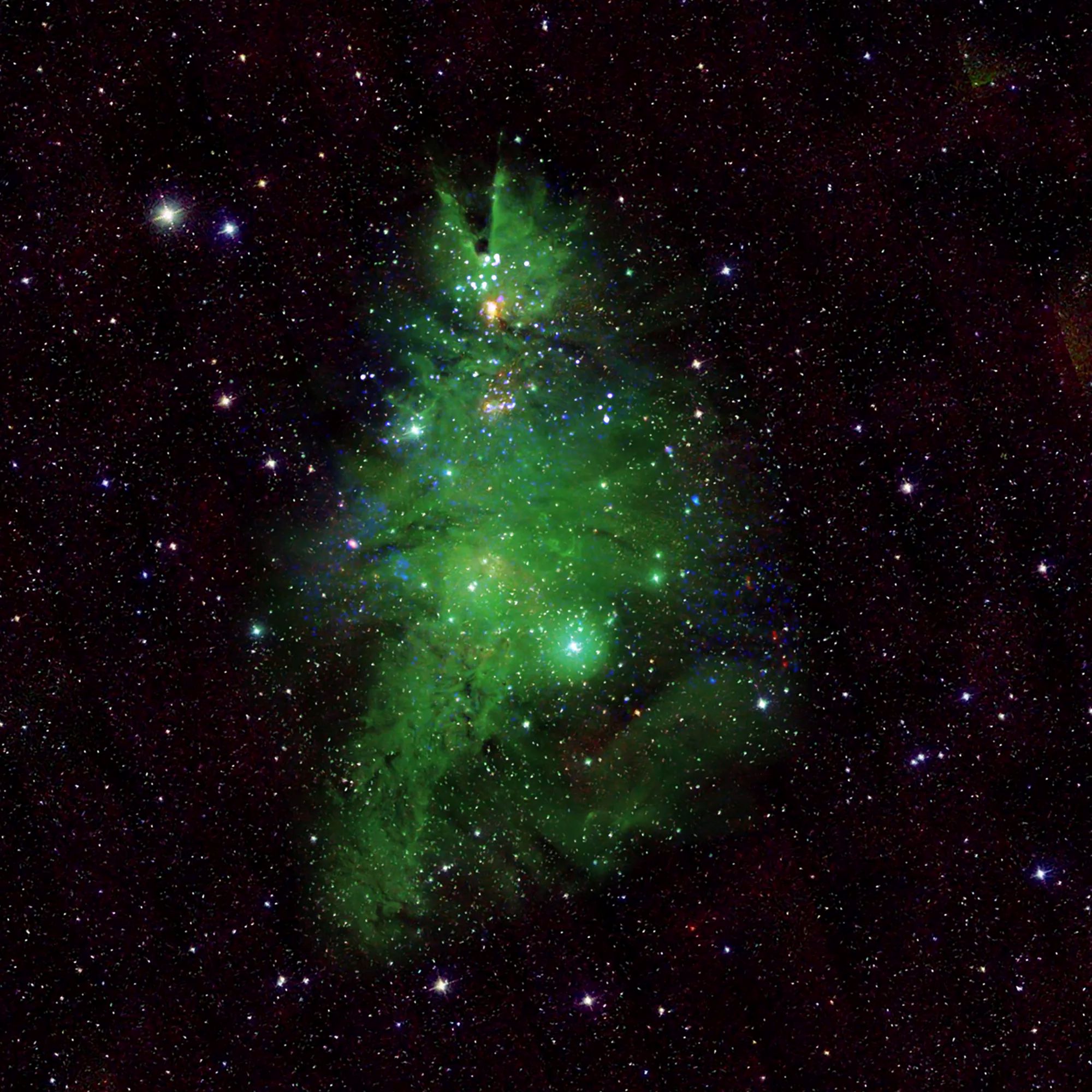
Sprightly Stars Illuminate ‘Christmas Tree Cluster’
This new image of NGC 2264, also known as the “Christmas Tree Cluster,” shows the shape of a cosmic tree with the glow of stellar lights. NGC 2264 is, in fact, a cluster of young stars — with ages between about one and five million years old — in our Milky Way about 2,500 light-years away from Earth. The stars in NGC 2264 are both smaller…
Read More » -
NASA
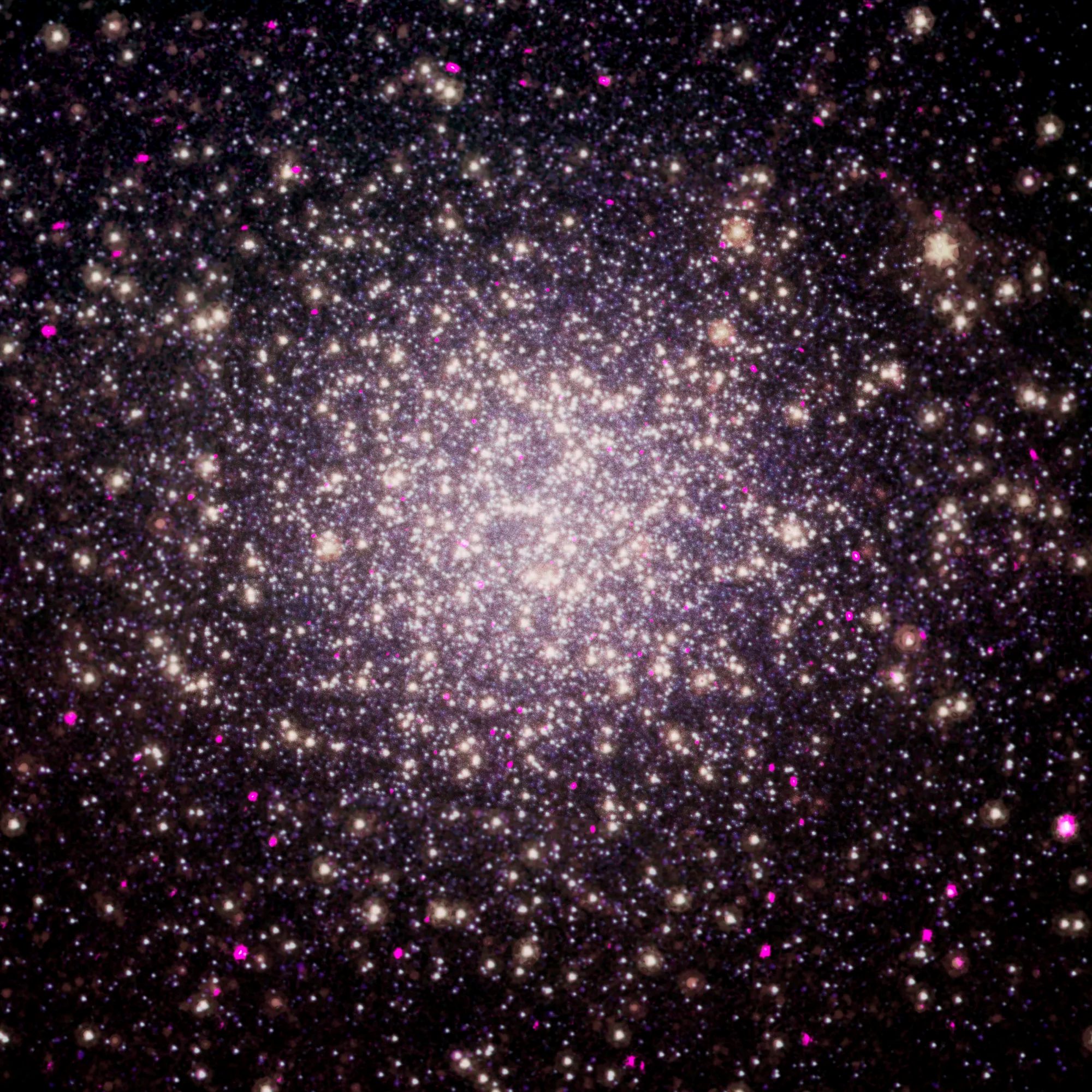
Chandra Catches Spider Pulsars Destroying Nearby Stars
A group of dead stars known as “spider pulsars” are obliterating companion stars within their reach. Data from NASA’s Chandra X-ray Observatory of the globular cluster Omega Centauri is helping astronomers understand how these spider pulsars prey on their stellar companions. A pulsar is the spinning dense core that remains after a massive star collapses into itself to form a neutron star. Rapidly rotating neutron stars can produce beams…
Read More »