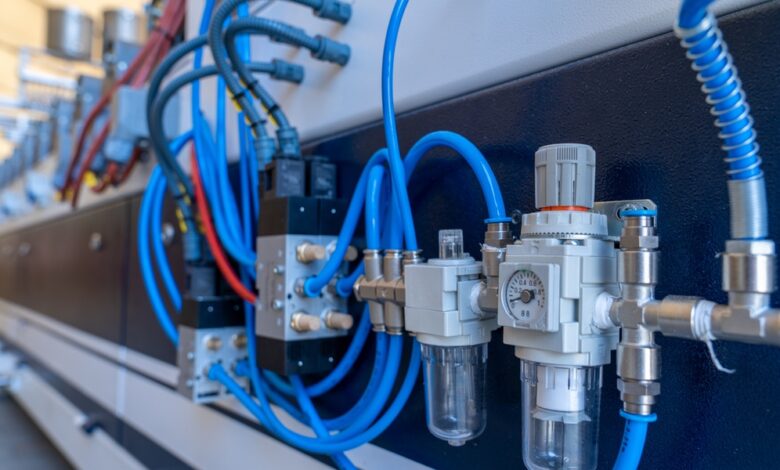
Pneumatic systems power equipment across manufacturing, packaging, material handling, and many other industrial applications. Their dependable operation depends on clean air, properly maintained components, and operating conditions that match system requirements. Understanding the common causes of pneumatic system failures helps operators recognize developing issues before they create larger disruptions. With consistent inspection and thoughtful maintenance, facilities can protect pneumatic equipment, support reliable performance, and reduce the risk of unexpected interruptions that affect daily operations.
Contaminated Compressed Air
Contamination creates serious problems throughout a pneumatic system. These particles may scratch internal surfaces, restrict passages, or interfere with seals. Over time, contamination can make components respond slowly or operate inconsistently.
Facilities can reduce these problems by keeping filtration equipment in good condition and replacing filter elements when necessary. Operators should also inspect air lines and connections for conditions that allow contaminants to enter. Clean compressed air helps moving components operate smoothly and reduces unnecessary wear throughout the system. Maintenance teams should treat changes in air quality as an early warning rather than waiting for component performance to decline.
Excess Moisture in the System
Compressed air naturally creates conditions that can allow moisture to accumulate. When water remains inside pneumatic lines or components, it can encourage corrosion and interfere with lubrication. Moisture may also damage seals or create deposits that restrict airflow. In colder environments, collected water can freeze and block passages, which can stop equipment from operating correctly.
Proper moisture control starts with equipment that removes water from the compressed air supply. Teams should drain collection points as required and inspect the system for signs of condensation. They should also make sure dryers and separators operate correctly for the application. Controlling moisture protects internal surfaces and gives pneumatic components a cleaner environment for consistent operation.
Air Leaks and Damaged Connections
Leaks reduce the amount of compressed air available to perform useful work. They commonly develop around fittings, tubing, hoses, seals, and connection points as components loosen or deteriorate. Maintenance teams should inspect connections regularly and investigate hissing sounds or unexpected pressure changes.
Repairing damaged tubing and worn seals can restore system performance before a small leak becomes a larger problem. Technicians should also avoid overtightening fittings because excessive force can damage threads or sealing surfaces. Addressing leaks promptly helps facilities minimize pneumatic system downtime while preventing wasted compressed air.
Incorrect Air Pressure
Pneumatic equipment requires the correct pressure to operate as designed. Pressure that falls below the required level can prevent cylinders or tools from producing enough force. Excessive pressure can create a different problem by placing unnecessary stress on seals, fittings, and moving components. Both conditions can shorten component life and make equipment performance less predictable.
Operators should confirm that regulators provide appropriate pressure for each part of the system. If pressure fluctuates, technicians should investigate the cause instead of repeatedly adjusting controls. A clogged filter, undersized line, or demand elsewhere in the facility can contribute to pressure problems. Correcting the underlying issue creates more stable operation and protects equipment from avoidable strain.
Poor Lubrication Practices
Some pneumatic components require lubrication to reduce friction between moving surfaces. When these parts receive too little lubrication, friction can accelerate wear and cause seals or internal components to fail prematurely.
Maintenance teams should follow the equipment manufacturer’s lubrication requirements rather than applying oil automatically to every pneumatic device. They should use the correct lubricant and maintain lubricators at appropriate settings when the system requires them. Consistent practices protect moving parts without introducing substances that may harm sensitive equipment.
Worn or Damaged Seals
Seals keep compressed air contained while allowing pneumatic components to move effectively. Repeated motion, heat, contamination, and normal aging can gradually weaken sealing materials. Once a seal cracks, hardens, or loses its shape, air can escape internally or externally. Cylinders may drift, valves may respond poorly, and overall system efficiency can decline.
Technicians should inspect seals when equipment shows unexplained pressure loss or inconsistent movement. Replacing a damaged seal early can prevent additional wear on nearby components. Teams should also determine why a seal failed. Installing another seal without correcting contamination, excessive pressure, or alignment problems may only provide a temporary solution.
Improper Component Sizing
A pneumatic system can struggle even when every component remains functional. Components that do not match the application’s pressure or flow demands can create sluggish operation and repeated performance problems.
Proper sizing requires attention to the demands placed on each section of the system. When equipment changes or production requirements increase, teams should confirm that existing pneumatic components can support the new workload. Simply increasing pressure may hide a sizing problem while placing additional stress on equipment. Selecting components that match actual operating needs creates a stronger foundation for reliable performance.
Misalignment and Mechanical Stress
Pneumatic cylinders and actuators perform best when loads move along the intended path. Misalignment can place side loads on rods, bearings, and seals, causing uneven wear. Poorly supported tubing can also pull on fittings and create leaks as machinery vibrates or moves. These mechanical issues may begin gradually before developing into noticeable failures.
Teams should inspect mounting hardware and moving assemblies for signs of looseness or unusual wear. Correct alignment allows pneumatic components to transfer force efficiently without fighting unnecessary resistance. Secure routing also protects hoses and tubing from abrasion, sharp bends, and repeated movement that can weaken the material.
Neglected Preventive Maintenance
Many pneumatic failures develop slowly enough for maintenance teams to catch them early. A clogged filter, minor leak, worn hose, or drifting regulator may initially cause only a small change in performance. Without regular inspections, however, these issues can place additional strain on other components and eventually interrupt production.
A preventive maintenance schedule should reflect equipment usage and operating conditions. Teams can monitor filters, drains, connections, pressure settings, and wear points according to manufacturer recommendations. Maintenance records also help technicians identify recurring issues and recognize patterns that might otherwise go unnoticed. Consistent attention gives facilities more control over repairs and reduces dependence on emergency troubleshooting.
Protect Your Pneumatic System From Avoidable Failures
Reliable pneumatic equipment depends on more than replacing parts after something breaks. Clean air, proper pressure, sound connections, and suitable operating conditions all influence system performance. Maintenance teams that understand the common causes of pneumatic system failures can identify warning signs earlier and correct underlying problems before they spread. Regular inspection also helps facilities plan service around production needs instead of reacting to sudden equipment stoppages. By maintaining each part of the air system with care, operators can extend component life, improve consistency, and keep essential machinery ready for daily demands.