
Comet
-
NASA
Astronomy Picture of the Day
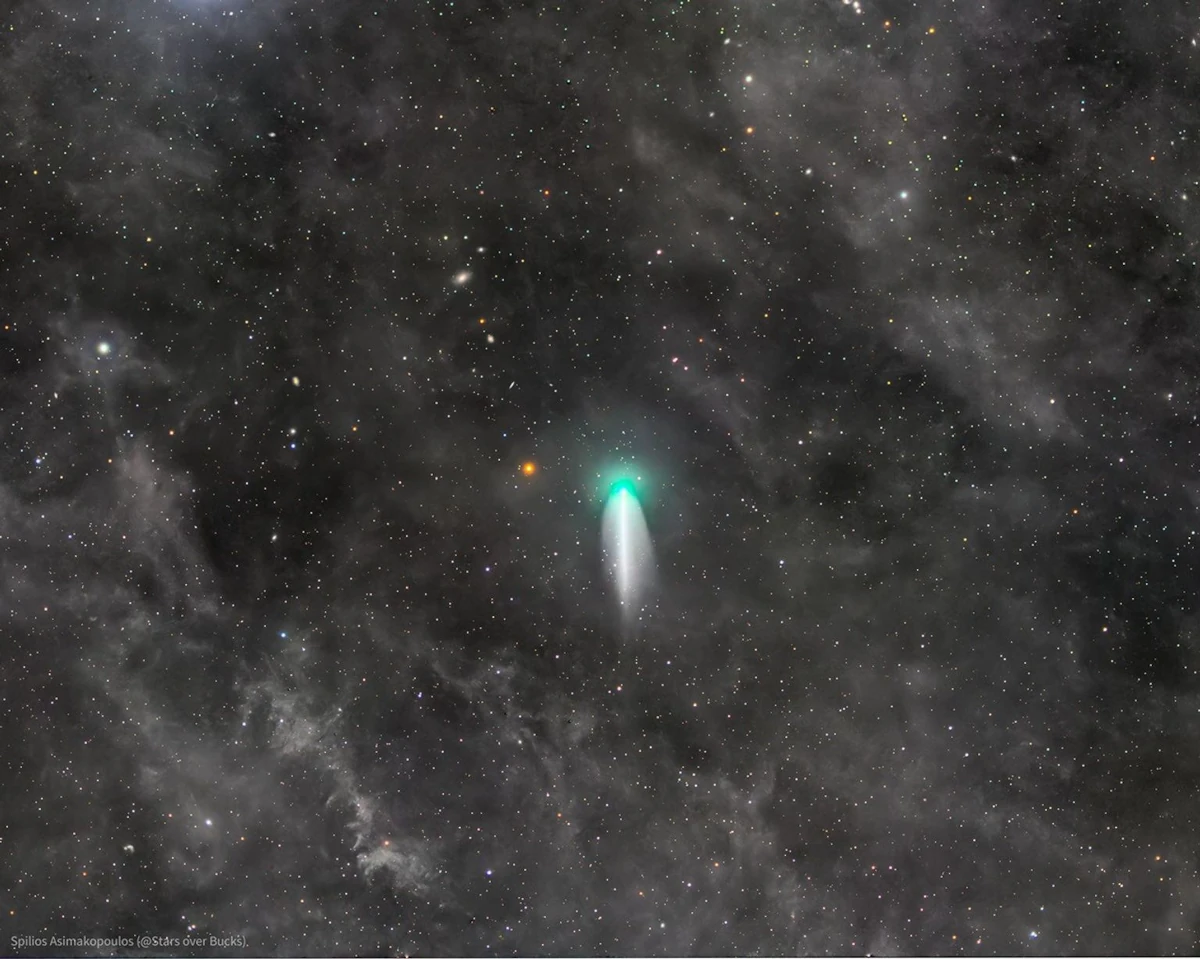
Comet 220P in Outburst Explanation: Comet 220P is unexpectedly bright. Normally, periodic Comet 220P/McNaught is so dim that to see it requires a telescope. Two surprising outbursts this year, however, have made it about 20,000 times brighter than usual, so that it is now visible with binoculars and long-duration camera exposures. As expected, Comet 220P continues to orbit the Sun between Mars and Jupiter with a period of over 5…
Read More » -
NASA
NASA Study Finds Near-Earth Asteroid Is Actually Comet
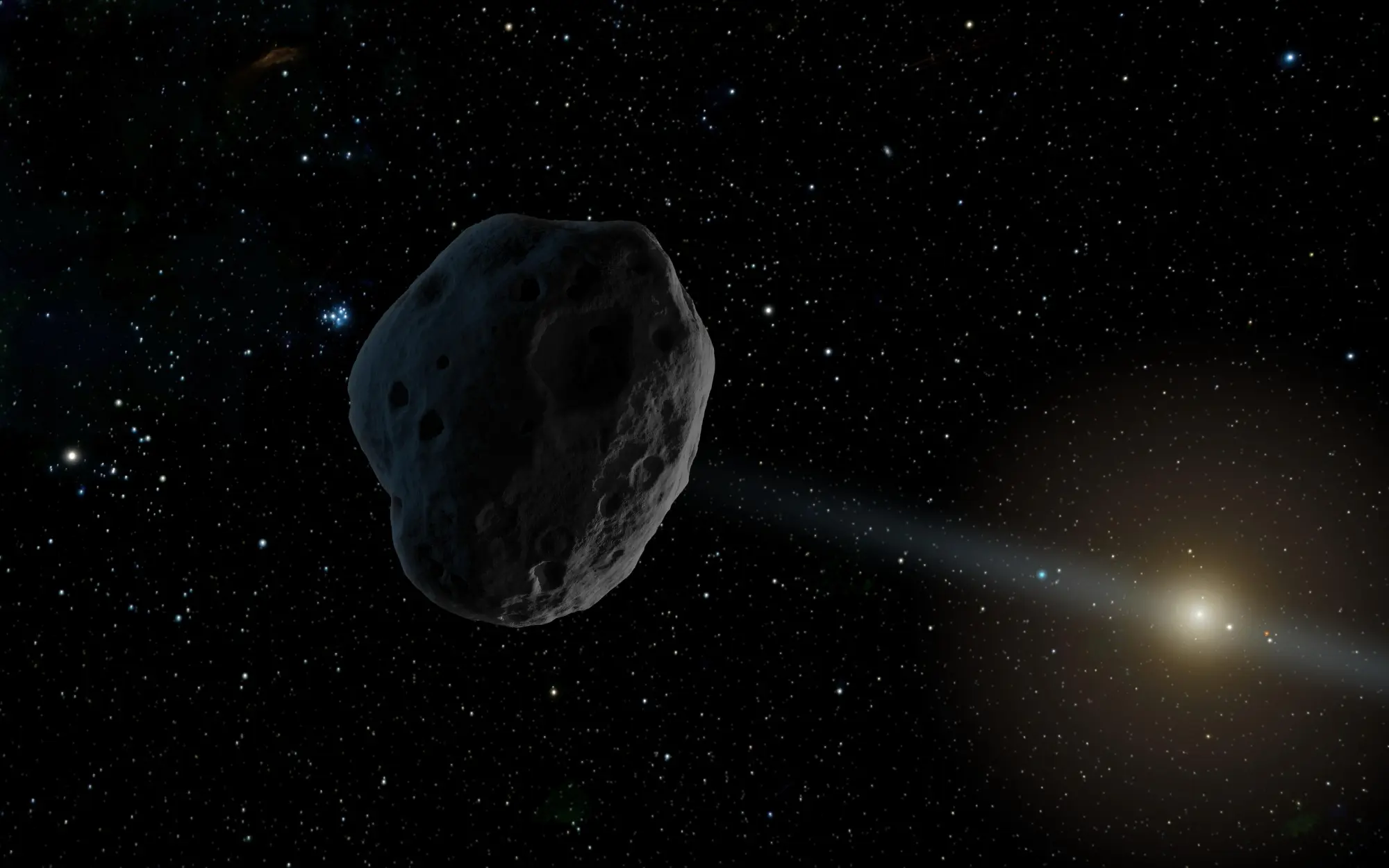
New research led by scientists at NASA’s Jet Propulsion Laboratory in Southern California has revealed the identity of a puzzling near-Earth object by precisely tracking its motion through space and using powerful observatories that image faint celestial objects. This object has a dual personality: Past images hadn’t revealed obvious cometlike activity, suggesting it might be an asteroid, but its motion…
Read More » -
NASA
What’s Up: July 2026 Skywatching Tips from NASA
A predawn Moon-and-planets meetup, a returning comet, a great chance to see the Milky Way, and Saturn’s rings at a new angle. Skywatching Highlights July 7: Last Quarter Moon July 11 + 12: Dawn alignment of the Moon, Mars, Saturn, and Uranus July 14: New Moon; best dark-sky window for Comet 10P/Tempel 2 and the Milky Way Later in July: Saturn’s unusually thin rings…
Read More » -
NASA
NASA’s Hubble Detects First-Ever Spin Reversal of Tiny Comet
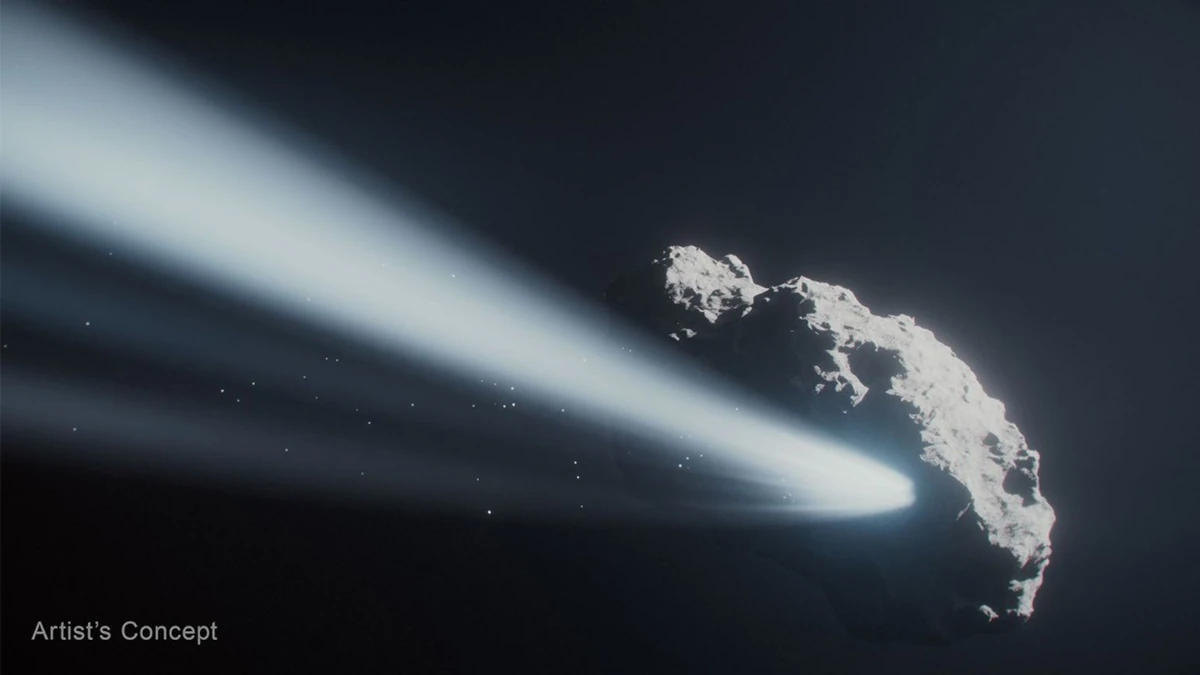
Astronomers using NASA’s Hubble Space Telescope have found evidence that the spinning of a small comet slowed and then reversed its direction of rotation, offering a dramatic example of how volatile activity can affect the spin and physical evolution of small bodies in the solar system. This is the first time researchers have observed evidence of a comet reversing its spin. The…
Read More » -
NASA
How Open NASA Data on Comet 3I/ATLAS Will Power Tomorrow’s Discoveries
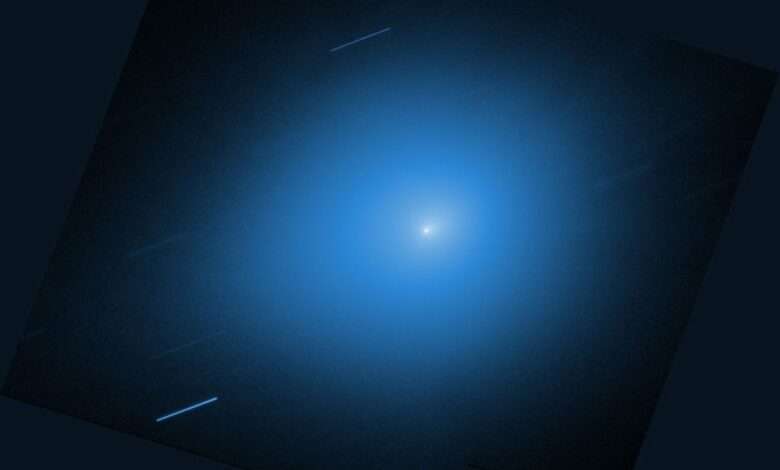
The interstellar comet 3I/ATLAS will soon leave our solar system, never to return, but the observations of the comet will live on in NASA’s public data archives. More than a dozen NASA science missions turned their instruments to observe the comet, which is only the third identified object to be visiting our solar system from interstellar space. How open data…
Read More » -
NASA
NASA’s James Webb Space Telescope Finds Crystal-Spewing Protostar
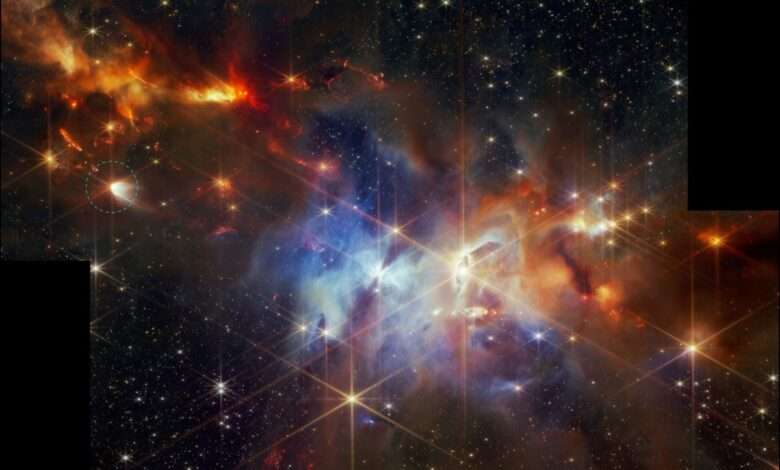
The NIRCam (Near-Infrared Camera) on NASA’s James Webb Space Telescope captured the actively forming protostar EC 53 (circled at left) in the Serpens Nebula in this image released on Jan. 21, 2026. Astronomers have long sought evidence to explain why comets at the outskirts of our own solar system contain crystalline silicates, since crystals require intense heat to form and these “dirty snowballs” spend…
Read More » -
NASA
NASA Webb Finds Young Sun-Like Star Forging, Spewing Common Crystals
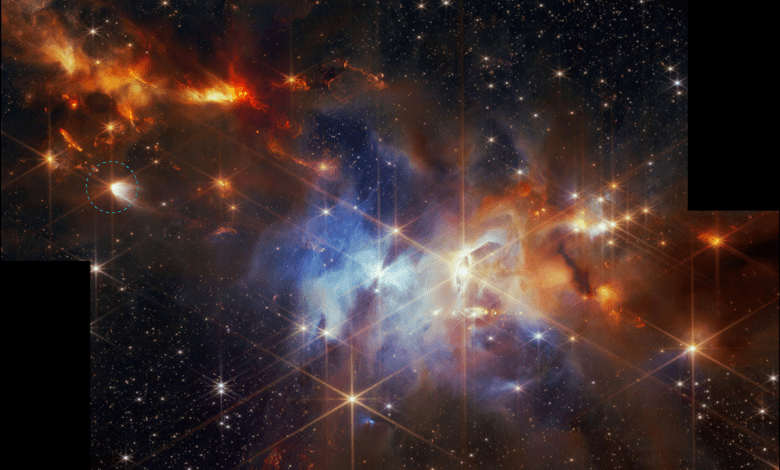
Astronomers have long sought evidence to explain why comets at the outskirts of our own solar system contain crystalline silicates, since crystals require intense heat to form and these “dirty snowballs” spend most of their time in the ultracold Kuiper Belt and Oort Cloud. Now, looking outside our solar system, NASA’s James Webb Space Telescope has returned the first conclusive evidence that links how those conditions are…
Read More » -
Press Releases

1Password Partners with Perplexity to Secure the Future of AI Browsing
1Password, a leader in identity security and the pioneer of Extended Access Management (XAM), today announced a partnership with Perplexity to launch Comet, its AI-powered web browser, with credential management, secure autofill, and access controls powered by 1Password. Designed to transform how people discover, reason, and act on information, 1Password and Comet users can install the 1Password browser extension to log…
Read More » -
NASA

NASA Researchers Discover More Dark Comets
These celestial objects look like asteroids but act like comets now come in two flavors. The first dark comet — a celestial object that looks like an asteroid but moves through space like a comet — was reported less than two years ago. Soon after, another six were found. In a new paper, researchers announce the discovery of seven more,…
Read More » -
NASA

NASA-Led Team Links Comet Water to Earth’s Oceans
Scientists find that cometary dust affects interpretation of spacecraft measurements, reopening the case for comets like 67P as potential sources of water for early Earth. Researchers have found that water on Comet 67P/Churyumov–Gerasimenko has a similar molecular signature to the water in Earth’s oceans. Contradicting some recent results, this finding reopens the case that Jupiter-family comets like 67P could have…
Read More »