Most people hear “driver-assist” and picture a car holding its lane on the interstate, but that picture already feels outdated. Similar technology now helps tractors follow field lines, excavators hit a planned grade, and giant mining trucks move material without someone sitting behind the wheel.
To see how driver-assist tech is moving beyond the highway, look at the places where driving gets harder. Farms have no painted lanes, and construction sites change by the hour. Those conditions give assistance systems a different job, and in some industries, the technology already handles much more than keeping a vehicle centered.
Forestry Tech Helps With More Than Driving
A forestry machine has to move through rough ground, but driving represents only part of the operator’s workload. Once the machine reaches the work area, the operator also controls heavy booms and grapples. Newer assistance systems automate portions of those boom movements. Instead of controlling every joint independently, the operator directs the tool while the machine coordinates more of the motion.
If you have ever tried controlling several moving parts at once, the appeal makes sense pretty quickly. The operator still decides what the machine should do, but the software handles some of the fine movement needed to get there.
Off-Road Assistance Needs Different Senses
A passenger car has a fairly predictable environment. Roads give it lanes and traffic signs, but off-road machines do not get those conveniences. A construction machine might work next to a trench that did not exist yesterday. Meanwhile, a mining truck deals with haul roads covered in dust.
Because of that, industrial assistance systems depend heavily on positioning data and machine sensors. Some systems also use cameras or radar to watch the surrounding area. Once you notice those differences, driver assistance starts looking less like one invention and more like a toolbox.
Farms Put Assisted Steering to Work
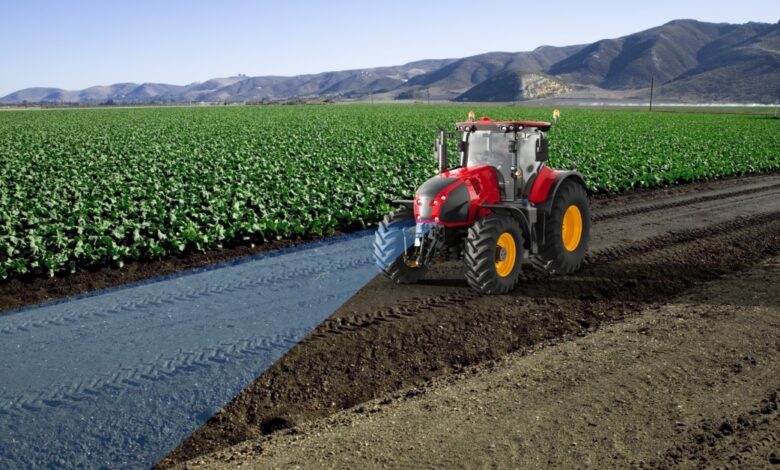
Agriculture gives you one of the clearest examples of this technology. A tractor might spend hours making passes across the same field, and small steering errors add up over that distance. Modern guidance systems use satellite positioning to help tractors stay on planned paths. The person in the cab still watches the machine and the field, but they no longer need to make constant tiny corrections to keep every pass straight.
You start to see the benefits of auto steering for farmers when you think about overlap. If one pass drifts too far into the previous one, the tractor covers ground twice. Better guidance reduces that waste while giving the operator more attention to the implement and field conditions.
Straight Lines Are Only the Beginning
Farm guidance has also moved beyond simple point-to-point steering. Some systems follow curved tracks or use sensors to stay aligned with crop rows. So, while highway lane centering watches painted markings, farm equipment creates its own digital route across open ground, which shows how the same basic idea adapts once pavement disappears.
Construction Equipment Follows a Digital Plan
Now take the same thinking onto a construction site. A dozer operator doesn’t need help staying between white lines, but they do need help moving dirt to the right height. Machine-control systems connect equipment with digital site plans.
On some dozers and graders, the technology helps control the blade while the operator drives. Excavator systems also assist with depth and slope, which helps the operator stop digging when the bucket reaches the planned surface.
If you have ever watched a crew shape a building pad or roadbed, you know how much precision matters. Taking off too little material means another pass, but digging too far creates another problem entirely. Driver assistance on a job site therefore starts looking more like task assistance.
Mining Trucks Push Assistance Much Further
Mining takes the idea another step. Instead of helping a driver steer, some haulage systems remove the onboard driver from the truck. Autonomous mining trucks follow planned routes between loading and dumping areas. Fleet systems coordinate truck movements and manage their routes around the mine.
Why does mining make sense for this technology? The routes repeat. The machines spend long shifts hauling material through controlled work areas. You also have enormous vehicles working around people, and moving the operator away from repetitive haulage changes where people spend their time on the site.
Quarries Are Getting Their Own Autonomous Trucks
For years, mine automation sounded like technology reserved for massive operations with equally massive budgets. Quarry technology has started shrinking that gap.
Some newer systems retrofit haul trucks with positioning equipment and onboard perception. The trucks then follow mapped haul cycles around the quarry while crews oversee the operation through a digital interface.
You might see assistance or autonomy handling jobs such as:
- Following a mapped haul route
- Holding a precise guidance line
- Controlling a grading attachment
- Detecting nearby obstacles
- Repeating planned machine movements
None of those jobs look much like highway cruising. Still, they all use technology to take part of the workload away from the person operating the machine.
The Operator Still Matters
All this automation brings up an obvious question. What happens to the person who used to handle every control?
In many assisted systems, the operator stays right in the middle of the job. The technology takes over repetitive steering or helps control a machine function, while the person watches the work and makes decisions.
Even fully autonomous equipment needs people elsewhere in the operation. Mines use teams to supervise fleets while site managers still decide how the work should flow. Messy work sites do not behave like perfect demonstrations. Someone still needs to understand what the machine is doing and why.
The Most Interesting Tech Might Leave the Road
Once you see how driver-assist tech is moving beyond the highway, you start spotting the same idea across completely different industries. Mines and quarries push toward autonomous hauling, while forestry equipment helps operators control complex machine movements.
The common thread is not self-driving for the sake of self-driving. These systems tackle specific jobs that wear operators down or demand constant precision.
So the next big step in driver-assist technology might not show up during your morning commute. You might find it in a cornfield, on a dirt job site, or hauling rock somewhere miles from the nearest painted lane.