
Cyclone
-
NASA
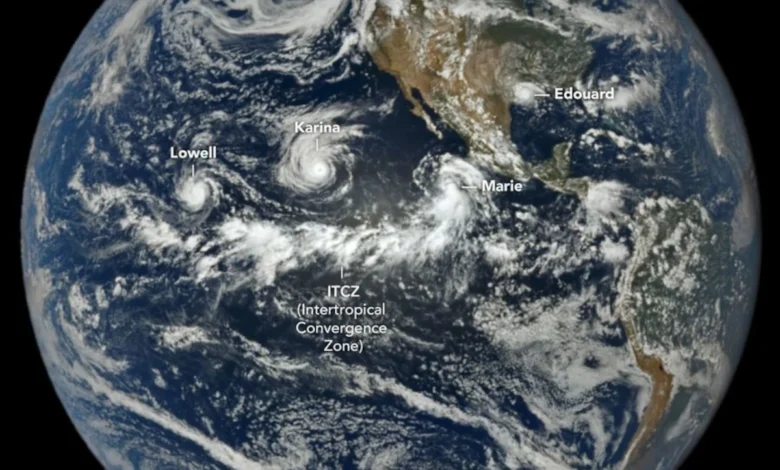
A Trio of Tropical Cyclones in the Pacific
When hurricane forecasters released their seasonal outlooks in spring 2026, the El Niño brewing in the Pacific contributed to predictions of below-normal activity in the Atlantic basin but above-normal activity in the northeastern and central Pacific basins. In early September, near the climatological peak of hurricane season, those spring outlooks were on target, with the eastern Pacific buzzing with activity and the Atlantic notably quiet. As of…
Read More » -
NASA
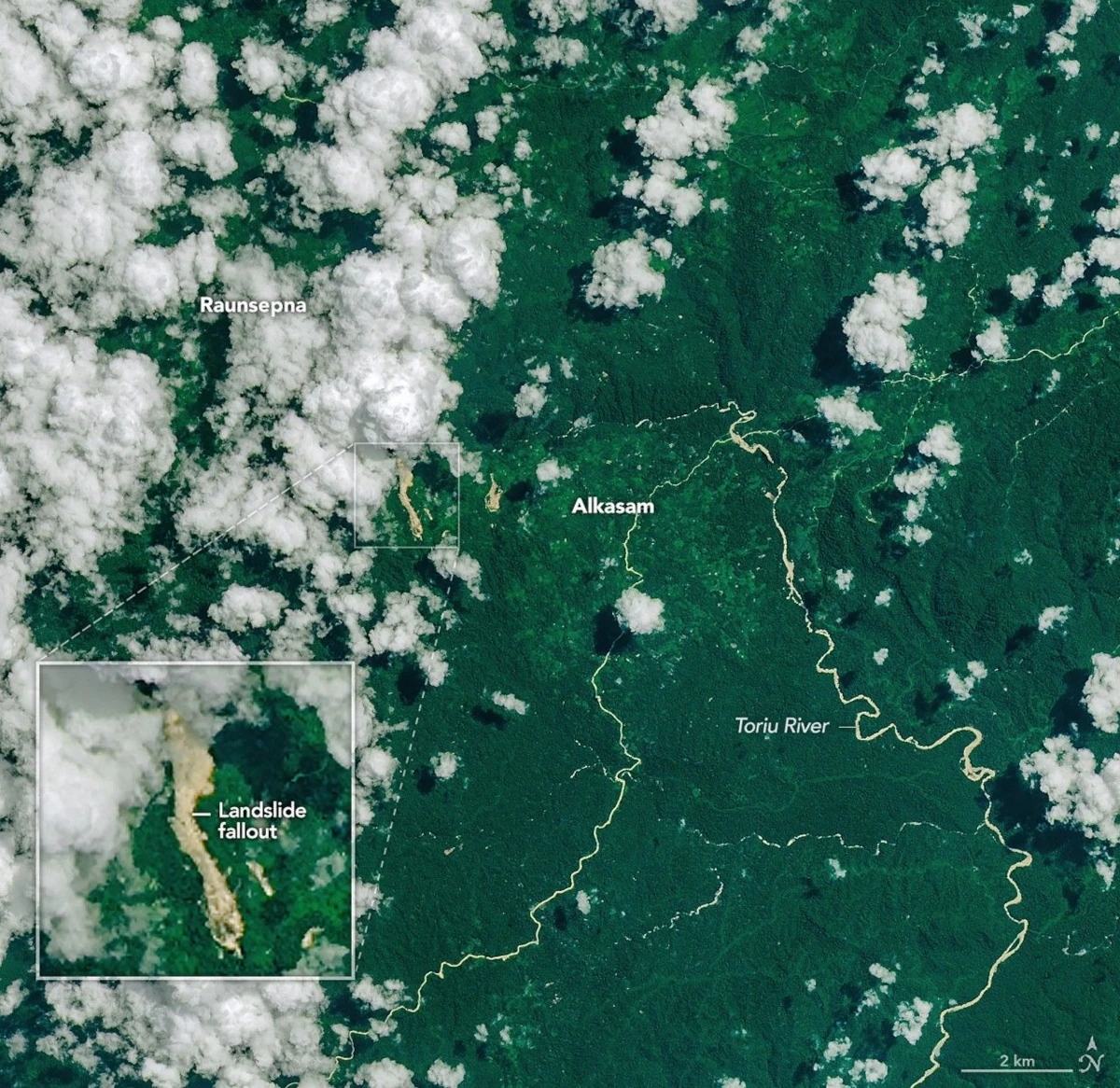
Cyclone Rains Spur Papua New Guinea Landslides
Since much of Papua New Guinea lies close to the equator where the Coriolis effect is weak, the risk of tropical cyclones striking the island nation is relatively low, especially in its northern areas. Nevertheless, unusually warm sea surface temperatures and atmospheric conditions favorable to storm formation brought powerful Tropical Cyclone Maila dangerously close to the islands of Bougainville, New Britain, and New Ireland in April 2026, fueling intense…
Read More » -
NASA
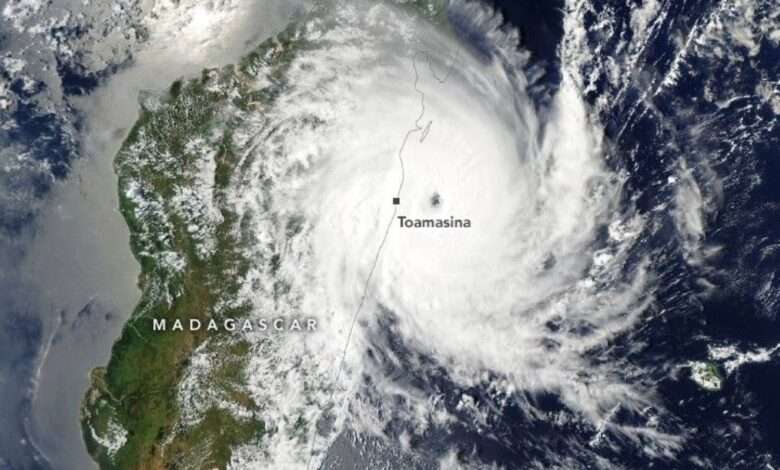
A Second Cyclone Slams Madagascar
For the second time in two weeks, a powerful tropical cyclone struck Madagascar. On January 31, Fytia battered the remote northwestern coast of the island with destructive winds and torrential rains that displaced thousands of people. Less than two weeks later, Gezani made a direct hit on one of the island’s largest cities before sweeping past areas that Fytia had just flooded. The MODIS (Moderate Resolution…
Read More » -
NASA
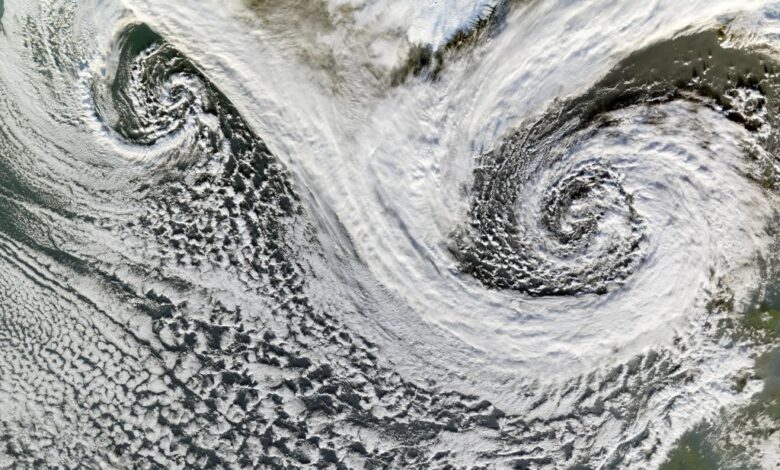
Icelandic Cyclones
The Moderate Resolution Imaging Spectroradiometer flying aboard NASA’s Terra satellite took this picture of two cyclones near Iceland on Nov. 20, 2006. Though we usually think of cyclones occurring in the tropics, these spiraling storms can also form at mid- and high latitudes. Cyclones at these latitudes are actually fairly common, and they drive much of the Earth’s weather. Image credit: NASA/Jesse Allen
Read More »