Hanwha Techwin Announces Availability of New Smart Indoor Security Cameras for the Home

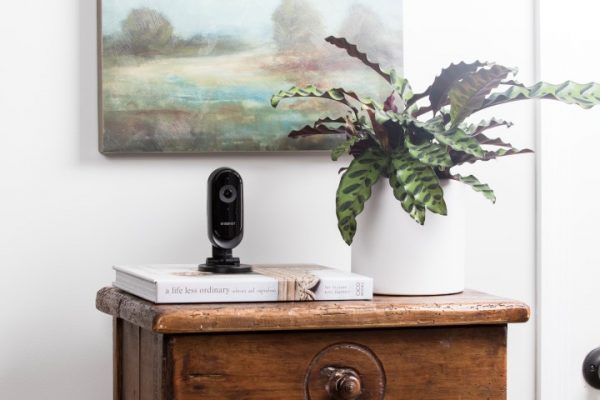
TEANECK, N.J. – September 12, 2018 – Hanwha Techwin America (formerly Samsung Techwin America), a leader in consumer video monitoring and home surveillance products, today announces the availability of the SmartCam N1 and N2. Both cameras feature advanced video surveillance technology including Face Recognition, mobile alerts, and seamless two-way communication. With Amazon Echo Show and Google Home compatibility, users can even request a daily activity briefing to know what happened in their home during the day. The cameras’ have a compact, stylish finish and powerful security software, making them great additions to any home for added peace of mind.
“Hanwha wanted to create indoor security cameras that fit the fast-paced and busy lifestyles of our customers,” said Richard Simone, VP of Sales and Marketing at Hanwha Techwin America, “By integrating smart assistant compatibility and advanced surveillance technology, our SmartCam N1 and N2 indoor cameras provide consumers with all the tools they need to easily monitor their homes no matter where they are.”

Users can now enjoy a truly connected smart home experience with the SmartCam N1 and N2. With a simple Alexa or Google Assistant command, users can request their daily briefing and Arm and Disarm their cameras. Users with an Echo Show can also ask Alexa to display the camera’s live feed on the screen. Both cameras feature 1080p Full HD monitoring, Face Recognition, Full Duplex Two-Way Talk, and Audio Detection, to give users a simple and convenient home monitoring experience. The SmartCam N2 gives smarter alerts with Abnormal Sound Detection, notifying homeowners of significant noises such as glass breaking or a baby crying.
SmartCam N1 and N2’s Face Recognition and Human Detection technology is enabled by Hanwha Techwin’s advanced Wisenet 5 chipset. With Human Detection, users receive alerts only when the camera detects people, as opposed to falling objects or pets walking around the living room, reducing false alerts. When Face Recognition is enabled, the camera sends alerts whenever an unidentified face or an “Interested Face” is detected via the Wisenet SmartCam+ app. Users can assign a name to the person’s face and add them to their “Interested Faces” group, so the camera recognizes the face for future alerts. Users subscribed to Hanwha Techwin’s SmartCloud service plan can also filter through videos based on specific individuals captured by Face Recognition.
Whether users are looking to watch over their children or curious to see what their pets are up to all day, the SmartCam N1 and N2 can store recordings using a microSD memory card (up to 128GB) or through Hanwha Techwin’s SmartCloud cloud-based video storage service. Subscription plans for SmartCloud are available for event storage for 5, 7 and 21-days.
For more information on the SmartCam N1 and N2, please visit www.wisenetlife.com.
SmartCam N1 Technical Specifications:
- 1080p Full HD Monitoring
- Face Recognition
- Motion Zone Selection
- Human Detection
- Audio Detection
- Bluetooth Low Energy Discovery Setup
- Arm/Disarm
- WDR (Wide Dynamic Range)
- LDC (Lens Distortion Correction)
- 130° Ultra-Wide Angle
- Full Duplex Two-Way Talk
- Dual Band Wi-Fi (2.4 GHz/5GHz)
- Event Notification
- microSD Memory Card (128GB Max)
- Cloud Recording Storage
SmartCam N2 Technical Specifications:
- 1080p Full HD Monitoring
- Face Recognition
- Motion Zone Selection
- Human Detection
- Abnormal Sound Detection
- Bluetooth Low Energy Discovery Setup
- Arm/Disarm
- WDR (Wide Dynamic Range)
- LDC (Lens Distortion Correction)
- 130° Ultra-Wide Angle
- Full Duplex Two-Way Talk
- Dual Band Wi-Fi (2.4 GHz/5GHz)
- Event Notification
- microSD Memory Card (128GB Max)
- Cloud Recording Storage
Wisenet SmartCam+ App
Hanwha Techwin has made major upgrades to its Wisenet SmartCam+ app, in addition to adding the SmartCam D1 to it. Users can quickly navigate through the new app with its easy-to-use features, updated home screen, and simple product setup. The app is available for download on iOS and Android devices through the Apple App Store or Google Play Store.
About Hanwha Techwin America
To advance video surveillance solutions worldwide, the Hanwha Group acquired Samsung Techwin America from Samsung in December 2014. Building on the company’s history of innovation, Hanwha Techwin America is dedicated to providing security solutions with the highest levels of performance, reliability and cost-efficiency under its new brand Wisenet. For more information, visit https://www.wisenetlife.com.