INFINITI climbs 15 places in J.D. Power 2024 U.S. Initial Quality Study, ranks fourth in premium segment

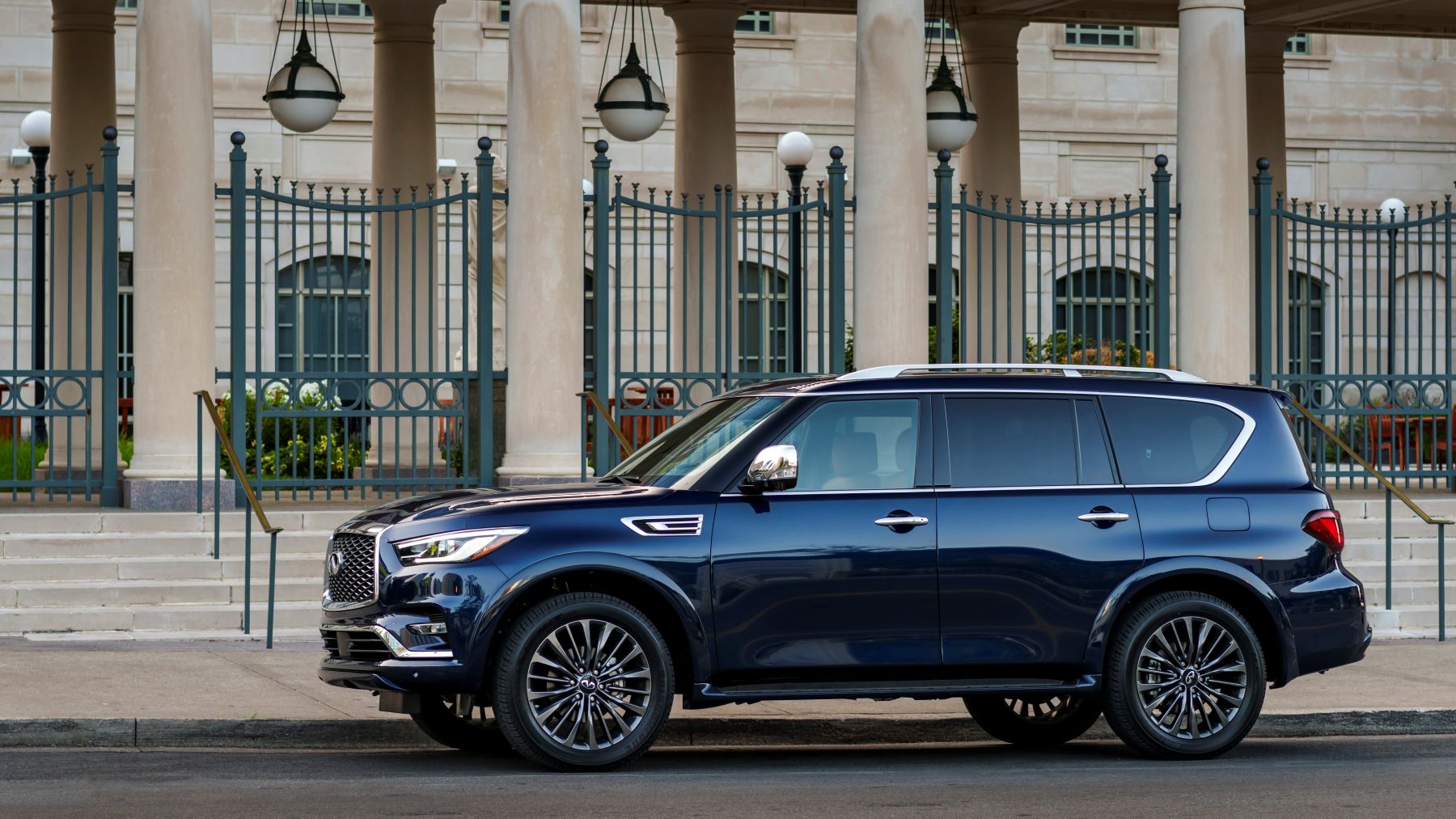
INFINITI continues to bring thoughtful hospitality to every aspect of the client experience, and has been recognized for its focus on vehicle quality in the J.D. Power 2024 U.S. Initial Quality StudySM (IQS). INFINITI rose an impressive 15 ranking positions in this year’s study, making it fourth in the premium market. The 2024 INFINITI QX80 luxury SUV also was highest ranked for initial quality in the Large Premium SUV segment.
“The client is at the heart of all we do, and as we continue a product renaissance headlined by the launch of all-new QX80, we are working to strengthen our approach to luxury client service, which extends beyond the vehicle to encompass the entire ownership experience.”Post this
With a score of 187 problems per 100 vehicles (PP100), INFINITI significantly outpaced the premium brand industry average of 232 PP100 and dramatically improved from its ranking in the 2023 IQS.
“INFINITI has always pioneered new ways of delivering value and convenience to our clients, and we are grateful for recognition of our quality from an industry authority,” said Bob Welby, senior director, Operations, INFINITI USA. “The client is at the heart of all we do, and as we continue a product renaissance headlined by the launch of all-new QX80, we are working to strengthen our approach to luxury client service, which extends beyond the vehicle to encompass the entire ownership experience.”
The J.D. Power Initial Quality Study is a measure of vehicle quality based on responses from purchasers and lessees following the first 90 days of ownership. Drivers are surveyed about 227 potential problems with their vehicle covering 10 categories: infotainment; features, controls and displays; exterior; driving assistance; interior; powertrain; seats; driving experience; climate; and unspecified (unique to repair). For the first time, this year the study also incorporates data from franchised dealership repair visits.
QX80 is the INFINITI flagship, a full-size luxury SUV that offers both serene comfort and effortless capability. The all-new 2025 QX80 arrives at retailers in July with a dominant, sophisticated design; first-class hospitality for all three rows of seating; seamless and intuitive technology; and a commanding, rewarding driving experience.
INFINITI’s commitment to its clients extends beyond the vehicle to the entire ownership experience. INFINITI delivers convenience to clients through programs like INFINITI Valet, where a client’s vehicle can be picked up from their home or workplace for service and returned to them. Additionally, the INFINITI Premium Care integrated maintenance program streamlines and simplifies ownership by including three years of scheduled service.
About INFINITI
INFINITI Motor Company is headquartered in Yokohama, Japan, with operations around the world including regional offices based in the Americas, China and INFINITI International Markets in Dubai. INFINITI premium automobiles are assembled in manufacturing facilities in Japan, North America and China. INFINITI design studios are located in Atsugi-Shi (near Yokohama), London, San Diego and Shanghai.
More information about INFINITI and its industry-leading technologies can be found at www.INFINITIUSA.com. You can also follow INFINITI on Facebook, Instagram, LinkedIn, X (formerly Twitter), and see all of our latest videos on YouTube.