
Earth Science Technology Office
-
NASA
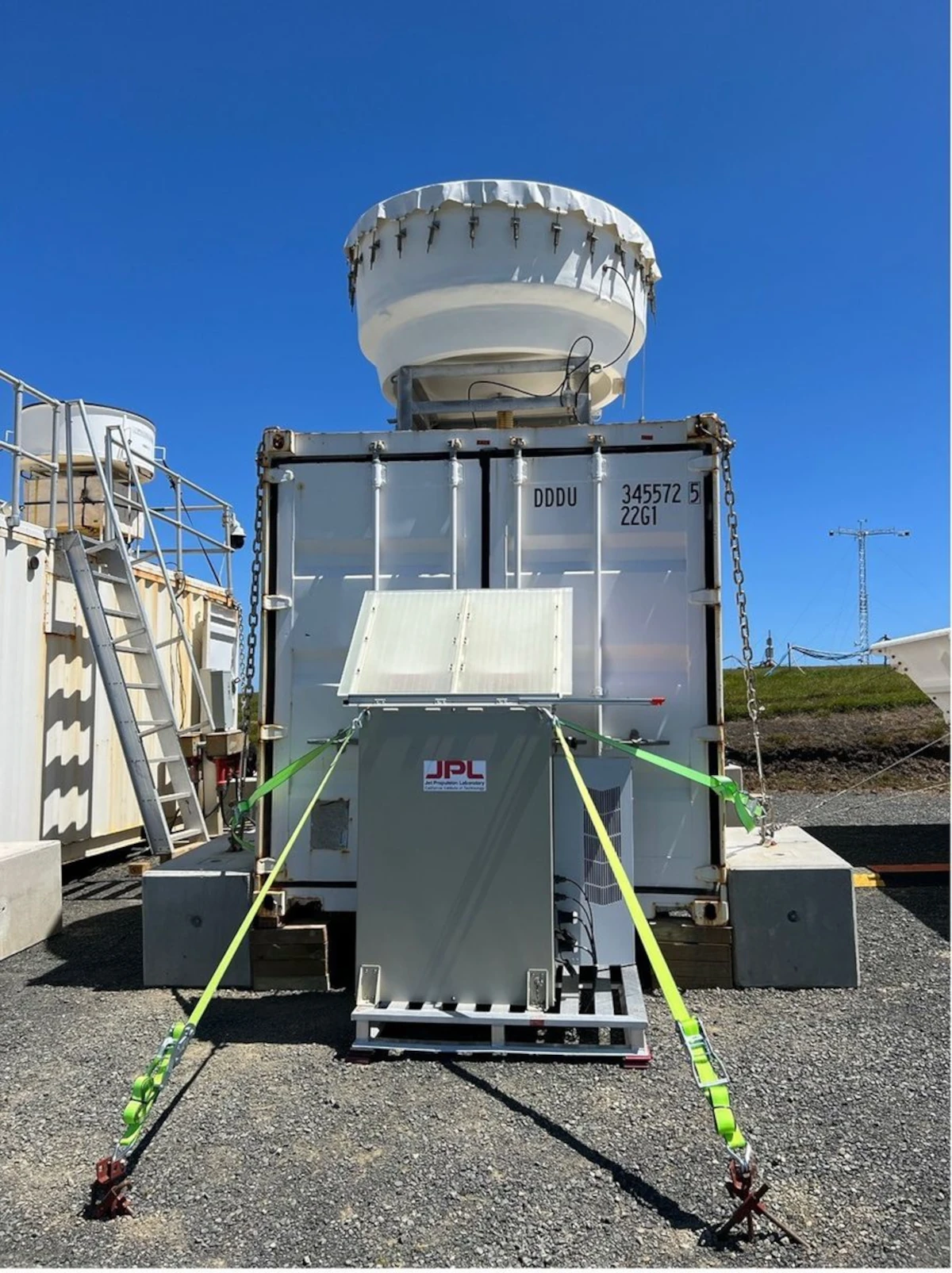
NASA’s CloudCube Pioneers Miniaturized Radar to Study Clouds, Precipitation
Built with funding from NASA’s Earth Science Technology Office Instrument Incubator Program, CloudCube transmits and receives Ka-, W-, and G-band signals, making it the first compact radar system capable of simultaneously probing meteorological targets at wavelengths spanning approximately one to ten millimeters. Researchers will be able to combine information from the three signals to learn more about the initiation and evolution…
Read More » -
NASA
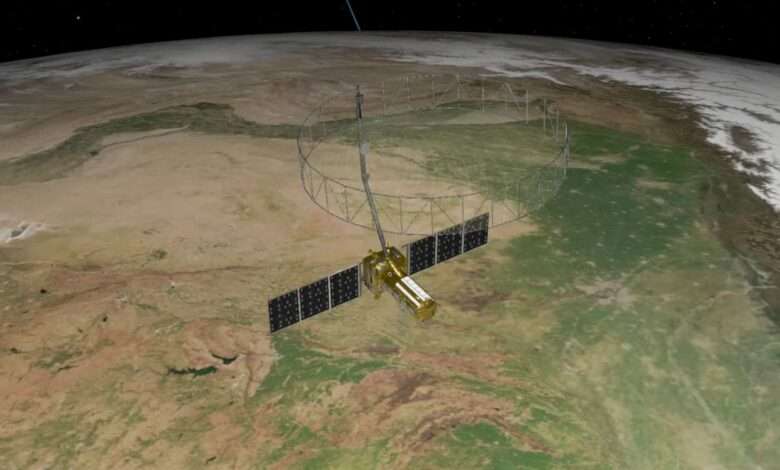
NASA Space to Soil Challenge
Rapid advances in commercial space, artificial intelligence, and edge computing are transforming what is possible for Earth observation. By pushing more intelligence onboard, missions can move from passively collecting data to actively interpreting and responding to changing surface conditions in near-real time, enabling more targeted observations and dramatically improving the value of data returned to the ground. Within this context,…
Read More » -
NASA
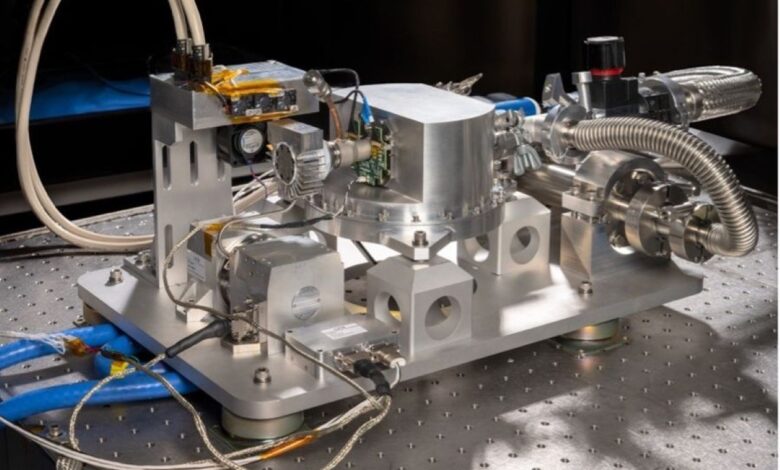
c-FIRST Team Sets Sights on Future Fire-observing Satellite Constellations
Two NASA-developed technologies are key components of a new high-resolution sensor for observing wildfires: High Operating Temperature Barrier Infrared Detector (HOT-BIRD), developed with support from NASA’s Earth Science Technology Office (ESTO), and a cutting-edge Digital Readout Integrated Circuit (DROIC), developed with funding from NASA’s Small Business Innovation Research (SBIR) program. NASA’s c-FIRST instrument could provide high resolution data from a…
Read More » -
NASA

NASA Announces Call for New Computing Approaches to Earth Science
In an open challenge, NASA is seeking innovative business models that propose new approaches to solving complex Earth science problems using unconventional computing methods and is holding an informational webinar on Monday, April 28. The agency’s Beyond the Algorithm Challenge, sponsored by NASA’s Earth Science Technology Office, asks for proposals to more rapidly and accurately understand our home planet using…
Read More » -
NASA
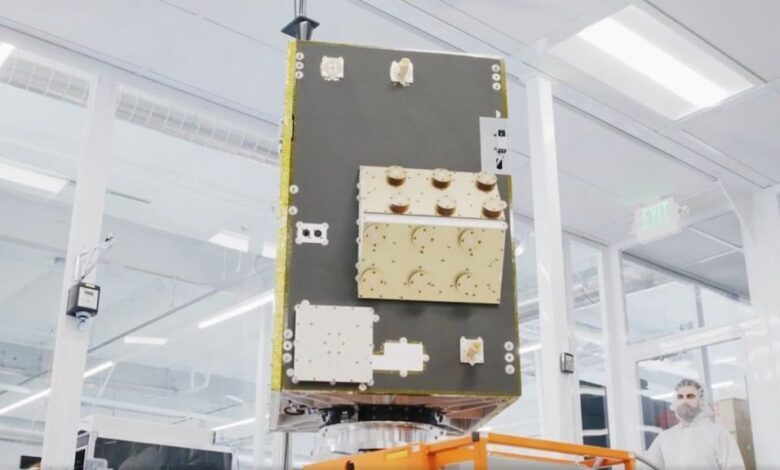
NASA-developed Technology Supports Ocean Wind Speed Measurements from Commercial Satellite
A science antenna developed with support from NASA’s Earth Science Technology Office (ESTO) is now in low-Earth orbit aboard MuSat2, a commercial remote-sensing satellite flown by the aerospace company Muon Space. The dual-frequency science antenna was originally developed as part of the Next Generation GNSS Bistatic Radar Instrument (NGRx). Aboard MuSat2, it will help measure ocean surface wind speed—an essential…
Read More » -
NASA

New NASA Instrument for Studying Snowpack Completes Airborne Testing
Summer heat has significant effects in the mountainous regions of the western United States. Melted snow washes from snowy peaks into the rivers, reservoirs, and streams that supply millions of Americans with freshwater—as much as 75% of the annual freshwater supply for some states. But as climate change brings winter temperatures to new highs, these summer rushes of freshwater can sometimes…
Read More » -
NASA

NASA “Wildfire Digital Twin” Pioneers New AI Models and Streaming Data Techniques for Forecasting Fire and Smoke
NASA’s “Wildfire Digital Twin” project will equip firefighters and wildfire managers with a superior tool for monitoring wildfires and predicting harmful air pollution events and help researchers observe global wildfire trends more precisely. The tool, developed with funding from NASA’s Earth Science Technology Office and NASA’s FireSense Program, will use artificial intelligence and machine learning to forecast potential burn paths in real time, merging…
Read More »