
Exoplanet
-
NASA
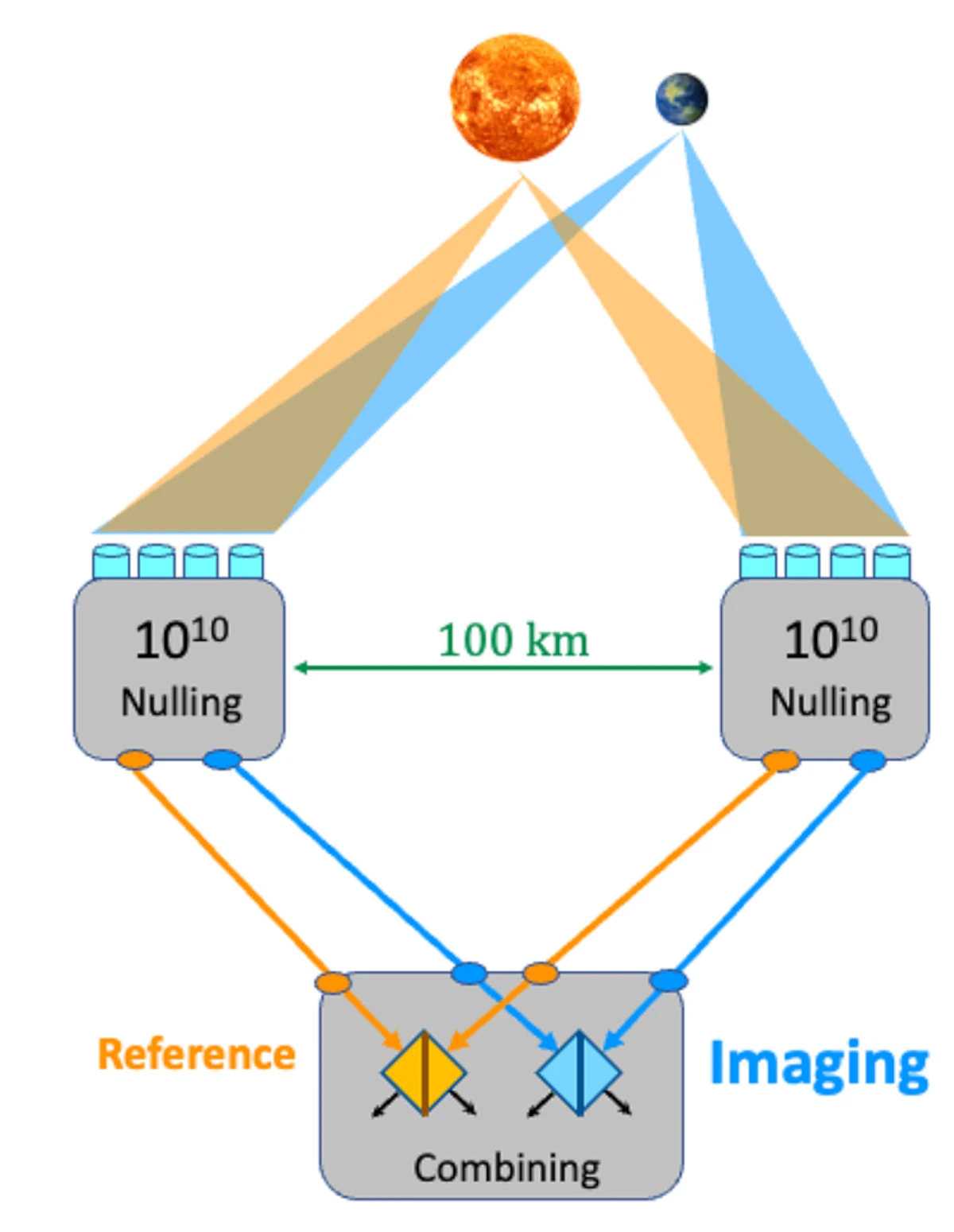
Mapping Alien Continents: Achieving Optical VLBI for Exoplanet Imaging
Paul StankusBrookhaven Science Associates The scientific goal of the proposed work will be reconstructing the image, ie resolving surface features, of an Earth-like exoplanet around a nearby star as seen in visible light. The innovation is in two stages. First, the design of a new kind of nulling interferometer — “dynamic hierarchical nulling” — combining inputs from multiple apertures and capable…
Read More » -
NASA
NASA’s Webb Catches Exoplanet Getting Roasted
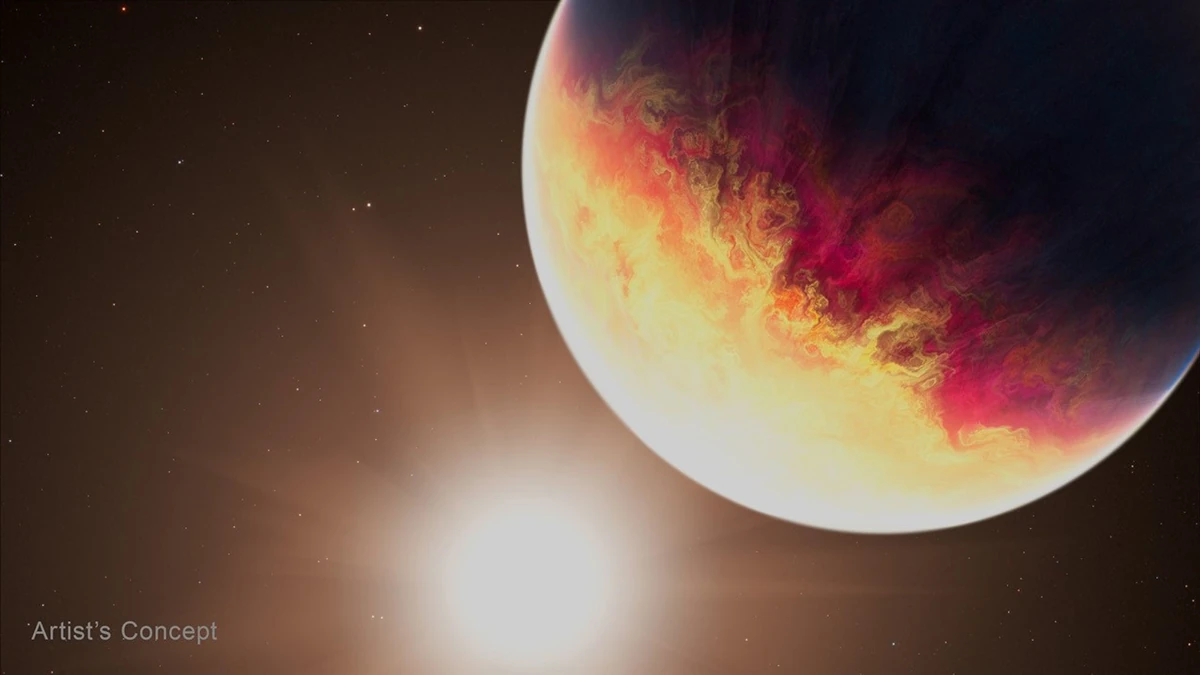
One well-done gas giant, coming right up! That’s the latest from researchers analyzing NASA’s James Webb Space Telescope’s observations of HD 80606 b, an exoplanet four times the mass of Jupiter with an extremely elliptical orbit that sweeps close by its Sun-like star. The research team is presenting their study and preliminary findings Tuesday at the 248th meeting of the…
Read More » -
NASA
New Ultra-Black Coating Could Enable the Search for Life on Exoplanets
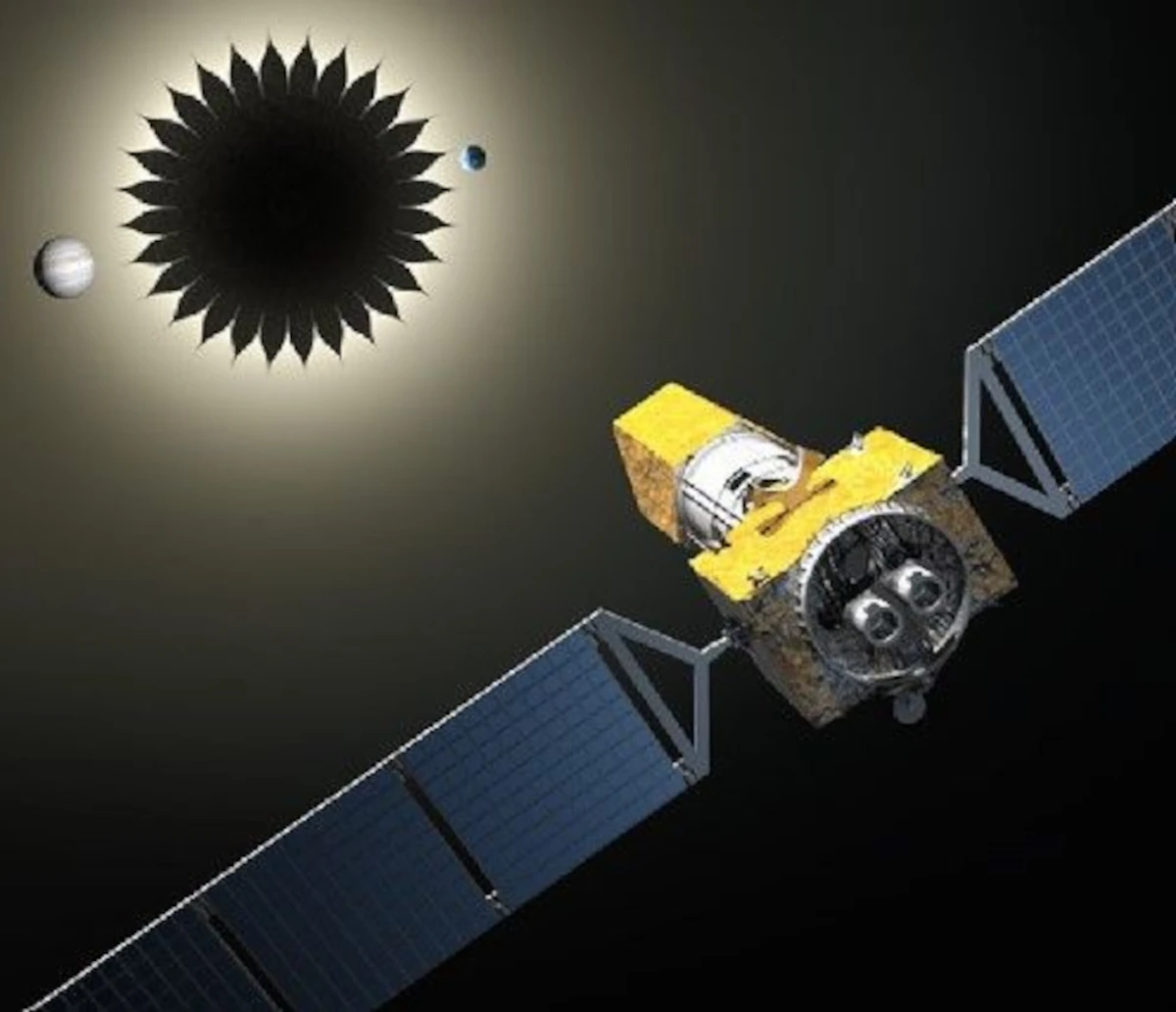
A recently developed ultra-black coating not only efficiently absorbs light, but is also extremely thin and durable, enabling its potential use on starshades that could someday support the imaging of exoplanets and potentially facilitate the detection of life beyond our solar system. Artist’s conception of a starshade (a disk surrounded by “petals” at the top left) blocking starlight from a…
Read More » -
Tiny NASA Spacecraft Delivers Exoplanet Mission’s First Images
With the first images from the spacecraft now in hand, the team behind NASA’s Star-Planet Activity Research CubeSat, or SPARCS, is ready to begin charting the energetic lives of the galaxy’s most common stars to help answer one of humanity’s most profound questions: Which distant worlds beyond our solar system might be habitable? Initial, or “first light,” images mark the…
Read More » -
NASA
NASA’s Webb Observes Exoplanet Whose Composition Defies Explanation
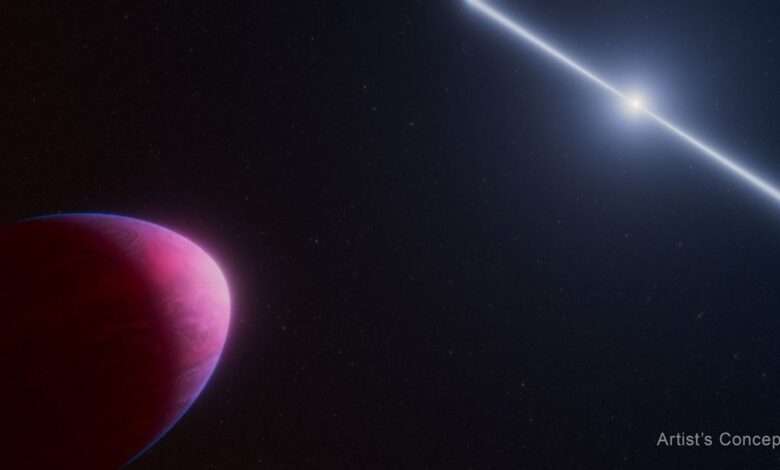
Scientists using NASA’s James Webb Space Telescope have observed a rare type of exoplanet, or planet outside our solar system, whose atmospheric composition challenges our understanding of how it formed. Officially named PSR J2322-2650b, this Jupiter-mass object appears to have an exotic helium-and-carbon-dominated atmosphere unlike any ever seen before. Soot clouds likely float through the air, and deep within the planet,…
Read More » -
NASA
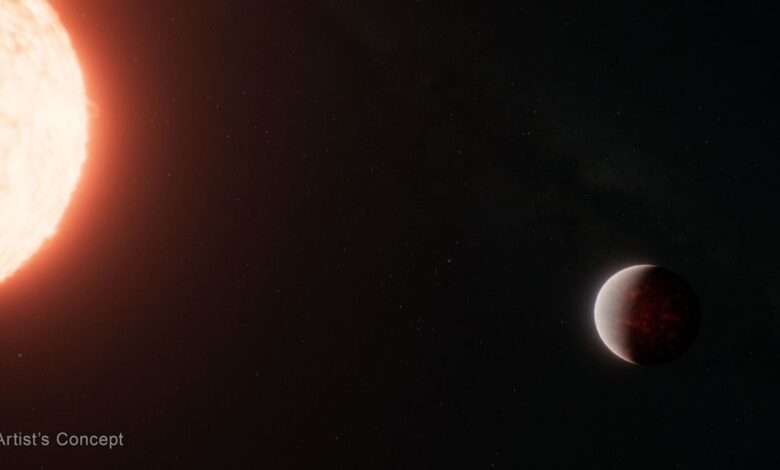
NASA’s Webb Detects Thick Atmosphere Around Broiling Lava World
Researchers using NASA’s James Webb Space Telescope have detected the strongest evidence yet for an atmosphere on a rocky planet outside our solar system, as NASA leads the world in exploring the universe from the Moon to Mars and beyond. Observations of the ultra-hot super-Earth TOI-561 b suggest that the exoplanet is surrounded by a thick blanket of gases above a global…
Read More » -
NASA
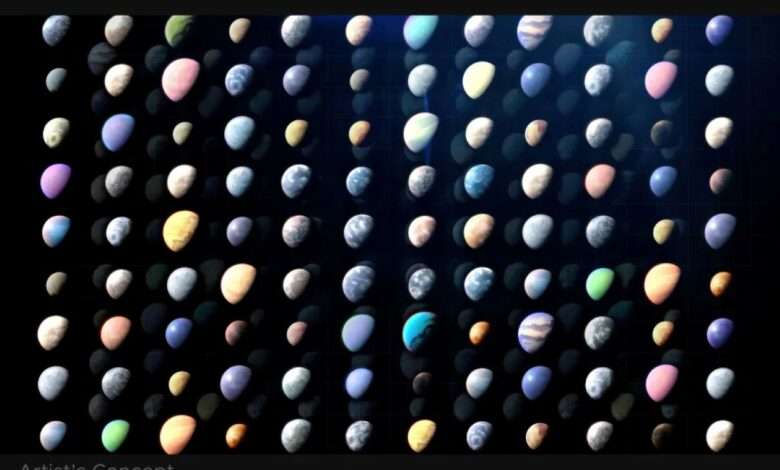
NASA’s Tally of Planets Outside Our Solar System Reaches 6,000
The milestone highlights the accelerating rate of discoveries, just over three decades since the first exoplanets were found. The official number of exoplanets — planets outside our solar system — tracked by NASA has reached 6,000. Confirmed planets are added to the count on a rolling basis by scientists from around the world, so no single planet is considered the…
Read More » -
NASA
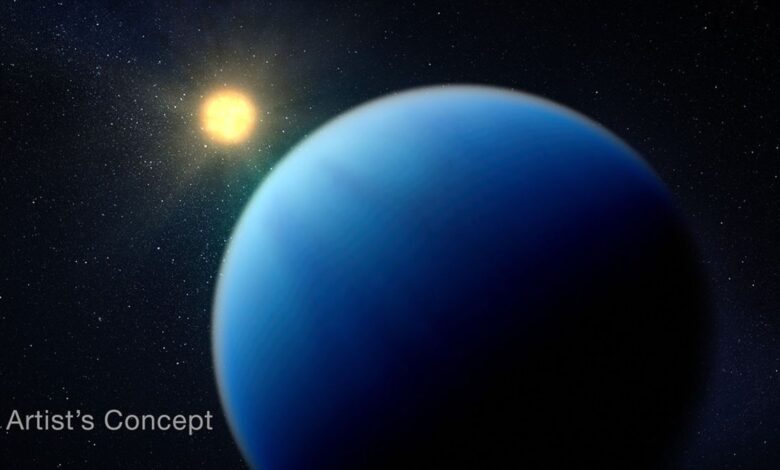
NASA’s Webb Lifts Veil on Common but Mysterious Type of Exoplanet
Though they don’t orbit around our Sun, sub-Neptunes are the most common type of exoplanet, or planet outside our solar system, that have been observed in our galaxy. These small, gassy planets are shrouded in mystery…and often, a lot of haze. Now, by observing exoplanet TOI-421 b, NASA’s James Webb Space Telescope is helping scientists understand sub-Neptunes in a way that…
Read More » -
NASA
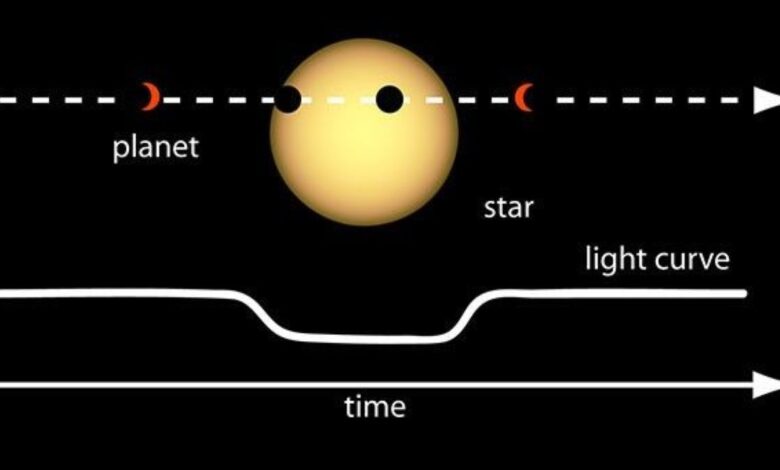
May’s Night Sky Notes: How Do We Find Exoplanets?
Astronomers have been trying to discover evidence that worlds exist around stars other than our Sun since the 19th century. By the mid-1990s, technology finally caught up with the desire for discovery and led to the first discovery of a planet orbiting another sun-like star, Pegasi 51b. Why did it take so long to discover these distant worlds, and what techniques…
Read More » -
NASA
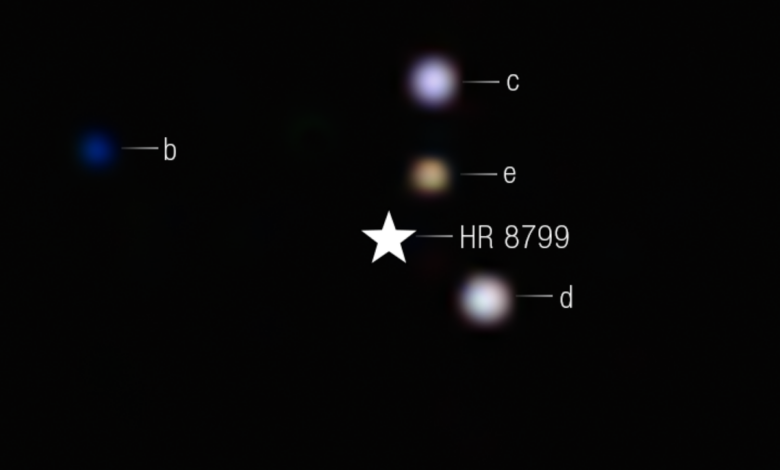
NASA’s Webb Images Young, Giant Exoplanets, Detects Carbon Dioxide
NASA’s James Webb Space Telescope has captured direct images of multiple gas giant planets within an iconic planetary system. HR 8799, a young system 130 light-years away, has long been a key target for planet formation studies. The observations indicate that the well-studied planets of HR 8799 are rich in carbon dioxide gas. This provides strong evidence that the system’s…
Read More »