
Exoplanet
-
NASA

Ultra-low-noise Infrared Detectors for Exoplanet Imaging
One of the ultimate goals in astrophysics is the discovery of Earth-like planets that are capable of hosting life. While thousands of planets have been discovered around other stars, the vast majority of these detections have been made via indirect methods, that is, by detecting the effect of the planet on the star’s light, rather than detecting the planet’s light…
Read More » -
NASA

NASA Scientists Spot Candidate for Speediest Exoplanet System
Astronomers may have discovered a scrawny star bolting through the middle of our galaxy with a planet in tow. If confirmed, the pair sets a new record for the fastest-moving exoplanet system, nearly double our solar system’s speed through the Milky Way. The planetary system is thought to move at least 1.2 million miles per hour, or 540 kilometers per…
Read More » -
NASA
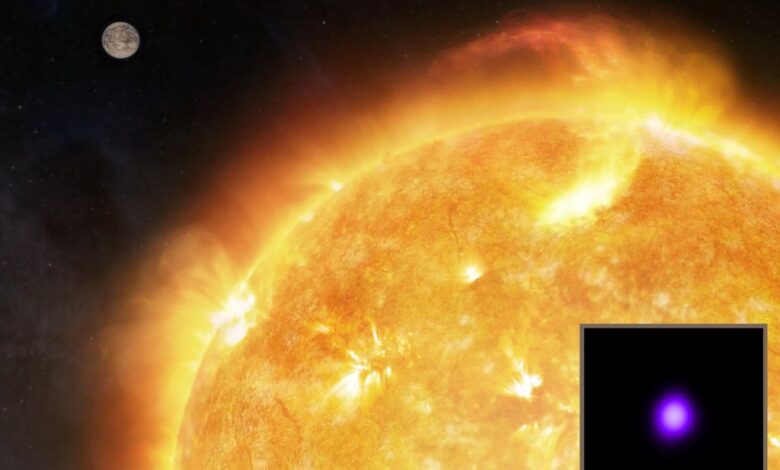
Exoplanets Need to Be Prepared for Extreme Space Weather, Chandra Finds
Planets around other stars need to be prepared for extreme weather conditions, according to a new study from NASA’s Chandra X-ray Observatory and ESA’s (European Space Agency’s) XMM-Newton that examined the effects of X-rays on potential planets around the most common type of stars. Astronomers found that only a planet with greenhouse gases in its atmosphere like Earth and at…
Read More » -
NASA
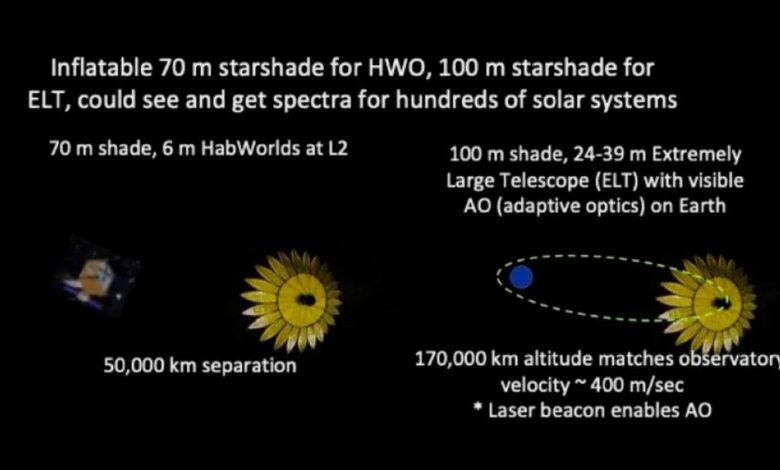
Inflatable Starshade for Earthlike Exoplanets
John MatherNASA Goddard Space Flight Center We will design the first family of ISEE’s (Inflatable Starshade for Earthlike Exoplanets) with sizes from 35 to 100 m diameter. A starshade would enable any telescope to observe exoplanets, a top priority for astronomy worldwide. Compared with other starshade concepts, we aim for a lower mass, cost and complexity, while still providing high…
Read More » -
NASA
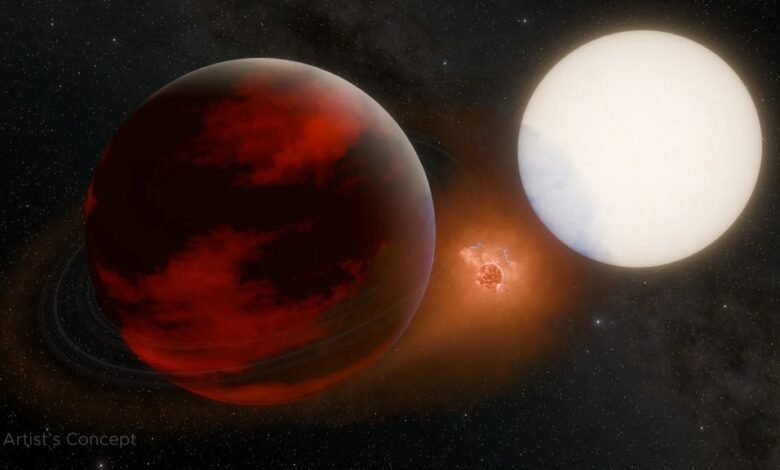
Does Distant Planet Host Volcanic Moon Like Jupiter’s Io?
The existence of a moon located outside our solar system has never been confirmed but a new NASA-led study may provide indirect evidence for one. New research done at NASA’s Jet Propulsion Laboratory reveals potential signs of a rocky, volcanic moon orbiting an exoplanet 635 light-years from Earth. The biggest clue is a sodium cloud that the findings suggest is…
Read More » -
NASA
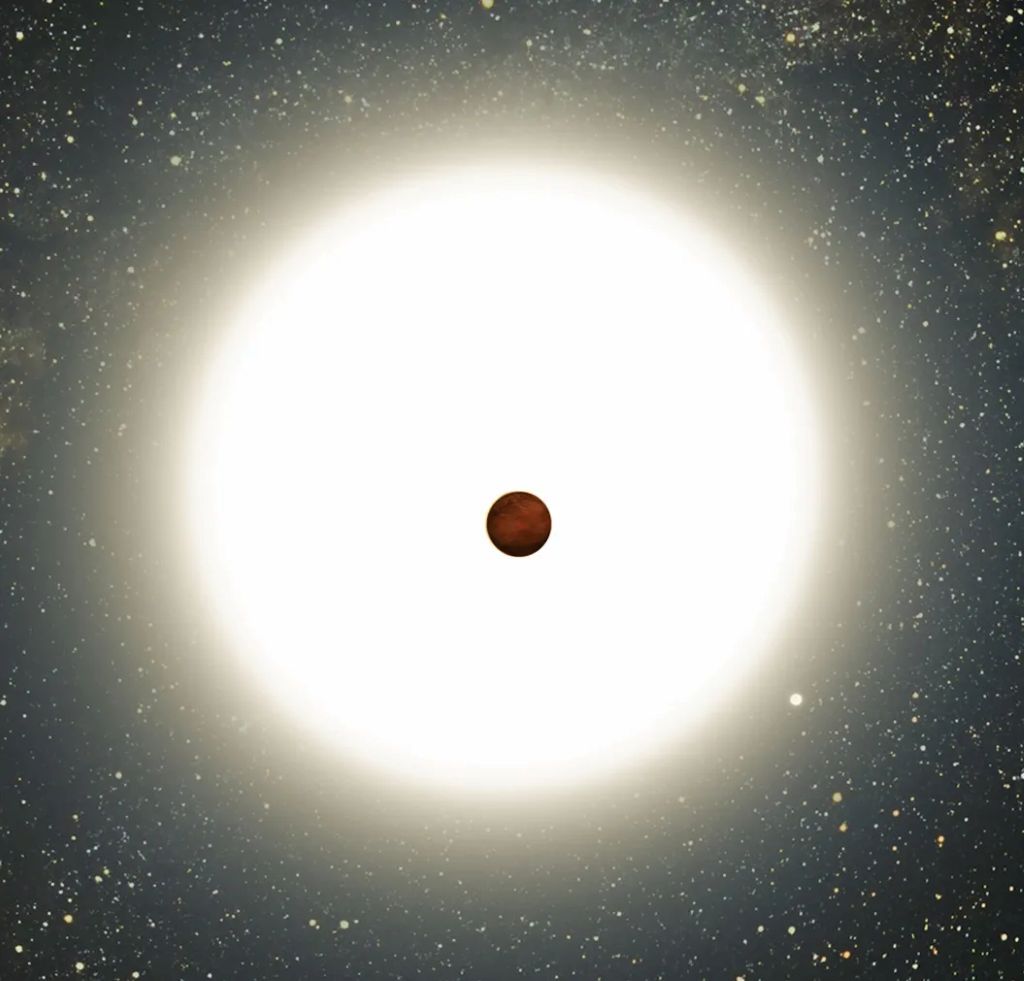
Talented Teams Tackle Toasty Planet
Exoplanets, look out! Two NASA-funded teams of amateur astronomers are tracking you with their backyard telescopes. These two teams, called UNITE (UNISTELLAR Network Investigating TESS Exoplanets) and Exoplanet Watch, have combined forces to confirm a new planetary discovery—a toasty “warm Jupiter”. “I pinch myself every day when I recall that I have made a meaningful scientific contribution to astronomy by helping professional astronomers confirm…
Read More » -
NASA
NASA’s Webb Images Cold Exoplanet 12 Light-Years Away
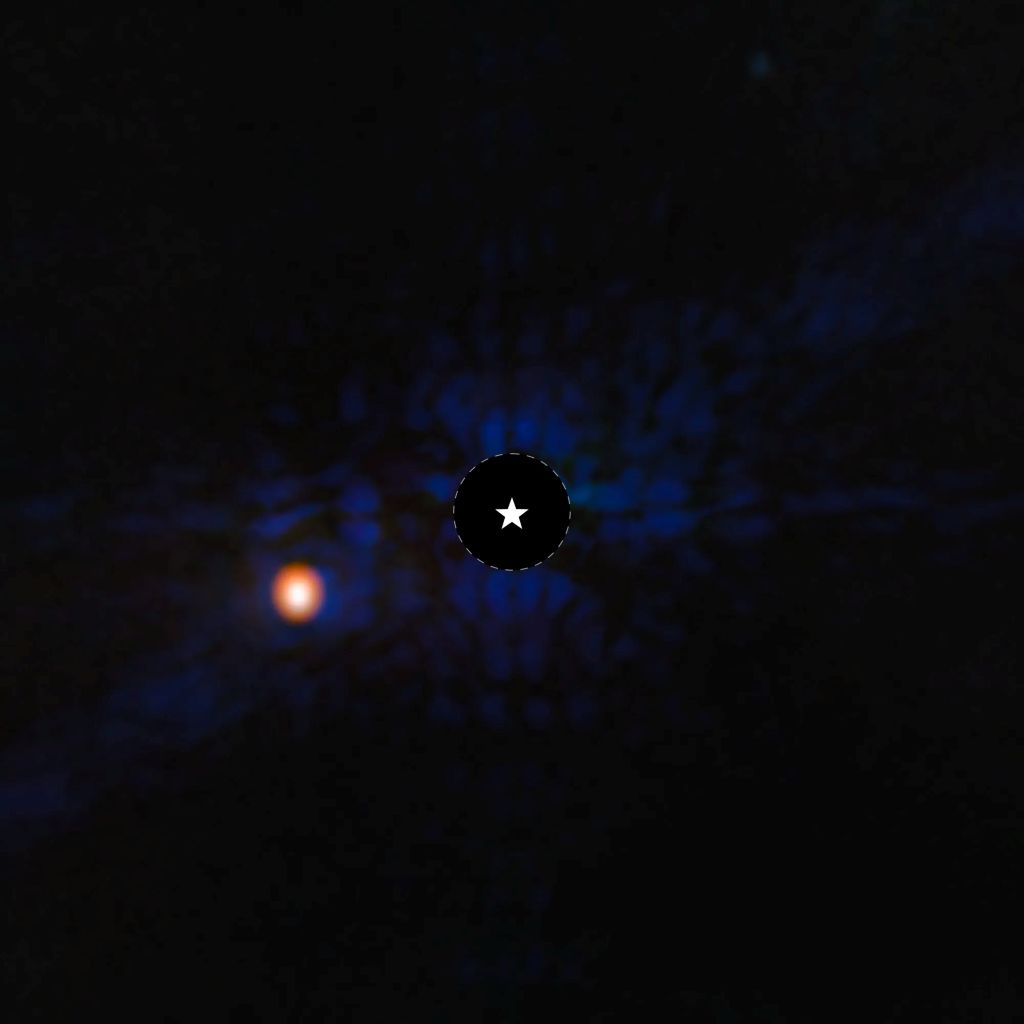
An international team of astronomers using NASA’s James Webb Space Telescope has directly imaged an exoplanet roughly 12 light-years from Earth. The planet, Epsilon Indi Ab, is one of the coldest exoplanets observed to date. The planet is several times the mass of Jupiter and orbits the K-type star Epsilon Indi A (Eps Ind A), which is around the age…
Read More » -
NASA

Discovery Alert: With Six New Worlds, 5,500 Discovery Milestone Passed!
On Aug. 24, 2023, more than three decades after the first confirmation of planets beyond our own solar system, scientists announced the discovery of six new exoplanets, stretching that number to 5,502. From zero exoplanet confirmations to over 5,500 in just a few decades, this new milestone marks another major step in the journey to understand the worlds beyond our…
Read More » -
NASA
Webb Cracks Case of Inflated Exoplanet
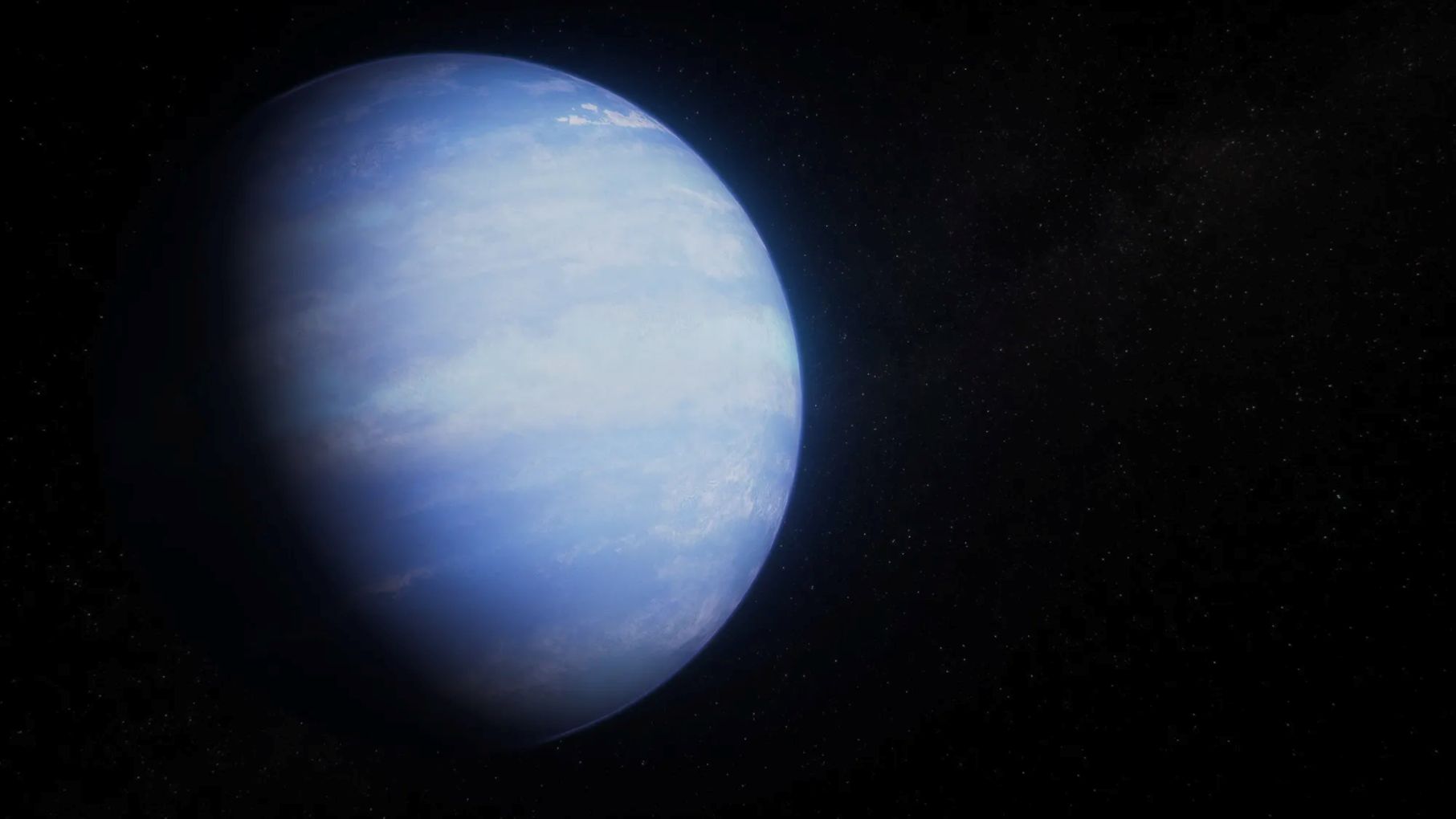
Why is the warm gas-giant exoplanet WASP-107 b so puffy? Two independent teams of researchers have an answer. Data collected using NASA’s James Webb Space Telescope, combined with prior observations from NASA’s Hubble Space Telescope, show surprisingly little methane (CH4) in the planet’s atmosphere, indicating that the interior of WASP-107 b must be significantly hotter and the core much more…
Read More » -
NASA
NASA’s Hubble Observes Exoplanet Atmosphere Changing Over 3 Years
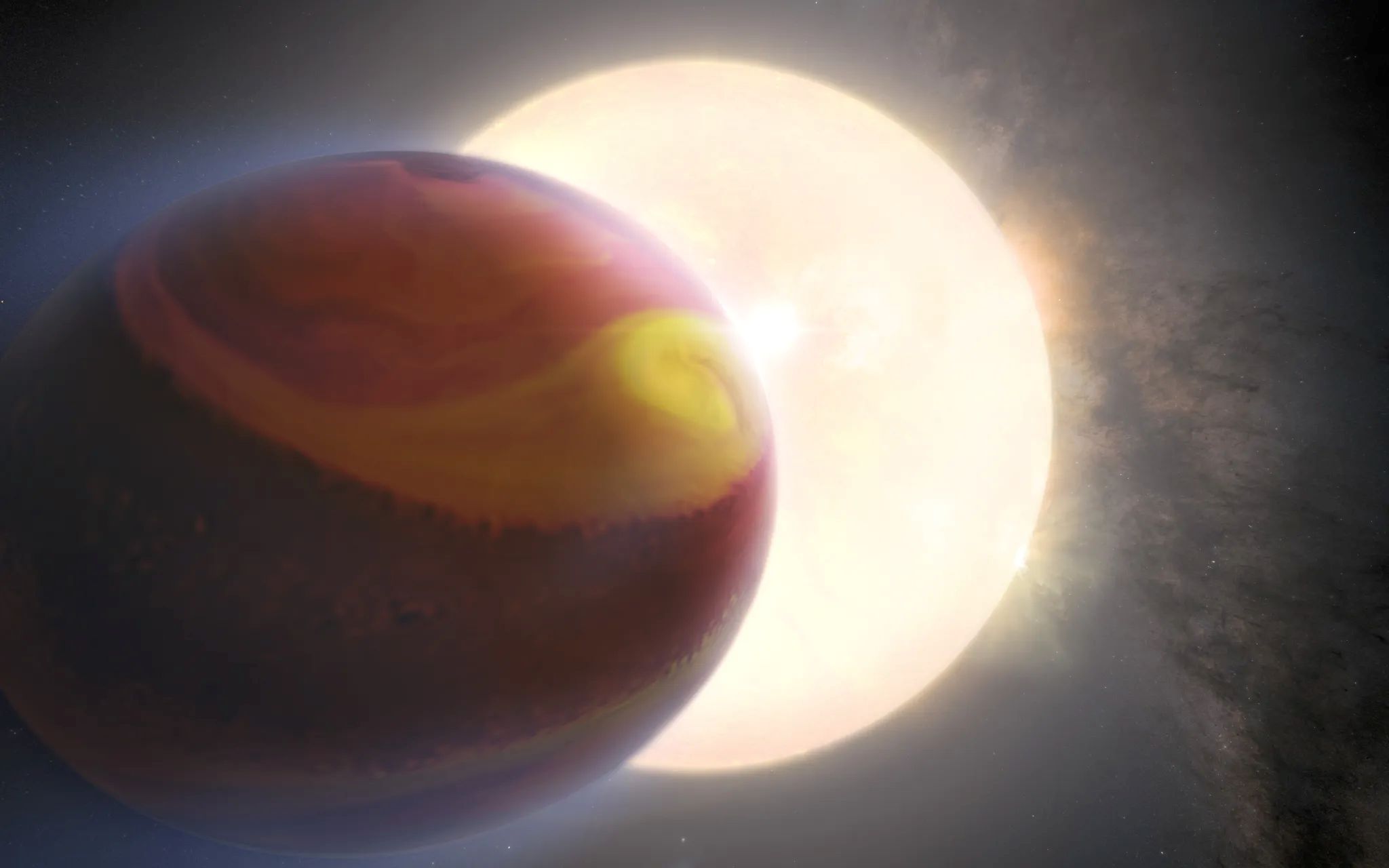
By combining several years of observations from NASA’s Hubble Space Telescope along with conducting computer modelling, astronomers have found evidence for massive cyclones and other dynamic weather activity swirling on a hot, Jupiter-sized planet 880 light-years away. The planet, called WASP-121 b, is not habitable. But this result is an important early step in studying weather patterns on distant worlds, and perhaps…
Read More »