Karma Automotive Sponsoring Chicago Art And Fundraising Events To Introduce Its Luxury-Electric Revero Vehicle To The Windy City

IRVINE, Calif., Sept. 27, 2018 /PRNewswire/ — Southern California automaker Karma is introducing its award-winning, luxury, electric-powered Revero to the Chicago market by supporting the EXPO Chicago and Festival of Children Foundation’s Carousel of Possible Dreams. Karma recently announced its first dealership in Chicago and is supporting the Hawk Auto Group’s efforts to reach the market with activations that include display vehicles and test drives from both events.
“We’re excited to have the recently opened Karma Chicago dealership and to be a part of the Hawk Auto Group family,” said Jim Taylor, Chief Revenue Officer of Karma Automotive. “Karma’s corporate DNA includes supporting the arts and local charities. In Chicago, we believe these two events provide great opportunities to meet with potential customers, while providing support to two great causes.”
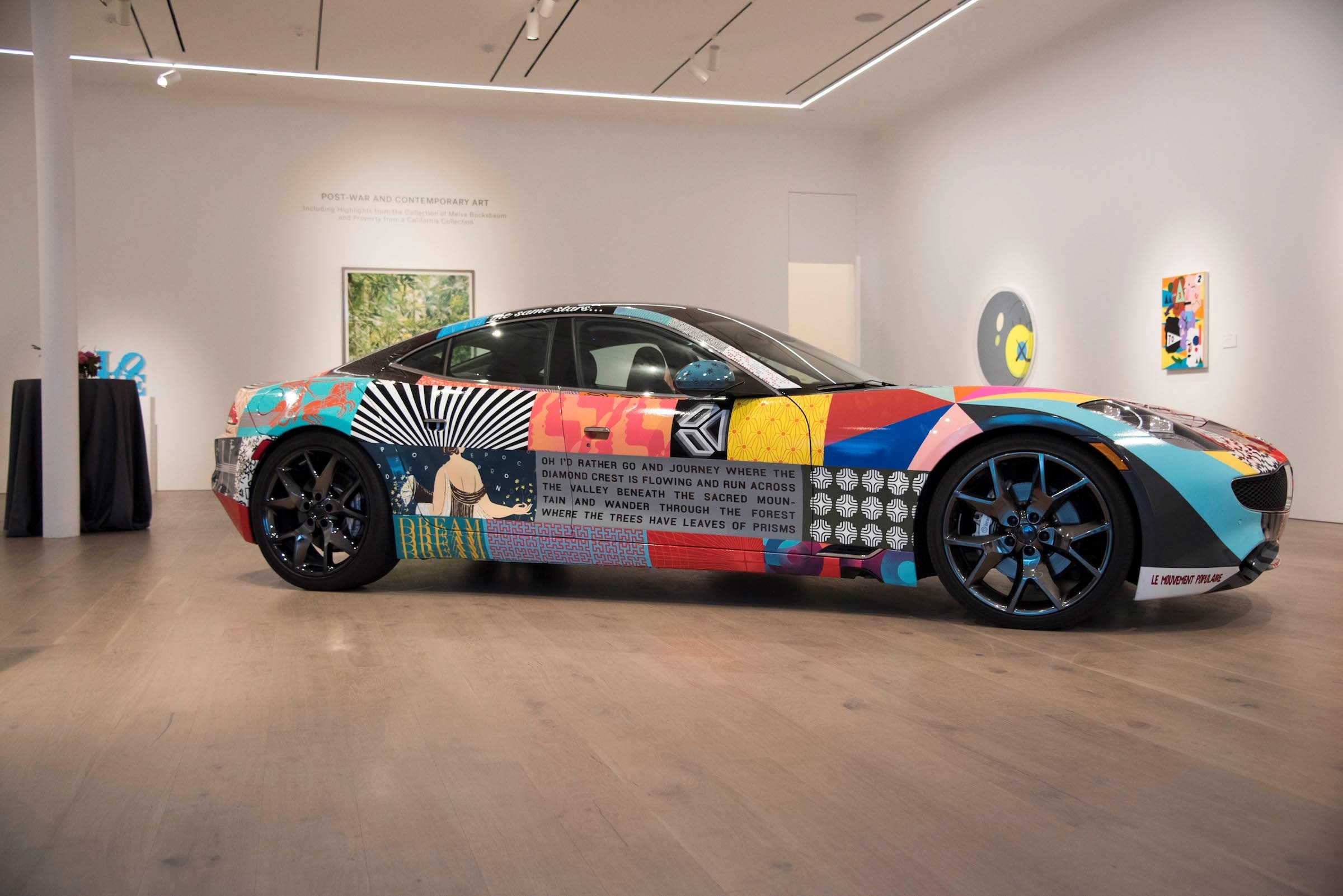
Karma will be an event sponsor of the 2018 EXPO Chicago, an international art show that showcases contemporary and modern art from artists from all over the world. Taking place September 27 – September 30, Karma will have two vehicles on display including the James Verbicky art car. Attendees will also have the opportunity to test drive the 2018 Karma Revero which provides consumers with the ultimate luxury mobility experience. Registration is free and test drives are available from 12 p.m. – 3:30 p.m. on Friday, September 28 and Saturday, September 29.
Karma is the presenting sponsor of the Festival of Children Foundation’s Carousel of Possible Dreamstaking place on Saturday, October 6. Founded in 2003 by the Segerstrom Family, The Festival of Children Foundation began Carousel of Possible Dreams to give charities an exciting way to fundraise. For 2018, the Festival of Children partnered with Sanfilippo Foundation to bring the community of Chicago onboard the Eden Palais Carousel at the Sanfilippo Estate in Barrington Hills to benefit five charities including Barrington Children’s Charities, Chicago Academy for the Arts, Soul Harbour Ranch Animal therapy Program, Spirito! Singers, and Turning Pointe Austim Foundation. Karma will have vehicles onsite for attendees to test drive from 5 p.m. – 7 p.m.
Meet Karma Automotive and Karma Revero
Karma Automotive designs, engineers, assembles and markets luxury electric vehicles, all from its Southern California base of operations. Founded in 2014 and employing 1,000 employees worldwide, Karma Automotive is committed to elevating and growing the luxury mobility experience for its customers and draws on global relationships and technology partners to achieve this. Named Green Car Journal’s 2018 Luxury Green Car of the Year, Karma Revero is a luxury performance car powered by dual electric motors that embodies the company’s goals of offering leading automotive design, technology, customization and an outstanding customer experience. Learn more about Karma Automotive and Revero at karmaautomotive.com.
Hawk Auto Group provides the Greater Chicago market with first class car dealerships, providing numerous brands and models to choose from at multiple locations. They house various automotive brands including Karma, Cadillac, Volkswagen and Chrysler. For more information on Karma Chicago visit, www.karmaautomotive.com/locator/karma-chicago.