
Gale Crater
-
NASA

Curiosity Blog, Sols 4682-4688: Seven Mars Years
Written by Diana Hayes, Graduate Student at York University, Toronto Earth planning date: Friday, Oct. 10, 2025 This week was one of seasonal changes and milestones for the mission. As was mentioned several weeks ago, Mars has now moved out of its “cloudy season” and is transitioning into the “dusty season” as the planet moves closer to the Sun. This means…
Read More » -
NASA
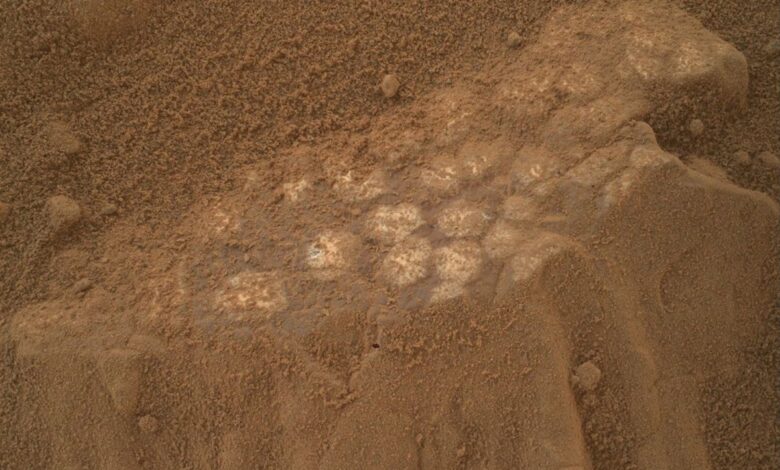
Curiosity Blog, Sols 4627-4628: A Ridge Stop in the Boxworks
Earth planning date: Monday Aug. 11, 2025 Written by Lucy Lim, Planetary Scientist at NASA’s Goddard Space Flight Center On the Curiosity team, we’re continuing our exploration of the boxwork-forming region in Gale Crater. A successful 25-meter drive (about 82 feet) brought the rover from the “peace sign” ridge intersection to a new ridge site. Several imaging investigations were pursued in today’s…
Read More » -
NASA

Sols 4484-4485: Remote Sensing on a Monday
Written by Conor Hayes, Graduate Student at York University Earth planning date: Monday, March 17, 2025 Last week I was in Houston, Texas, at the Lunar and Planetary Science Conference. The mid-March weather in Houston is often more like mid-summer weather here in Toronto, so it has been a bit of a shock coming home to temperatures that are hovering…
Read More » -
NASA

Sols 4452-4453: Keeping Warm and Keeping Busy
Earth planning date: Wednesday, Feb. 12, 2025 I woke up this morning to my weather app telling me it felt like minus 15° C (5°F) outside. On days like this, it can take me a little longer to get myself up and out into the world. Curiosity has a similar problem — as we head toward winter and it gets…
Read More » -
NASA
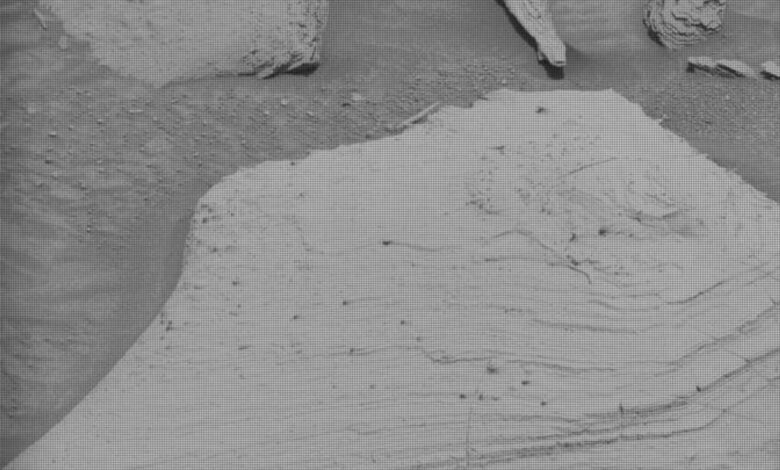
Sols 4732-4735: I’ll Zap You, My Pretty, and Your Pebble Too
Earth planning date: Friday, Nov. 22, 2024 For more than a year, NASA’s Curiosity rover has been climbing through layers of sulfate-rich rock in Gale Crater, where alternating thick light- and dark-toned bands are visible by satellite. After a successful 24.55-meter drive (about 81 feet), Curiosity traversed across a light-toned band into a dark-toned one, entering a workspace that contains…
Read More » -
NASA
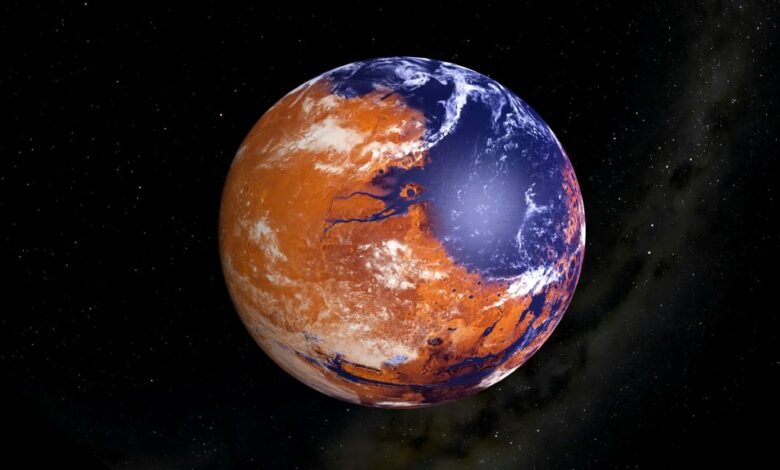
NASA: New Insights into How Mars Became Uninhabitable
NASA’s Curiosity rover, currently exploring Gale crater on Mars, is providing new details about how the ancient Martian climate went from potentially suitable for life – with evidence for widespread liquid water on the surface – to a surface that is inhospitable to terrestrial life as we know it. This is an artist’s concept of an early Mars with liquid…
Read More »