
Greenland
-
NASA
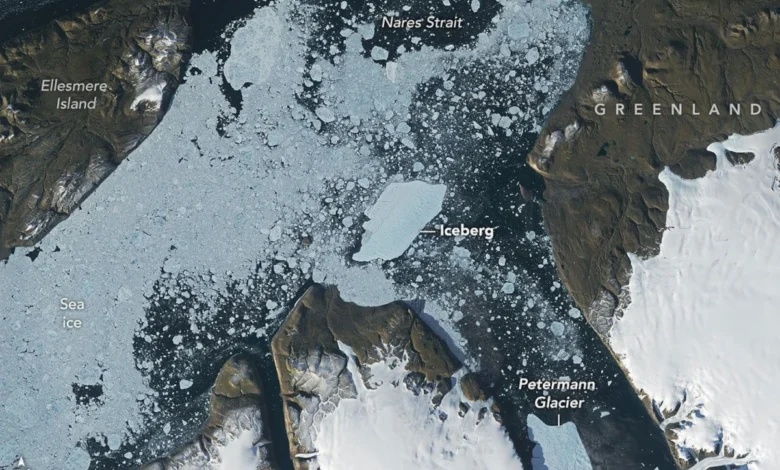
Ice Island Survives Run-In With Joe Island
Summer is prime iceberg season in Greenland’s glacier-fed fjords, and 2026 was no exception. Especially notable was the berg that broke from the Petermann Glacier along Greenland’s northwest coast in August. Roughly the size of St. Thomas in the U.S. Virgin Islands, it was the largest calving event by any Arctic glacier since 2020. Iceberg calving is a routine part…
Read More » -
NASA

NASA Flights Study Cosmic Ray Effects for Air, Future Space Travelers
Recent airborne science flights to Greenland are improving NASA’s understanding of space weather by measuring radiation exposure to air travelers and validating global radiation maps used in flight path planning. This unique data also has value beyond the Earth as a celestial roadmap for using the same instrumentation to monitor radiation levels for travelers entering Mars’ atmosphere and for upcoming…
Read More » -
NASA

NASA Supercomputers Take on Life Near Greenland’s Most Active Glacier
As Greenland’s ice retreats, it’s fueling tiny ocean organisms. To test why, scientists turned to a computer model out of JPL and MIT that’s been called a laboratory in itself. Runoff from Greenland’s ice sheet is kicking nutrients up from the ocean depths and boosting phytoplankton growth, a new NASA-supported study has found. Reporting in Nature Communications: Earth & Environment, the scientists…
Read More » -
NASA
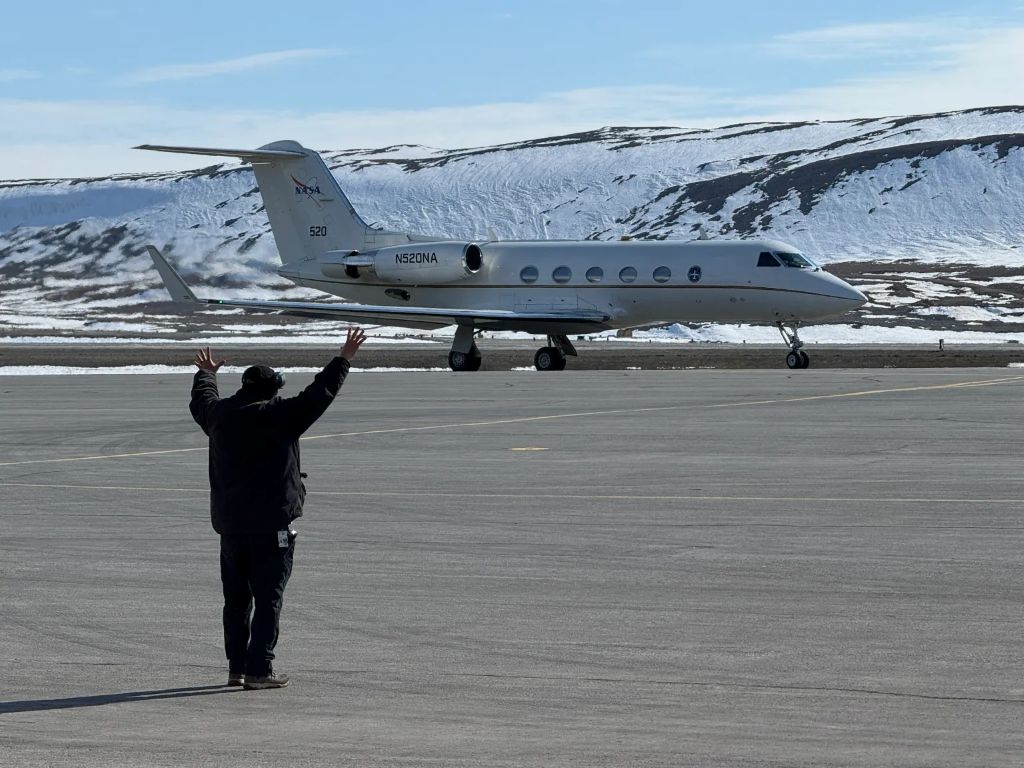
NASA Returns to Arctic Studying Summer Sea Ice Melt
What happens in the Arctic doesn’t stay in the Arctic, and a new NASA mission is helping improve data modeling and increasing our understanding of Earth’s rapidly changing climate. Changing ice, ocean, and atmospheric conditions in the northernmost part of Earth have a large impact on the entire planet. That’s because the Arctic region acts like Earth’s air conditioner. Much…
Read More » -
NASA
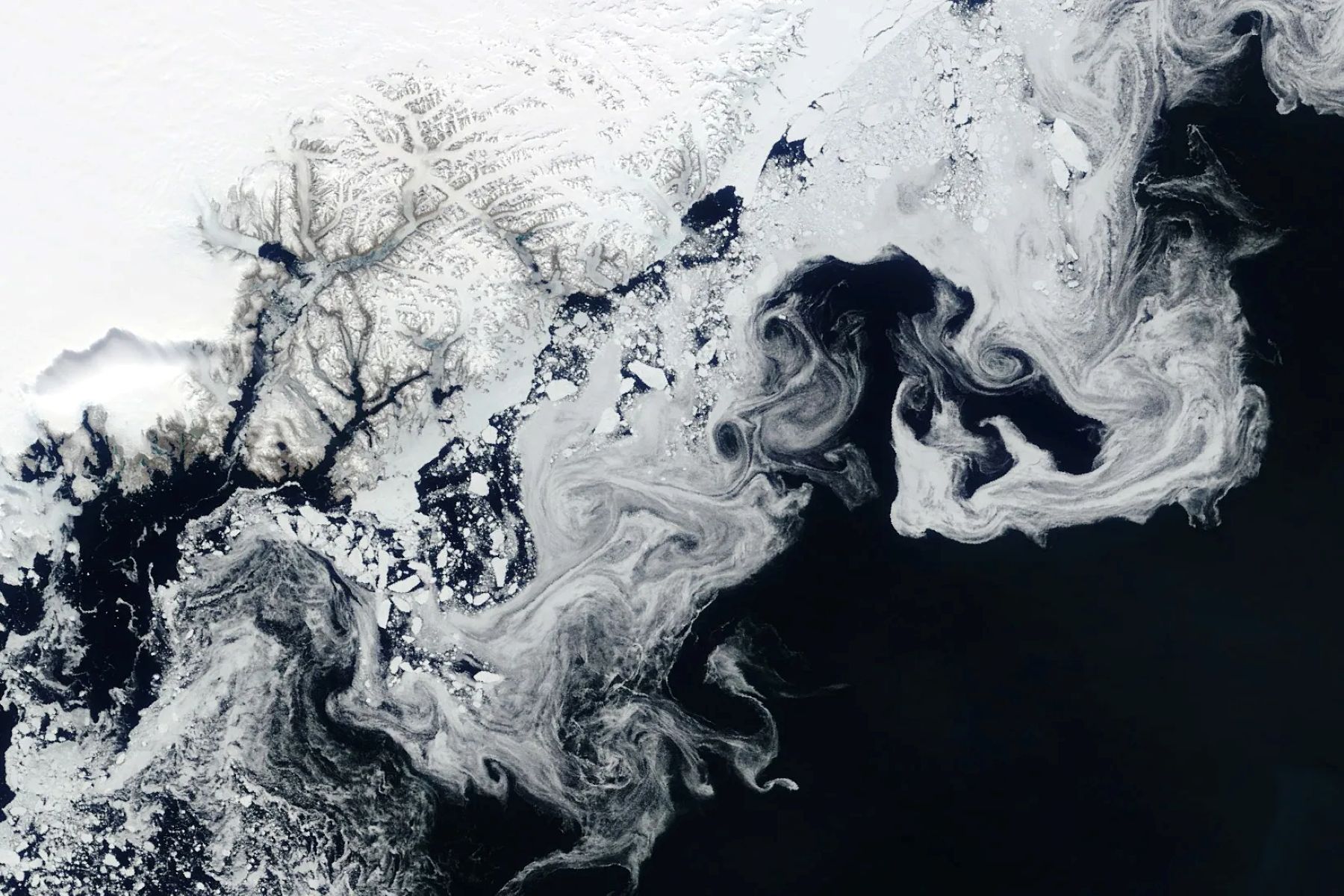
Sea Ice Swirls
NASA’s Terra satellite captured floating fragments of sea ice as ocean currents carried them south along Greenland’s east coast on June 4, 2024. This ice traveled from the Fram Strait, a 450-kilometer (280-mile)-wide passage between Greenland and Svalbard, to the Arctic Ocean. Along the journey, it breaks into smaller pieces and starts to melt in warmer ocean waters, creating the wispy patterns seen…
Read More » -
NASA
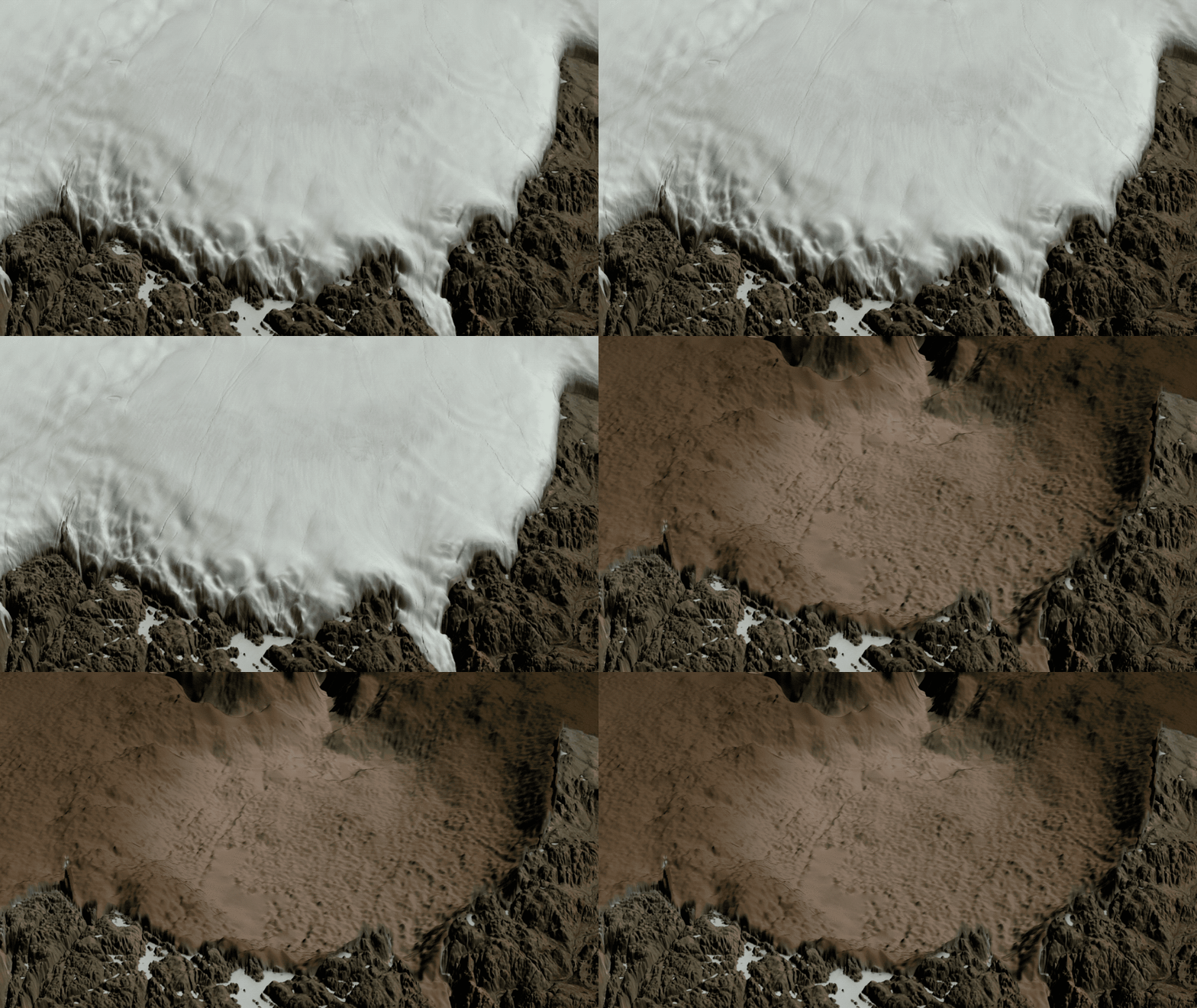
International Team, NASA Make Unexpected Discovery Under Greenland Ice
An international team of researchers, including a NASA glaciologist, has discovered a large meteorite impact crater hiding beneath more than a half-mile of ice in northwest Greenland. The crater — the first of any size found under the Greenland ice sheet — is one of the 25 largest impact craters on Earth, measuring roughly 1,000 feet deep and more than…
Read More »