
Hubble
-
NASA
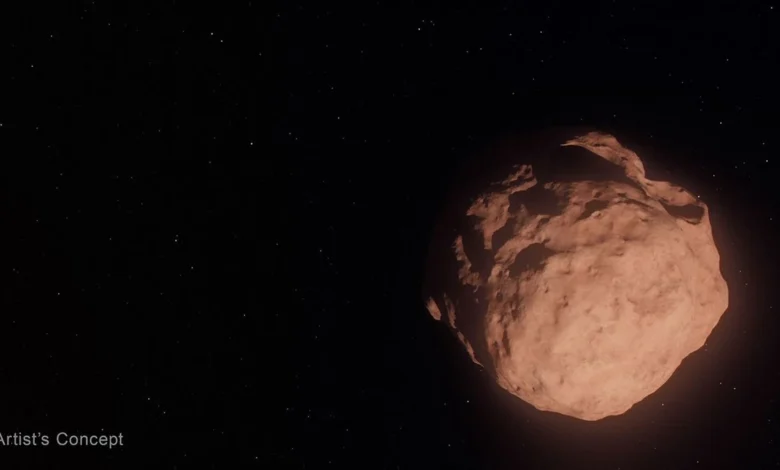
NASA’s Hubble, Webb Find Far-out Solar System Objects ‘Remember’ Past
For the first time, scientists used the joint power of NASA’s Hubble and James Webb Space Telescopes to study some of the most far-flung bodies in our solar system, Trans-Neptunian Objects (TNOs). Some of these are the smallest and faintest ever directly seen. The researchers unexpectedly found fewer small TNOs than they expected, and that the colors of these bodies followed the same relationships…
Read More » -
NASA
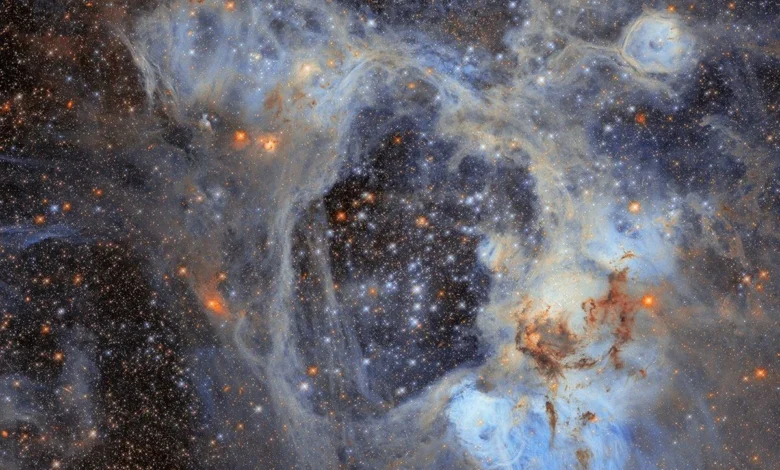
NASA’s Hubble Spies Superbubble Scene
This NASA/ESA Hubble Space Telescope image features a sprawling cosmic vista in the Large Magellanic Cloud, or LMC, the largest of the small galaxies that orbit our Milky Way galaxy. At just 160,000 light-years away, the LMC offers a close look at highly active star birth sites like the one in this image. This photogenic nebula, named LHA 120-N44, or N44, is…
Read More » -
NASA
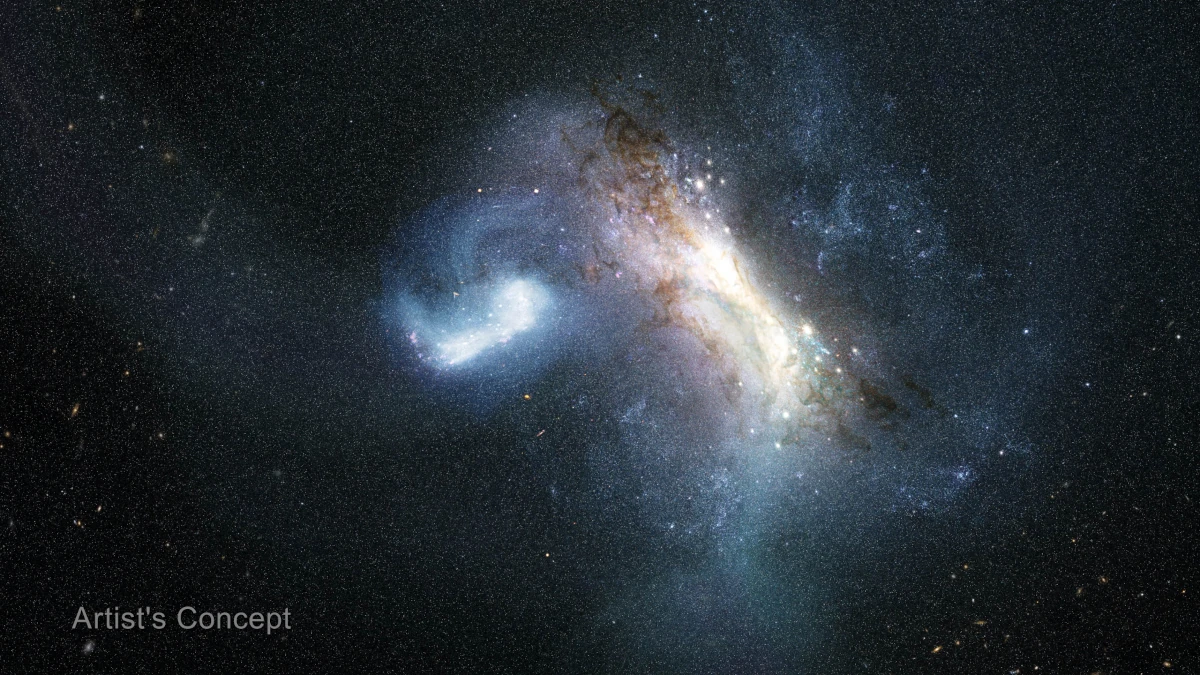
Ancient Milky Way Merger
This artist’s concept, released on Aug. 17, 2026, depicts a collision between our Milky Way galaxy and a dwarf galaxy known as LKH that happened about 12 billion years ago. A study of data from NASA’s Hubble Space Telescope, recently published in the journal Nature Astronomy, shows definitive evidence of a dwarf galaxy merging with the young Milky Way galaxy in the earliest…
Read More » -
NASA
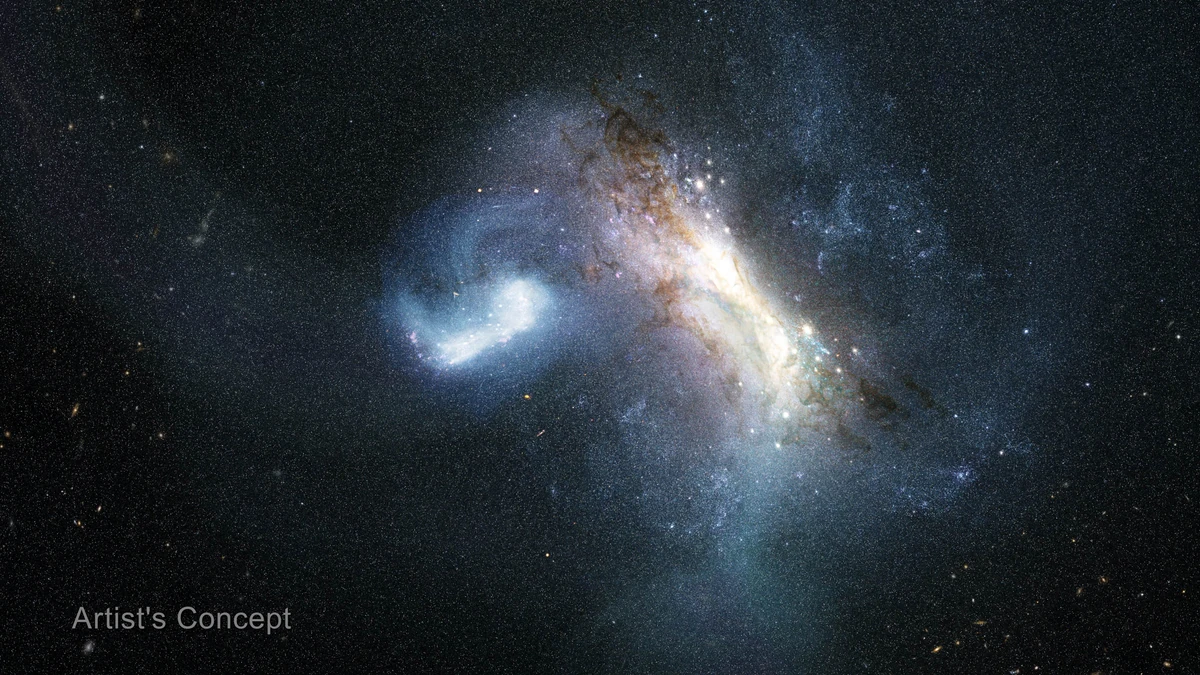
Hubble Solves Merger Mystery From Milky Way’s Early Years
Our home galaxy, the Milky Way, grew to its current size in part by consuming smaller galaxies. Now, new data from NASA’s Hubble Space Telescope shows definitive evidence of a dwarf galaxy merging with the young Milky Way galaxy in the earliest phases of its evolution. This finding extends our knowledge of our galaxy’s history 1.8 billion years farther back in time…
Read More » -
NASA
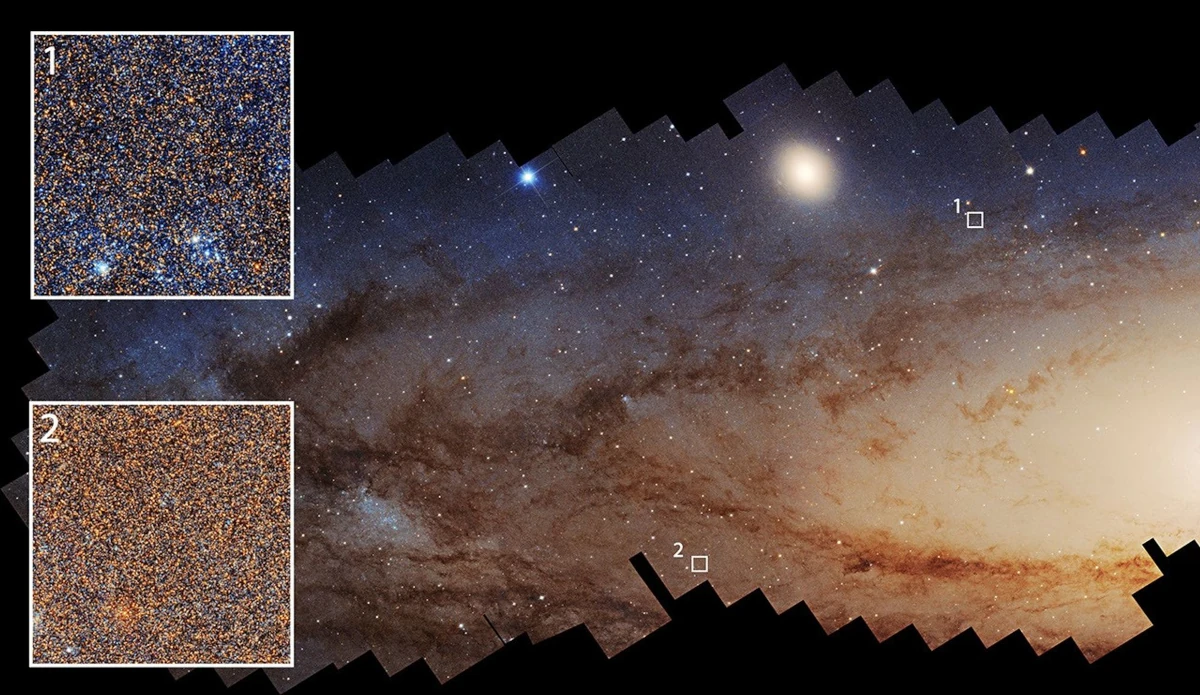
NASA’s Hubble Shows Star Formation in Andromeda Galaxy Winding Down
A new study using data from NASA’s Hubble Space Telescope finds that star formation in the nearby Andromeda galaxy has undergone a 500-million-year decline, with an even steeper drop in the last 40 million years. Andromeda, a spiral galaxy comparable in size to our Milky Way, is close enough to be seen with the unaided eye from areas with dark skies. Located…
Read More » -
NASA
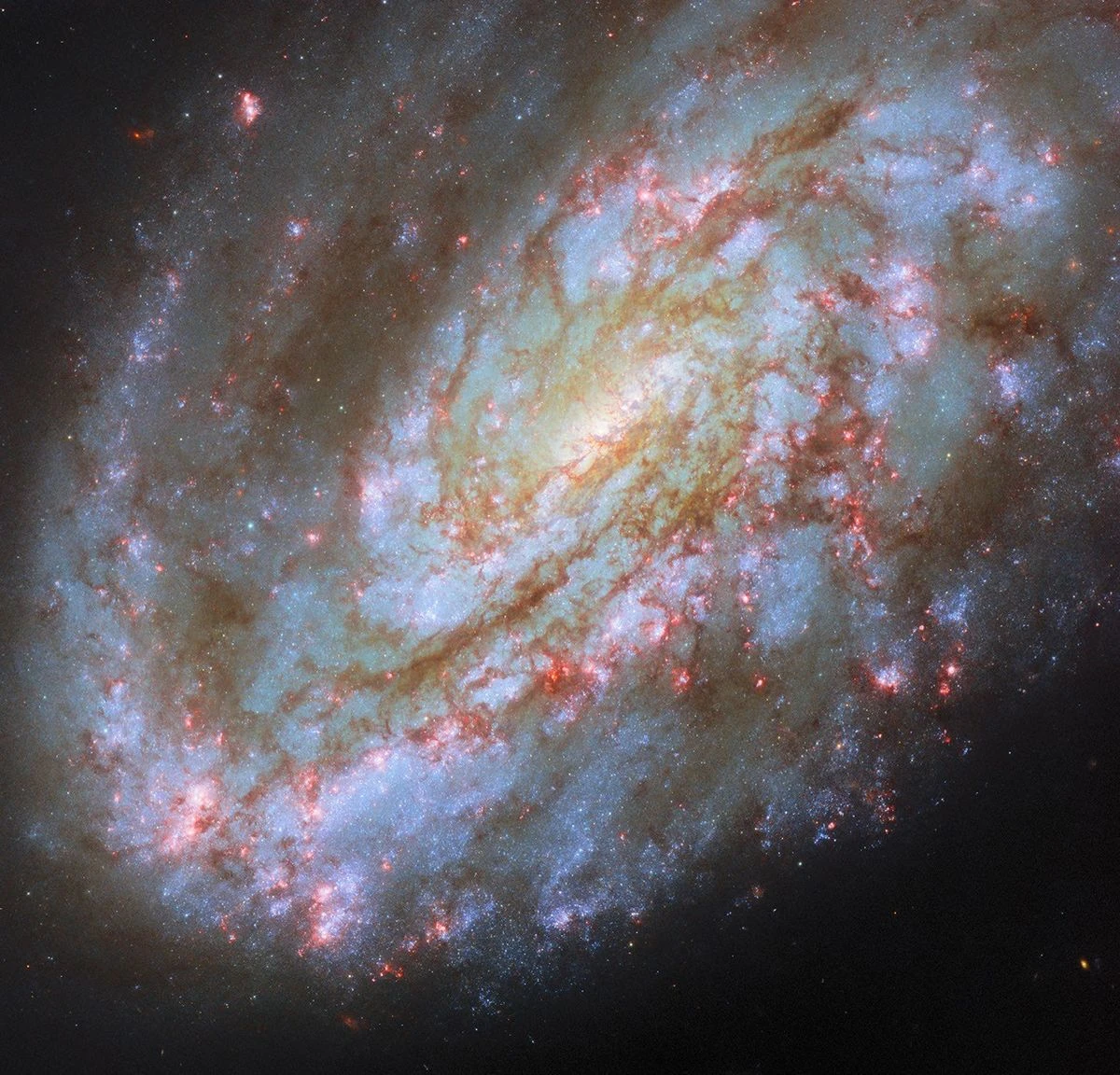
Hubble Spies One-Sided Spiral
The subject of this NASA/ESA Hubble Space Telescope image is a spiral galaxy struggling against titanic forces that appear on galactic scales in space. This is NGC 4654, an intermediate spiral galaxy in the constellation Virgo (the Maiden). It is classified as an “intermediate” because its overall shape lies between spiral galaxies that have a bar across their centers and those that…
Read More » -
NASA
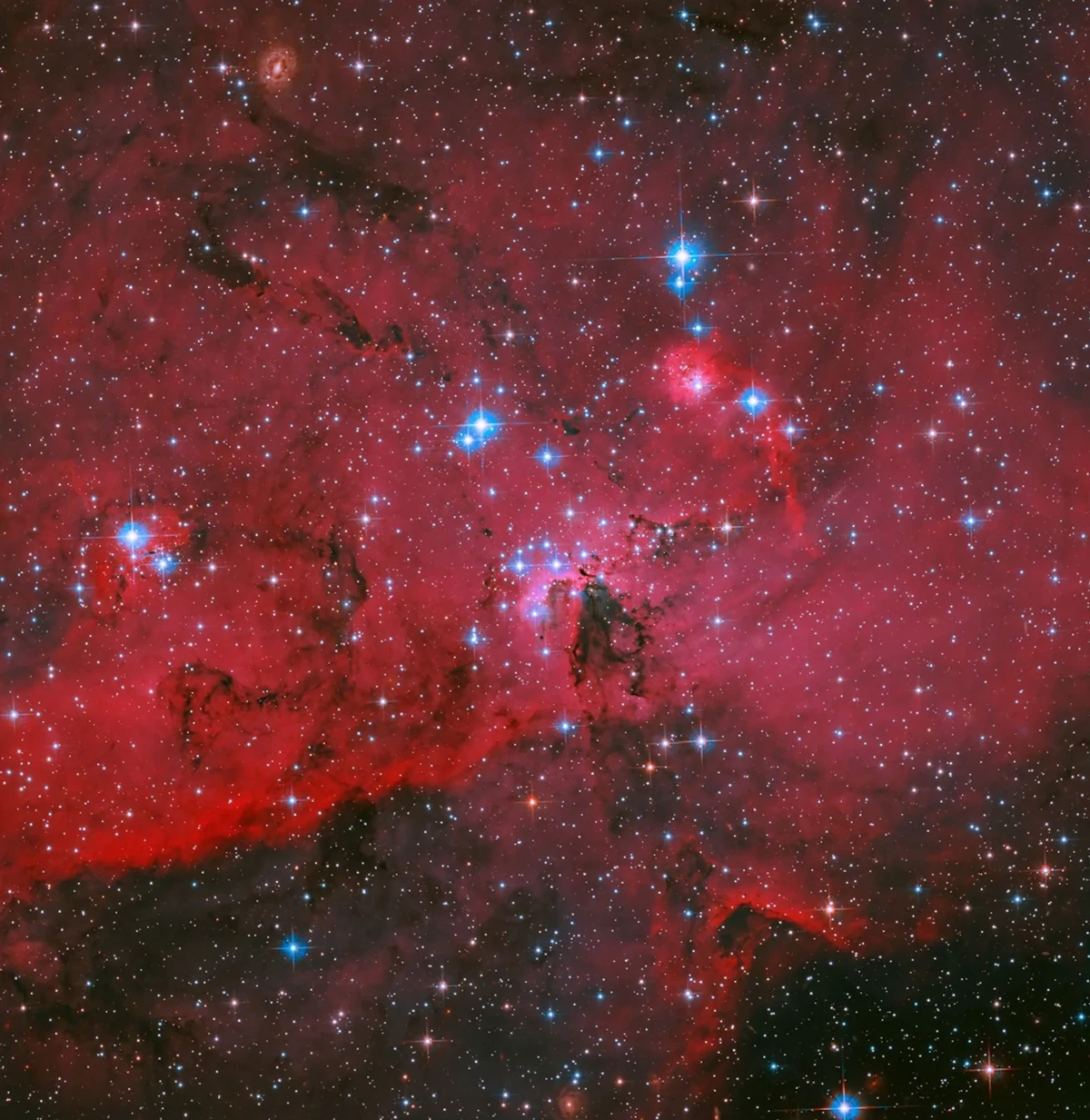
Hubble Sees Crimson Cloud and Stars
Blue and white stars shine brilliantly against a crimson background of glowing gas in this July 3, 2026, image of stellar nursery LH 95 from NASA’s Hubble Space Telescope. LH 95 is a region in the Large Magellanic Cloud, a dwarf galaxy that orbits the Milky Way. Low-mass infant stars live alongside massive blue giant stars in what is known as a…
Read More » -
NASA
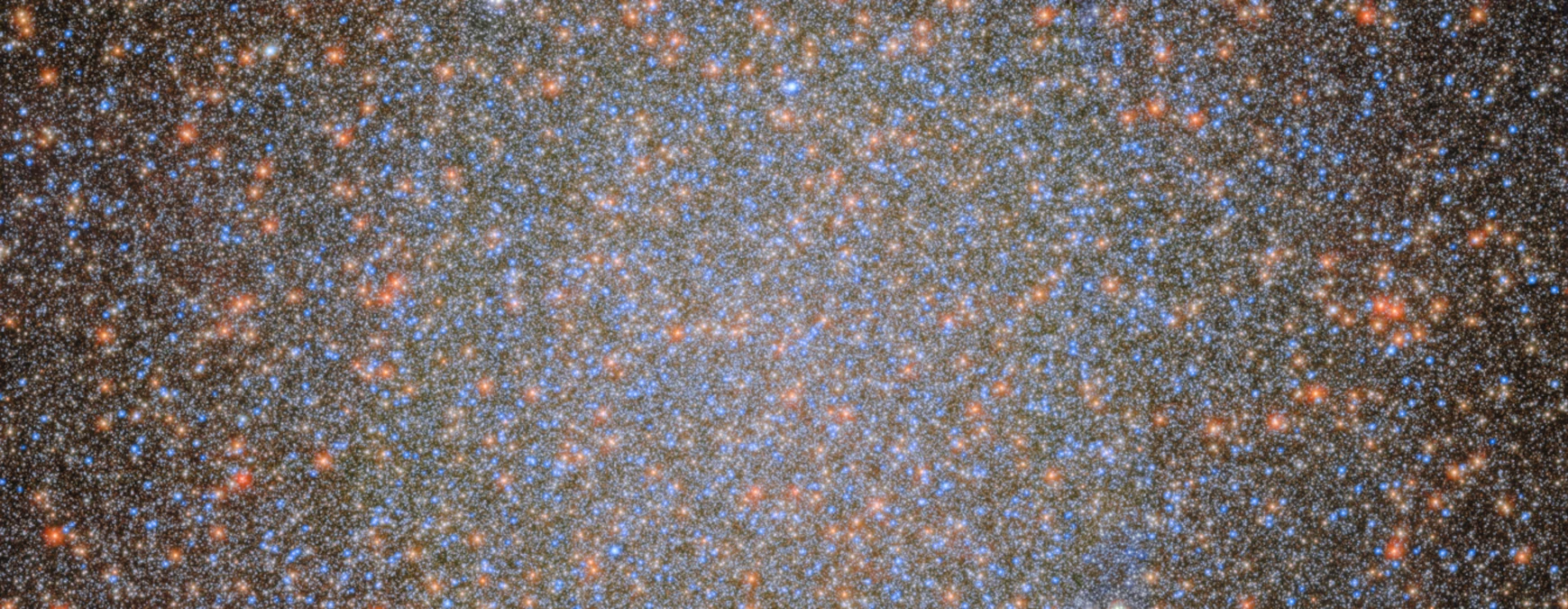
NASA’s Hubble Discovers First of Star Cluster’s Missing Black Holes
The massive globular star cluster Omega Centauri has puzzled astronomers for decades. It should be filled with black holes left behind by exploding stars, yet evidence for them is scarce. Now, astronomers using archival data from NASA’s Hubble Space Telescope and supportive observations from NASA’s James Webb Space Telescope have finally located their first stellar-mass black hole in this cluster. Discovering the first of this missing black hole…
Read More » -
NASA
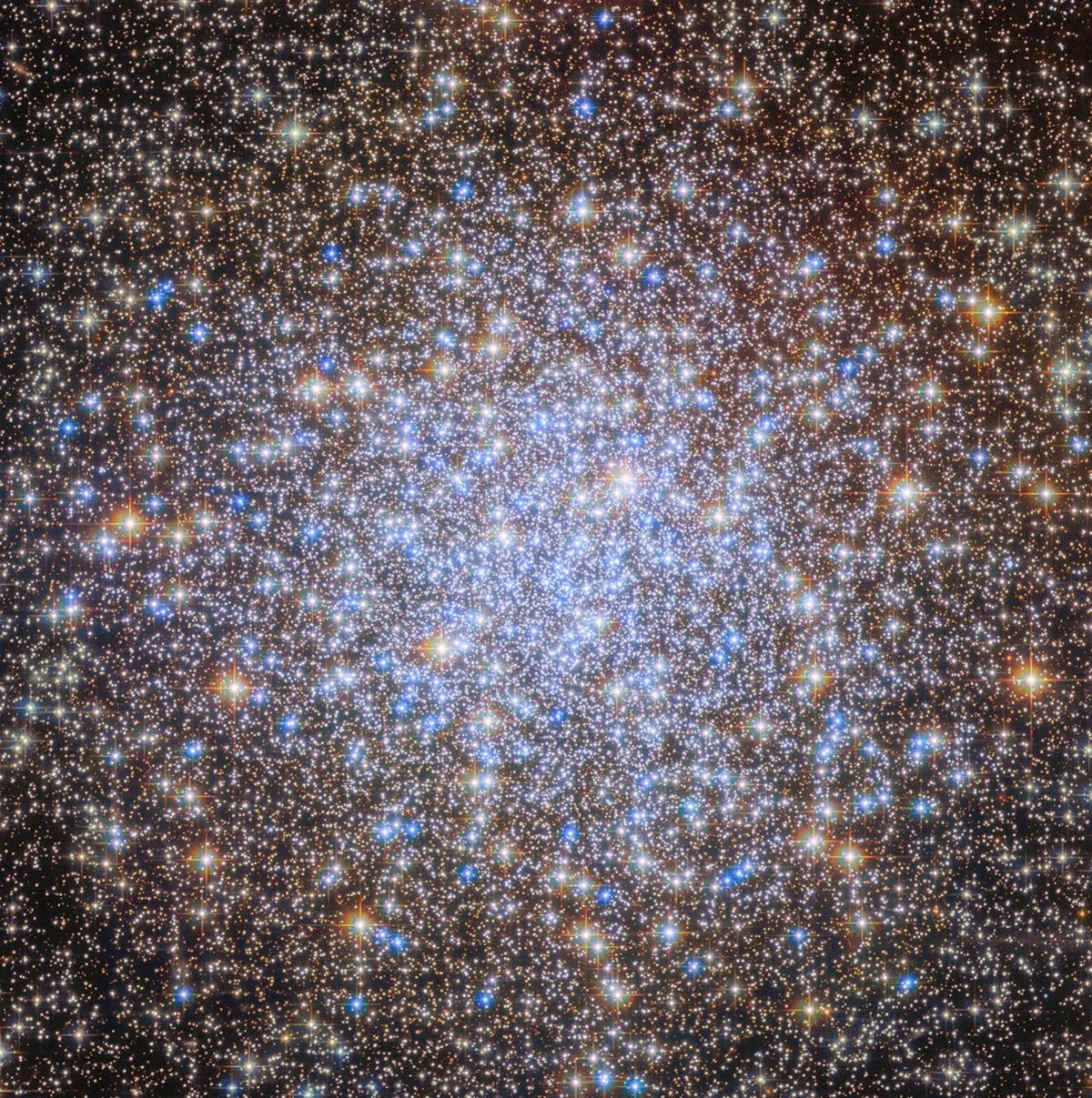
Hubble Spies Starry Chandelier
The subject of today’s NASA/ESA Hubble Space Telescope image is an ancient inhabitant of our galaxy. This sparkling scene features a globular cluster: a collection of tens of thousands to millions of stars, all tightly bound together under the influence of gravity. There are more than 150 globular clusters in our galaxy, though there may be others still undiscovered, hidden from view by dust…
Read More » -
NASA
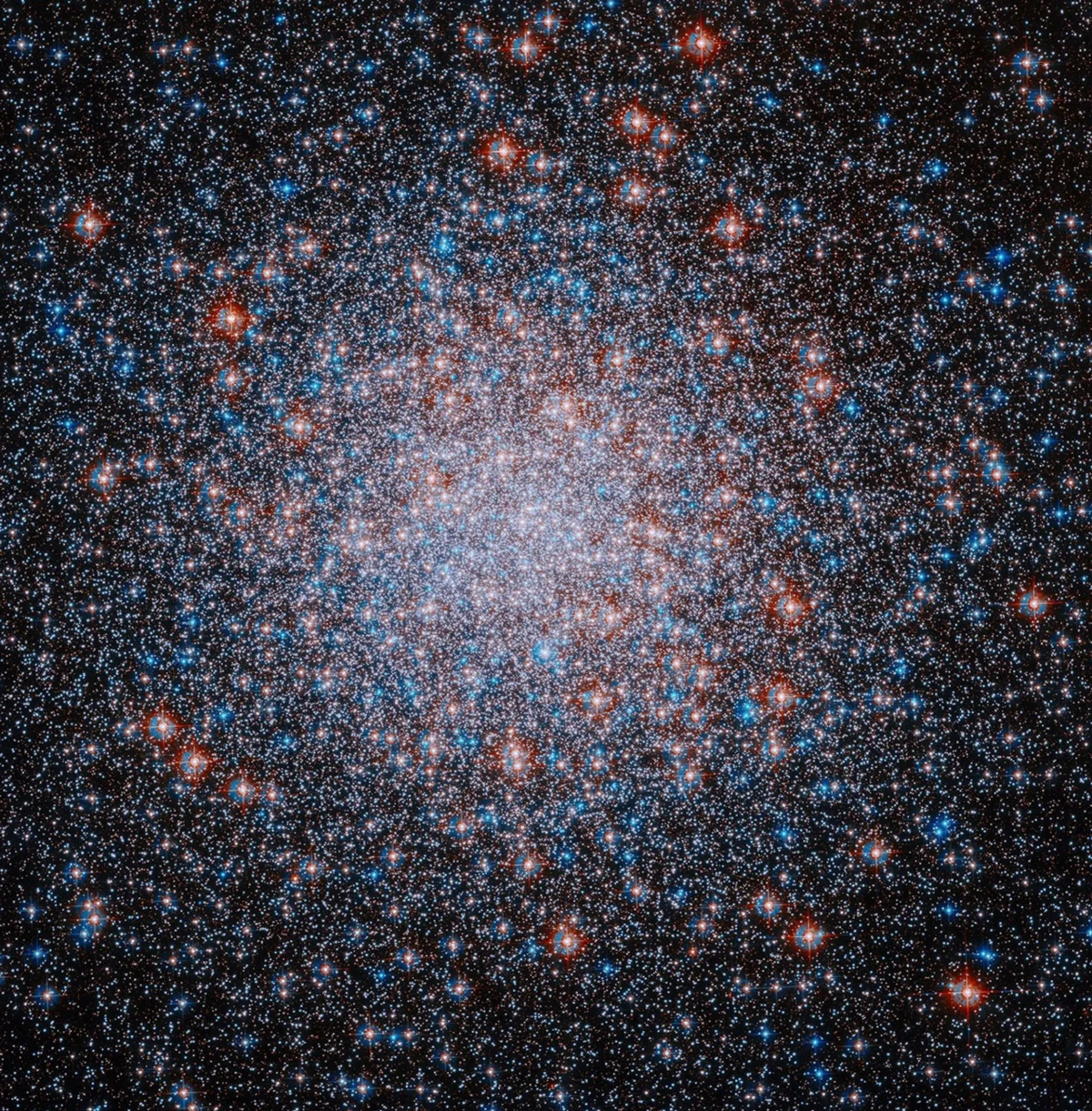
Hubble Captures Star-Studded Cluster
This image from NASA’s Hubble Space Telescope showcases Messier 3 (M3), one of the Milky Way galaxy’s most massive globular clusters, or spherical collections of gravitationally bound stars. Globular clusters are made up of ancient stars that formed at roughly the same time from the same cloud of gas, giving those stars similar ages. Around 150 known globular clusters are sprinkled around the outer regions of…
Read More »