
Hubble
-
NASA
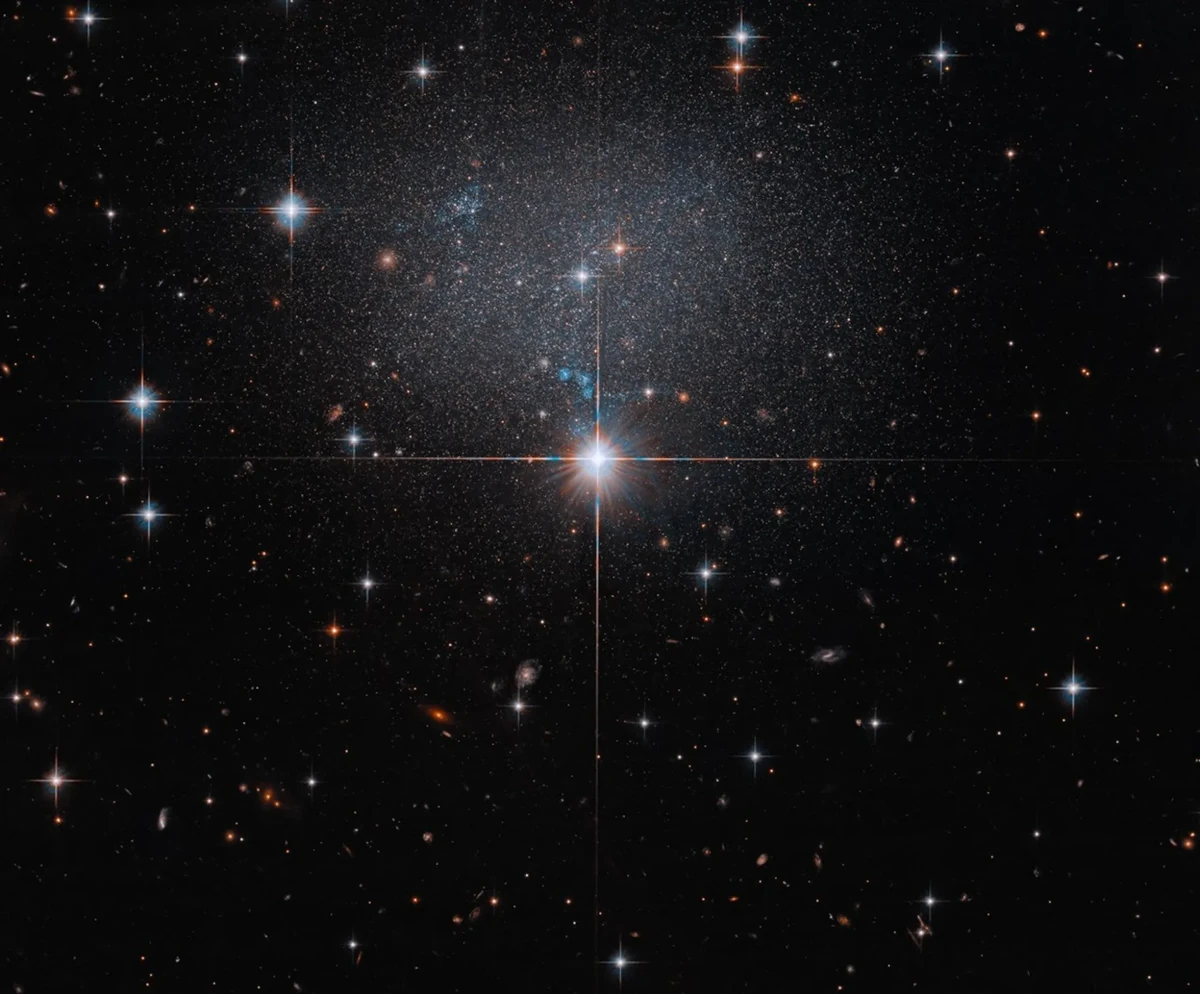
Hubble Spies Faint Irregular Galaxy
This NASA Hubble Space Telescope image released on May 27, 2026, features the dwarf irregular galaxy ESO 490-017, roughly 12,000 light-years in diameter and some 23 million light-years away in the constellation Canis Major. The galaxy’s low surface brightness makes it appear as a faint, starry swarm behind brighter foreground stars that are easily recognized by their diffraction spikes. Numerous red, orange, and beige…
Read More » -
NASA
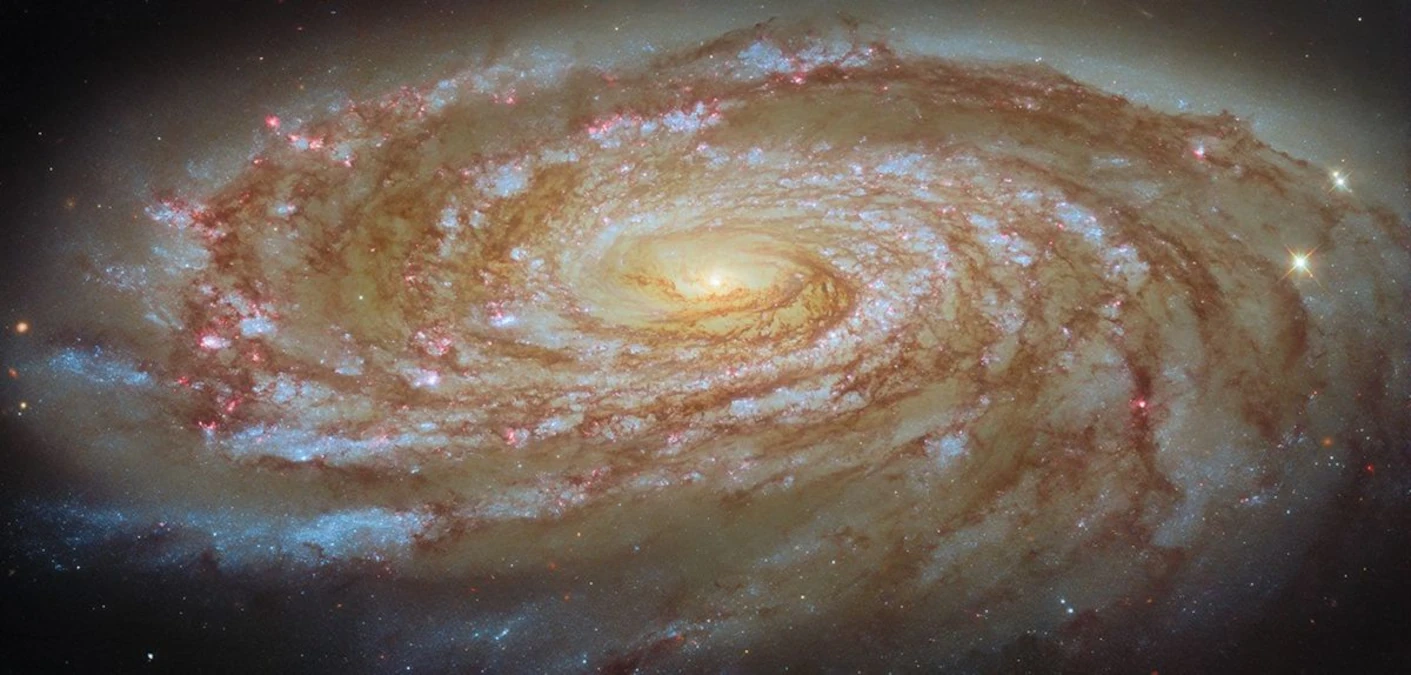
Hubble Captures M88 on Journey to Center of Virgo Cluster
The focus of this NASA/ESA Hubble Space Telescope image is an active spiral galaxy on a journey lasting hundreds of millions of years. The galaxy Messier 88 (M88), also known as NGC 4501, is located about 63 million light-years away in the constellation Coma Berenices (Berenice’s Hair). M88 is an active galaxy, which means that its center harbors a supermassive black hole that is snacking on gas and dust. Astronomers…
Read More » -
NASA
Hubble Spies Faint Irregular Galaxy
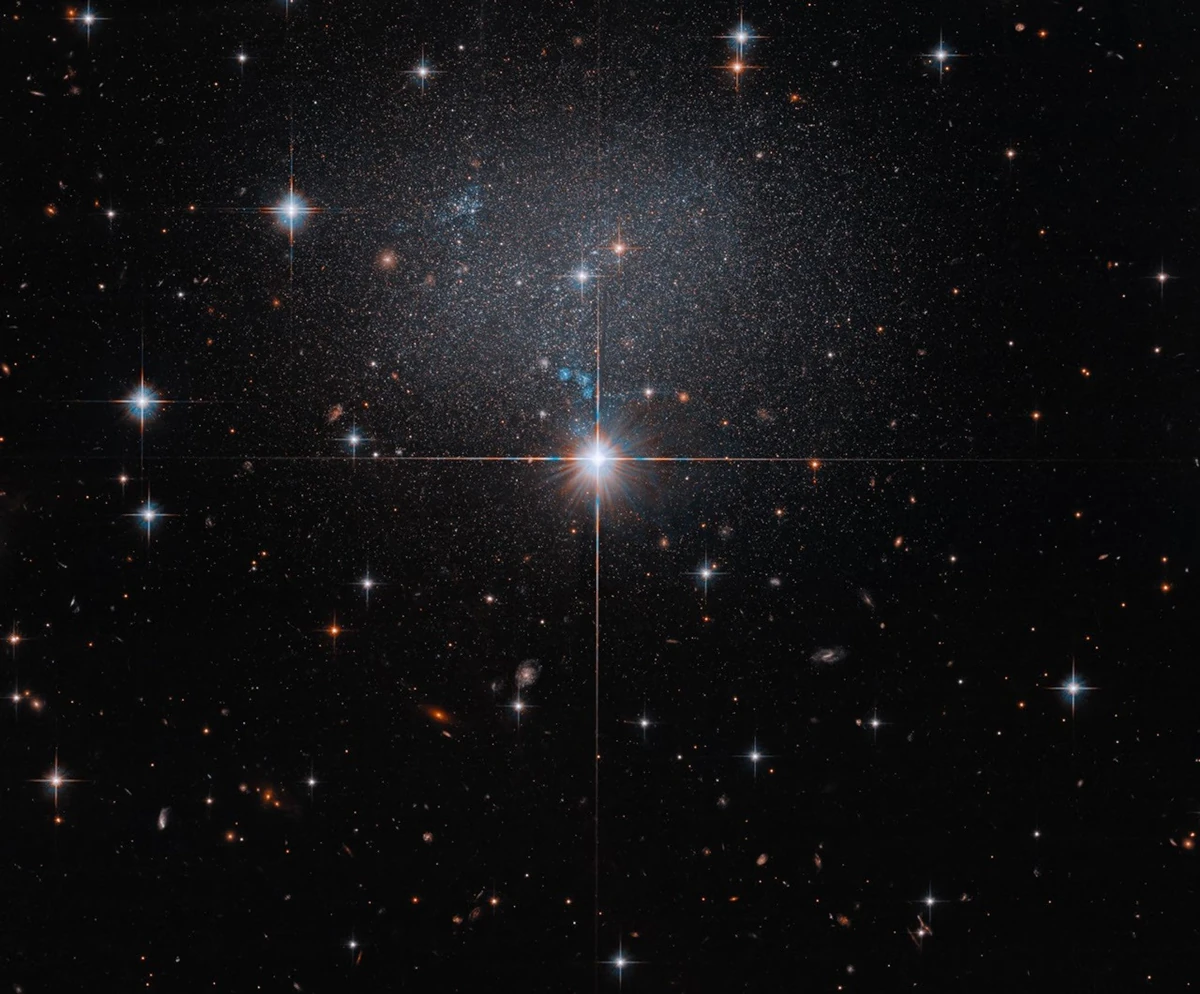
This NASA Hubble Space Telescope image features the dwarf irregular galaxy ESO 490-017, roughly 12,000 light-years in diameter and some 23 million light-years away in the constellation Canis Major. The galaxy’s low surface brightness makes it appear as a faint, starry swarm behind brighter foreground stars that are easily recognized by their diffraction spikes. Numerous red, orange, and beige dots are distant galaxies peppering…
Read More » -
NASA

Hubble Sights Galaxy in Transition
This NASA Hubble Space Telescope image reveals an enigmatic galaxy with a bright center and a face that hints at spiral structure, yet it holds no obvious spiral arms. Reddish-brown clumps and filaments of dust partially obscure the galaxy’s full face, while red, blue, and orange light from distant galaxies shines through its diffuse outer regions and dots the inky-black background. NGC…
Read More » -
NASA
Hubble Sights Galaxy in Transition
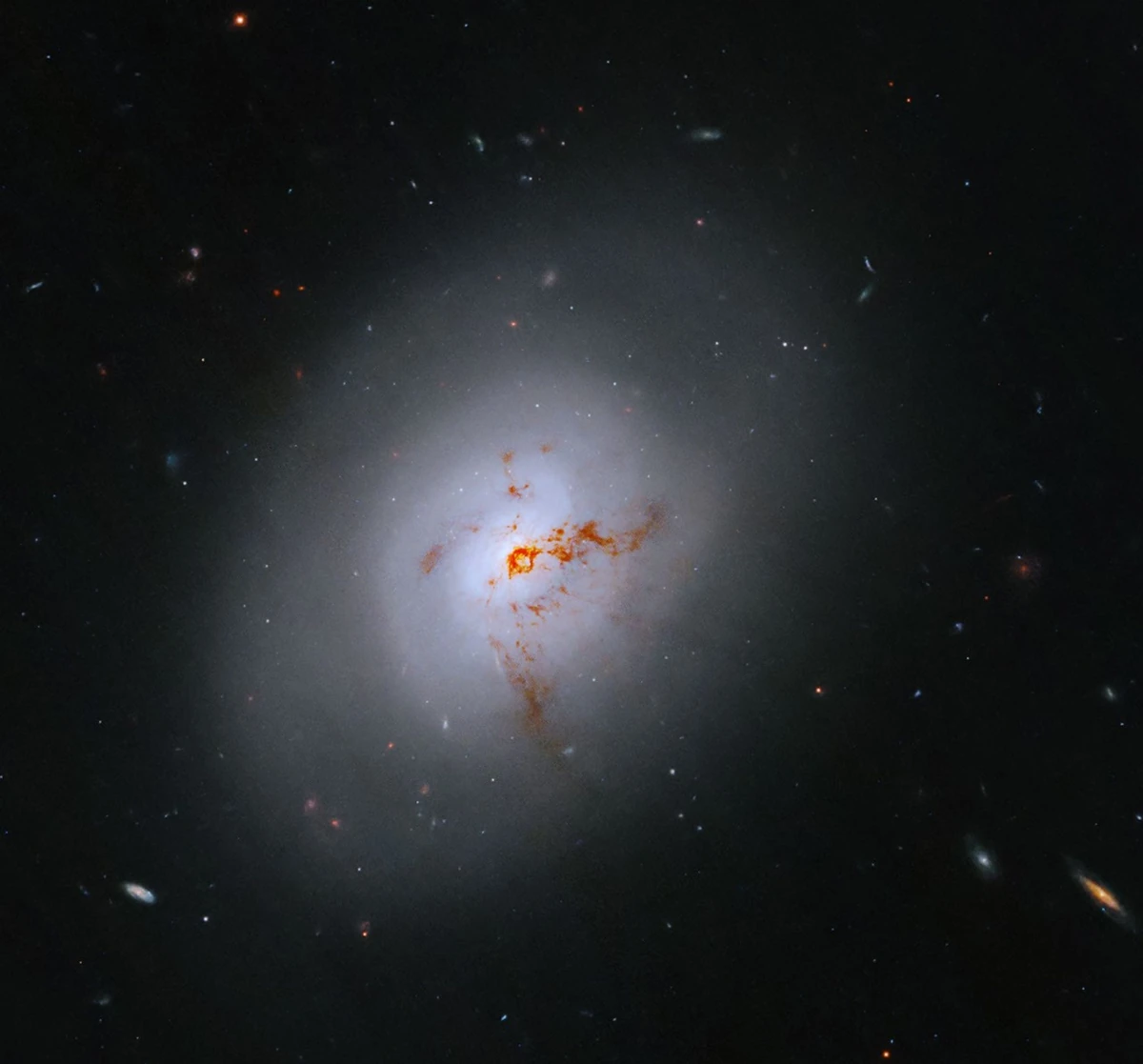
This NASA Hubble Space Telescope image reveals an enigmatic galaxy with a bright center and a face that hints at spiral structure, yet it holds no obvious spiral arms. Reddish-brown clumps and filaments of dust partially obscure the galaxy’s full face, while red, blue, and orange light from distant galaxies shines through its diffuse outer regions and dots the inky-black background. NGC…
Read More » -
NASA
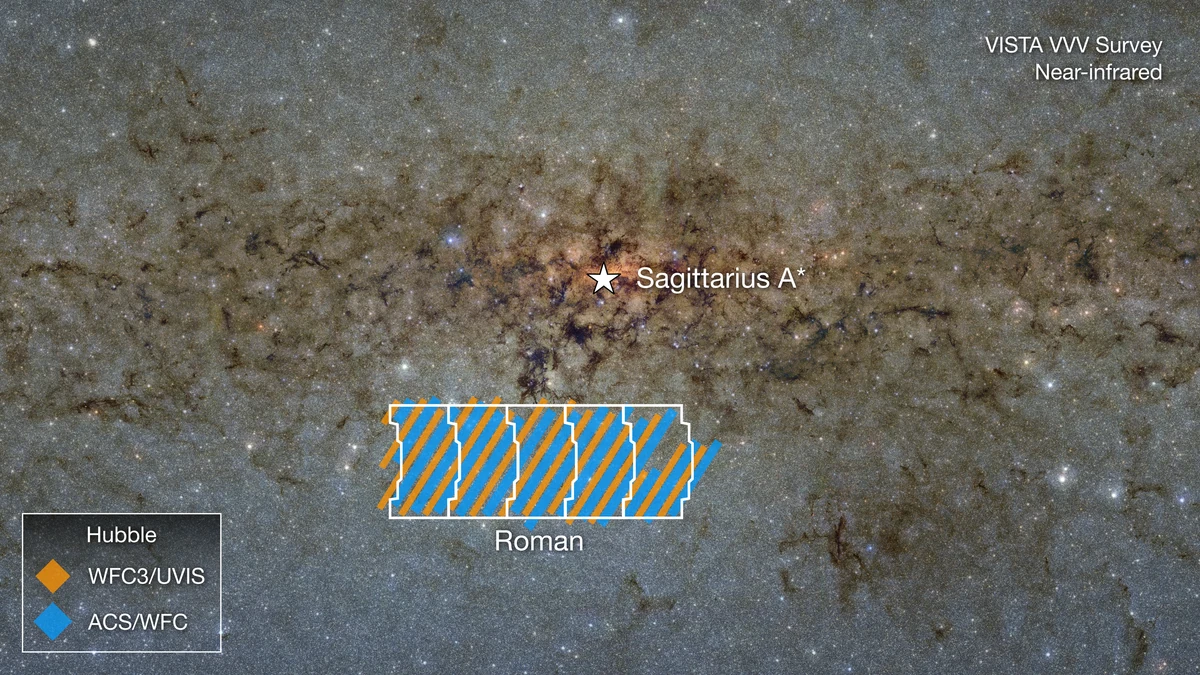
Hubble Survey Sets Up Roman’s Future Look Near Milky Way’s Center
The Milky Way’s galactic bulge, the bulbous region that surrounds the galactic center, contains a dense collection of stars, planets, and other free-floating objects. This region has been studied for decades with numerous ground-based and space-based telescopes, including NASA’s Hubble and James Webb space telescopes. Soon, NASA’s Nancy Grace Roman Space Telescope will be the first to make studying the galactic bulge a part of its core…
Read More » -
NASA
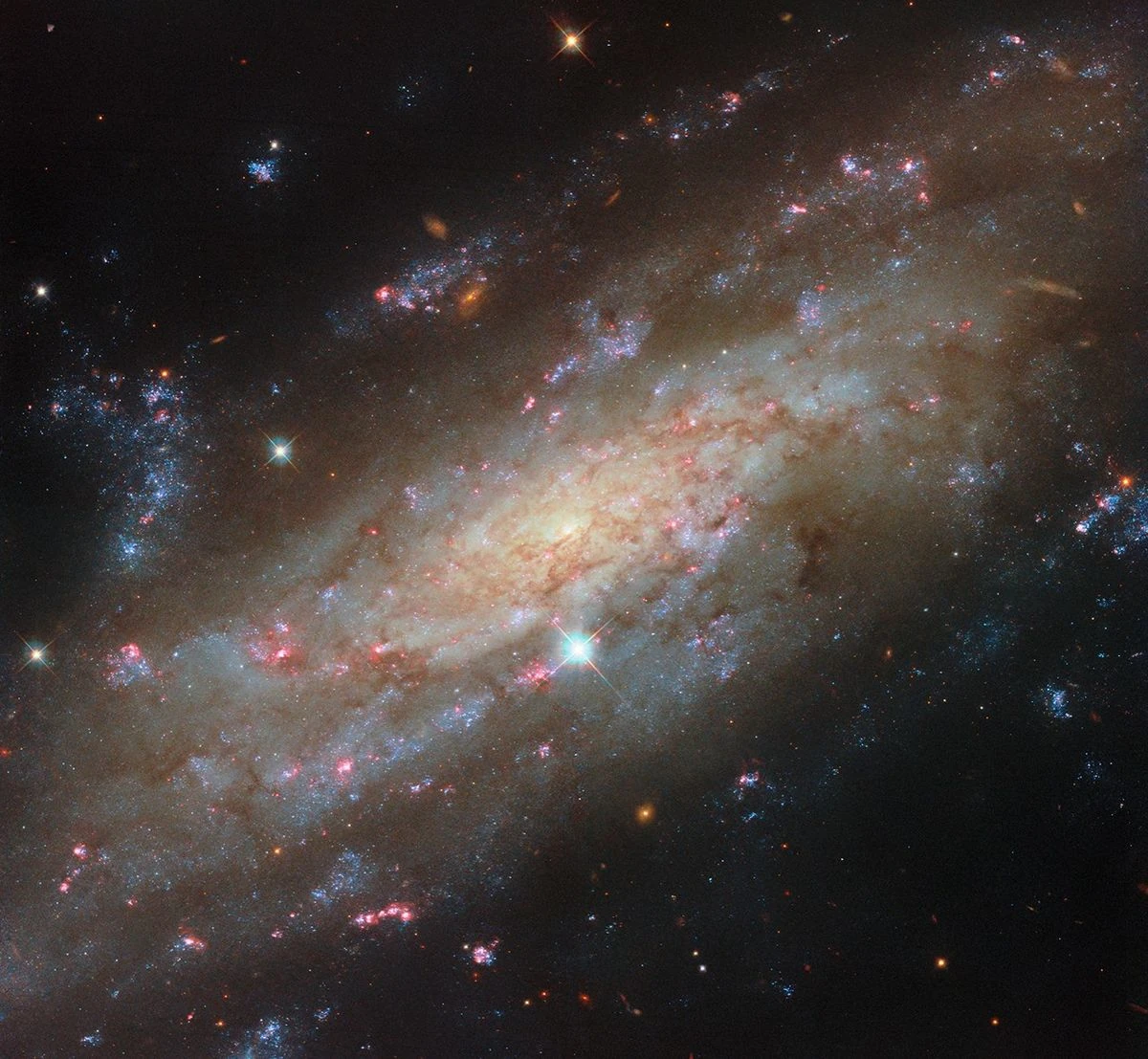
Hubble Spots a Starry Spiral
In this new picture from NASA’s Hubble Space Telescope, a spiral galaxy glittering with star clusters is the center of attention. NGC 3137 is located 53 million light-years away in the constellation Antlia (the Air Pump). As a nearby spiral galaxy, this target offers astronomers an excellent opportunity to study the cycle of stellar birth and death, as well as giving researchers a…
Read More » -
NASA
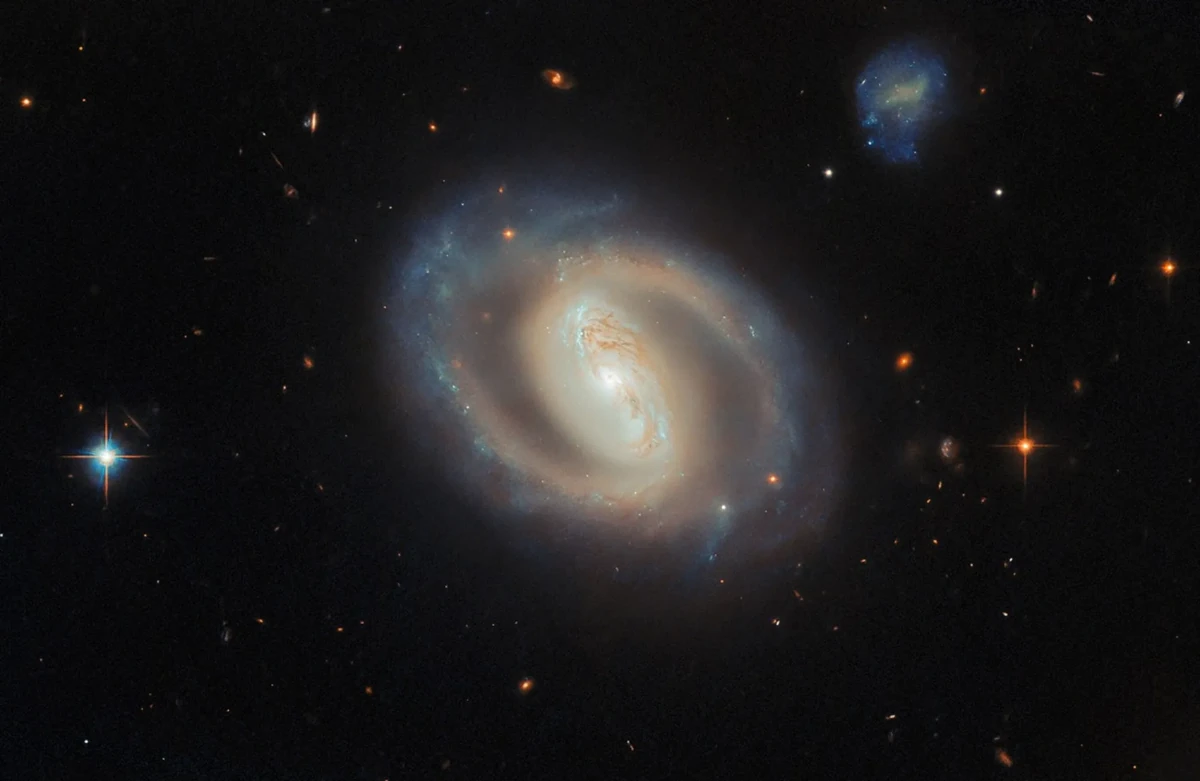
A Gently Glowing Galaxy
A luminous swirl set against the deep black of space, the barred spiral galaxy IC 486 glows with a soft, ethereal light in this NASA Hubble Space Telescope image from April 13, 2026. IC 486 lies right on the edge of the constellation Gemini (the Twins), around 380 million light-years from Earth. Classified as a barred spiral galaxy, it features a bright…
Read More » -
NASA
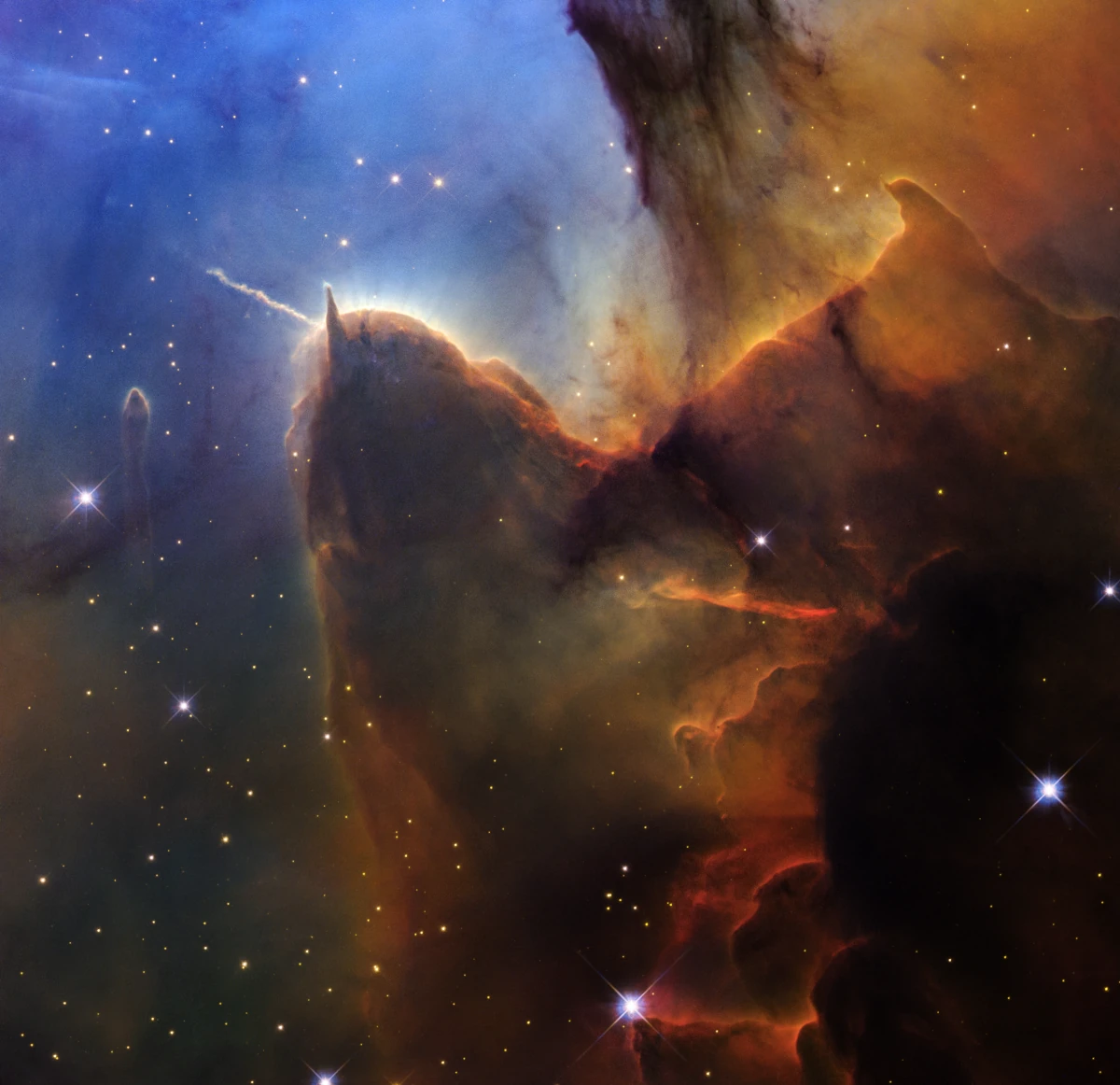
The Day of the Trifid Nebula
This shimmering region of star-formation, a close-up of the Trifid Nebula about 5,000 light-years from Earth, was captured in intricate detail by NASA’s Hubble Space Telescope in an image released on April 20, 2026. The colors in Hubble’s visible light image, which marks the 36th anniversary of the mission’s launch on April 24, are reminiscent of an underwater scene filled with fine-grained sediments fluttering…
Read More » -
NASA
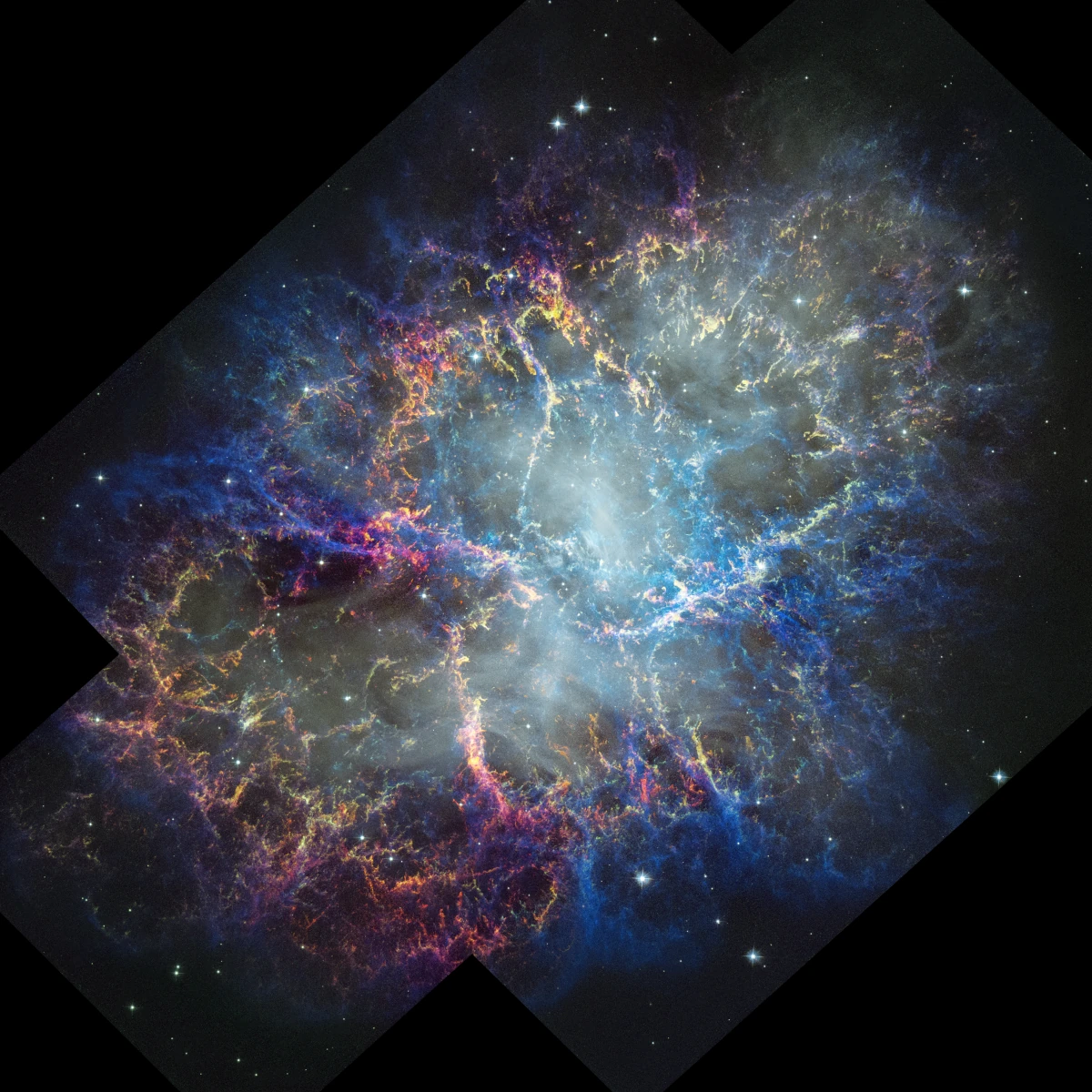
A Fresh Look at the Crab Nebula
This observation from NASA’s Hubble Space Telescope, released on March 23, 2026, gives an unparalleled, detailed look at the aftermath of a supernova and how it has evolved over the telescope’s long lifetime. Hubble captured the nebula’s intricate filamentary structure, as well as the considerable outward movement of those filaments over 25 years, at a pace of 3.4 million miles…
Read More »