
IMAP
-
NASA
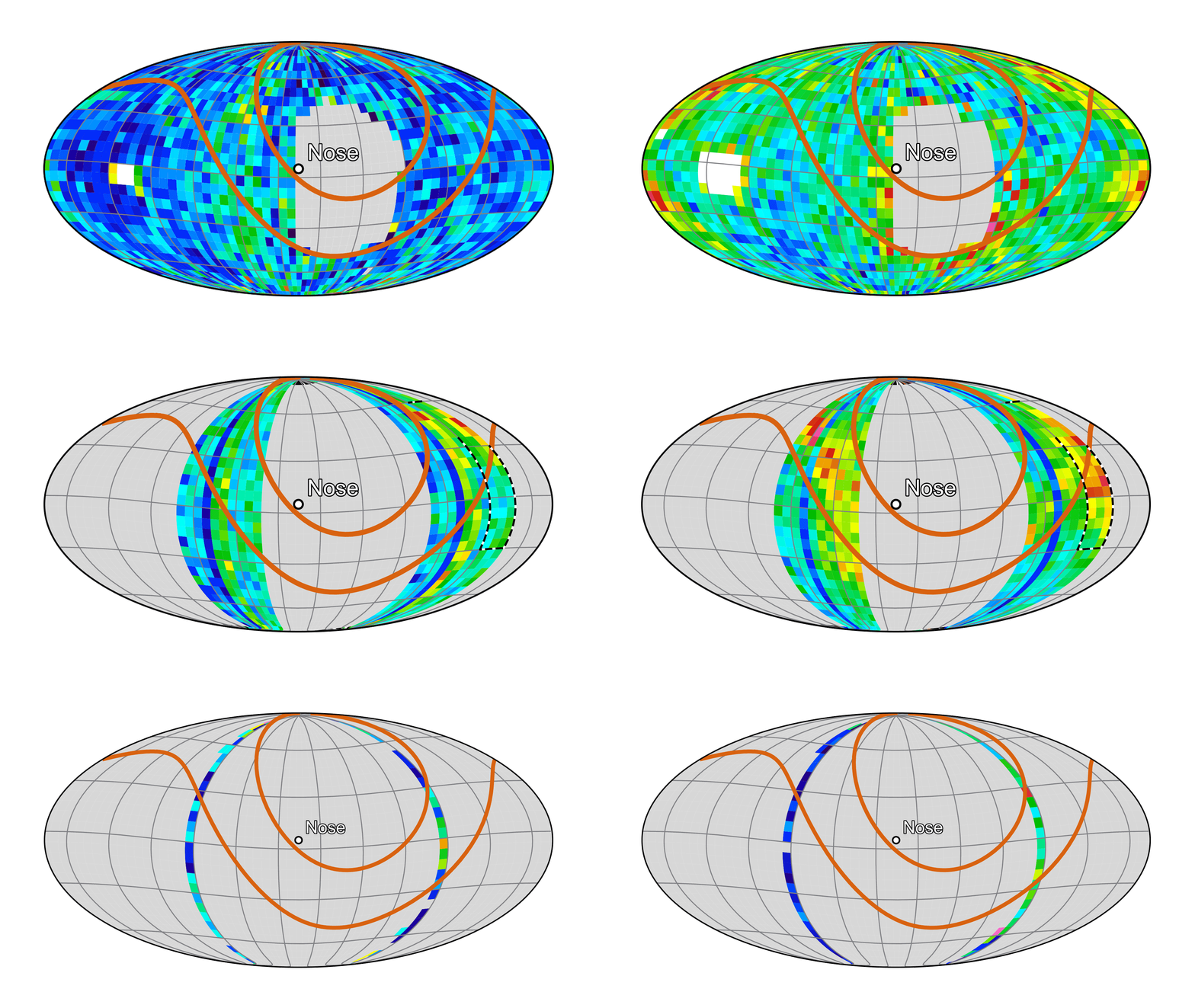
NASA’s IMAP Mission Captures ‘First Light,’ Looks Back at Earth
All 10 instruments aboard NASA’s newly launched IMAP (Interstellar Mapping and Acceleration Probe) mission have successfully recorded their first measurements in space. With these “first light” observations, the spacecraft is now collecting preliminary science data as it journeys to its observational post at Lagrange point 1 (L1), about 1 million miles from Earth toward the Sun. “We are extremely pleased…
Read More » -
NASA
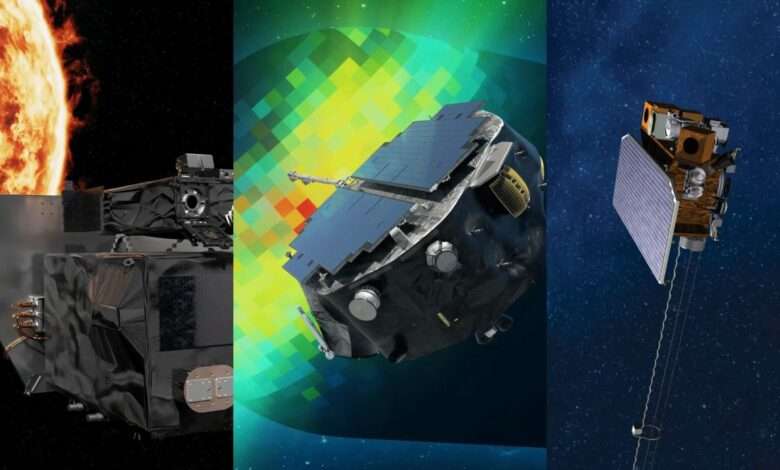
NASA Sets Launch Coverage for Space Weather Missions
NASA will provide live coverage of prelaunch and launch activities for an observatory designed to study space weather and explore and map the boundaries of our solar neighborhood. Launching with IMAP (Interstellar Mapping and Acceleration Probe) are two rideshare missions, NASA’s Carruthers Geocorona Observatory and the National Oceanic and Atmospheric Administration’s (NOAA) Space Weather Follow On-Lagrange 1 (SWFO-L1), both of…
Read More » -
NASA
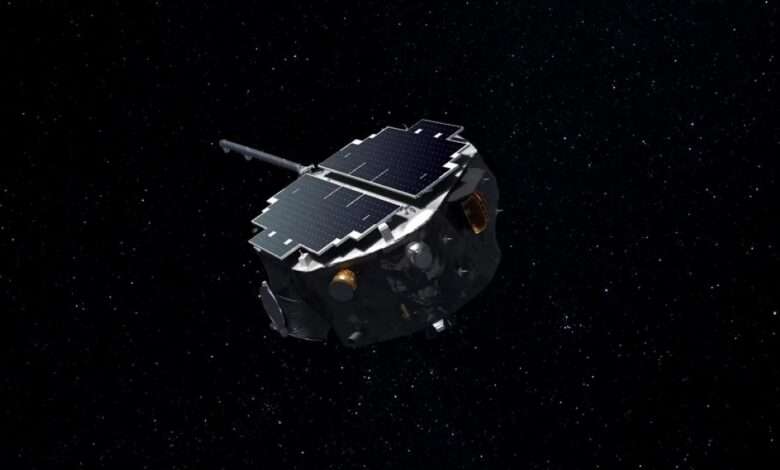
NASA Invites Media to Learn About New Missions to Map Sun’s Influence
NASA will hold a media teleconference at 12 p.m. EDT on Thursday, Sept. 4, to discuss the agency’s upcoming Sun and space weather missions, IMAP (Interstellar Mapping and Acceleration Probe) and Carruthers Geocorona Observatory. The two missions are targeting launch on the same rocket no earlier than Tuesday, Sept. 23. The IMAP mission will map the boundaries of our heliosphere, the vast…
Read More » -
NASA
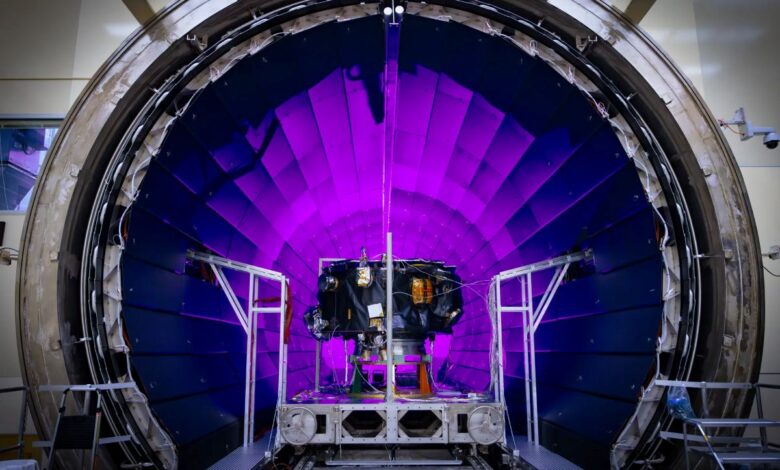
NASA’s IMAP Arrives at NASA Marshall For Testing in XRCF
On March 18, NASA’s IMAP (Interstellar Mapping and Acceleration Probe) arrived at NASA’s Marshall Space Flight Center in Huntsville, Alabama, for thermal vacuum testing at the X-ray and Cryogenic Facility, which simulates the harsh conditions of space. The IMAP mission is a modern-day celestial cartographer that will map the solar system by studying the heliosphere, a giant bubble created by the…
Read More » -
NASA

NASA Selects Proposals to Further Study the Fundamental Nature of Space
NASA has selected two proposals for concept studies that could help us better understand the fundamental nature of space and how it changes in response to planetary atmospheres, radiation from the Sun, and interstellar particles. The proposals will advance NASA’s heliophysics program and could lead to better protection for both technology and humans as we travel farther from home. Each of these…
Read More »