
Ionosphere
-
NASA
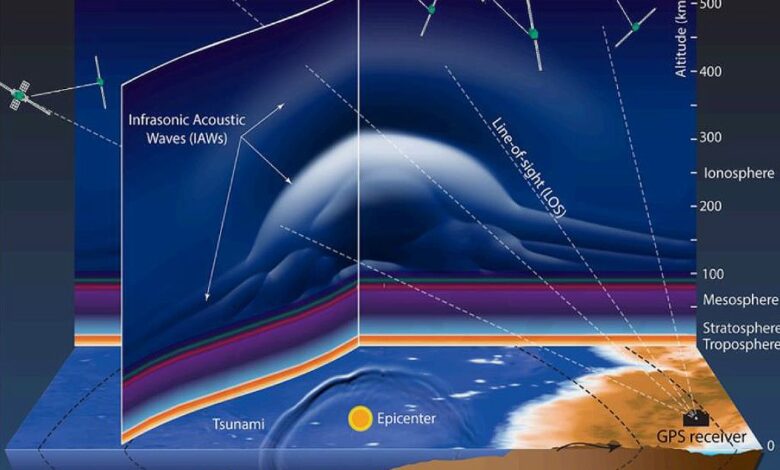
PULSAR: Planetary pULSe-tAkeR
Marco QuadrelliNASA Jet Propulsion Laboratory There is a strong coupling mechanism between the lithosphere, ionosphere, magnetosphere, atmosphere, and the plasmasphere of many planetary bodies. For example, the ionosphere has been shown to respond to space weather events induced by Solar activity, as well as to atmospheric events, and events in the surface and interior of a planet. PULSAR (Planetary pULSe-tAkeR)…
Read More » -
NASA
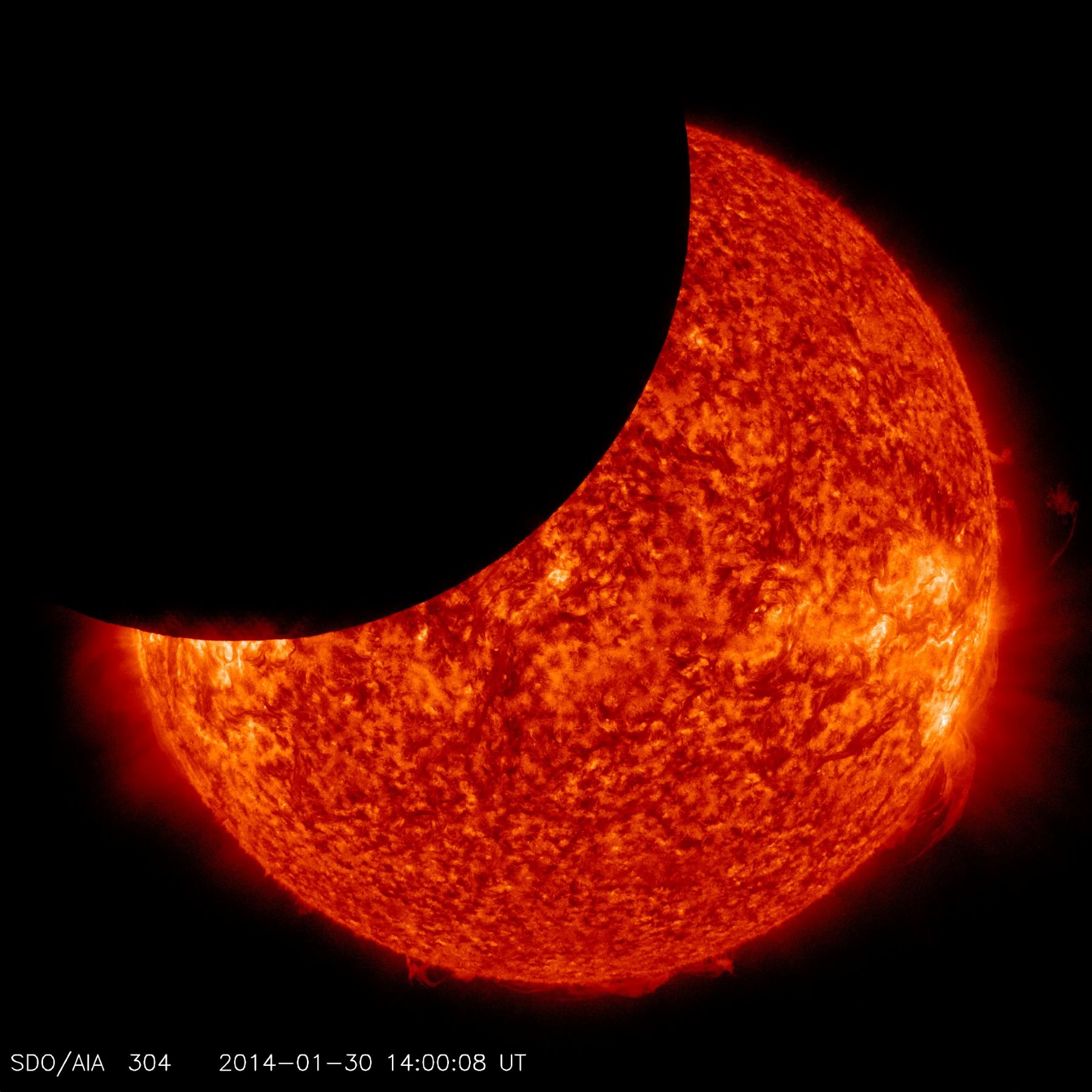
Harnessing the 2024 Eclipse for Ionospheric Discovery with HamSCI
As the total solar eclipse on April 8, 2024, draws closer, a vibrant community of enthusiastic amateur radio operators, known as “hams,” is gearing up for an exciting project with the Ham Radio Science Citizen Investigation (HamSCI) group. Our goal is clear and ambitious: to use the Moon’s shadow as a natural laboratory to uncover the intricacies of the ionosphere, a layer of…
Read More » -
NASA
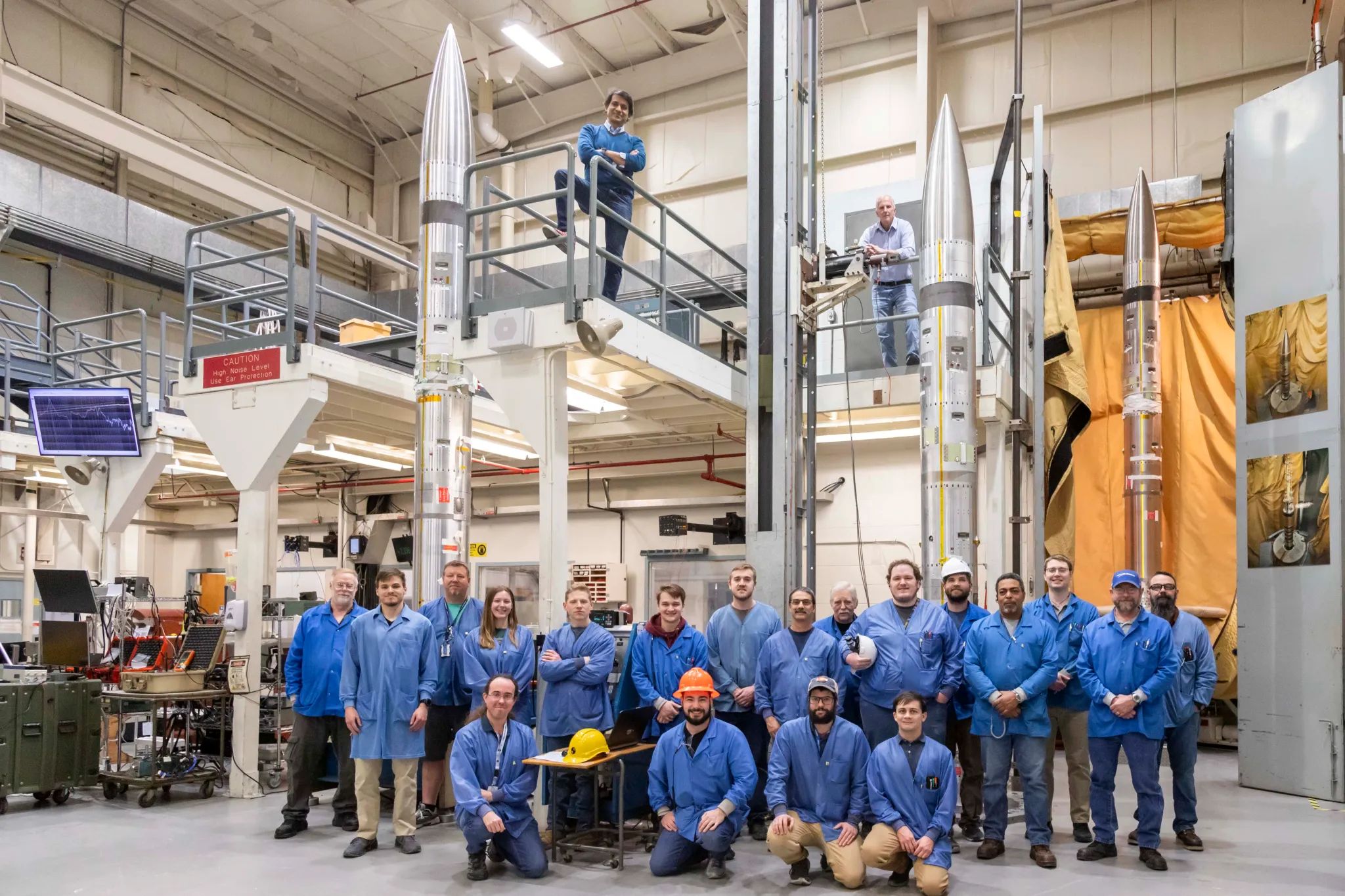
NASA to Launch Sounding Rockets into Moon’s Shadow During Solar Eclipse
NASA will launch three sounding rockets during the total solar eclipse on April 8, 2024, to study how Earth’s upper atmosphere is affected when sunlight momentarily dims over a portion of the planet. The Atmospheric Perturbations around Eclipse Path (APEP) sounding rockets will launch from NASA’s Wallops Flight Facility in Virginia to study the disturbances in the ionosphere created when the Moon…
Read More » -
NASA

NASA Previews Mission to Study Frontier of Space
NASA will host a media briefing at 1 p.m. EDT Monday, June 4, on the agency’s mission to explore Earth’s ionosphere and the processes there that impact life on Earth’s surface. The event will air live on NASA Television, the agency’s website and Facebook Live. Ionospheric Connection Explorer (ICON) will study the layer of charged particles extending from about 50 to 360 miles…
Read More »