
James Webb Space Telescope
-
NASA
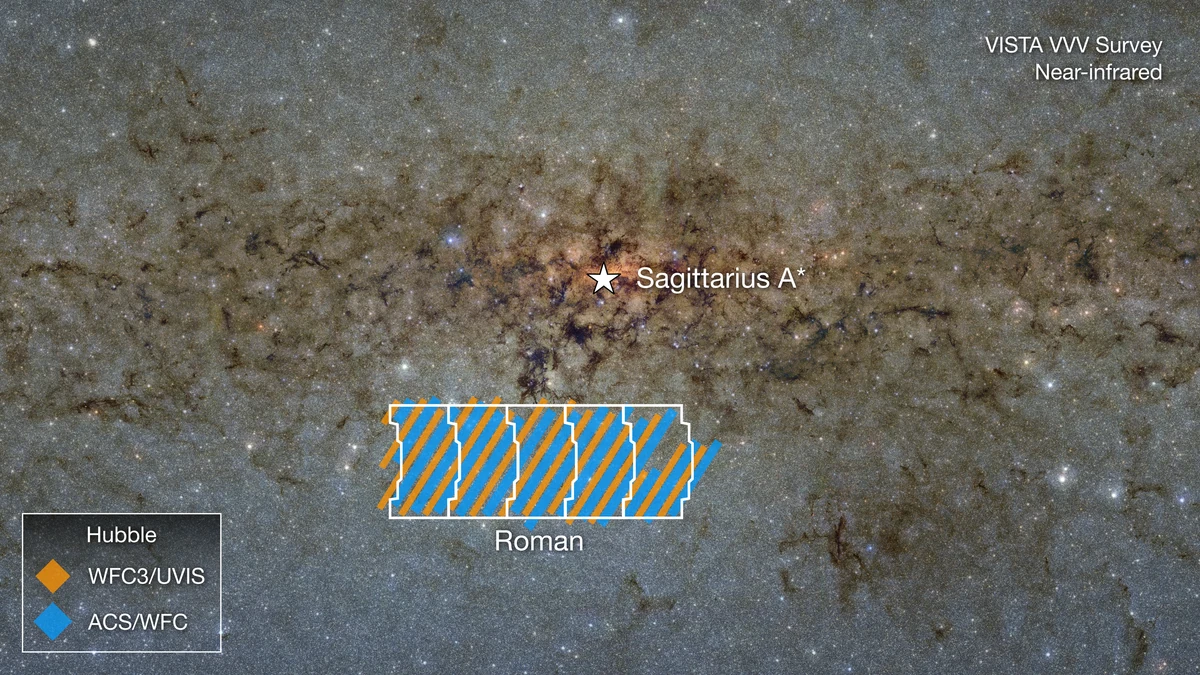
Hubble Survey Sets Up Roman’s Future Look Near Milky Way’s Center
The Milky Way’s galactic bulge, the bulbous region that surrounds the galactic center, contains a dense collection of stars, planets, and other free-floating objects. This region has been studied for decades with numerous ground-based and space-based telescopes, including NASA’s Hubble and James Webb space telescopes. Soon, NASA’s Nancy Grace Roman Space Telescope will be the first to make studying the galactic bulge a part of its core…
Read More » -
NASA
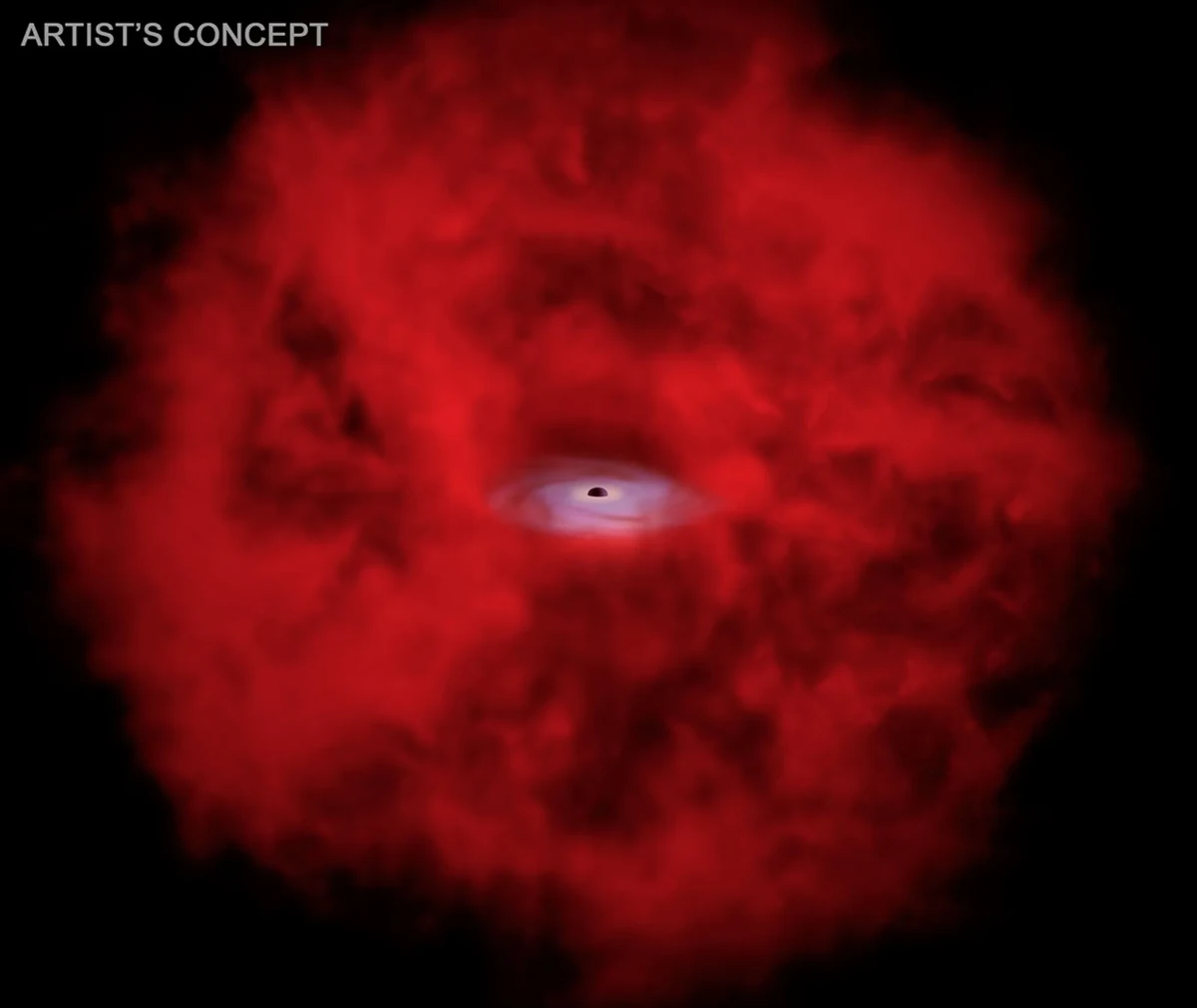
Unlocking the Mystery of X-ray Dots
A new “X-ray dot” found by NASA’s Chandra X-ray Observatory – which could look like this artist’s illustration released on April 28, 2026 – could explain what the hundreds or potentially thousands of these objects are. Shortly after NASA’s James Webb Space Telescope started its science observations, reports of a new class of mysterious objects emerged. Astronomers found small, red…
Read More » -
NASA
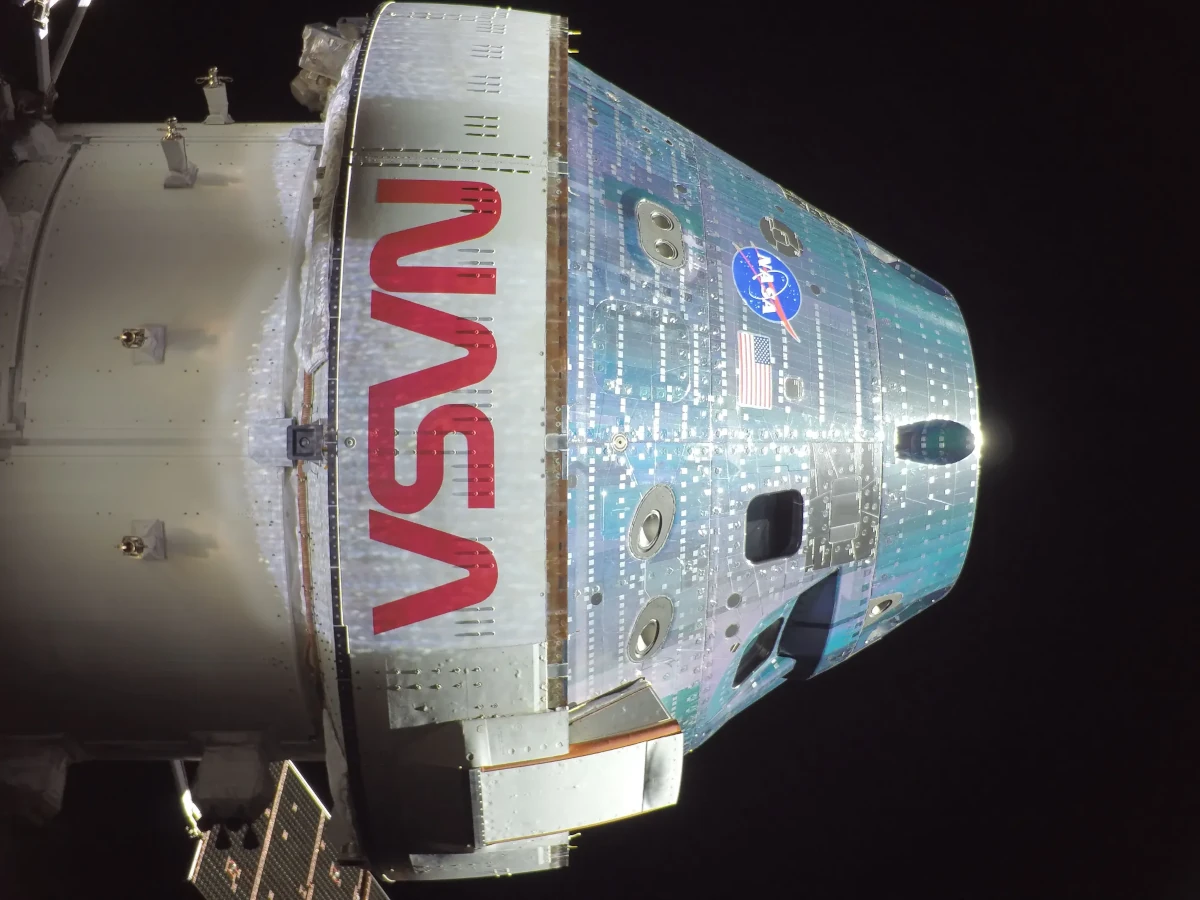
Space Out This Summer with Variety of NASA STEM Activities
Summer is “Go” for launch, and NASA has a universe of ways to help you to jump in, explore, and create! Whether you prefer to spend this season fueling your creativity, going outdoors into nature, or daydreaming about your future, NASA offers ways to take your interests to the next level. Here are some opportunities to level up your skills…
Read More » -
NASA
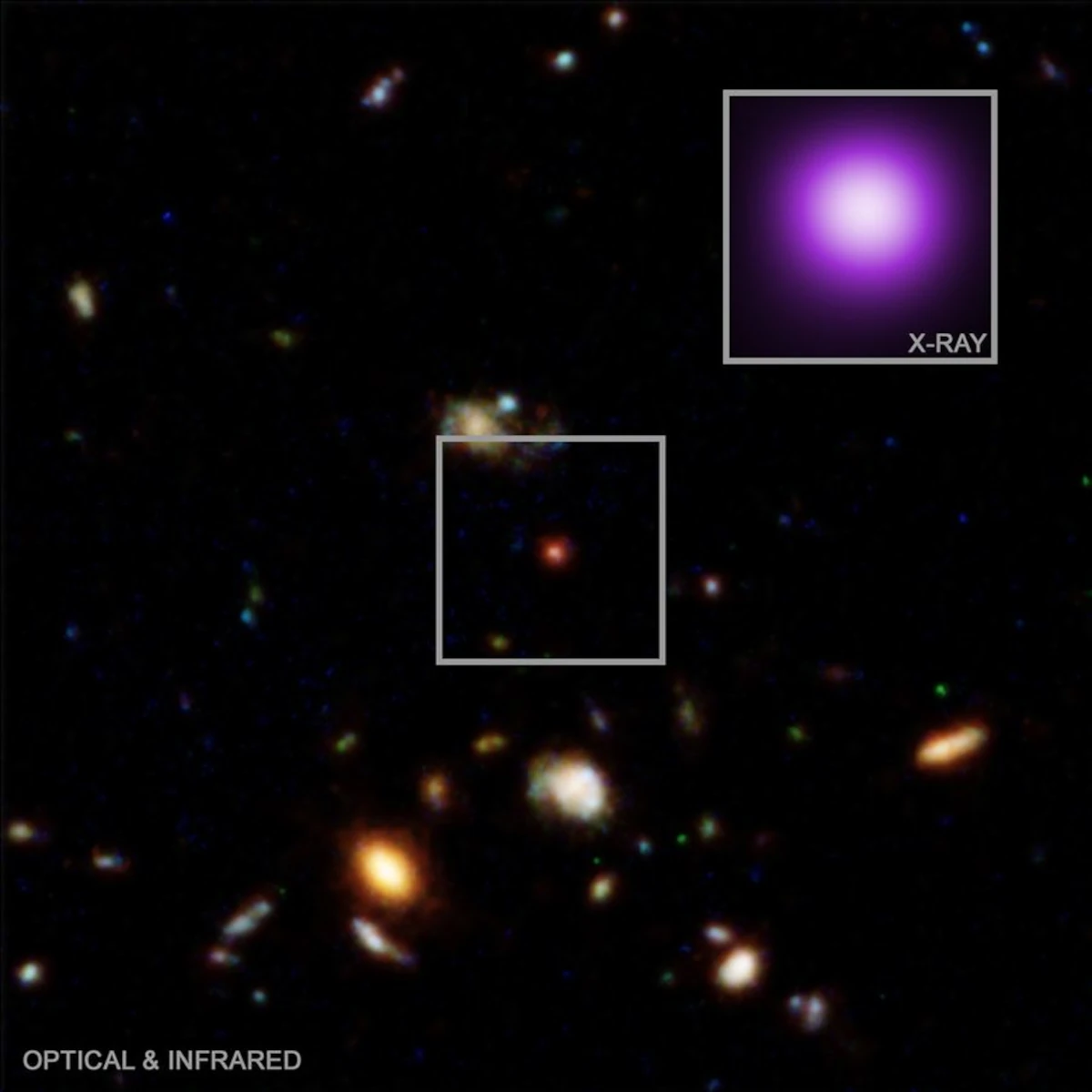
NASA Connects Little Red Dots with Chandra, Webb
A newly discovered object may be a key to unlocking the true nature of a mysterious class of sources that astronomers have found in the early universe in recent years. A “X-ray dot” found by NASA’s Chandra X-ray Observatory could explain what the hundreds or potentially thousands of these objects are. A paper describing the results published in The Astrophysical…
Read More » -
NASA
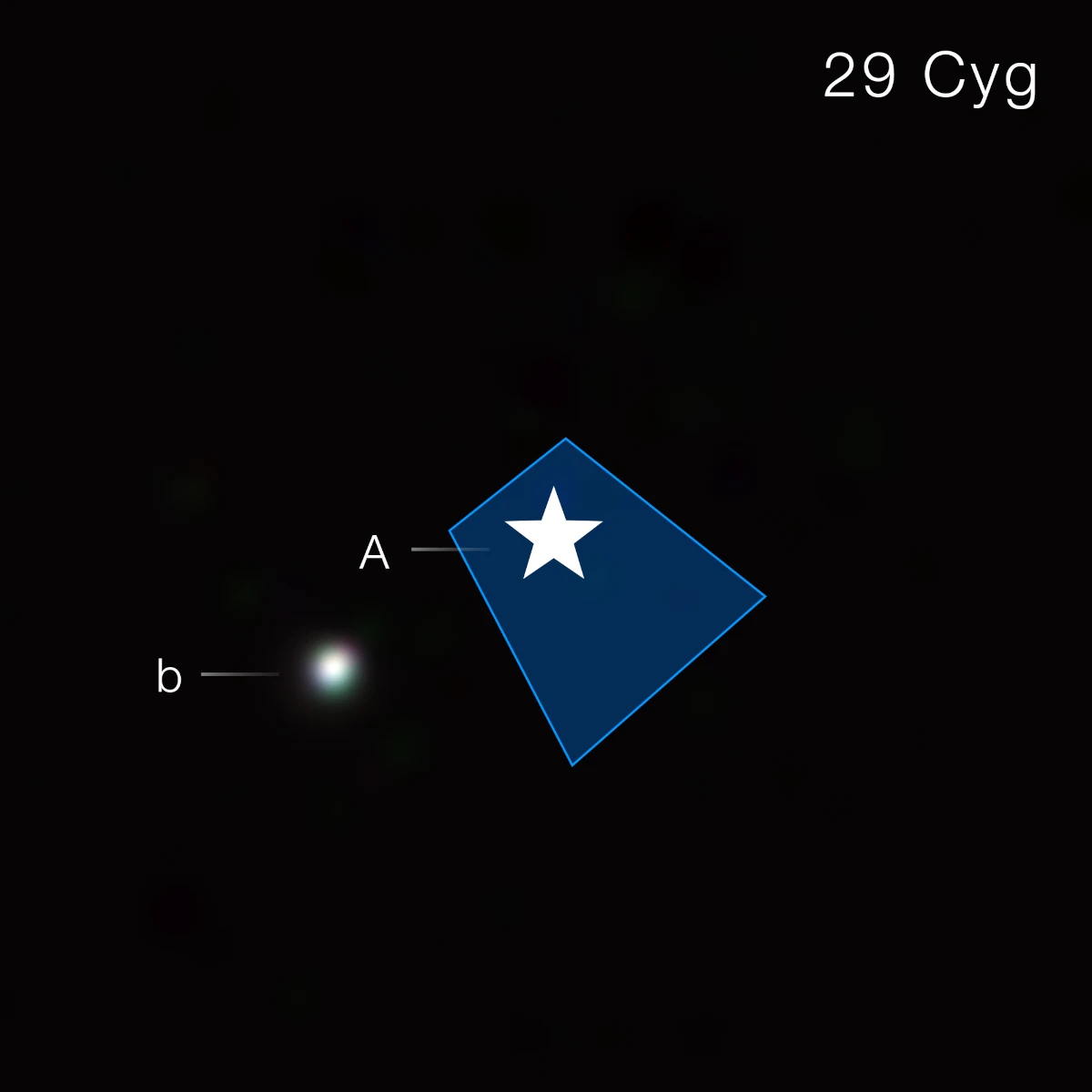
NASA’s Webb Redefines Dividing Line Between Planets, Stars
Planets, like those in our solar system, form in a bottom-up process where small bits of rock and ice clump together and grow larger over time. But the heftier the planet, the harder it is to explain its formation that way. Astronomers used NASA’s James Webb Space Telescope to examine 29 Cygni b, an object about 15 times as massive…
Read More » -
Markets
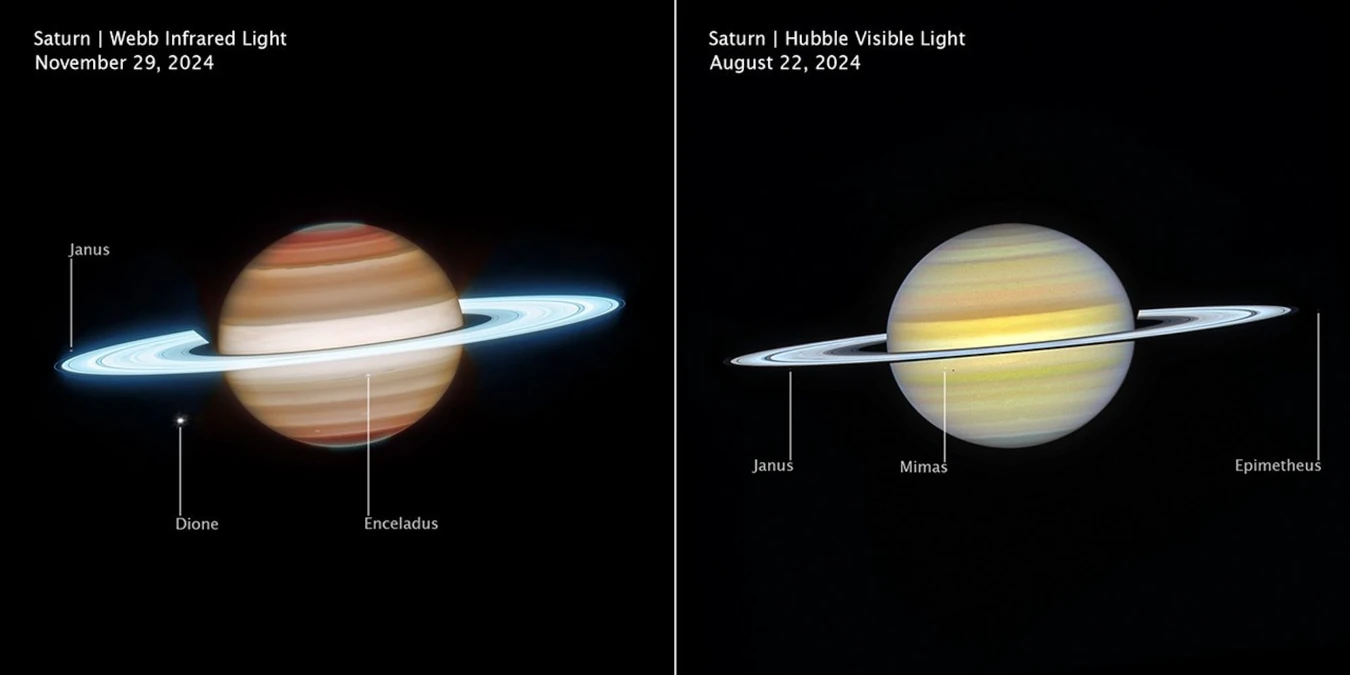
NASA Webb, Hubble Share Most Comprehensive View of Saturn to Date
NASA’s James Webb Space Telescope and Hubble Space Telescope have teamed up to capture new views of Saturn, revealing the planet in strikingly different ways. Observing in complementary wavelengths of light, the two space observatories provide scientists with a richer, more layered understanding of the gas giant’s atmosphere. Both sense sunlight reflected from Saturn’s banded clouds and hazes, but where…
Read More » -
NASA
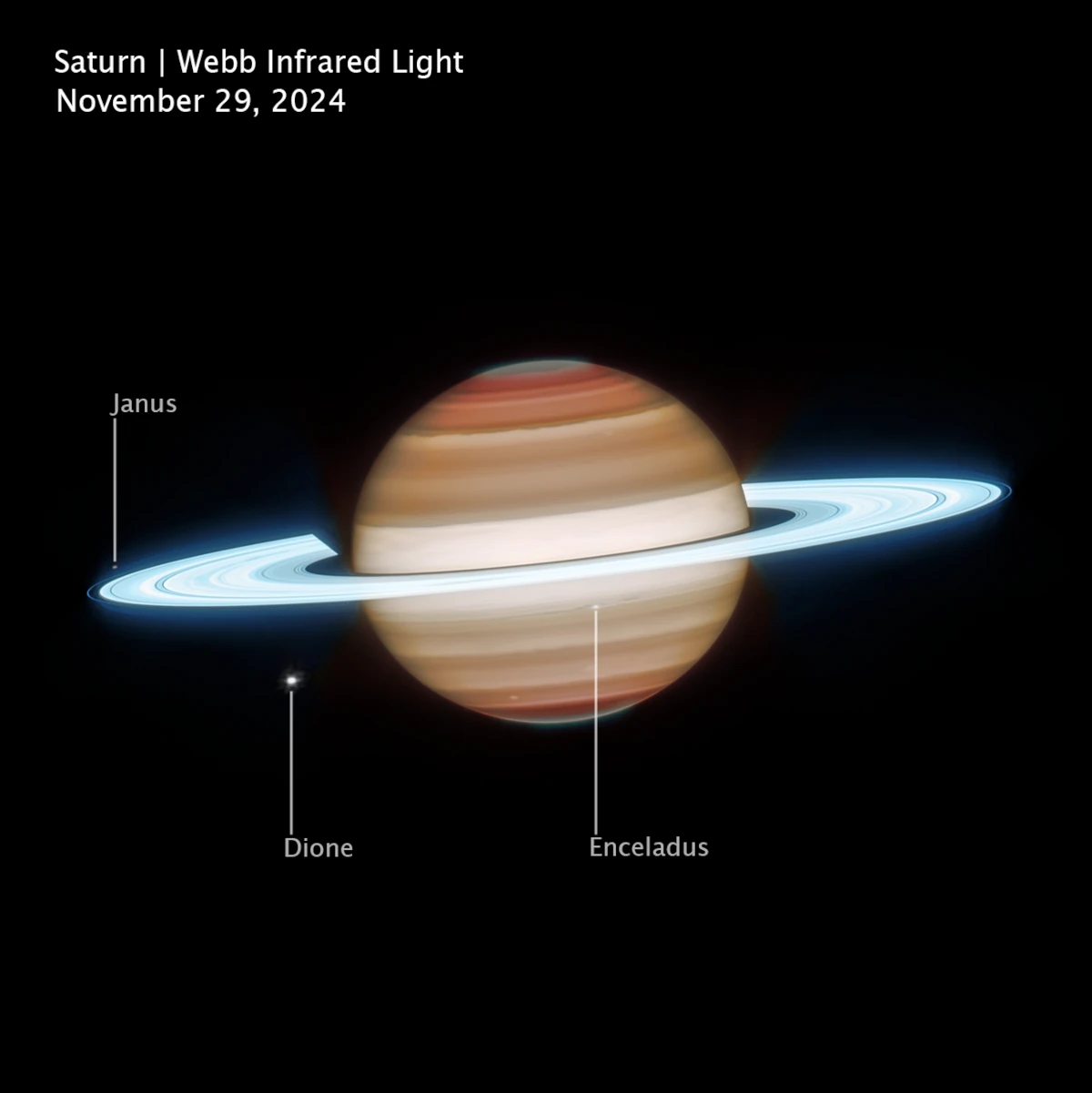
Webb Captures Saturn in Infrared
Saturn’s icy rings glow in this infrared view from NASA’s James Webb Space Telescope released on March 25, 2026. Combining this image with another that NASA’s Hubble Space Telescope captured – also released on the same day – provides scientists with a richer, more layered understanding of the gas giant’s atmosphere. In Webb’s infrared image, the rings are extremely bright because they…
Read More » -
NASA
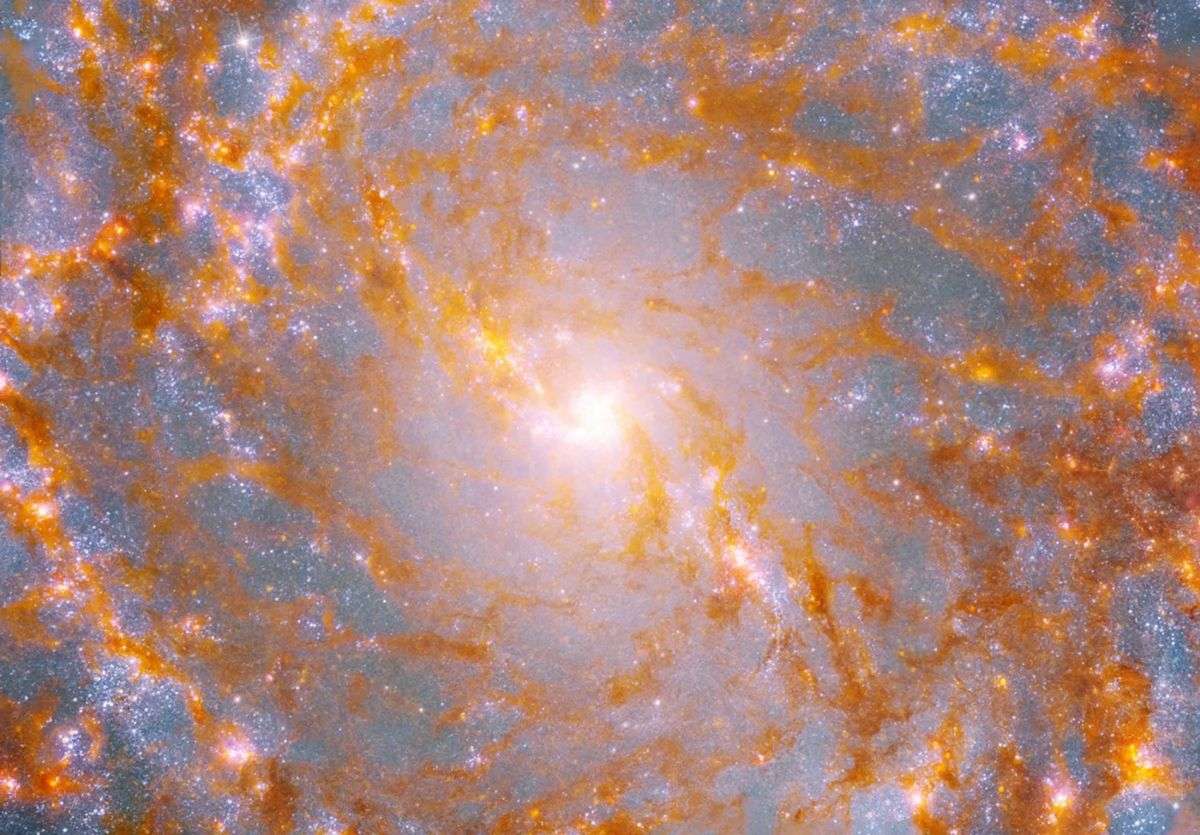
NASA’s Hubble, Webb Telescopes Survey Pinwheel Galaxy
This March 16, 2026, image from NASA’s Hubble Space Telescope and the James Webb Space Telescope takes a closer look at the core of Messier 101, also known as the Pinwheel Galaxy. At 25 million light-years away, M101 is one of the closest “face-on” spiral galaxies to us. With that in mind, Hubble’s ultraviolet, visible, and near-infrared data were taken…
Read More » -
NASA
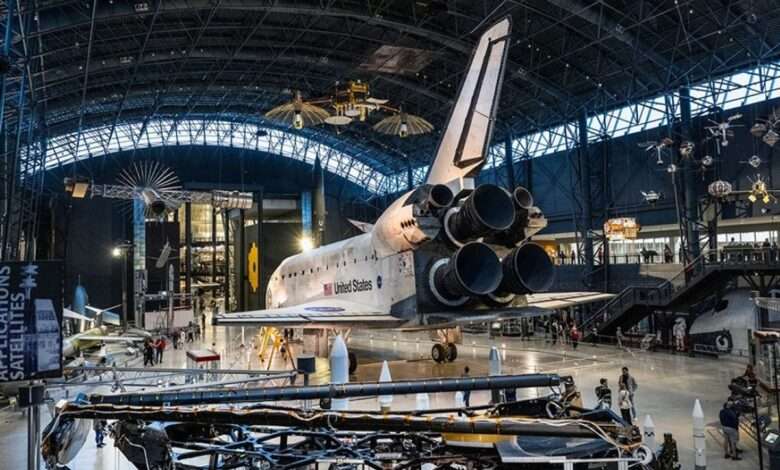
Artifacts From NASA’s Webb, Parker Solar Probe on View at Smithsonian
A testing replica of the “backbone” of NASA’s James Webb Space Telescope and a full-scale model of the agency’s Parker Solar Probe are now on permanent display at the Smithsonian’s National Air and Space Museum, Steven F. Udvar-Hazy Center in Chantilly, Virginia. “From touching the Sun with Parker Solar Probe to creating humanity’s most powerful window into the cosmos with…
Read More » -
NASA
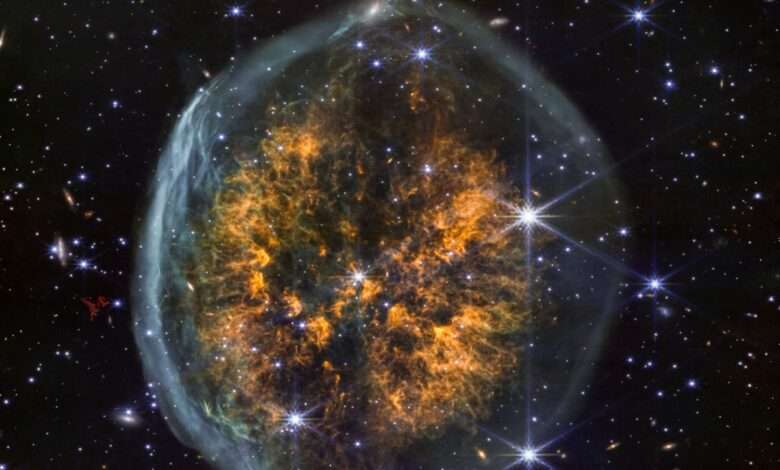
Webb Studies Cranium Nebula
Nebula PMR 1 is a cloud of gas and dust that bears an uncanny resemblance to a brain in a transparent skull, inspiring its nickname, the “Exposed Cranium” nebula. Webb captured its unusual features in both near- and mid-infrared light. The nebula was first revealed in infrared light by a predecessor to Webb, NASA’s now-retired Spitzer Space Telescope, more than a decade…
Read More »