Warhammer 40,000: Rogue Trader’s third DLC “The Infinite Museion” puts the spotlight on Trazyn the Infinite

Owlcat Games revealed a new teaser for the third DLC of the acclaimed CRPG Warhammer 40,000: Rogue Trader at February’s IGN Fan Fest. Titled “The Infinite Museion,” this DLC will feature the powerful and eccentric Necron Overlord Trazyn, who is always on the hunt for interesting new artifacts and specimens.
Check out the “The Infinite Museion” new teaser trailer:
IGN trailer
Like all Rogue Trader DLCs, “The Infinite Museion” seamlessly integrates into the main game and adds new locations, quests, lore and artifacts to the already epic story. This time, the common theme is Necrons: players will be able to equip their characters with unique implants, utilizing them to explore artifact-rich locations all while the mysterious Trazyn manipulates them for his own benefit. Players can look forward to new reveals of what else the DLC will have in store for them — including the new companion character.

Watch the Dark Heresy combat gameplay showcase here:
IGN trailer
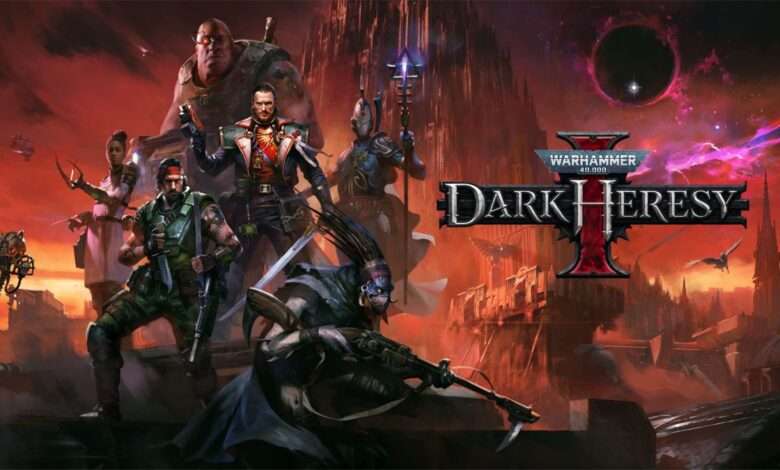
Owlcat also showcased combat gameplay material from the upcoming Warhammer 40,000: Dark Heresy. While Dark Heresy’s combat system retains the core principles of Rogue Trader, it also adds new layers: characters can target their enemies’ weak points with both ranged and melee weapons to incapacitate them or do maximum damage to a specific part of the body. They can also break a whole group’s resolve by overwhelming enemies with their prowess and end fights early. This befits agents of the Inquisition, experts at breaking the bodies and spirits of Mankind’s foes.
Warhammer 40,000: Rogue Trader is available now for PC via Steam, the Epic Games Store, and GOG, and on console via PlayStation 4|5, Xbox One and Series X|S, and Nintendo Switch 2. The first two DLCs can be purchased on all platforms except for Switch 2.
Warhammer 40,000: Dark Heresy will launch on Windows PC via Steam, GOG, and Epic Games Store, and console via PlayStation 5 and Xbox Series X|S.
Stay up to date with Warhammer 40,000: Rogue Trader and Warhammer 40,000: Dark Heresy by following Owlcat Games’ Facebook, X (Twitter), Bluesky, Instagram, joining the official Discord, and subscribing to the official YouTube channel
About Owlcat Games
Owlcat Games is a developer and publisher with a passion for RPGs and narrative-driven experiences. What began as a small team of games industry veterans with a love for tabletop roleplaying has evolved into a truly international studio. Headquartered in Cyprus with over 450 employees worldwide, Owlcat continues to grow, drawing talent from across the globe, and still finds time to roll dice together every week, in person and online.
Previous titles include the critically acclaimed Pathfinder: Kingmaker, Pathfinder: Wrath of the Righteous, and Warhammer 40,000: Rogue Trader.
About Games Workshop
Games Workshop Group PLC (LSE:GAW.L), based in Nottingham, UK, produces the best fantasy miniatures in the world. Games Workshop designs, manufactures, retails, and distributes its range of Warhammer Age of Sigmar and Warhammer 40,000 games, miniatures, novels and model kits through more than 550 of its own stores (branded Games Workshop or Warhammer), its own web store, and independent retail channels in more than 50 countries worldwide. More information about Games Workshop and its other related brands and product ranges (including its publishing division ‘Black Library’ and its special resin miniatures studio ‘Forge World’) can be found at www.games-workshop.com.