
LRO
-
NASA
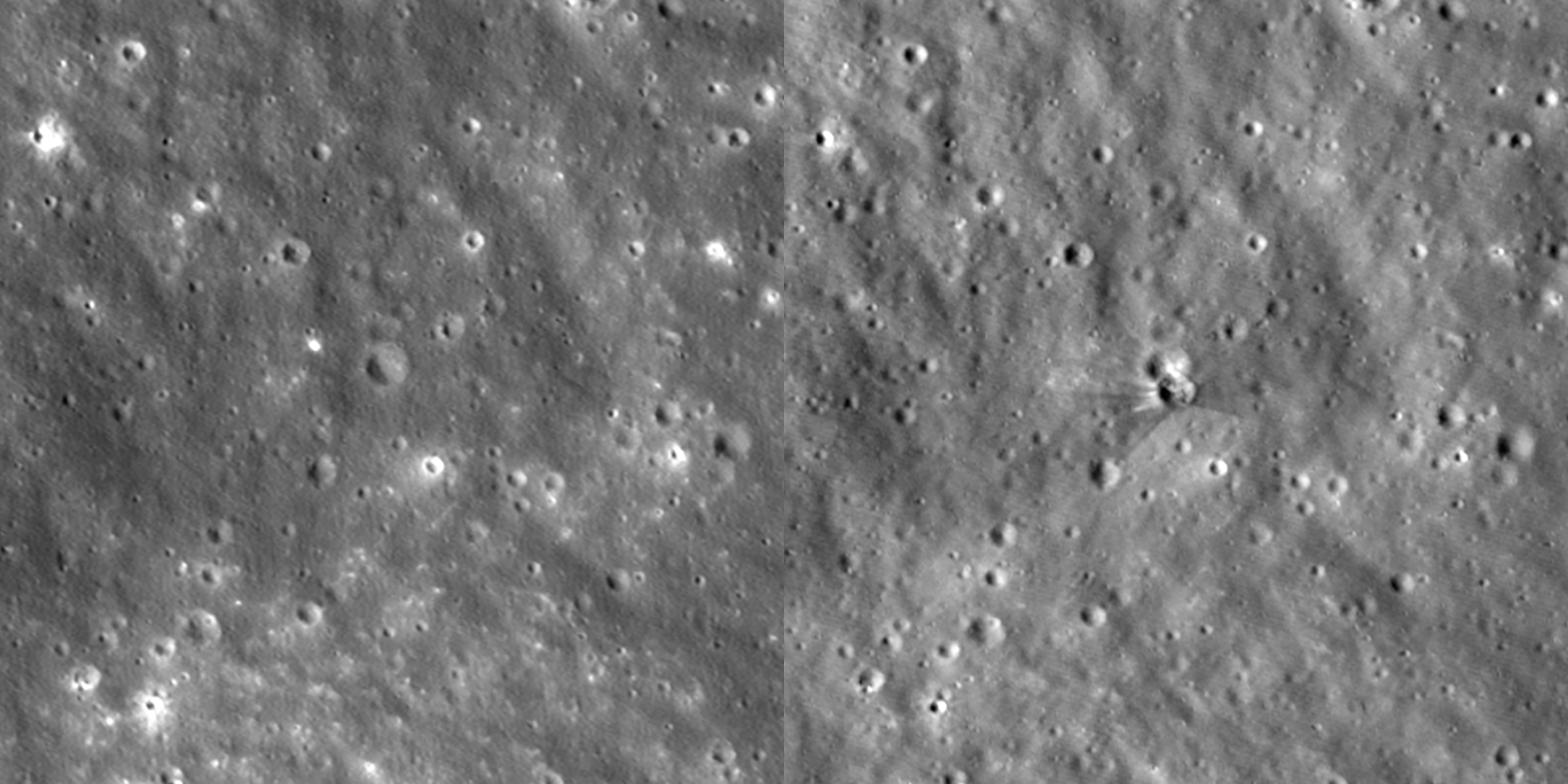
NASA’s LRO Images Falcon 9 Crater on Moon, Learns New Details
Between Aug. 11 and 12, NASA’s Lunar Reconnaissance Orbiter (LRO) captured a series of images of a new crater on the Moon. The crater formed on Aug. 5, when a SpaceX Falcon 9 upper stage impacted the surface following its January 2025 launch of the Firefly Blue Ghost 1 mission. To capture imagery of the impact, engineers tilted the spacecraft so its…
Read More » -
NASA
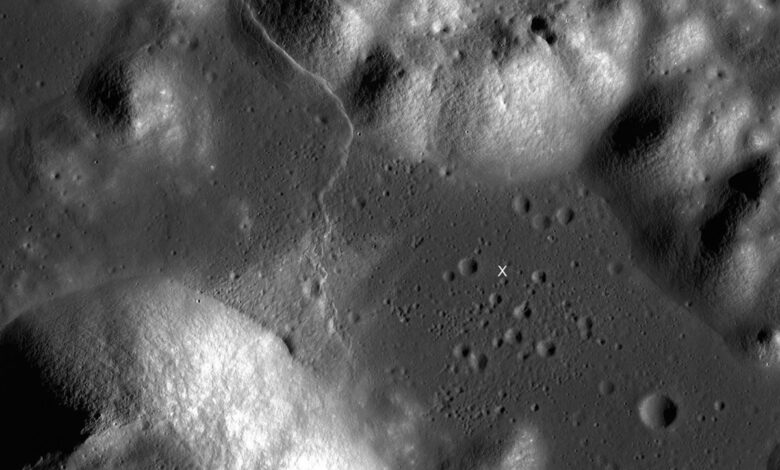
NASA’s Apollo Samples, LRO Help Scientists Forecast Moonquakes
As NASA prepares to send astronauts to the surface of the Moon’s south polar region for the first time ever during the Artemis III mission, scientists are working on methods to determine the frequency of moonquakes along active faults there. Faults are cracks in the Moon’s crust that indicate that the Moon is slowly shrinking as its interior cools over…
Read More » -
NASA
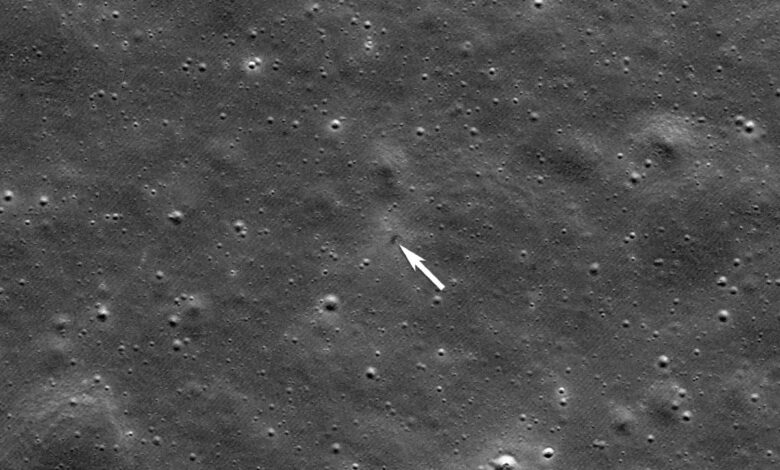
NASA’s LRO Views ispace HAKUTO-R Mission 2 Moon Lander Impact Site
On June 11, NASA’s LRO (Lunar Reconnaissance Orbiter) captured photos of the site where the ispace Mission 2 SMBC x HAKUTO-R Venture Moon (RESILIENCE) lunar lander experienced a hard landing on June 5, 2025, UTC. RESILIENCE lunar lander impact site, as seen by NASA’s Lunar Reconnaissance Orbiter Camera (LROC) on June 11, 2025. The lander created a dark smudge surrounded…
Read More » -
NASA
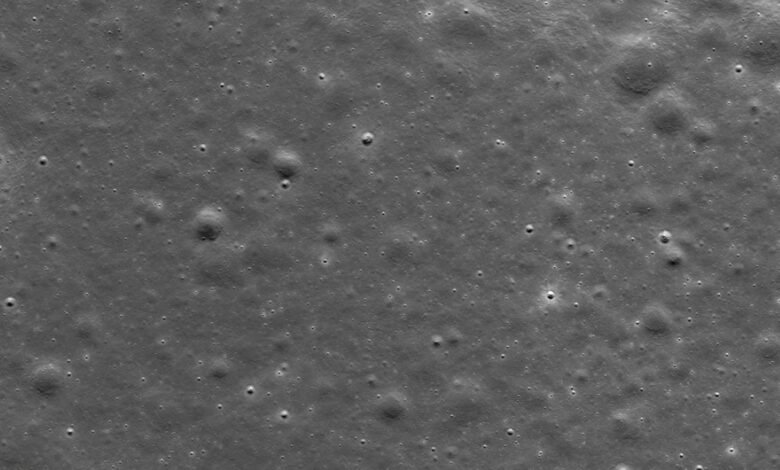
NASA’s LRO Views Japan’s RESILENCE Lunar Lander Landing Area
NASA’s Lunar Reconnaissance Orbiter Camera (LROC) imaged the landing area of the ispace SMBC x HAKUTO-R Venture Moon Mission 2 RESILIENCE lunar lander which is slated to land on the surface of the Moon no earlier than June 5, 2025 (UTC). This view of the primary landing area is 3.13 miles (5,040 meters) wide and north is up. The site is in Mare…
Read More » -
NASA
NASA’s LRO: Lunar Ice Deposits are Widespread
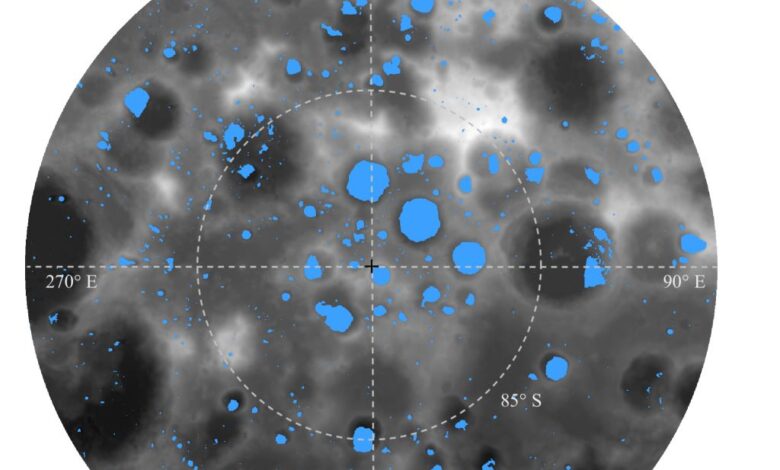
Deposits of ice in lunar dust and rock (regolith) are more extensive than previously thought, according to a new analysis of data from NASA’s LRO (Lunar Reconnaissance Orbiter) mission. Ice would be a valuable resource for future lunar expeditions. Water could be used for radiation protection and supporting human explorers, or broken into its hydrogen and oxygen components to make…
Read More » -
NASA
NASA, JAXA Bounce Laser Beam Between Moon’s Surface and Lunar Orbit
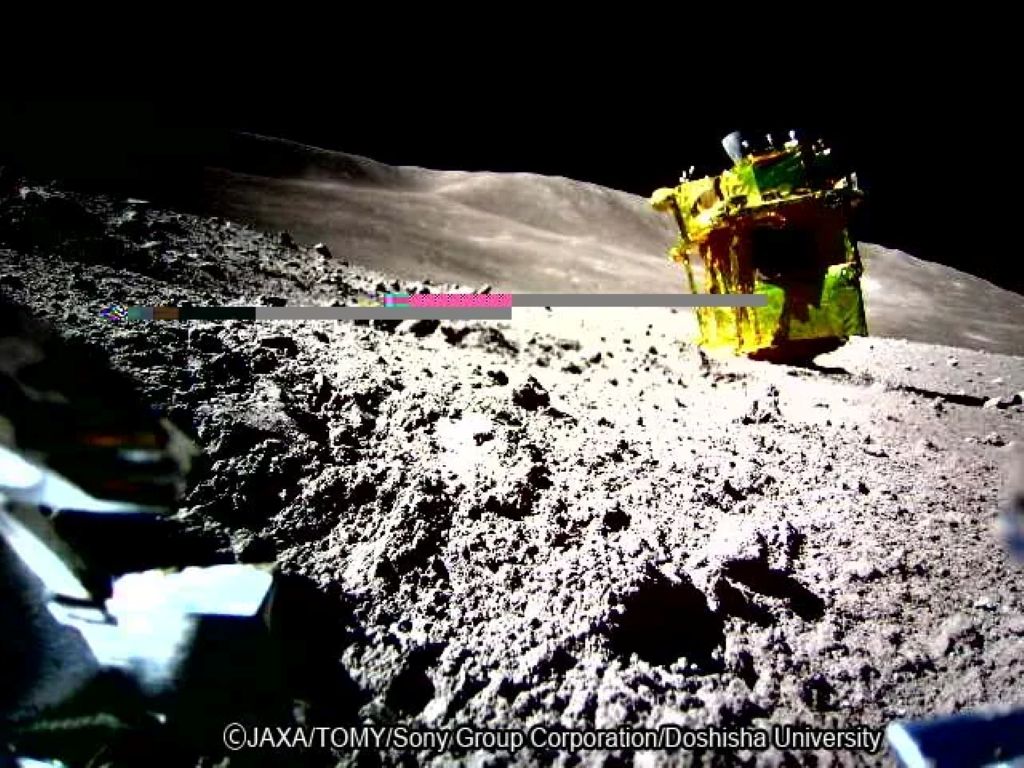
NASA’s LRO (Lunar Reconnaissance Orbiter) has twice transmitted a laser pulse to a cookie-sized retroreflector aboard JAXA’s (Japan Aerospace Exploration Agency) SLIM lander on the Moon and received a return signal. As LRO passed 44 miles above SLIM (Smart Lander for Investigating Moon) during two successive orbits on May 24, 2024, it pinged the lander with its laser altimeter instrument as it had done…
Read More » -
NASA
15 Years Ago: Lunar Reconnaissance Orbiter Begins Moon Mapping Mission
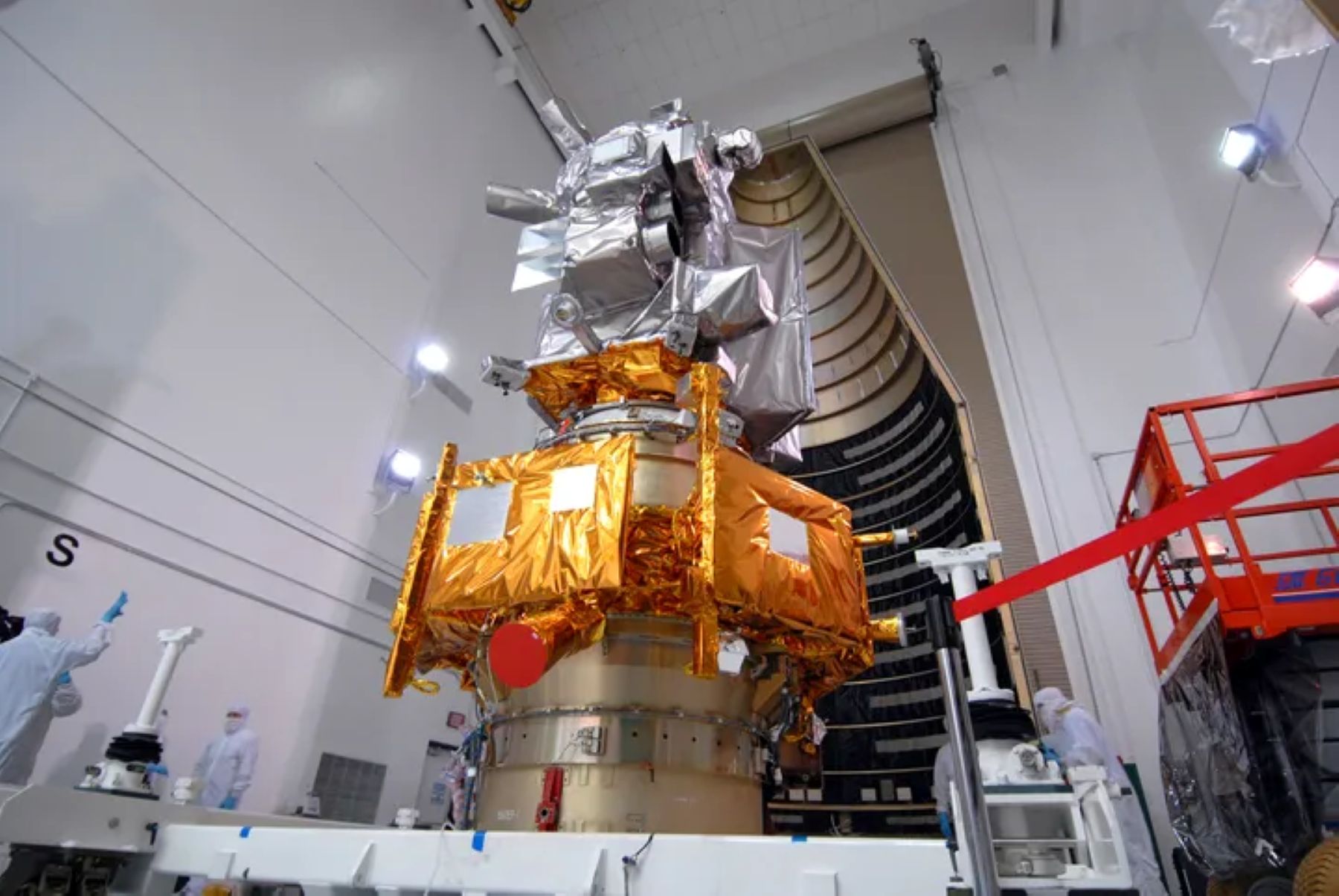
The Lunar Reconnaissance Orbiter (LRO) and the Lunar Crater Observation and Sensing Satellite (LCROSS) launched together from Cape Canaveral Air Force, now Space Force, Station on June 18, 2009, atop an Atlas V launch vehicle. The primary mission of the LRO, managed by NASA’s Goddard Space Flight Center in Greenbelt, Maryland, involved imaging the entire Moon’s surface to create a 3-D map with ~50-centimeter…
Read More » -
NASA
NASA’s LRO Spots China’s Chang’e 6 Spacecraft on Lunar Far Side
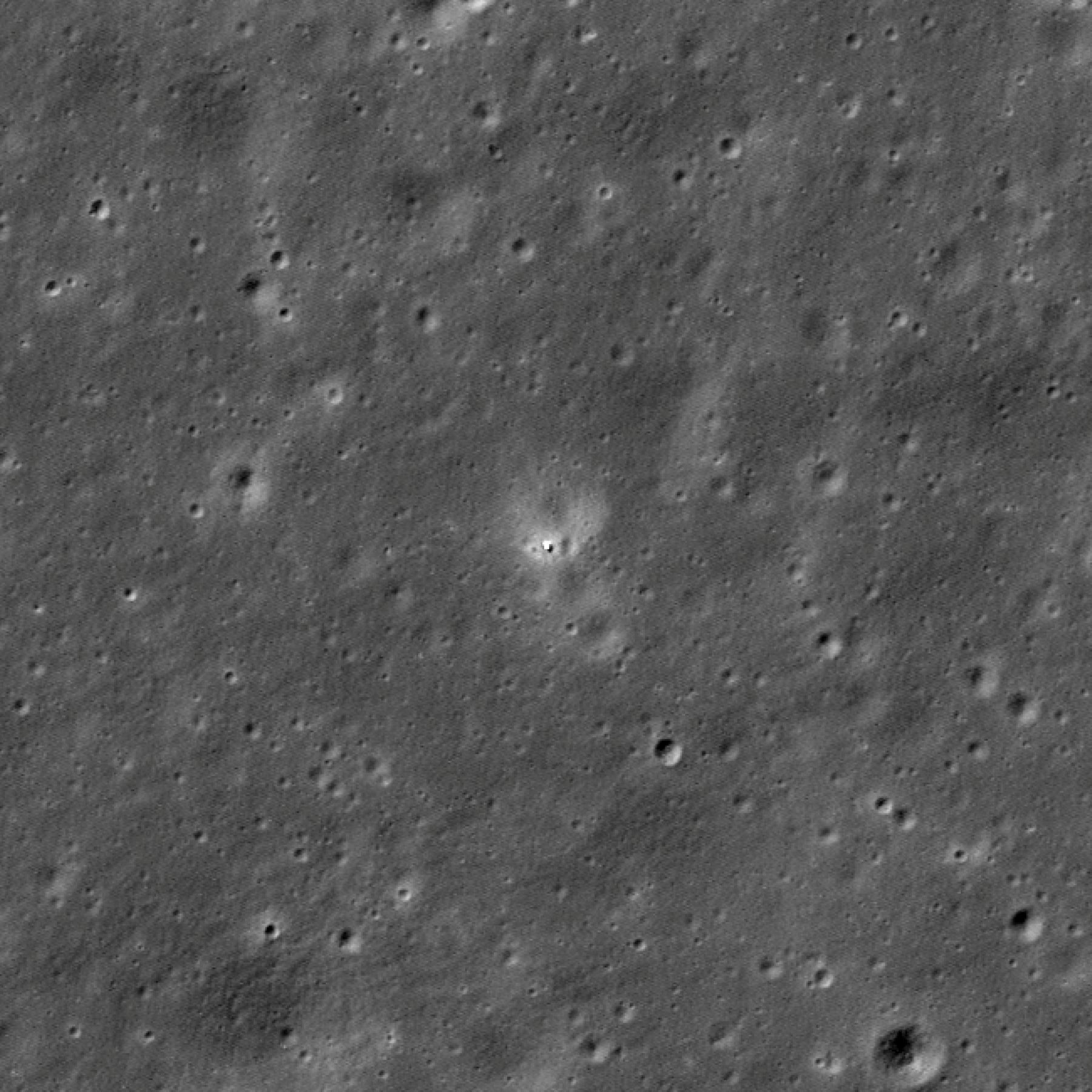
NASA’s LRO (Lunar Reconnaissance Orbiter) imaged China’s Chang’e 6 sample return spacecraft on the far side of the Moon on June 7. Chang’e 6 landed on June 1, and when LRO passed over the landing site almost a week later, it acquired an image showing the lander on the rim of an eroded, 55-yard-diameter (about 50 meters) crater. The LRO…
Read More » -
NASA
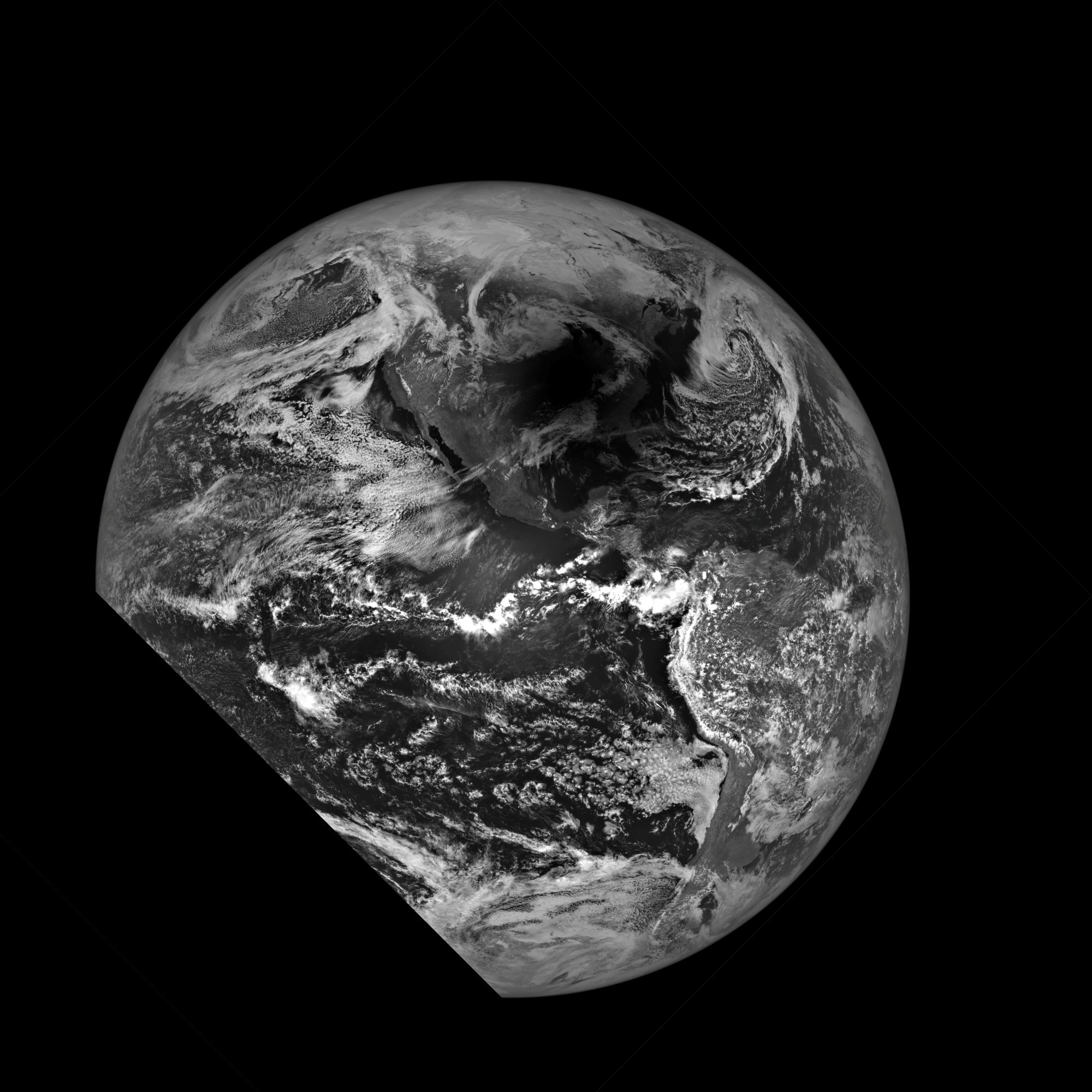
Seeing the Solar Eclipse from 223,000 Miles Away
NASA’s Lunar Reconnaissance Orbiter (LRO) captured the April 8, 2024, solar eclipse from hundreds of thousands of miles away. The camera suite aboard the LRO usually retrieves high resolution black and white images of the Moon’s surface; these images provide knowledge of polar illumination conditions, identify potential resources, hazards, and enable safe landing site selection. To take an image of Earth, the LRO has…
Read More » -
NASA
NASA’s LRO Observes 2024 Solar Eclipse Shadow
As the Moon blotted out the Sun to viewers across the United States during the April 8 solar eclipse, NASA’s Lunar Reconnaissance Orbiter (LRO) captured an image from some 223,000 miles away of the highly anticipated celestial event. This spectacular image showing the Moon’s shadow on Earth’s surface was acquired during a 20-second period starting at 2:59 p.m. EDT (18:59:19…
Read More »