
Mars
-
NASA
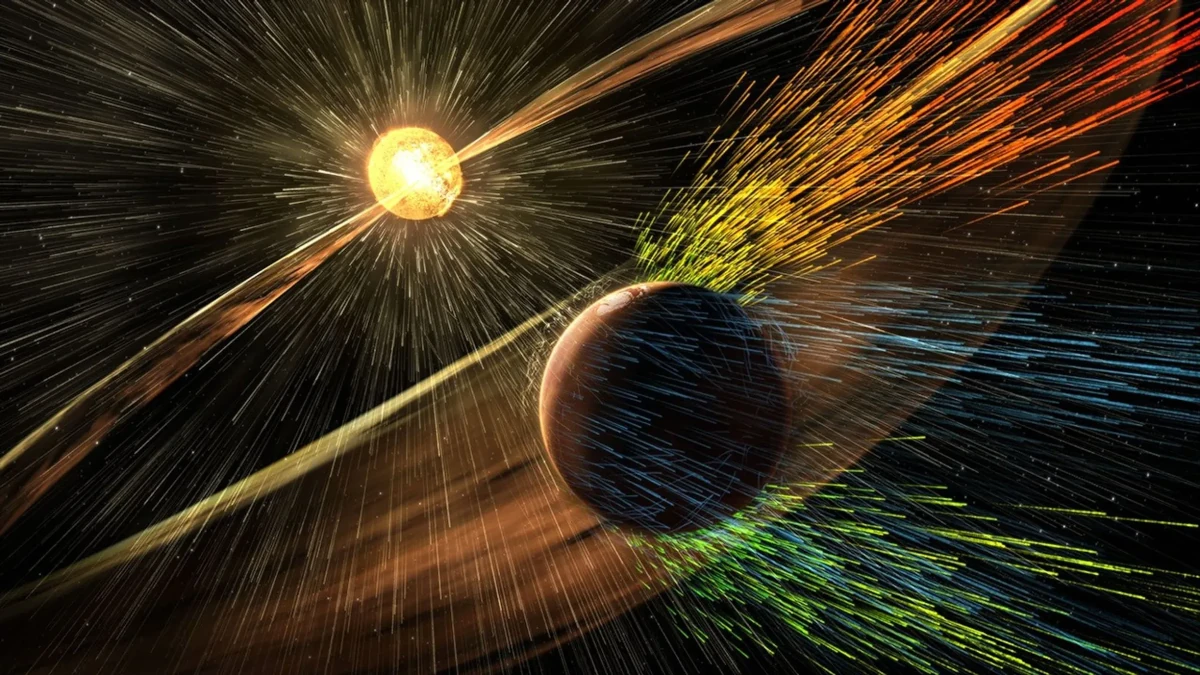
Understanding How Martian Auroras Are Made
This July 23, 2026, illustration depicts charged particles from a solar storm stripping away charged particles of Mars’ atmosphere, one of the processes of Martian atmosphere loss studied by NASA’s MAVEN (Mars Atmosphere and Volatile Evolution) mission. NASA MAVEN mission scientists have found that certain types of auroras on Mars form in a similar way to Earth-based auroras. Read more about this…
Read More » -
NASA
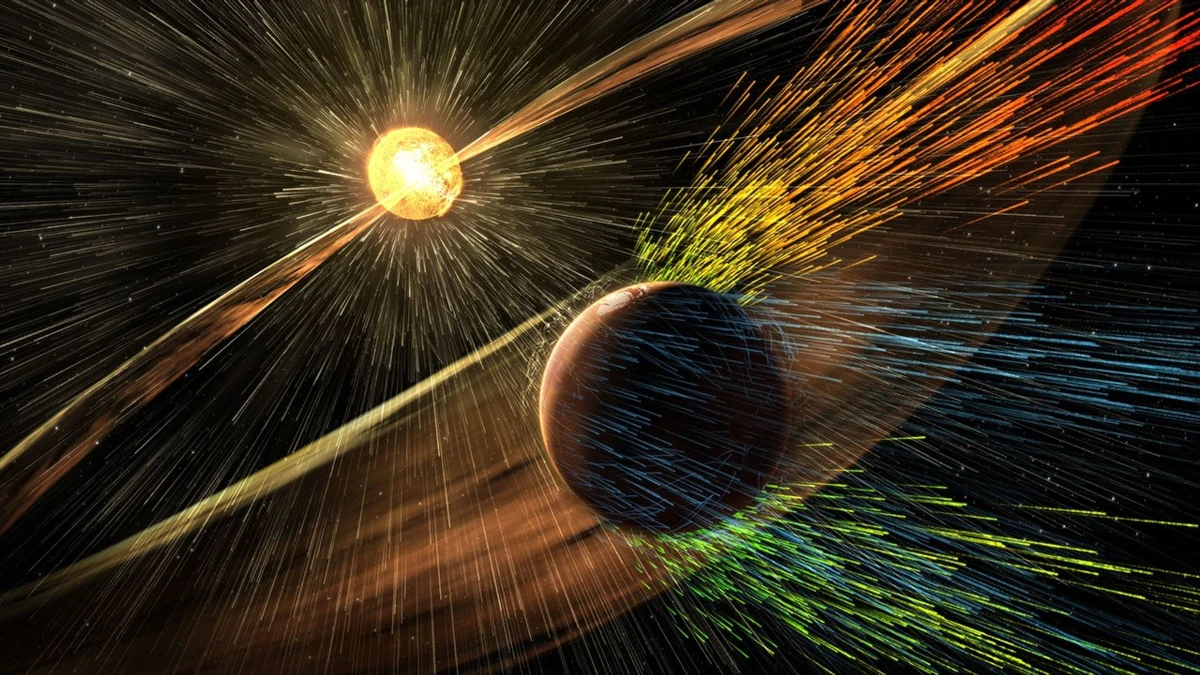
NASA’s MAVEN Illuminates New Understanding of Auroras at Mars
NASA MAVEN (Mars Atmosphere and Volatile Evolution) mission scientists have uncovered a key puzzle piece in understanding certain types of auroras on Mars, finding that they form in a similar way to Earth-based auroras. Results published Thursday in Nature Communications show the same mechanism that circulates and catapults charged particles into Earth’s atmosphere is happening at Mars on much smaller scales because of…
Read More » -
NASA
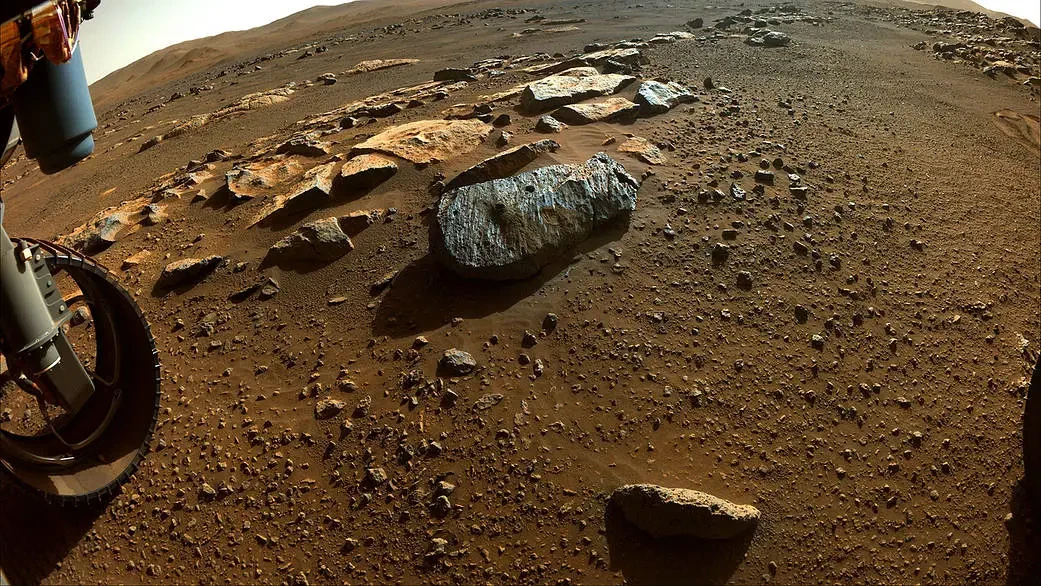
Establishing Crew Exposure Limits of Martian Dust
Background Human exploration of Mars will expose crews to a persistent, fine particulate environment whose physicochemical properties and health implications remain only partly understood. Because no samples of authentic Martian airborne dust have been returned to Earth, NASA must rely on lunar dust toxicology, Martian regolith simulants, and extensive rover/lander geochemical and mineralogical datasets to develop an initial, risk‑informed Permissible…
Read More » -
NASA
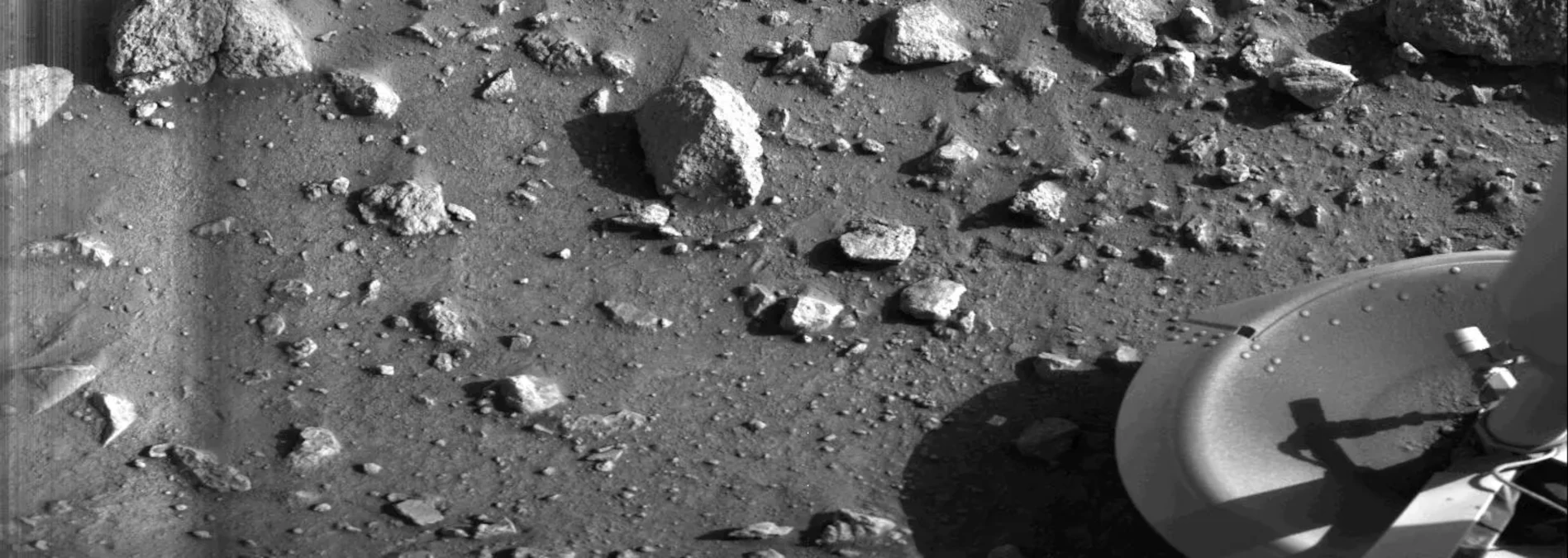
Our First View of the Surface of Mars
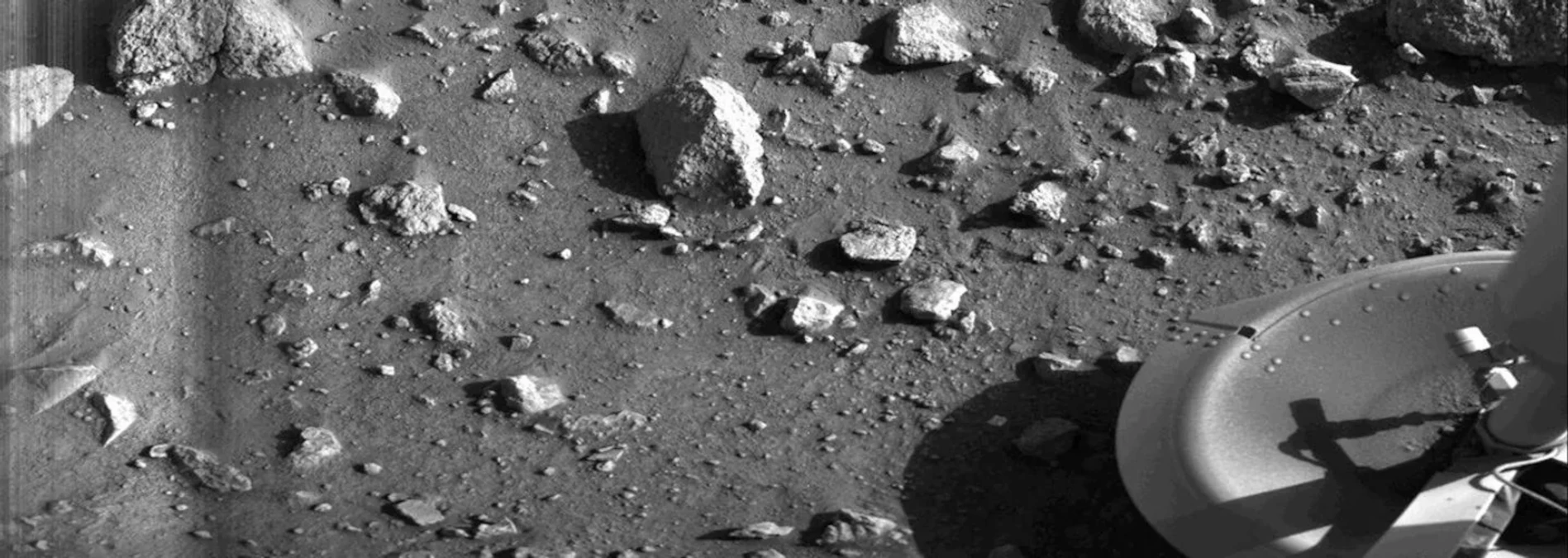
“Touchdown, we have touchdown!” At 5:12 a.m. PDT, July 20, 1976, mission controllers at NASA’s Jet Propulsion Laboratory erupted in cheers as they learned that the Viking 1 lander had survived its descent through the thin Martian atmosphere. Forty minutes later, the lander’s first image began to appear on their monitors, slowly forming line by line from left to right.…
Read More » -
NASA
From Hampton to Mars: How NASA Langley Helped Land on the Red Planet
Fifty years ago, NASA’s Viking 1 and 2 landers made the first successful landings on Mars, opening a new era in planetary exploration. Behind that achievement was a team at NASA’s Langley Research Center in Hampton, Virginia, whose steady leadership and technical expertise helped turn an ambitious idea into a mission that reshaped how we explore other worlds. Building the…
Read More » -
NASA
The Growing Crescent of Mars as NASA’s Psyche Mission Approaches
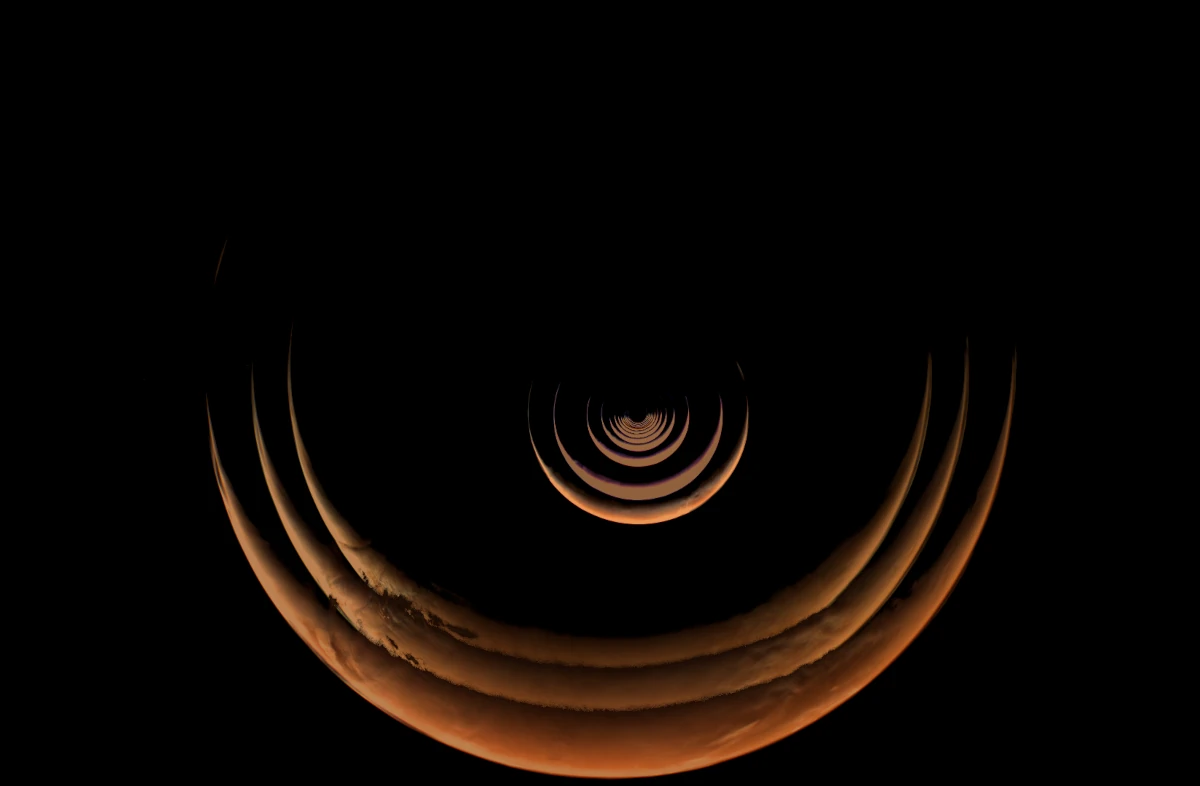
Description This composite of images taken by NASA’s Psyche mission shows the crescent of Mars grow as the spacecraft approached the planet for a gravity assist from May 2 to May 15, 2026. The series begins with the smallest crescent at the center of the of the image as Mars is farthest from the spacecraft, and progressively grows as the spacecraft gets…
Read More » -
NASA
Curiosity Finds Evidence of an Ancient Sandstorm
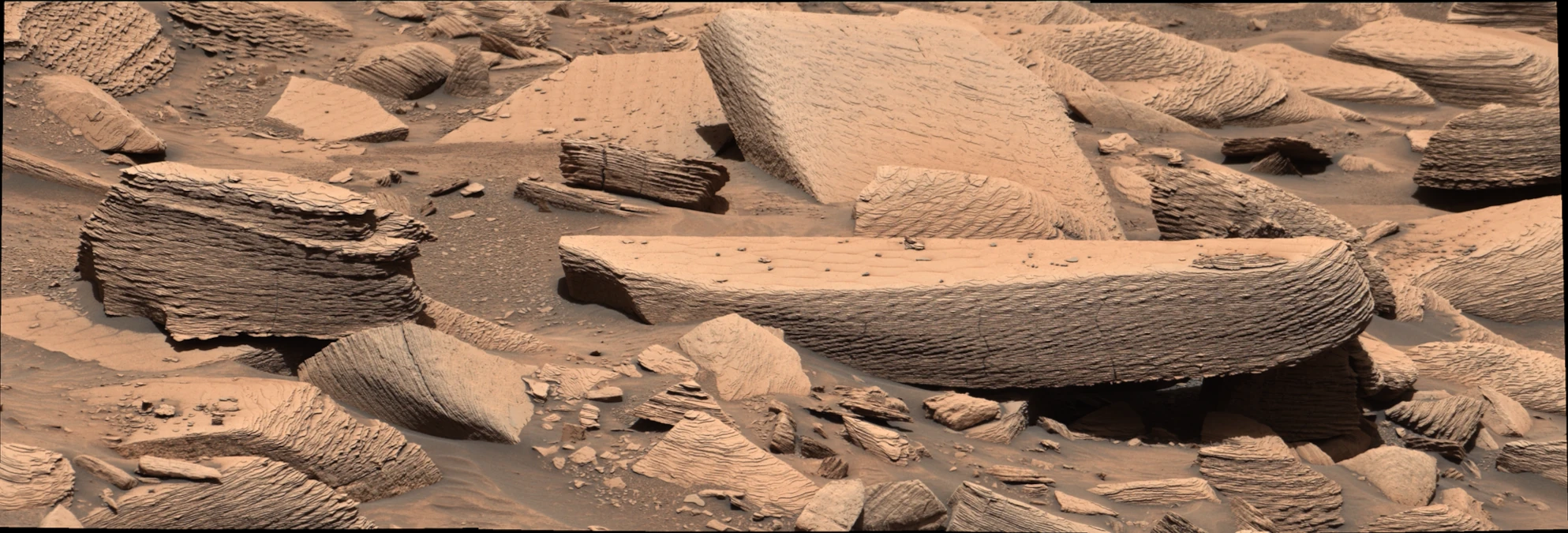
Description Billions of years ago, an hours-long Martian sandstorm blew so intensely that sand ripples began to climb upon one another as they moved across the surface. These layers of sediment eventually hardened into the multilayered rocks seen in this image, which was taken by NASA’s Curiosity rover on Dec. 12, 2024, the 4,391st Martian day, or sol, of the…
Read More » -
NASA
Curiosity Blog, Sols 4934-4940: In the Land of the Polygons
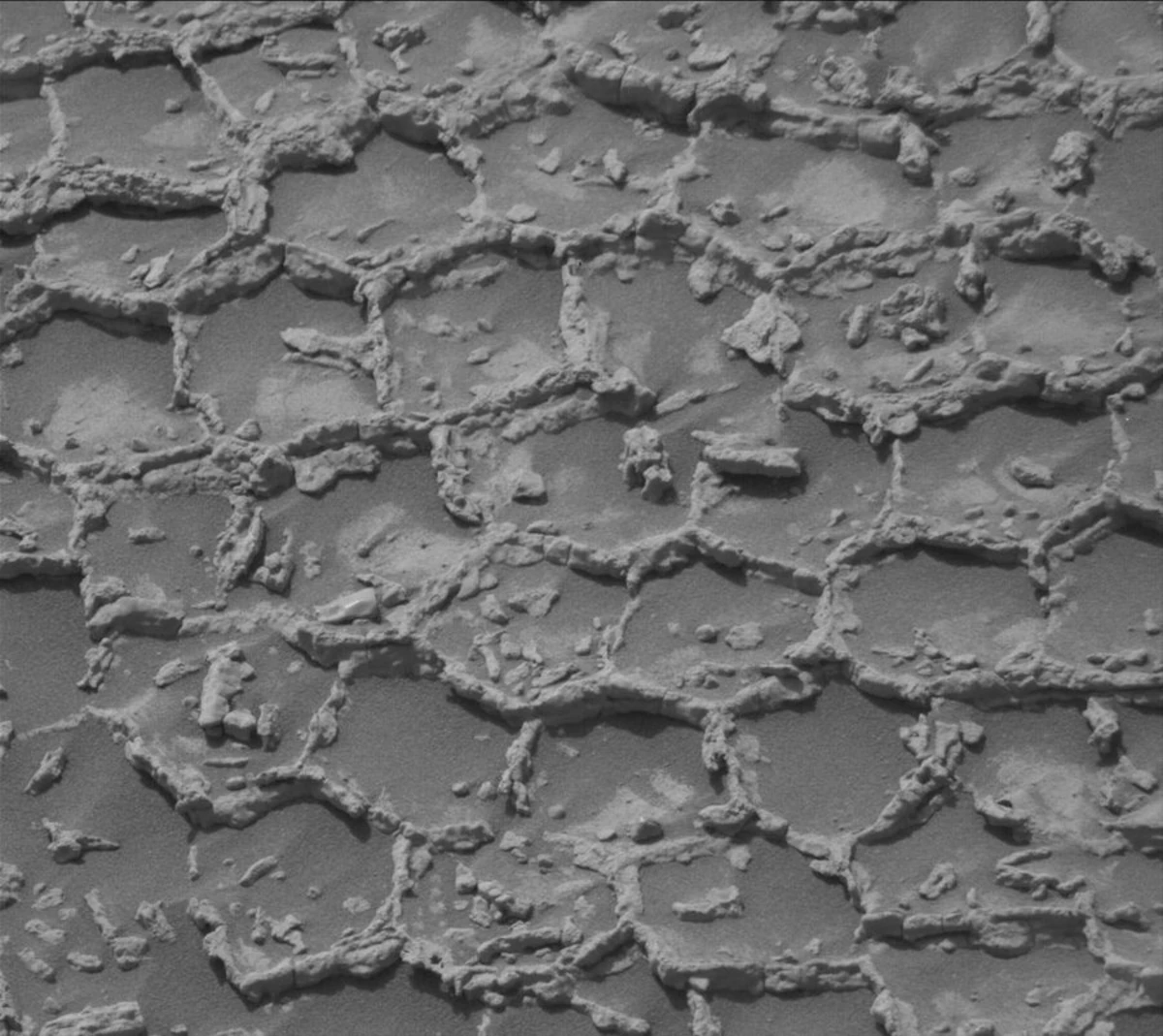
Written by William Farrand, Senior Research Scientist, Space Science Institute Earth planning date: Friday, June 26, 2026 There were two planning cycles over this span of sols. The Monday planning took place with Curiosity situated within a unit that from orbital imagery appeared light-toned, and from earlier rover positions appeared smooth. Reaching this unit, the rover team was surprised to…
Read More » -
NASA
NASA Announces Public-Private Partnership to Advance Mars Science
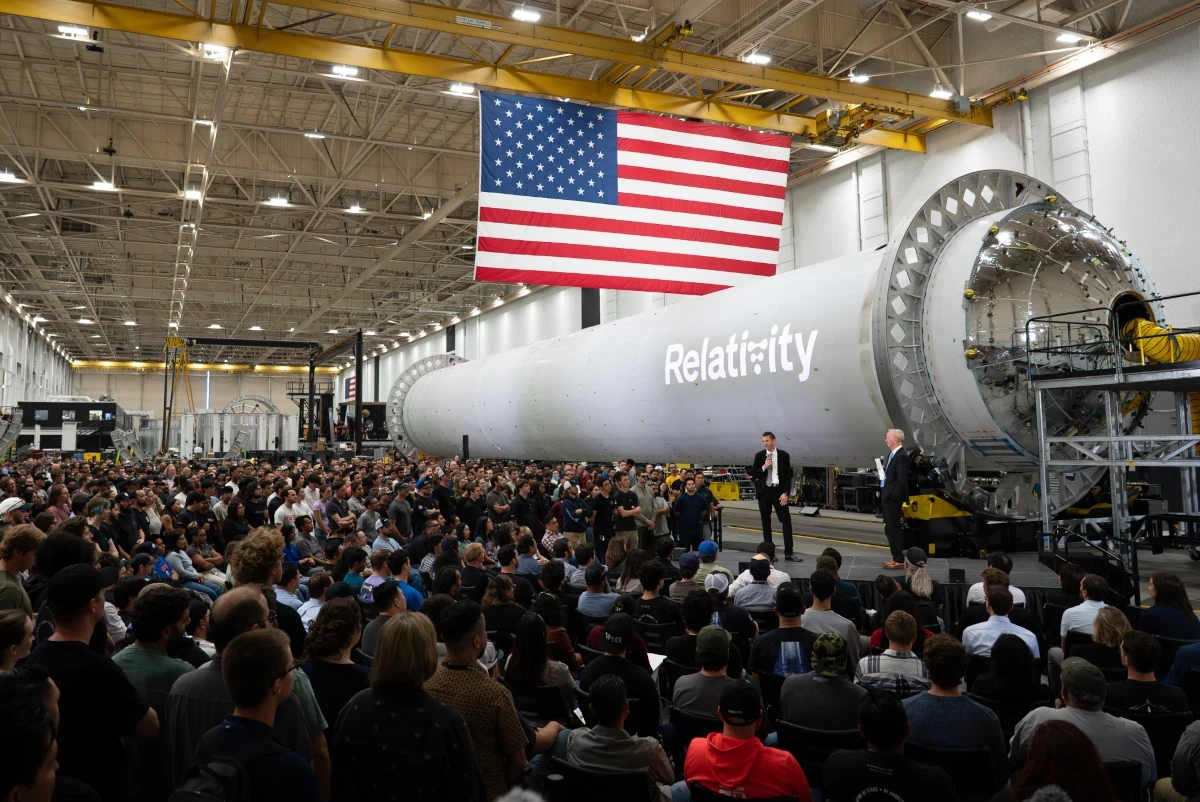
NASA Wednesday announced a new public‑private partnership to advance Mars science by combining the agency’s scientific leadership with commercial innovation. Under this model, NASA will provide the Aeolus atmospheric‑science instrument payload suite, while Relativity Space supplies the spacecraft, rocket, and cruise operations necessary to deliver the instruments to Mars. This partnership reflects NASA’s growing commitment to approaches that accelerate discovery,…
Read More » -
NASA
Curiosity Blog: Sols 4913-4919: Planetary explorers, freewheeling to the Yardang unit!
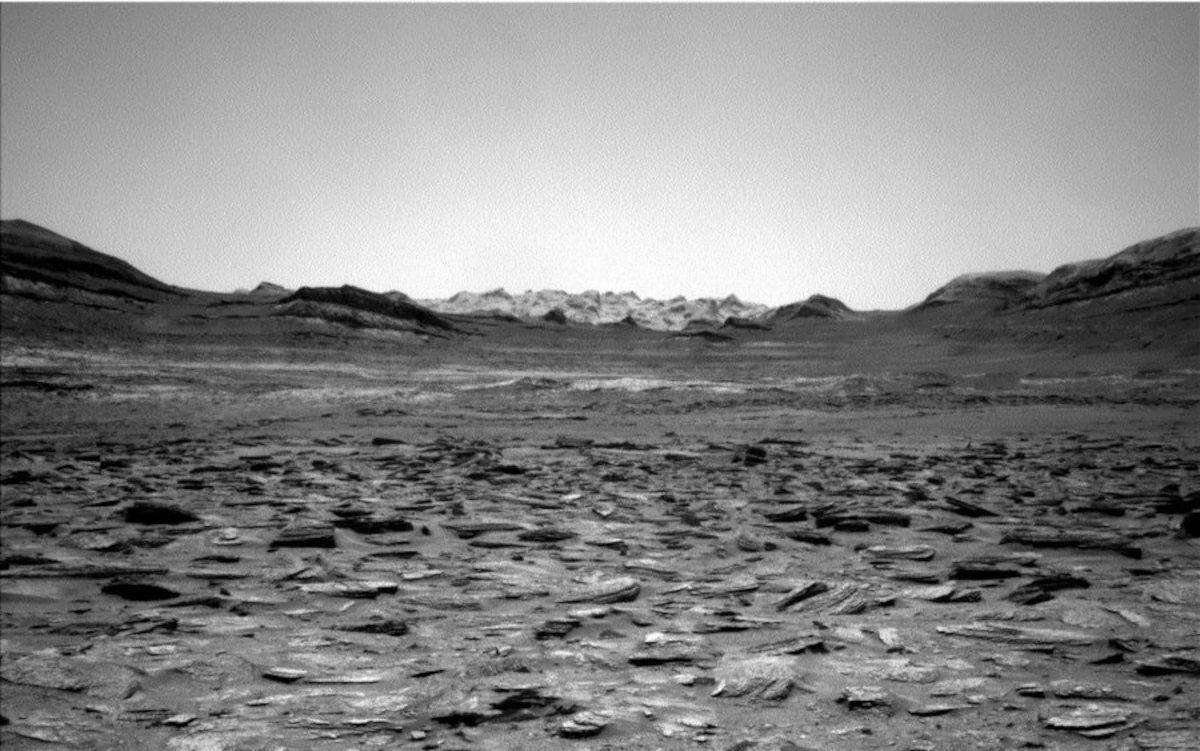
Written by Catherine O’Connell-Cooper, APXS Strategic Planner and Payload Uplink/Downlink Lead, University of New Brunswick, Canada Earth planning day: Friday, June 5th, 2026 In a very broad sense, Curiosity has two modes of doing science – one centred around a defined science campaign (such as the recent boxwork campaign) and the other as we move between campaigns. During a science…
Read More »