
Mars
-
NASA

Curiosity Blog, Sols 4859-4866: One Small Crater and Thousands of Polygons
Written by Abigail Fraeman, Deputy Project Scientist at NASA’s Jet Propulsion Laboratory Earth planning date: Friday, April 10, 2026 Curiosity spent the past week driving towards a small crater, about 10 meters (32 feet) in diameter. Today the team informally named this crater “Antofagasta,” after a region and major city in Chile next to the Atacama. Craters are very cool…
Read More » -
NASA
Curiosity Blog, Sols 4852–4858: When Data Take Their Time…
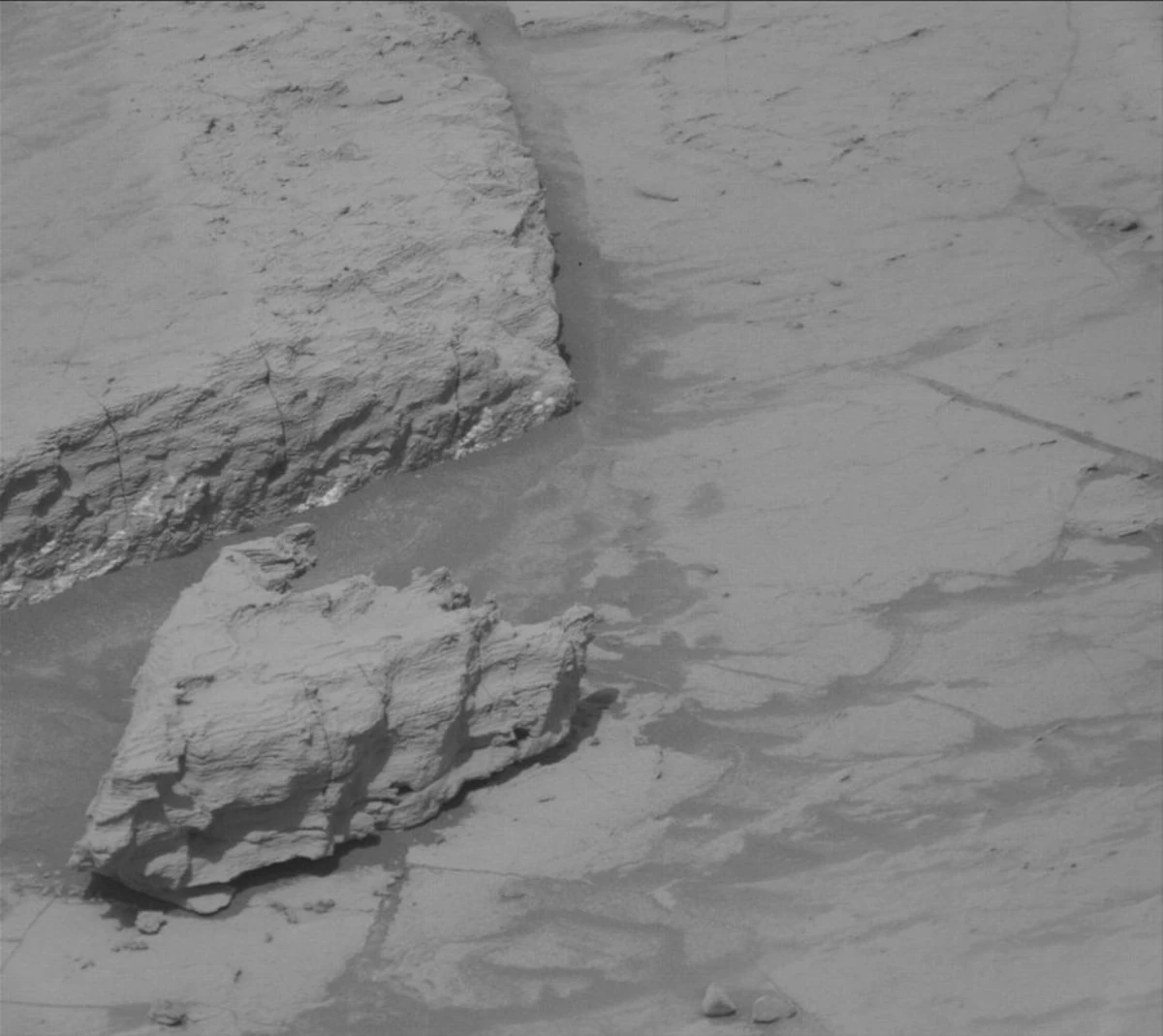
Written by Susanne P. Schwenzer, Professor of Planetary Mineralogy at The Open University, UK Earth planning date: Friday, April 3, 2026 I was the geology science team lead on Monday for planning Sols 4852-4853, when our data did not arrive on time for planning. Thus, we got creative as a team thinking what we could do, not knowing where exactly…
Read More » -
NASA
Curiosity Blog, Sols 4845-4851: Bye-Bye Boxwork, Bye-Bye
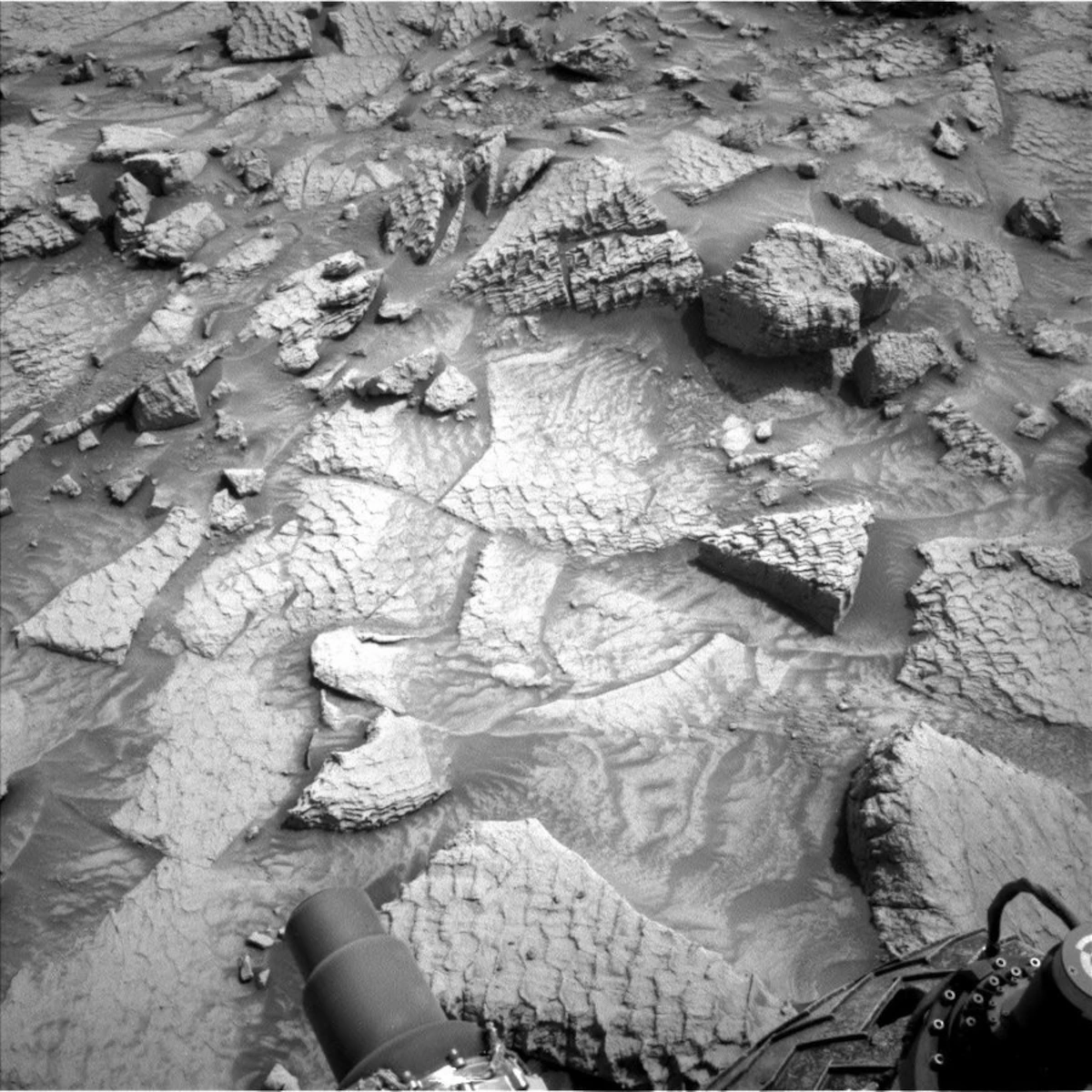
Written by Lucy Thompson, APXS Strategic Planner and Planetary Geologist at the University of New Brunswick, Canada Earth planning date: Friday, March 27, 2026 Last weekend’s drive took us just over the southernmost contact of the boxwork terrain with the surrounding layered sulfate unit. This was our third time crossing this contact, providing an excellent opportunity to look for any…
Read More » -
NASA
Curiosity Blog, Sols 4838-4844: Wrapping Up the Boxwork Terrain
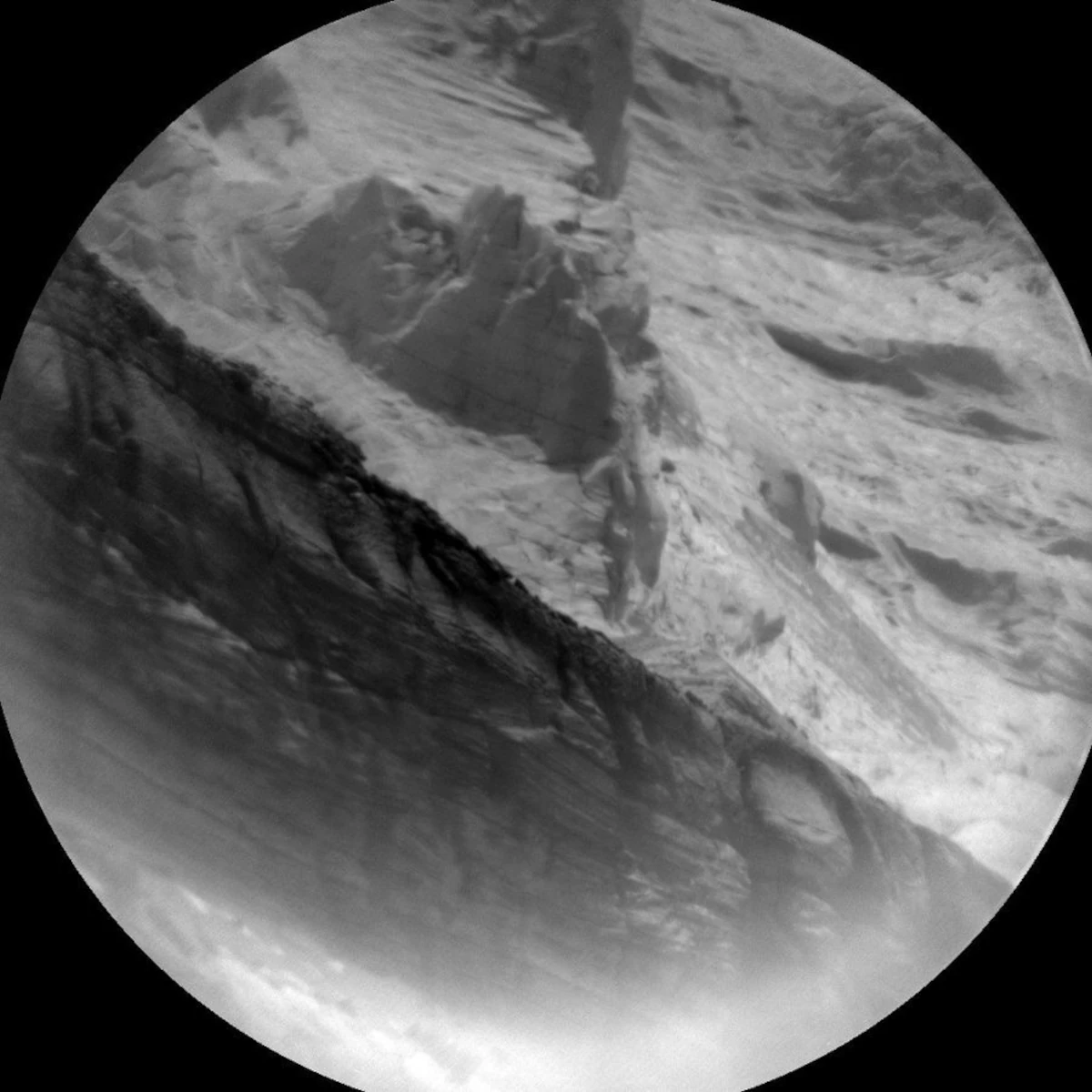
Written by Deborah Padgett, MSL Operations Product Ground System Task Lead at NASA’s Jet Propulsion Laboratory Earth planning date: Friday, March 20, 2026 Curiosity has just concluded a very intense week of science observations and engineering activities, as it wraps up its monthslong investigation of the Martian boxwork terrain. Three days of planning this week by the MSL science and…
Read More » -
NASA
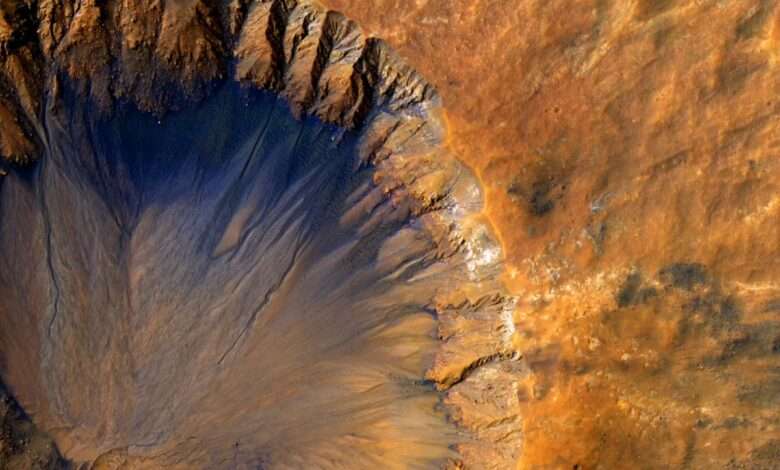
Celebrating NASA’s Mars Reconnaissance Orbiter’s 20th Anniversary: Crater Near Sirenum Fossae
NASA’s Mars Reconnaissance Orbiter (MRO) captures a detailed view of a relatively fresh crater in this image released on June 3, 2015. The crater has a sharp rim and well-preserved ejecta. The steep inner slopes are carved by gullies and include possible recurring slope lineae on the equator-facing slopes. This crater is monitored for changes over time. For 20 years, MRO has sought out…
Read More » -
NASA

Curiosity Blog, Sols 4818-4824: Thinking Out of the Boxwork
Written by Ashley Stroupe, Operations Systems Engineer at NASA’s Jet Propulsion Laboratory Earth planning date: Friday, Feb. 27, 2026 This week we had three planning sessions, exploring the eastern side of the boxwork unit. As a Rover Planner on Monday, I worked on the arm and drive activities, while on Friday I served as the Engineering Uplink Lead (planning all…
Read More » -
NASA
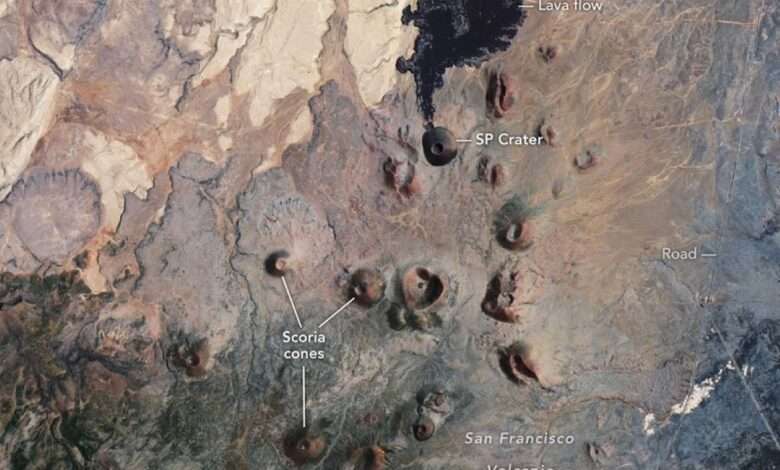
Scoria Cones on Earth and Mars
May 7, 2014 (Mars) Since the 1970s, planetary geologists have known that volcanic features cover large swaths of Mars. Early Mariner 9 images revealed massive shield volcanoes and lava plains on a scale unlike anything on Earth. Olympus Mons, the tallest volcano in the solar system, stands nearly three times higher than Mount Everest. Alba Mons, the planet’s widest volcano, spans a distance comparable to the length of…
Read More » -
NASA

Curiosity Blog, Sols 4812-4819: Back Into the Hollows
Written by Diana Hayes, Graduate student at York University, Toronto Earth planning date: Friday, Feb. 20, 2026 This has been a pretty routine week for Curiosity. As was mentioned last week, we’re now in the final phase of the boxwork exploration campaign. We’re currently making our way toward the eastern contact of the boxwork formation with the surrounding geology, which we…
Read More » -
Press Releases
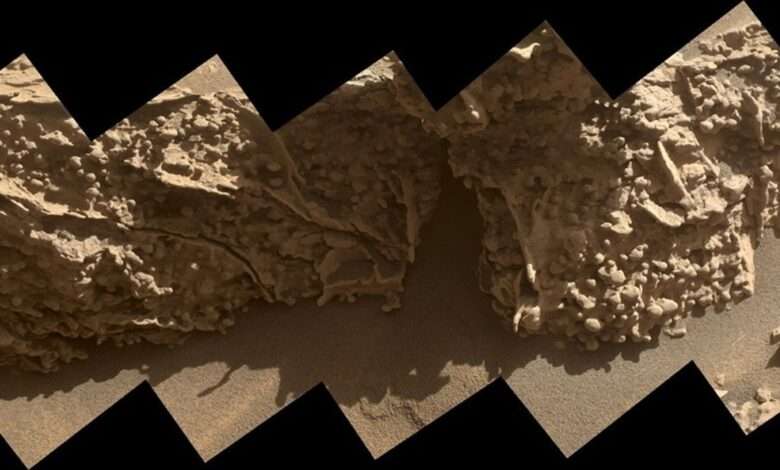
Curiosity Studies Nodules on Boxwork Formations
Description NASA’s Curiosity Mars rover discovered these bumpy, pea-sized nodules while exploring a region filled with boxwork formations — low ridges standing roughly 3 to 6 feet (1 to 2 meters) tall with sandy hollows in-between. This mosaic is made up of 50 individual images taken by Curiosity’s Mars Hand Lens Imager (MAHLI), a camera on the end of the rover’s…
Read More » -
NASA
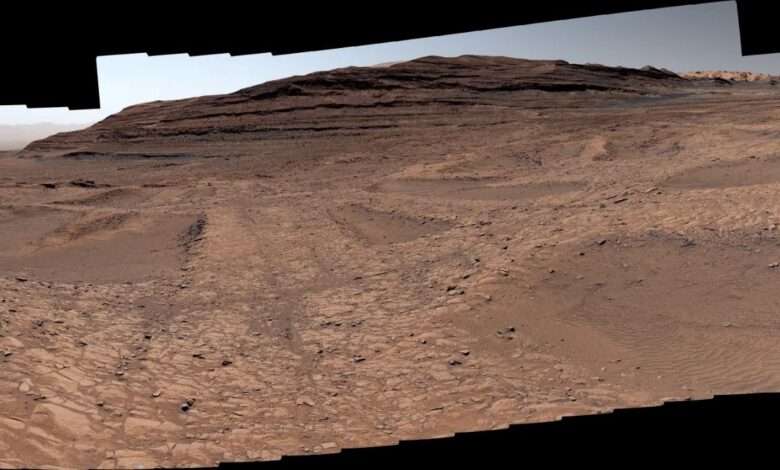
NASA’s Curiosity Rover Sees Martian ‘Spiderwebs’ Up Close
For about six months, NASA’s Curiosity Mars rover has been exploring a region full of geologic formations called boxwork, low ridges standing roughly 3 to 6 feet (1 to 2 meters) tall with sandy hollows in between. Crisscrossing the surface for miles, the formations suggest ancient groundwater flowed on this part of the Red Planet later than scientists expected. This…
Read More »