
Meteor Shower
-
NASA
Astronomy Picture of the Day
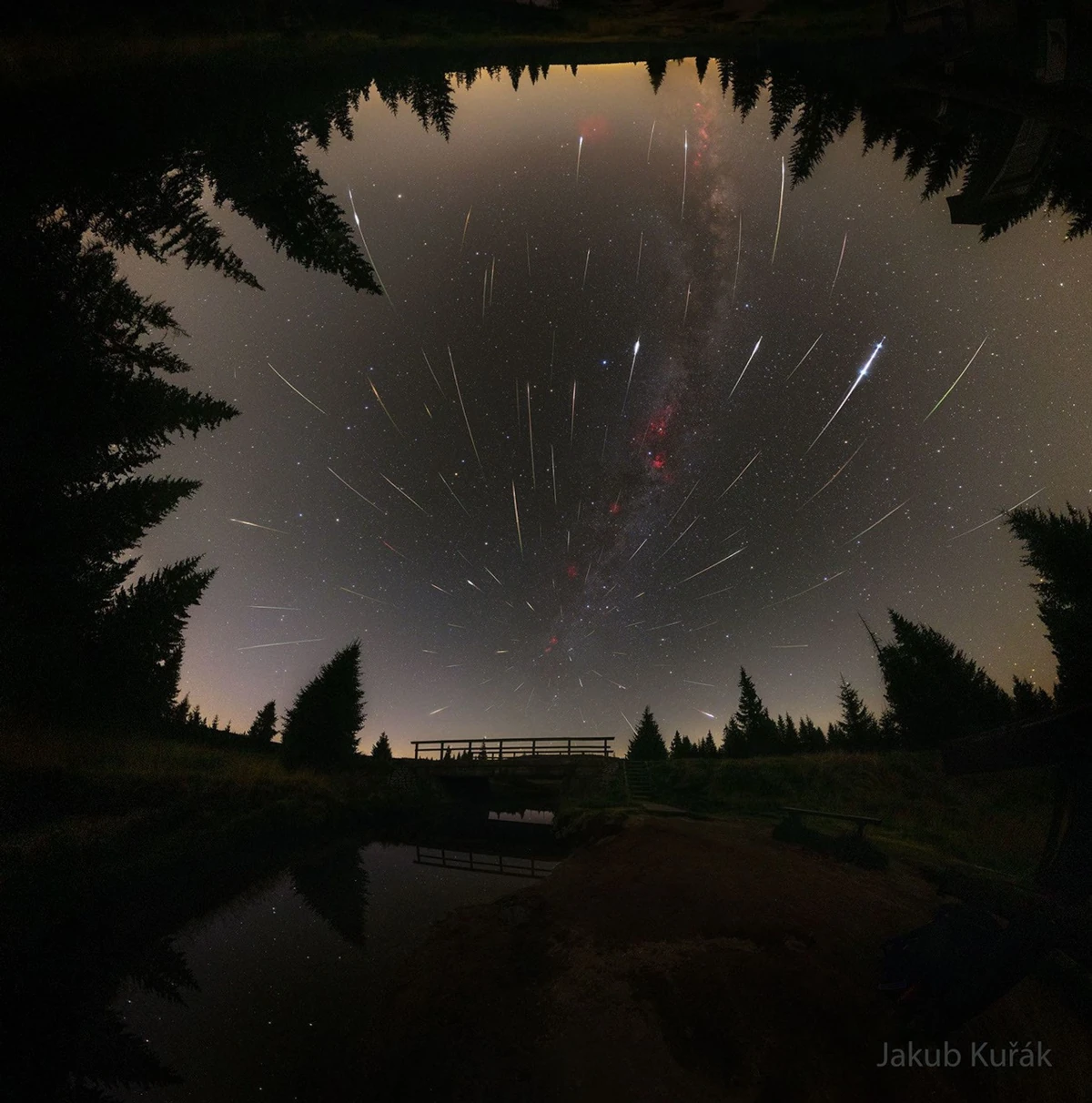
Perseids from Perseus Explanation: This was a good year for the Perseids meteor shower. A key reason was the Moon was absent from lighting up Earth’s night sky so that more meteors were visible than usual. Where was the Moon? It was busy visiting the Sun. Near the Perseids peak, the Moon moved directly in front of the Sun and created a total solar eclipse visible from Greenland and Spain. The Perseids occur when the Earth…
Read More » -
NASA
Astronomy Picture of the Day
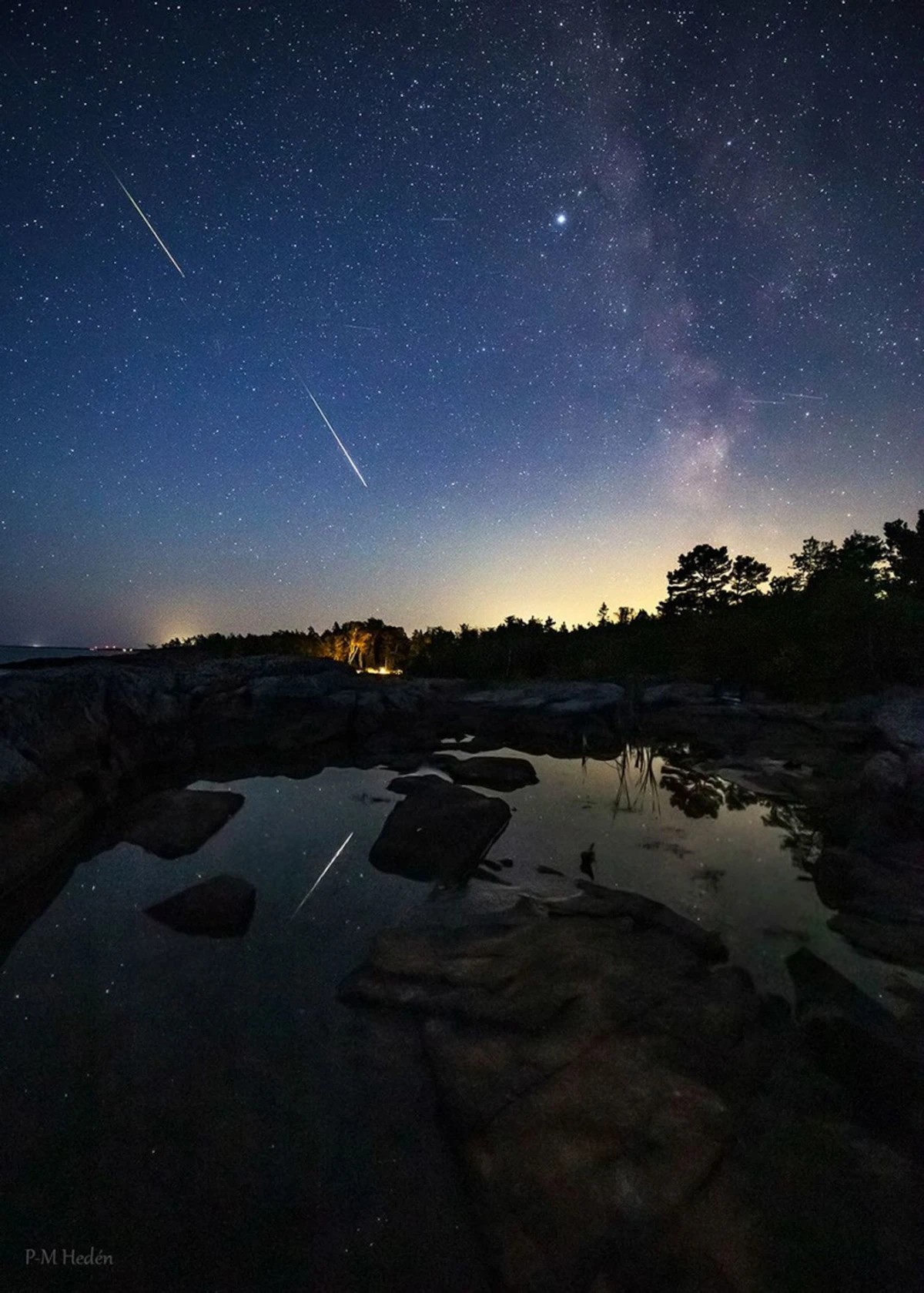
Bright Perseids from Sweden Explanation: Known for its bright and fast meteors, the annual Perseid Meteor Shower comes to planet Earth’s skies from a radiant in the heroic constellation Perseus. The popular northern summer celestial spectacle is created as grains of dust cast off along the orbit of periodic comet 109P/Swift-Tuttle vaporize in Earth’s dense atmosphere, tracing brief, but beautiful streaks through the night. Taken near the shower’s peak of…
Read More » -
NASA
What’s Up: November 2025 Skywatching Tips from NASA
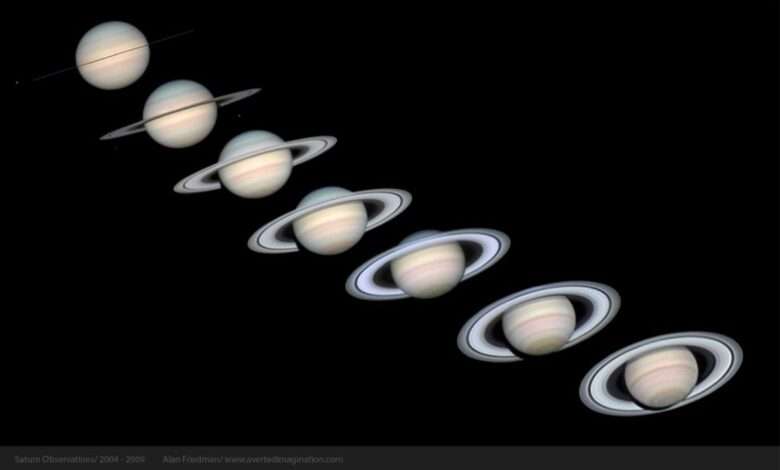
Mars and Mercury cozy up, the Leonids sparkle, and Saturn’s rings are…disappearing? Mars and Mercury get close for a conjunction, the Leonid meteor shower delights, and Saturn’s rings are…disappearing? Skywatching Highlights Nov. 12: A conjunction between Mars and Mercury Nov. 16-18: Leonid meteor shower peak viewing Nov. 23: Saturn’s rings disappear Transcript Mars and Mercury have a cozy conjunction, the…
Read More » -
NASA
Perseids Meteor Shower
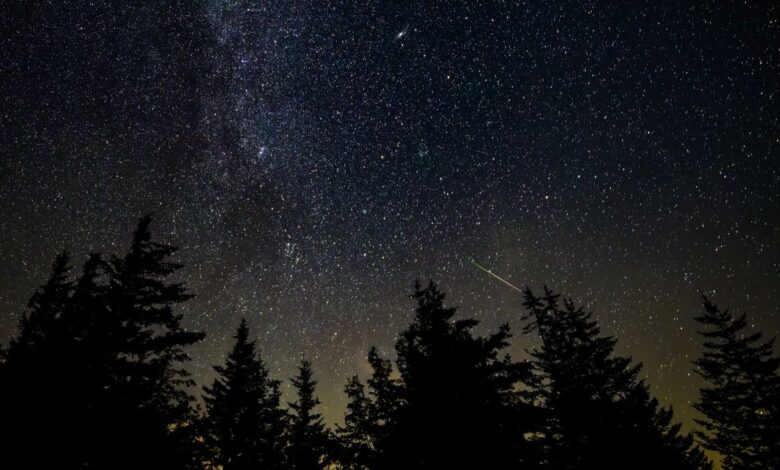
In this 30 second exposure photograph, a meteor streaks across the sky during the annual Perseid and Alpha Capricornids meteor showers, Sunday, Aug. 3, 2025, in Spruce Knob, West Virginia. The Perseids meteor shower, which peaks in mid-August, is considered the best of the year. With swift and bright meteors, Perseids frequently leave long “wakes” of light and color behind them as…
Read More »