
Milky Way
-
NASA
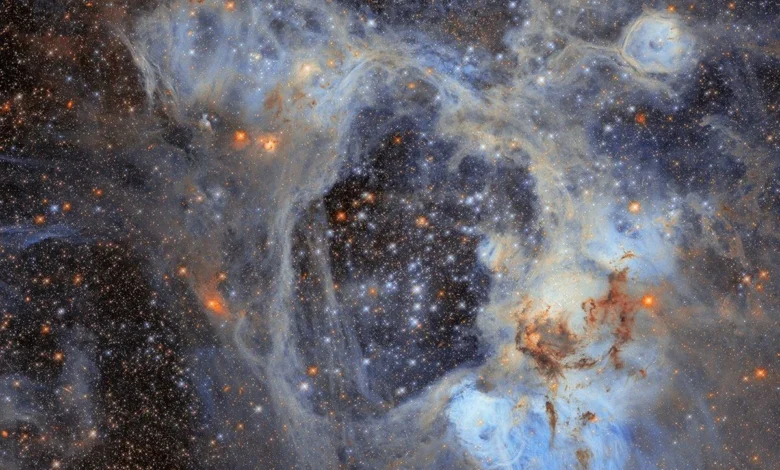
NASA’s Hubble Spies Superbubble Scene
This NASA/ESA Hubble Space Telescope image features a sprawling cosmic vista in the Large Magellanic Cloud, or LMC, the largest of the small galaxies that orbit our Milky Way galaxy. At just 160,000 light-years away, the LMC offers a close look at highly active star birth sites like the one in this image. This photogenic nebula, named LHA 120-N44, or N44, is…
Read More » -
NASA
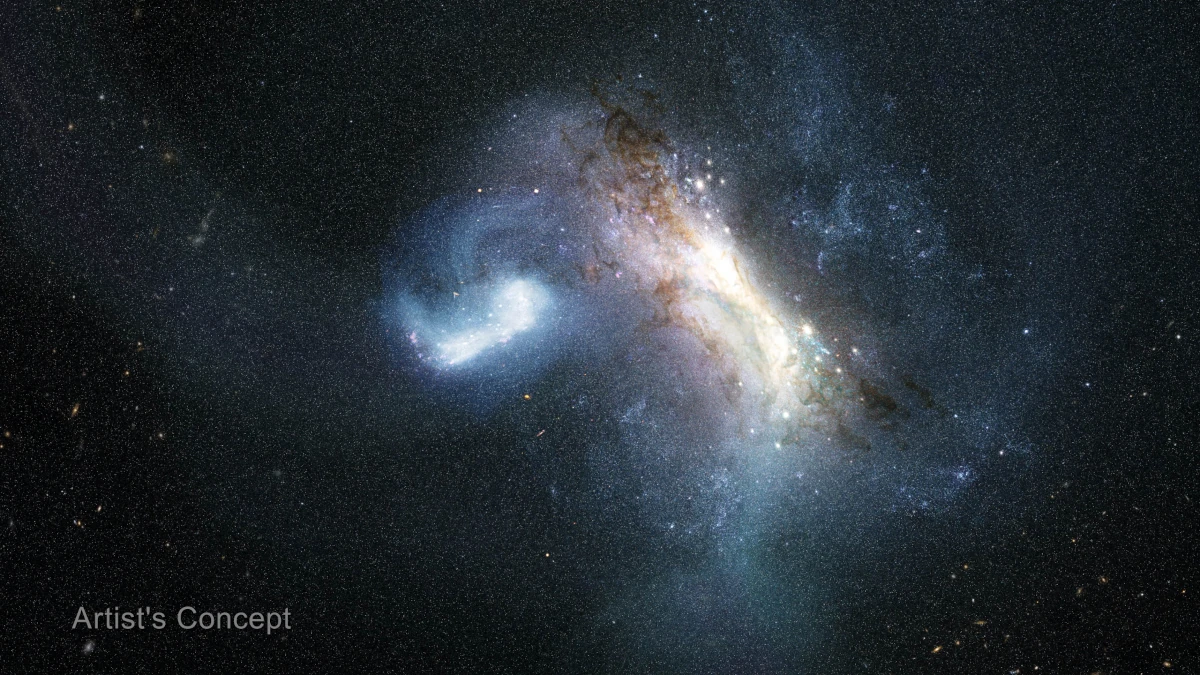
Ancient Milky Way Merger
This artist’s concept, released on Aug. 17, 2026, depicts a collision between our Milky Way galaxy and a dwarf galaxy known as LKH that happened about 12 billion years ago. A study of data from NASA’s Hubble Space Telescope, recently published in the journal Nature Astronomy, shows definitive evidence of a dwarf galaxy merging with the young Milky Way galaxy in the earliest…
Read More » -
NASA
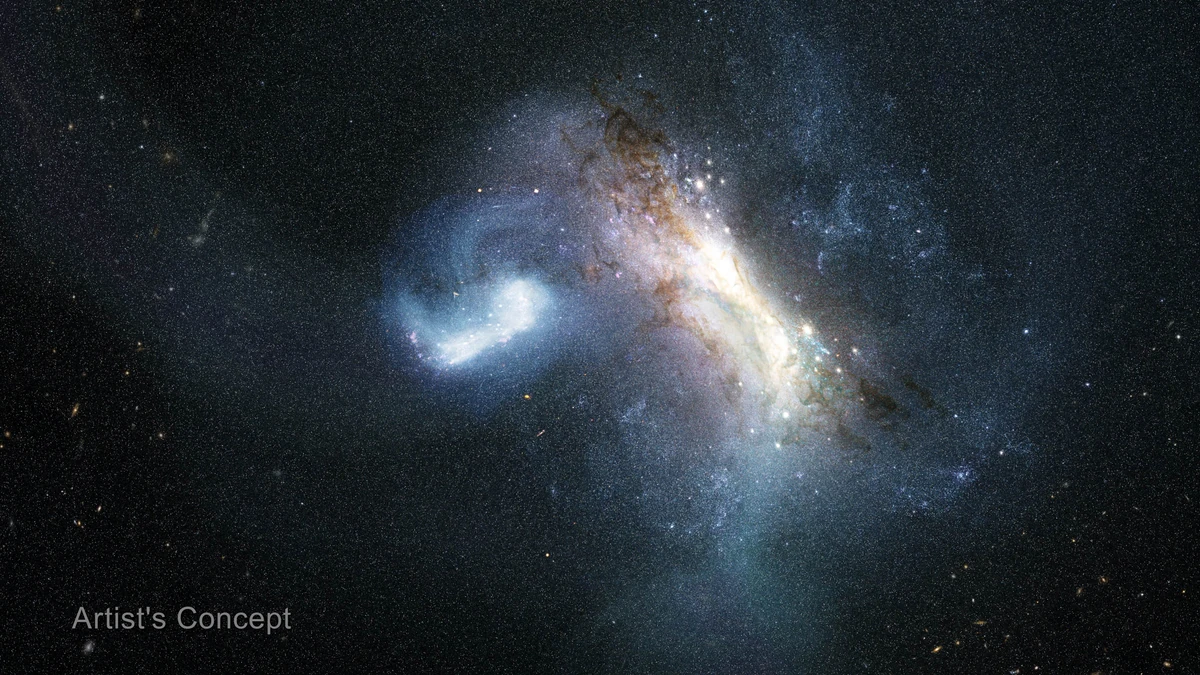
Hubble Solves Merger Mystery From Milky Way’s Early Years
Our home galaxy, the Milky Way, grew to its current size in part by consuming smaller galaxies. Now, new data from NASA’s Hubble Space Telescope shows definitive evidence of a dwarf galaxy merging with the young Milky Way galaxy in the earliest phases of its evolution. This finding extends our knowledge of our galaxy’s history 1.8 billion years farther back in time…
Read More » -
NASA
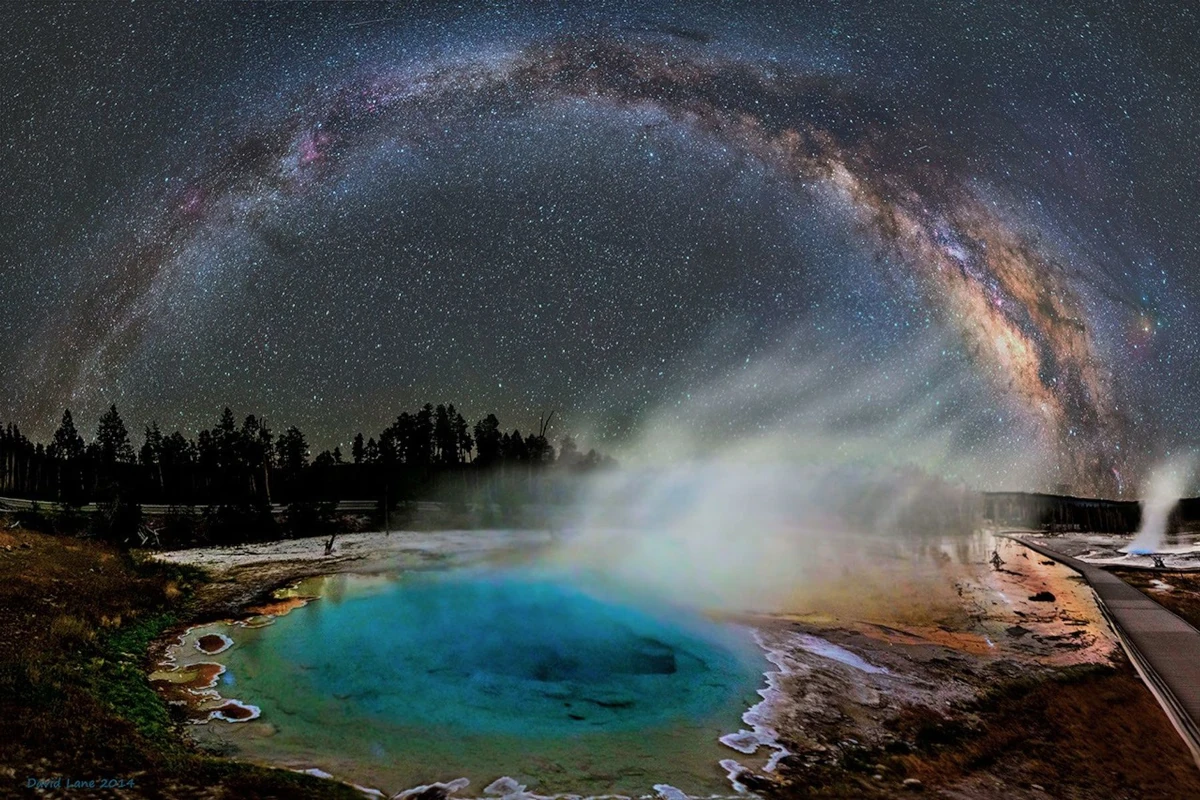
Astronomy Picture of the Day
Milky Way over Yellowstone Explanation: The Milky Way was not created by an evaporating lake. The colorful pool of water, about 10 meters across, is known as Silex Spring and is located in Yellowstone National Park in Wyoming, USA. Illuminated artificially, the colors are caused by layers of bacteria that grow in the hot spring. Steam rises off the spring, heated by underground magma associated with the Yellowstone Hotspot. Unrelated and far in the…
Read More » -
NASA

NASA Telescopes Create Colorful ‘Craft’ From Nearby Nebula
Like a collage made of layered sheets of colored cellophane, a vibrant new image layers observations of a famous star-forming nebula from NASA space telescopes. The resulting cosmic “craft” reveals new details about the star formation region known as 30 Doradus, or the Tarantula Nebula. Located in the Large Magellanic Cloud, a small neighbor galaxy to the Milky Way about…
Read More » -
NASA
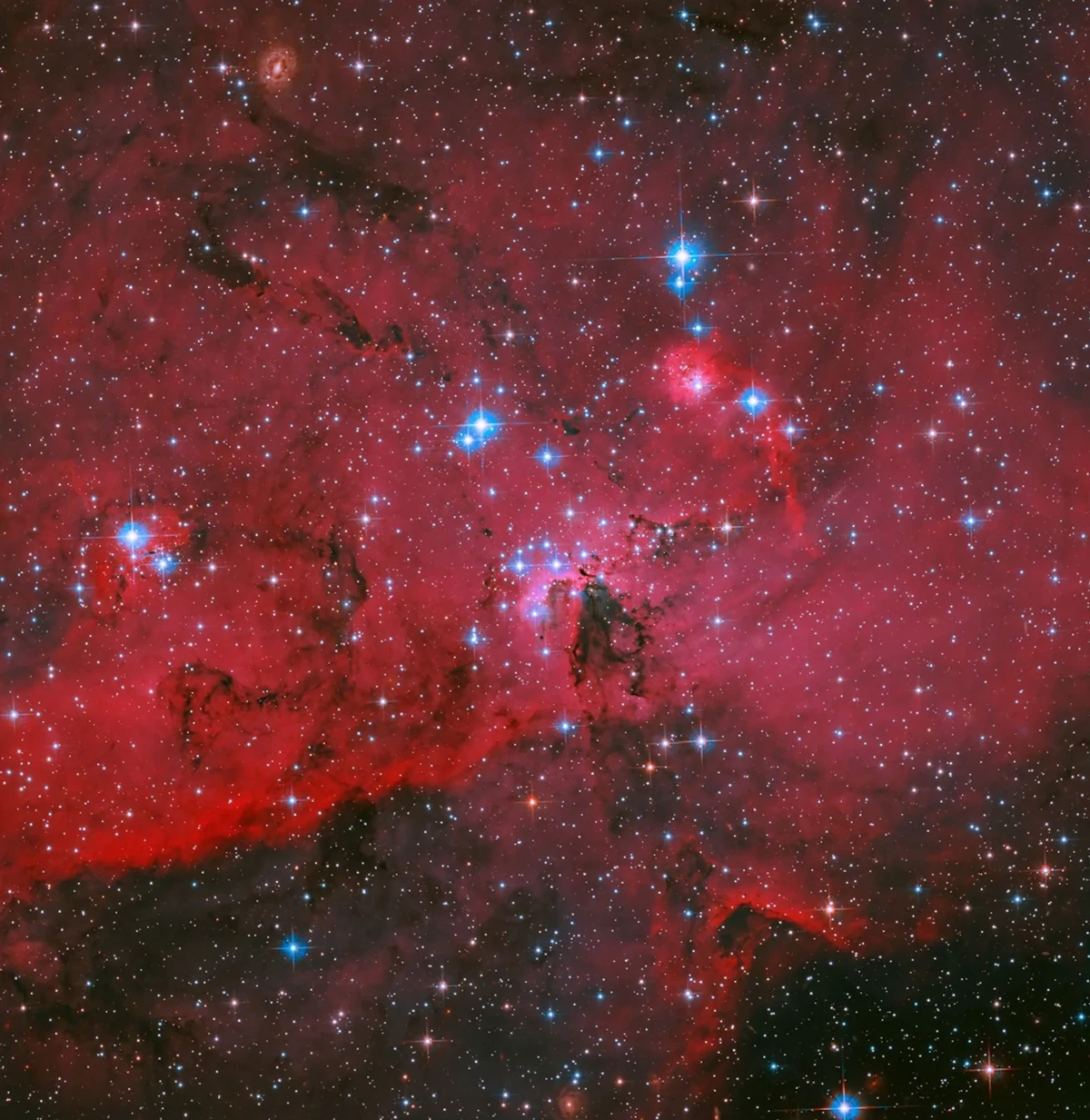
Hubble Sees Crimson Cloud and Stars
Blue and white stars shine brilliantly against a crimson background of glowing gas in this July 3, 2026, image of stellar nursery LH 95 from NASA’s Hubble Space Telescope. LH 95 is a region in the Large Magellanic Cloud, a dwarf galaxy that orbits the Milky Way. Low-mass infant stars live alongside massive blue giant stars in what is known as a…
Read More » -
NASA
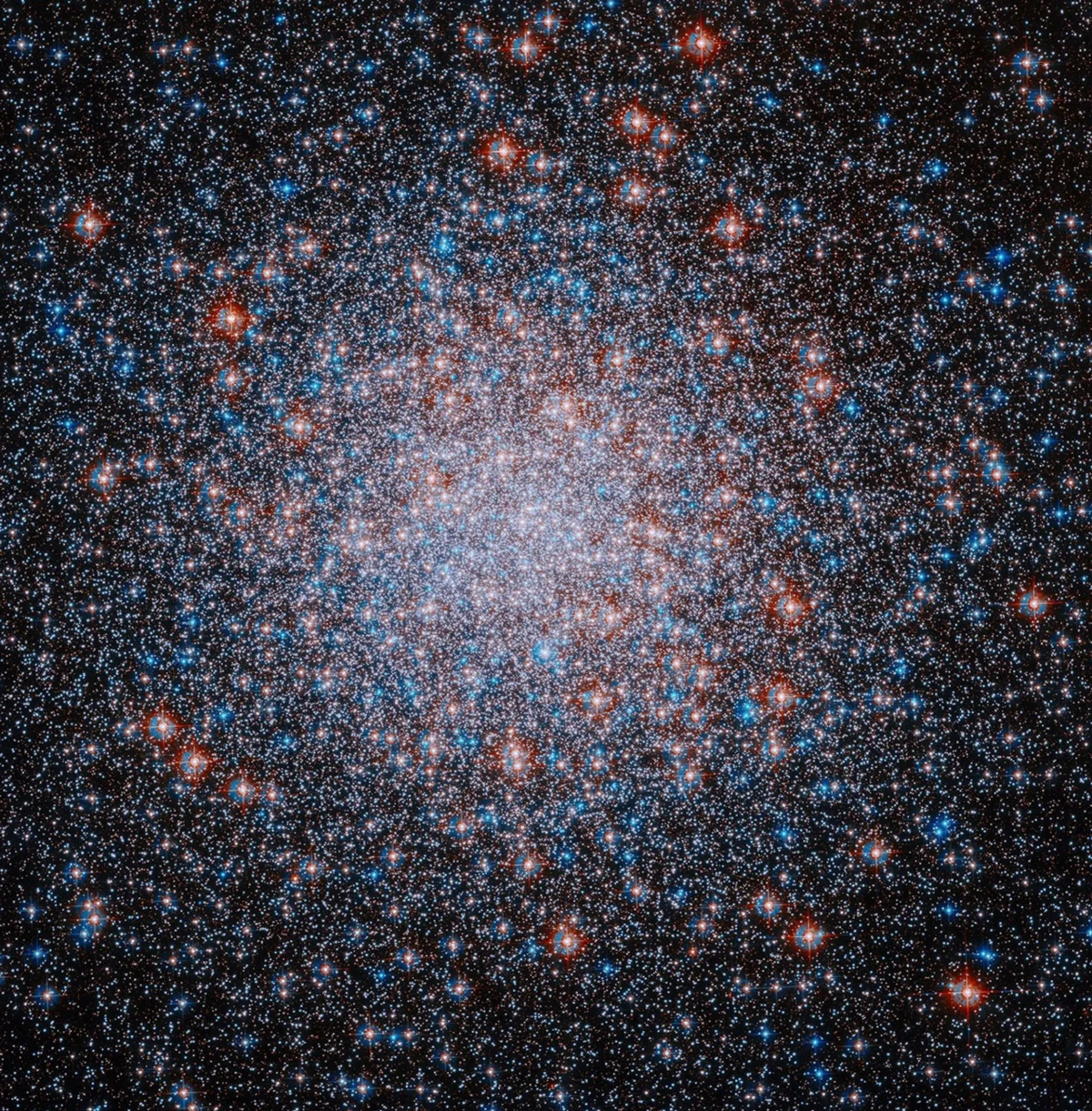
Hubble Captures Star-Studded Cluster
This image from NASA’s Hubble Space Telescope showcases Messier 3 (M3), one of the Milky Way galaxy’s most massive globular clusters, or spherical collections of gravitationally bound stars. Globular clusters are made up of ancient stars that formed at roughly the same time from the same cloud of gas, giving those stars similar ages. Around 150 known globular clusters are sprinkled around the outer regions of…
Read More » -
NASA
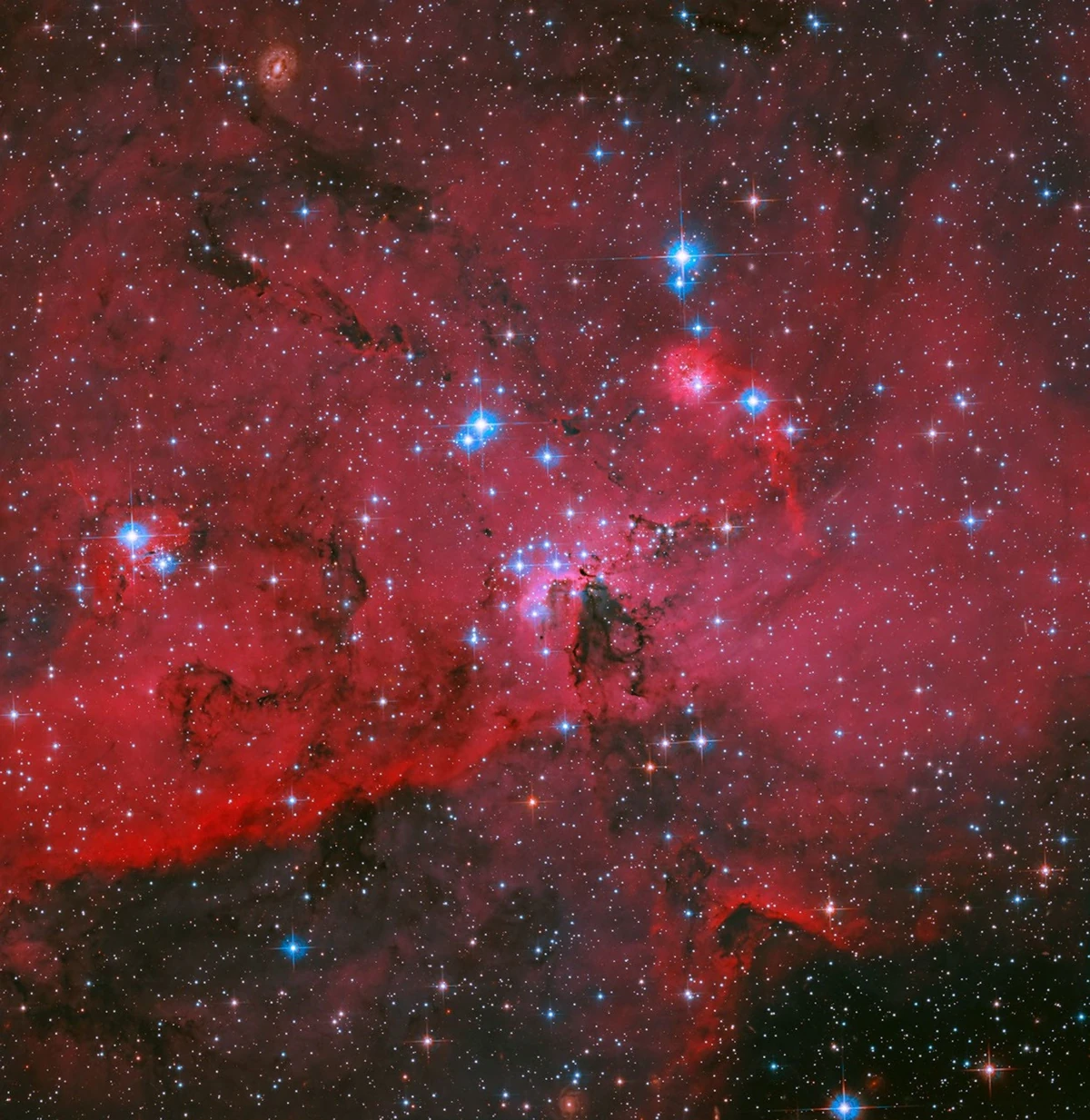
NASA’s Hubble Captures Crimson Cloud Sparkling with White, Blue Stars
Like fresh fireworks launched against a background of dissipating smoke, blue and white stars shine brilliantly against a crimson background of glowing gas in this image of stellar nursery LH 95 from NASA’s Hubble Space Telescope. LH 95 is a region in the Large Magellanic Cloud, a dwarf galaxy that orbits the Milky Way. Low-mass infant stars live alongside massive blue giant…
Read More » -
NASA
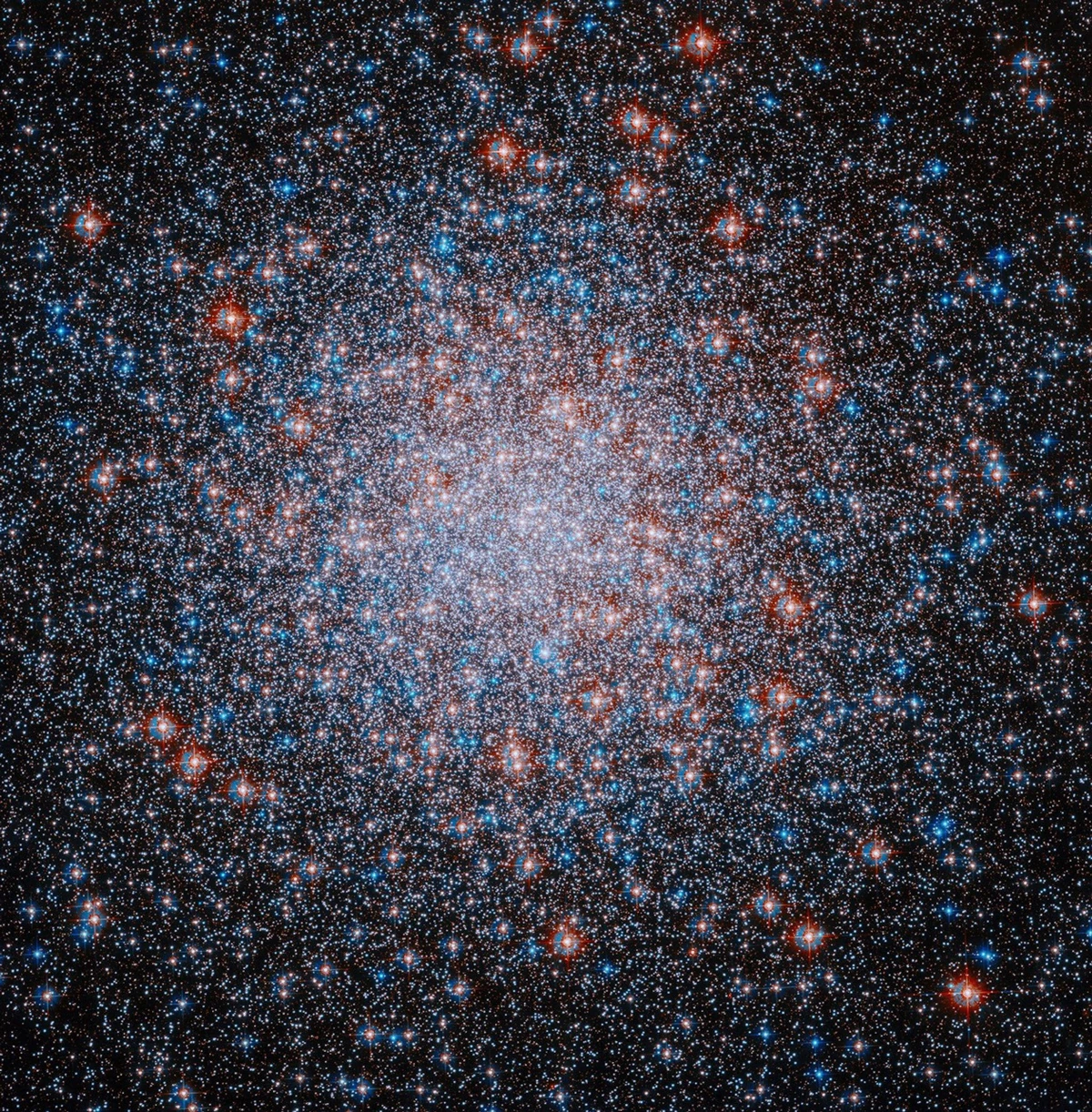
What’s Up: July 2026 Skywatching Tips from NASA
A predawn Moon-and-planets meetup, a returning comet, a great chance to see the Milky Way, and Saturn’s rings at a new angle. Skywatching Highlights July 7: Last Quarter Moon July 11 + 12: Dawn alignment of the Moon, Mars, Saturn, and Uranus July 14: New Moon; best dark-sky window for Comet 10P/Tempel 2 and the Milky Way Later in July: Saturn’s unusually thin rings…
Read More » -
NASA

NASA’s Chandra Examines Milky Way at Arms’ Length
A new result using NASA’s Chandra X-ray Observatory shows that the outer spiral arms in the Milky Way galaxy may reach wider than previously thought. This finding may lead astronomers to adjust their understanding of our home galaxy’s structure. A team of astronomers made this discovery by making precise measurements of distances to dust clouds in the Milky Way’s spiral…
Read More »