
Milky Way
-
NASA
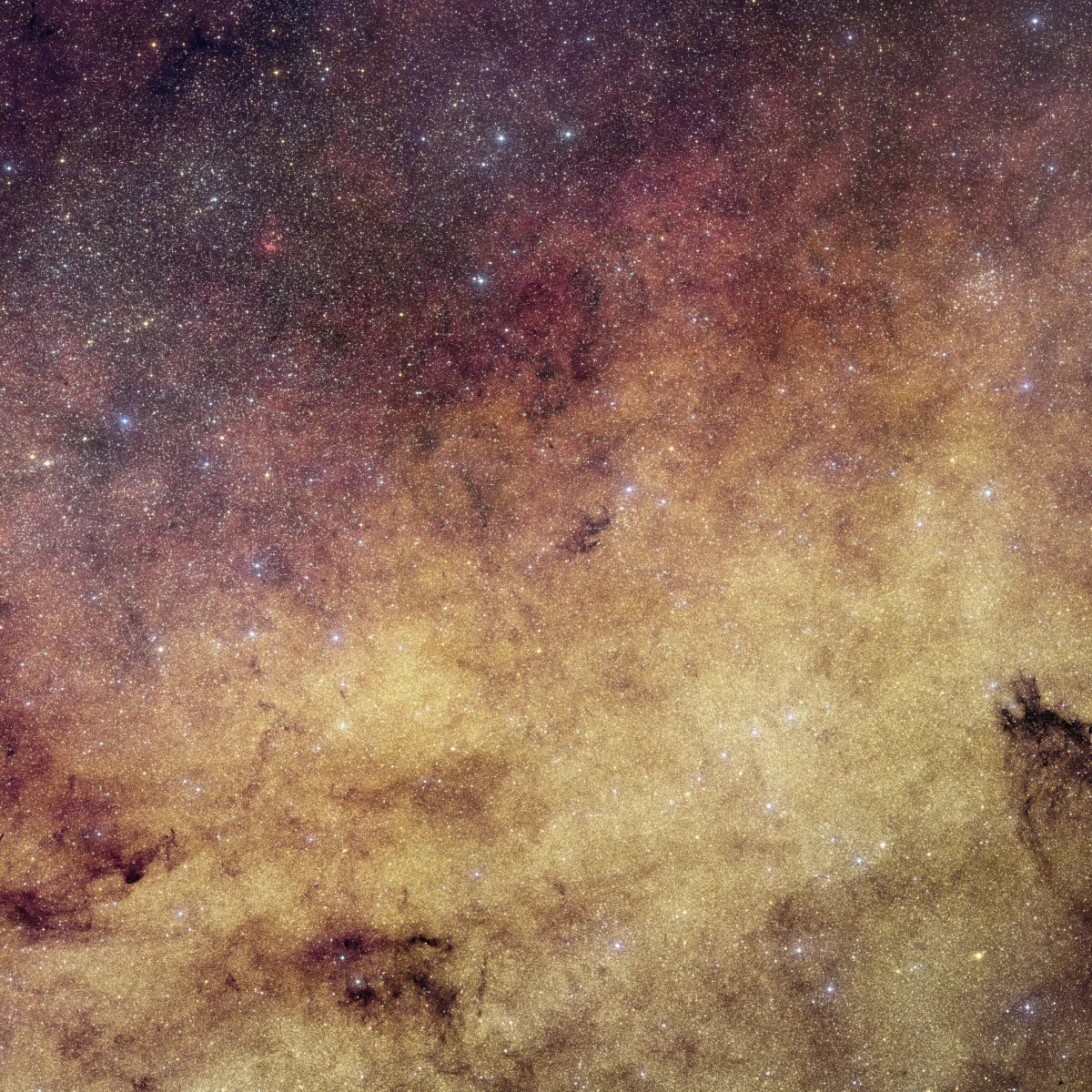
Euclid Sees Heart of Milky Way
Euclid, an ESA (European Space Agency) mission with NASA contributions, took a new look at the heart of our Milky Way galaxy, seen in this image released on June 24, 2026. This observation overlaps with a region scientists will observe with NASA’s Nancy Grace Roman Space Telescope, launching later this summer. This sneak peek gives astronomers a major jumpstart on a…
Read More » -
NASA
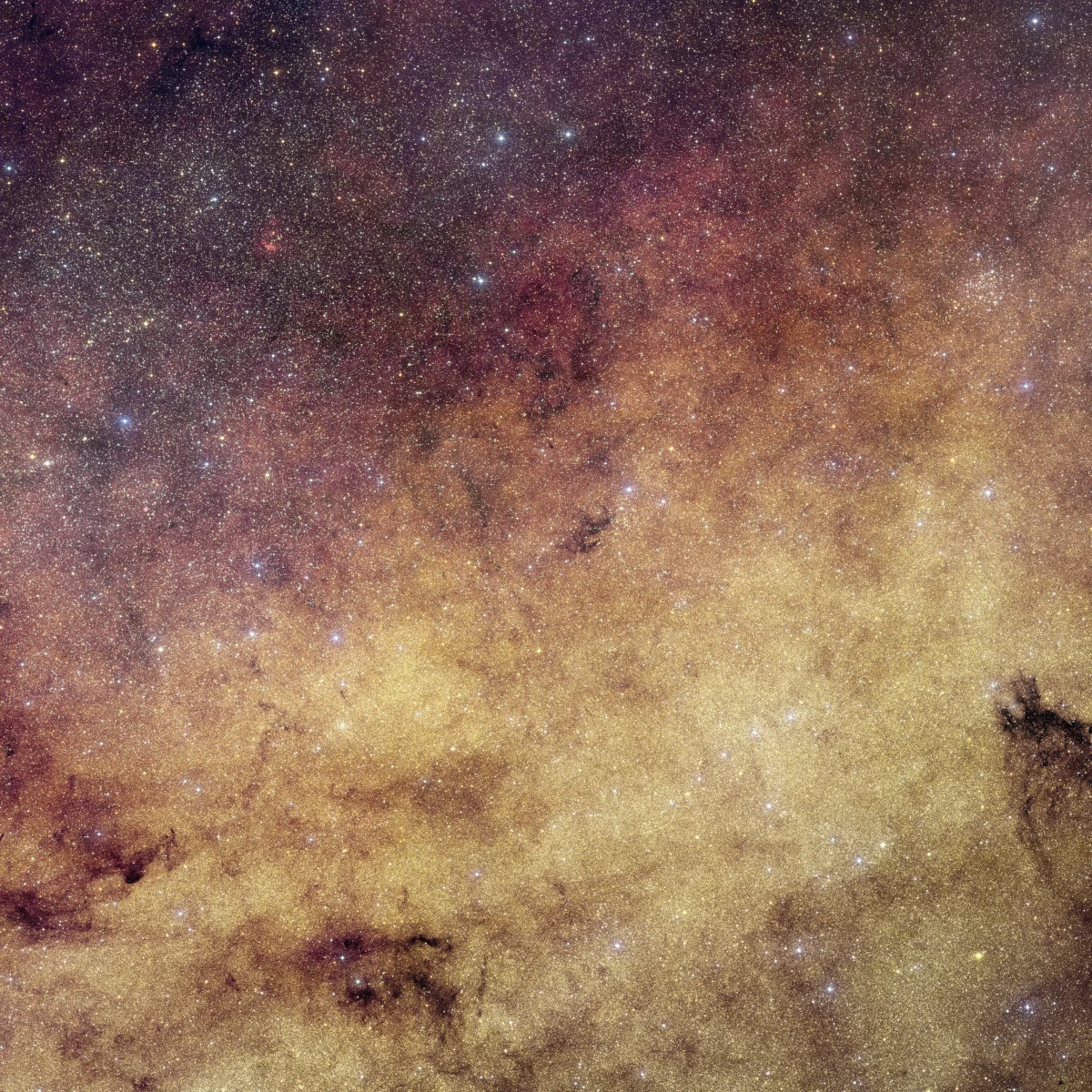
Euclid View of Milky Way Heart Previews Core Survey by NASA’s Roman
This image by ESA’s (European Space Agency) Euclid (with color added using ground-based images) provides an earlier snapshot of a region of our galaxy that NASA’s Nancy Grace Roman Space Telescope will repeatedly observe during the upcoming years. Euclid spent one day taking a series of nine individual images near the heart of the Milky Way. Its wider image has…
Read More » -
NASA
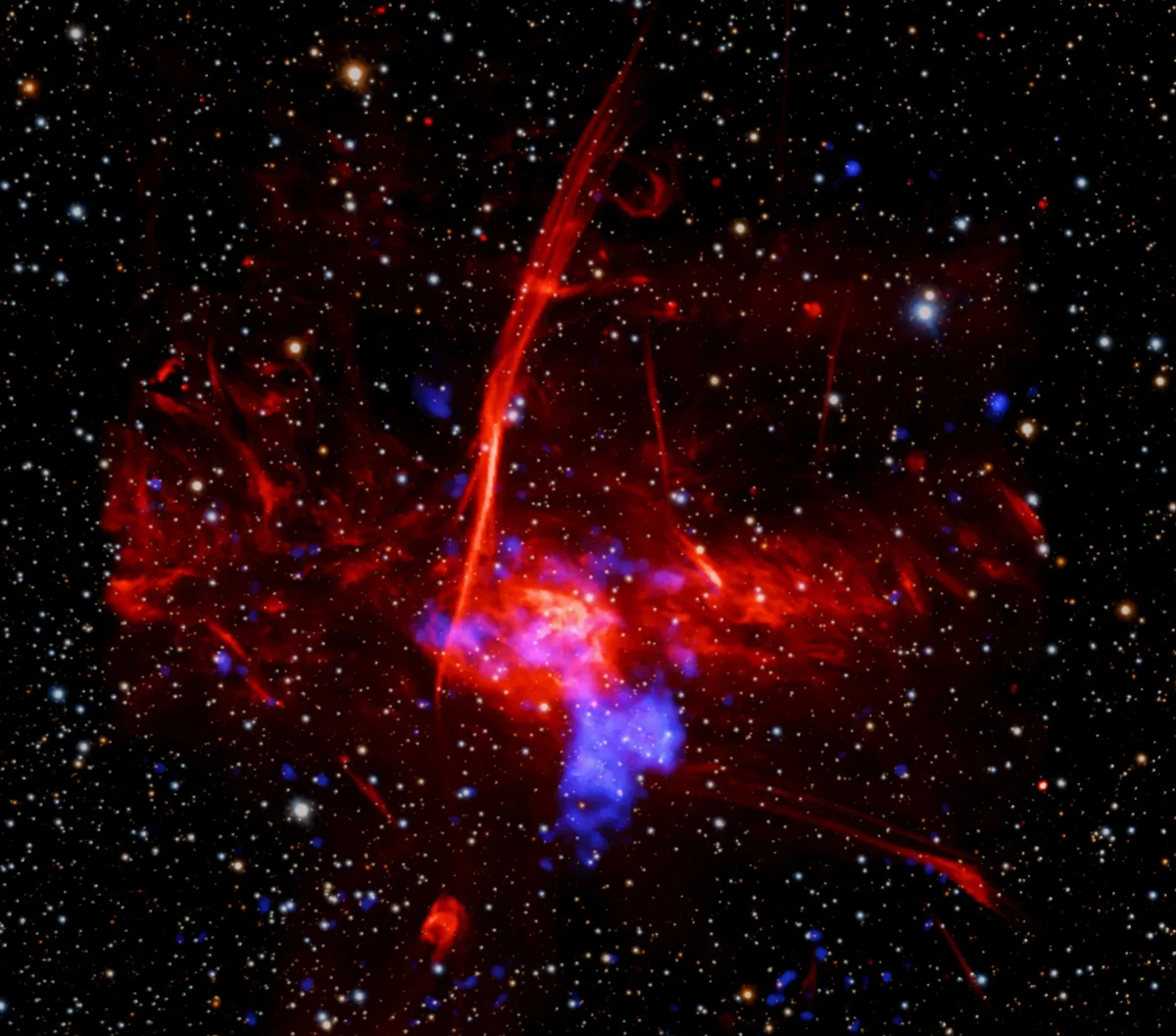
NASA’s Chandra Finds Possible Supernova Remnant
Using data from NASA’s Chandra X-ray Observatory, astronomers may have found a supernova remnant – seen in this June 11, 2026, image – in an intriguing neighborhood in the middle of the Milky Way galaxy. Supernova remnants are the expanding remains of exploded stars and provide elements like iron, oxygen, and silicon that are critical for the formation of planets and…
Read More » -
NASA
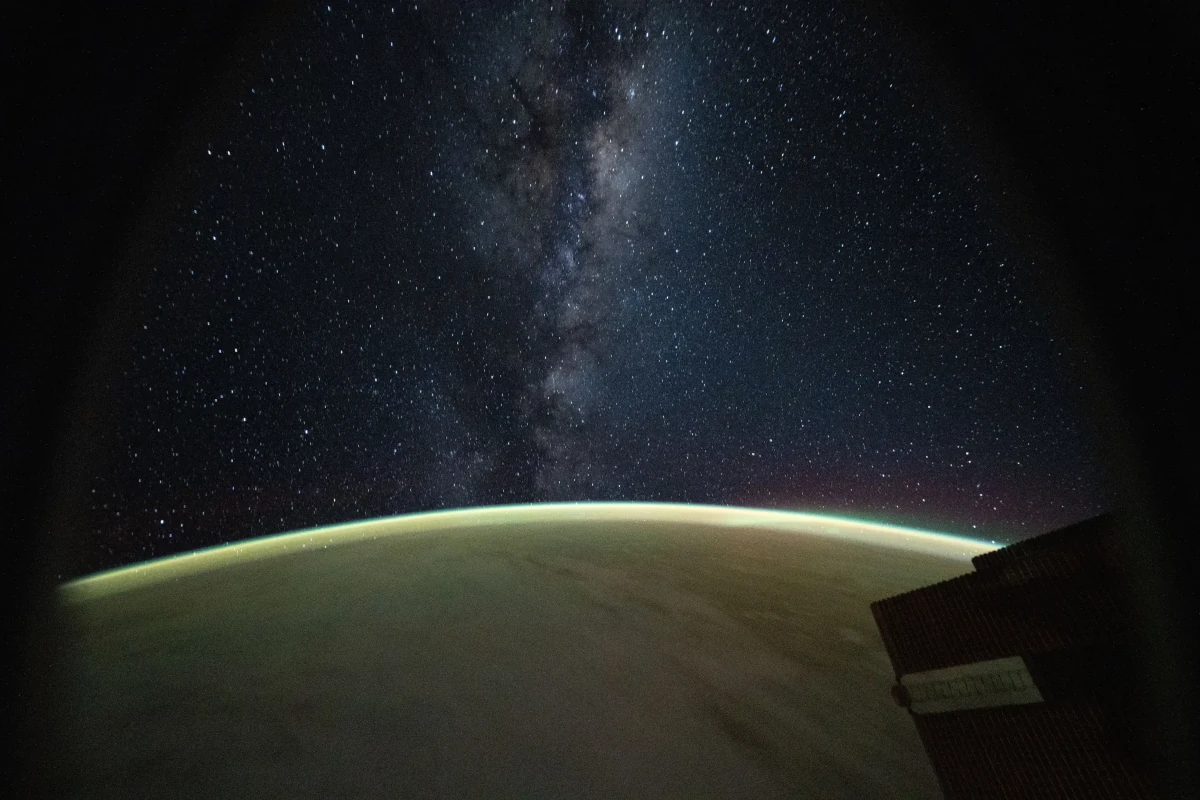
Glowing Views from the Space Station
NASA astronaut Chris Williams captured the Milky Way rising above Earth’s atmospheric glow on April 13, 2026, while aboard a SpaceX Dragon docked to the International Space Station. This atmospheric glow is also called airglow. It occurs when atoms and molecules in the upper atmosphere, excited by sunlight, emit light to shed their excess energy. Alternatively, it can happen when atoms…
Read More » -
NASA
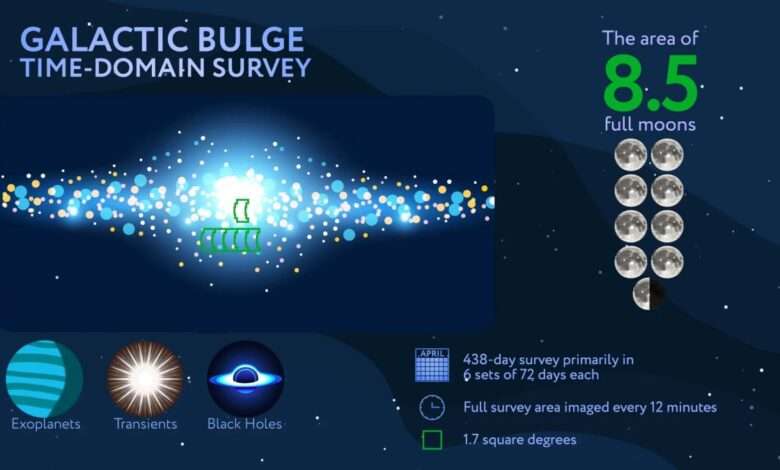
Journey to Center of Milky Way With Upcoming NASA Roman Core Survey
At the heart of our own galaxy, there is a dense thicket of stars with a supermassive black hole at the very center. NASA’s Nancy Grace Roman Space Telescope will provide the deepest-ever view of this zone, revealing stars, planets, and unique objects that resist definition. Based on the input of astronomers from across the globe, the Roman Space Telescope…
Read More » -
NASA
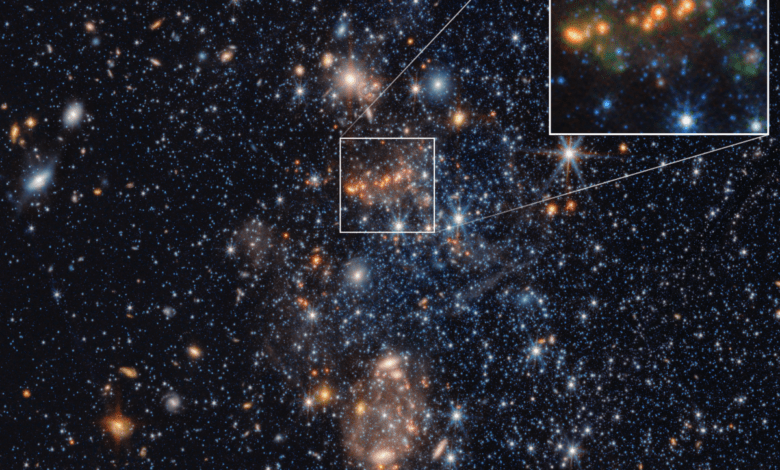
NASA Webb Finds Early-Universe Analog’s Unexpected Talent for Making Dust
Using NASA’s James Webb Space Telescope, astronomers have spotted two rare kinds of dust in the dwarf galaxy Sextans A, one of the most chemically primitive galaxies near the Milky Way. The finding of metallic iron dust and silicon carbide (SiC) produced by aging stars, along with tiny clumps of carbon-based molecules, shows that even when the universe had only…
Read More » -
NASA
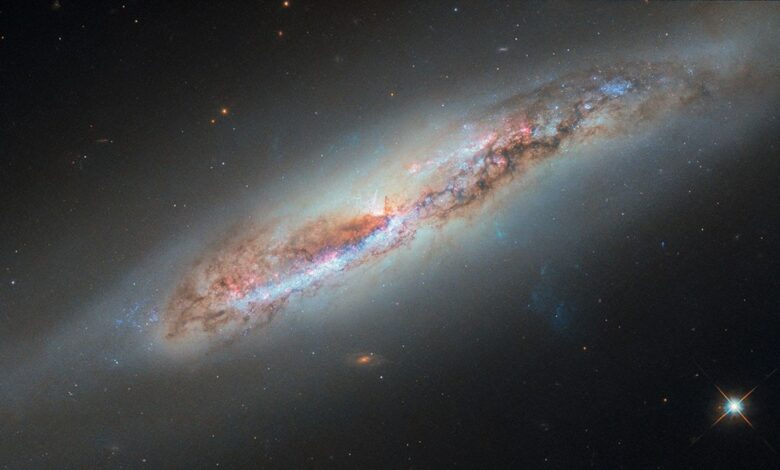
Hubble Glimpses Galactic Gas Making a Getaway
A sideways spiral galaxy shines in this NASA/ESA Hubble Space Telescope image. Located about 60 million light-years away in the constellation Virgo (the Maiden), NGC 4388 is a resident of the Virgo galaxy cluster. This enormous cluster of galaxies contains more than a thousand members and is the nearest large galaxy cluster to the Milky Way. NGC 4388 appears to tilt at…
Read More » -
NASA
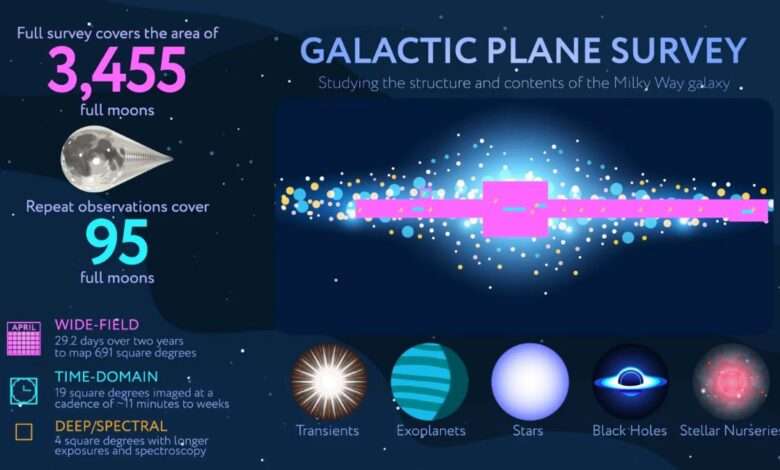
NASA Announces Plan to Map Milky Way With Roman Space Telescope
NASA’s Nancy Grace Roman Space Telescope team has released detailed plans for a major survey that will reveal our home galaxy, the Milky Way, in unprecedented detail. In one month of observations spread across two years, the survey will unveil tens of billions of stars and explore previously uncharted structures. This video begins with a view of the Carina Nebula…
Read More » -
Press Releases
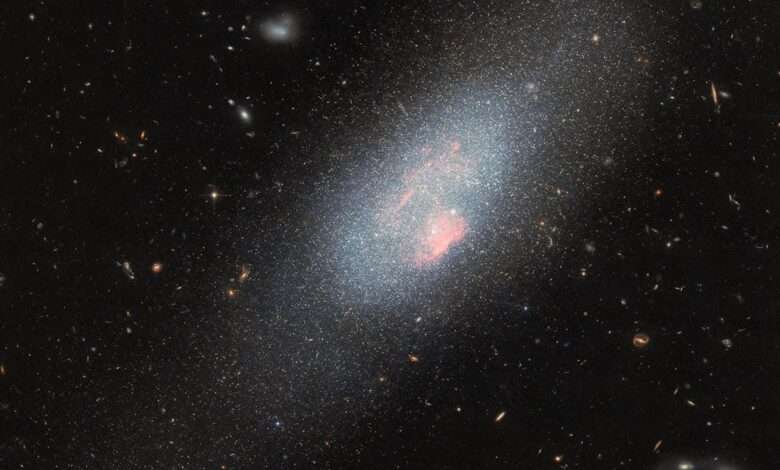
Massive Stars Make Their Mark in Hubble Image
This NASA/ESA Hubble Space Telescope image features a glittering blue dwarf galaxy called Markarian 178 (Mrk 178). The galaxy, which is substantially smaller than our own Milky Way, lies 13 million light-years away in the constellation Ursa Major (the Great Bear). Mrk 178 is one of more than 1,500 Markarian galaxies. These galaxies get their name from the Armenian astrophysicist Benjamin Markarian,…
Read More » -
NASA
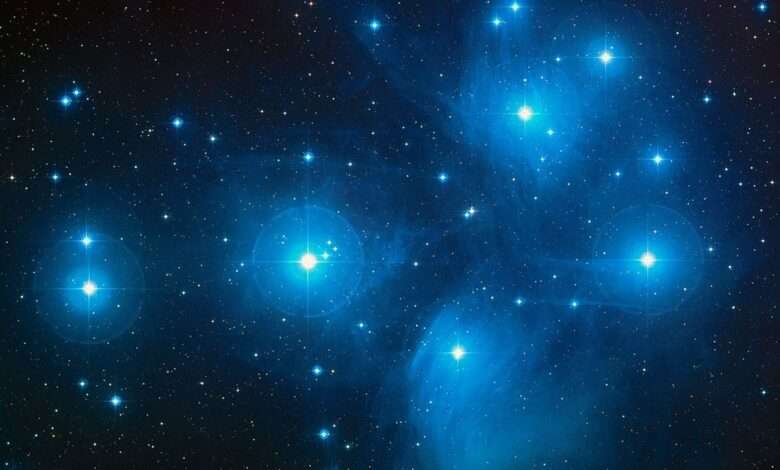
NASA’s TESS Spacecraft Triples Size of Pleiades Star Cluster
Astronomers have revolutionized our understanding of a collection of stars in the northern sky called the Pleiades. They used data from NASA’s TESS (Transiting Exoplanet Survey Satellite) and other observatories as NASA explores the secrets of the universe for the benefit of all, from the Moon to Mars and beyond. By examining the rotation, chemistry, and orbit around the Milky…
Read More »