
Milky Way
-
NASA

Hubble Captures Unique Ultraviolet View of a Spectacular Star Cluster
Roughly 210,000 light-years away, the Small Magellanic Cloud (SMC) is one of our Milky Way galaxy’s closest neighbors. In fact, this small galaxy is one of the Milky Way’s “satellite” galaxies, which orbit our home spiral galaxy. Nested within the SMC is this spectacular star cluster, known as NGC 346. Its hot stars unleash a torrent of radiation and energetic…
Read More » -
NASA

Discovery Alert: An Earth-sized World and Its Ultra-cool Star
Our galaxy is a jewel box of red stars. More than 70% of the stars in the Milky Way are M dwarfs, also known as red dwarfs. These stars are cool and dim compared with our Sun, but they often blast orbiting exoplanets with high-energy radiation, especially early in their lives. And those ‘‘lives’’ last a long time. Stars like our Sun…
Read More » -
NASA
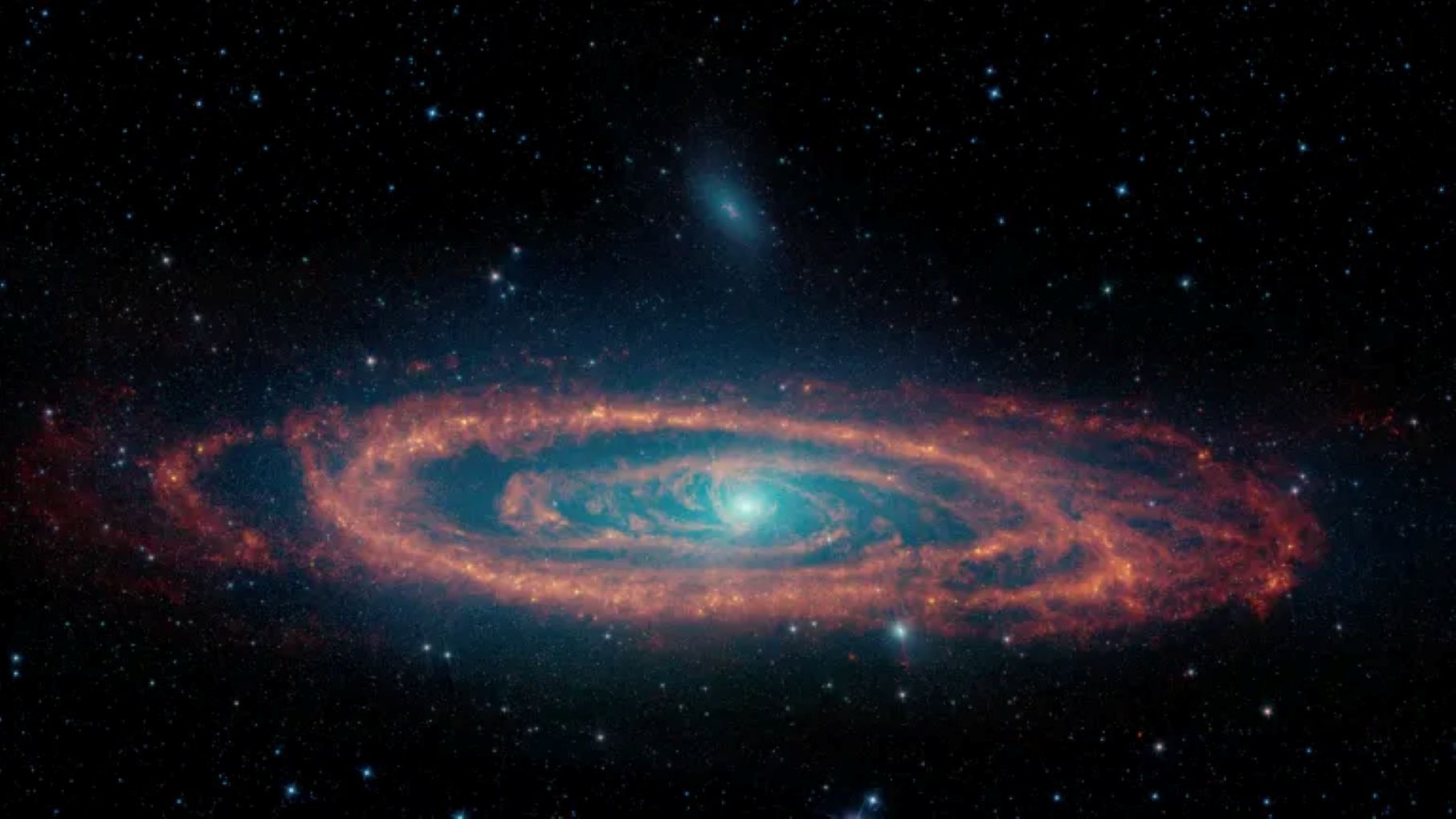
NASA Images Help Explain Eating Habits of Massive Black Hole
Data from NASA’s retired Spitzer Space Telescope has given scientists new insights into why some supermassive black holes shine differently than others. In images from NASA’s retired Spitzer Space Telescope, streams of dust thousands of light-years long flow toward the supermassive black hole at the heart of the Andromeda galaxy. It turns out these streams can help explain how black holes billions of…
Read More » -
NASA
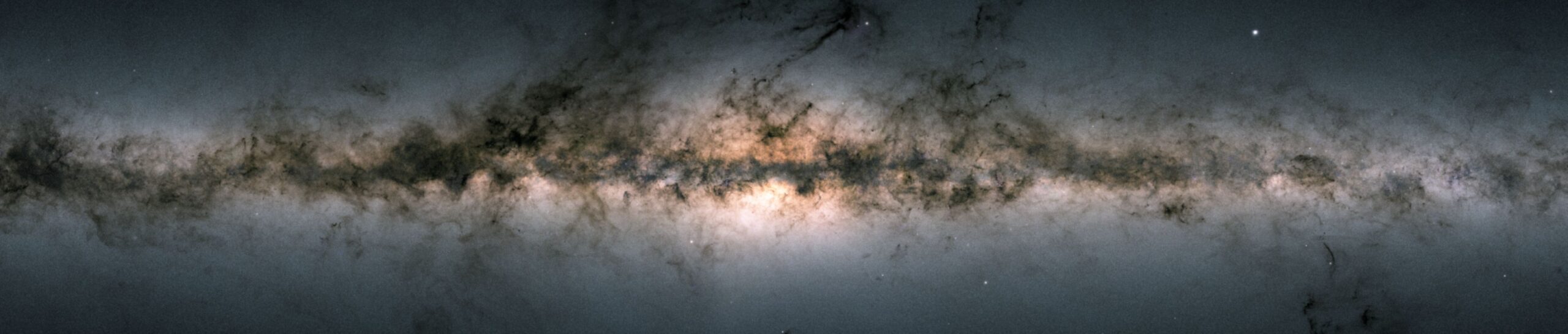
NASA’s Roman Team Selects Survey to Map Our Galaxy’s Far Side
NASA’s Nancy Grace Roman Space Telescope team has announced plans for an unprecedented survey of the plane of our Milky Way galaxy. It will peer deeper into this region than any other survey, mapping more of our galaxy’s stars than all previous observations combined. “There’s a really broad range of science we can explore with this type of survey, from star formation…
Read More » -
NASA
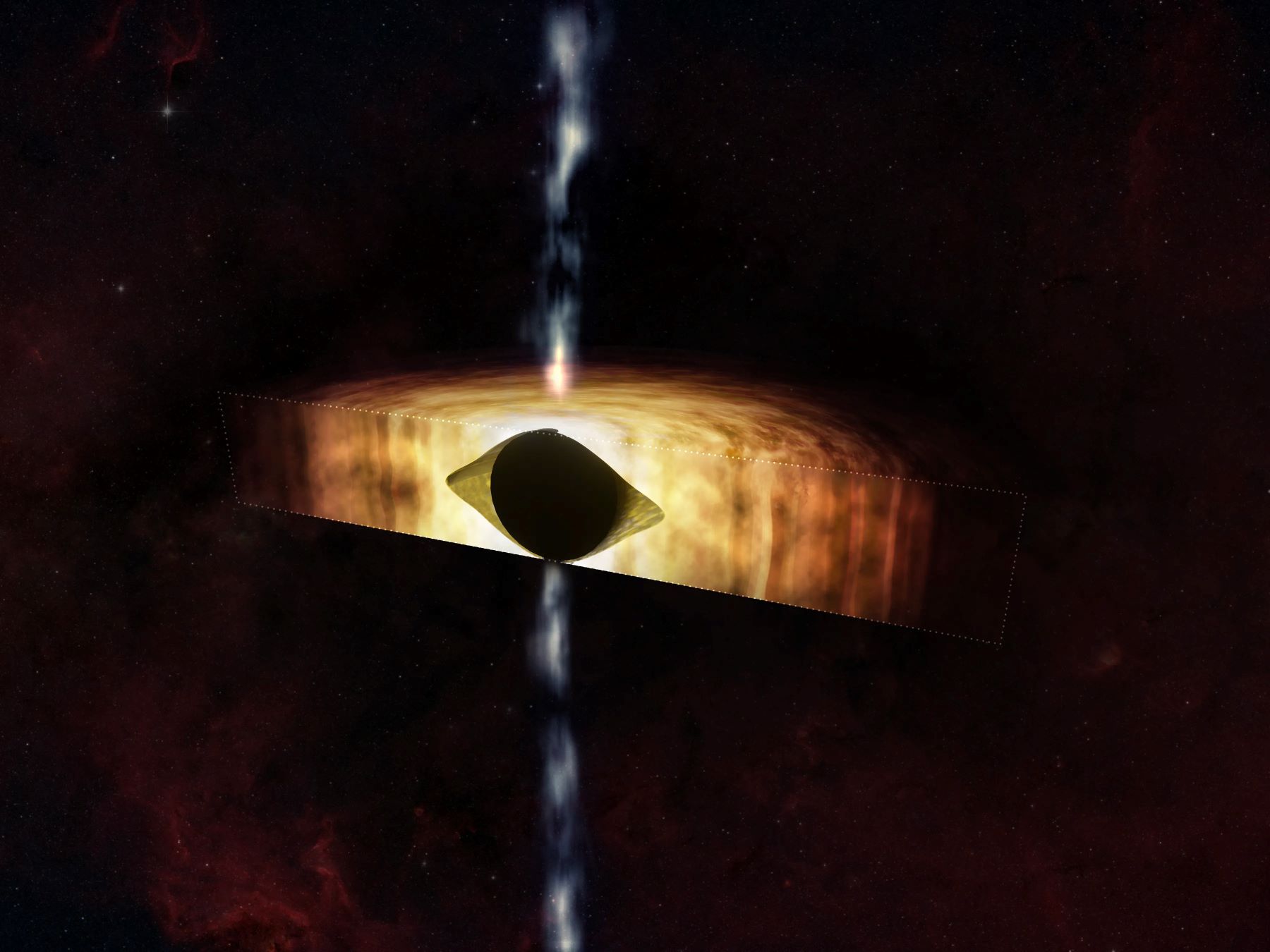
Telescopes Show the Milky Way’s Black Hole is Ready for a Kick
This artist’s illustration depicts the findings of a new study about the supermassive black hole at the center of our galaxy called Sagittarius A* (abbreviated as Sgr A*). As reported in our latest press release, this result found that Sgr A* is spinning so quickly that it is warping spacetime — that is, time and the three dimensions of space — so that it can…
Read More » -
Press Releases
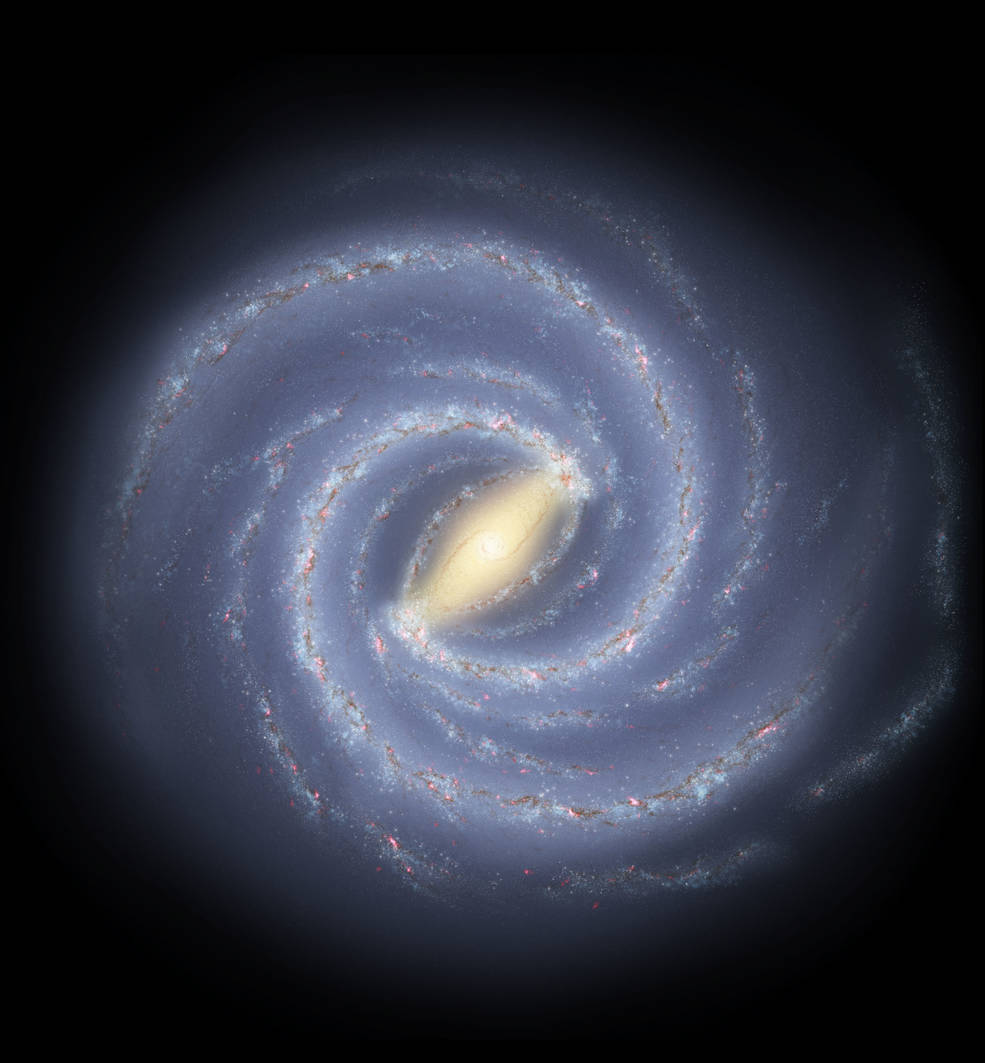
NASA Selects Gamma-ray Telescope to Chart Milky Way Evolution
NASA has selected a new space telescope proposal that will study the recent history of star birth, star death, and the formation of chemical elements in the Milky Way. The gamma-ray telescope, called the Compton Spectrometer and Imager (COSI), is expected to launch in 2025 as NASA’s latest small astrophysics mission. NASA’s Astrophysics Explorers Program received 18 telescope proposals in 2019 and selected…
Read More »