
Moon Landing
-
NASA
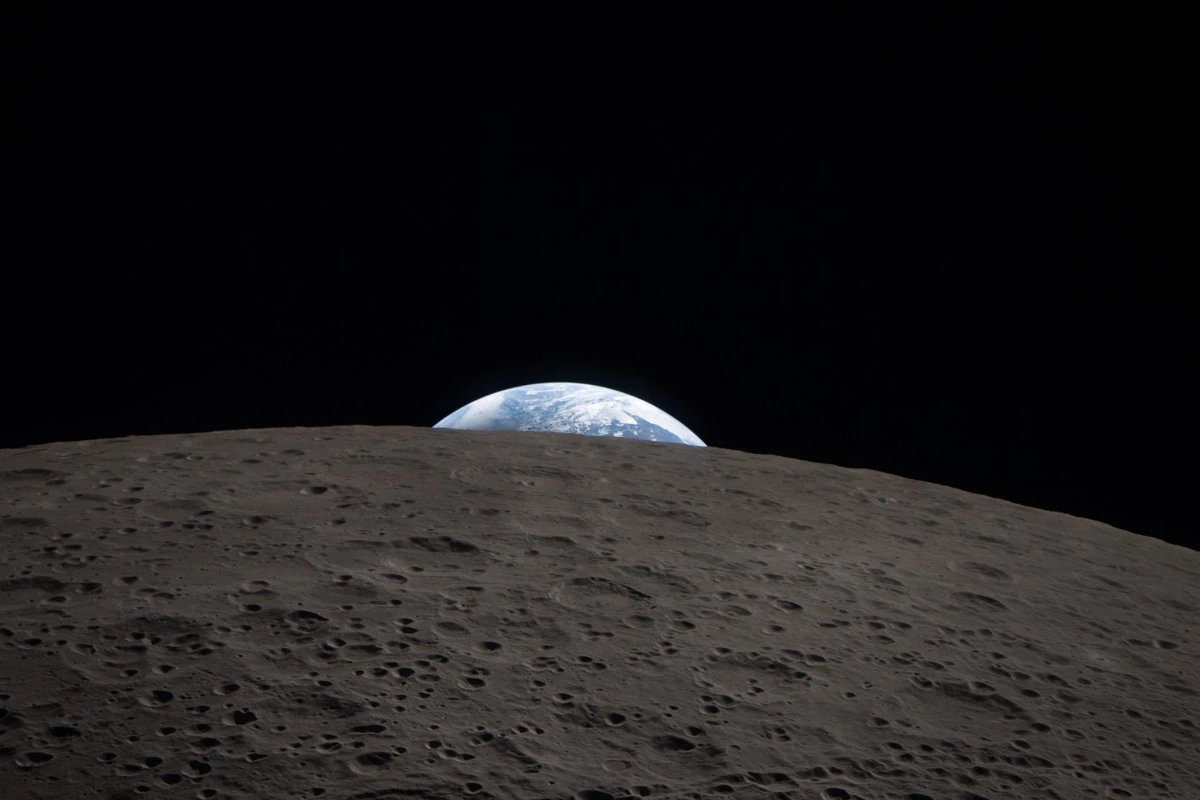
How NASA’s Artemis III Lander Test Will Pave Way for Moon Landings
Before Artemis astronauts land on the Moon’s surface in 2028, NASA will conduct the Artemis III demonstration mission in 2027, allowing teams on Earth and in orbit to practice rendezvous and docking operations between commercial human landing systems and the Orion spacecraft. Data from that mission, along with future uncrewed demonstration missions at the Moon, will support astronaut safety and…
Read More » -
NASA
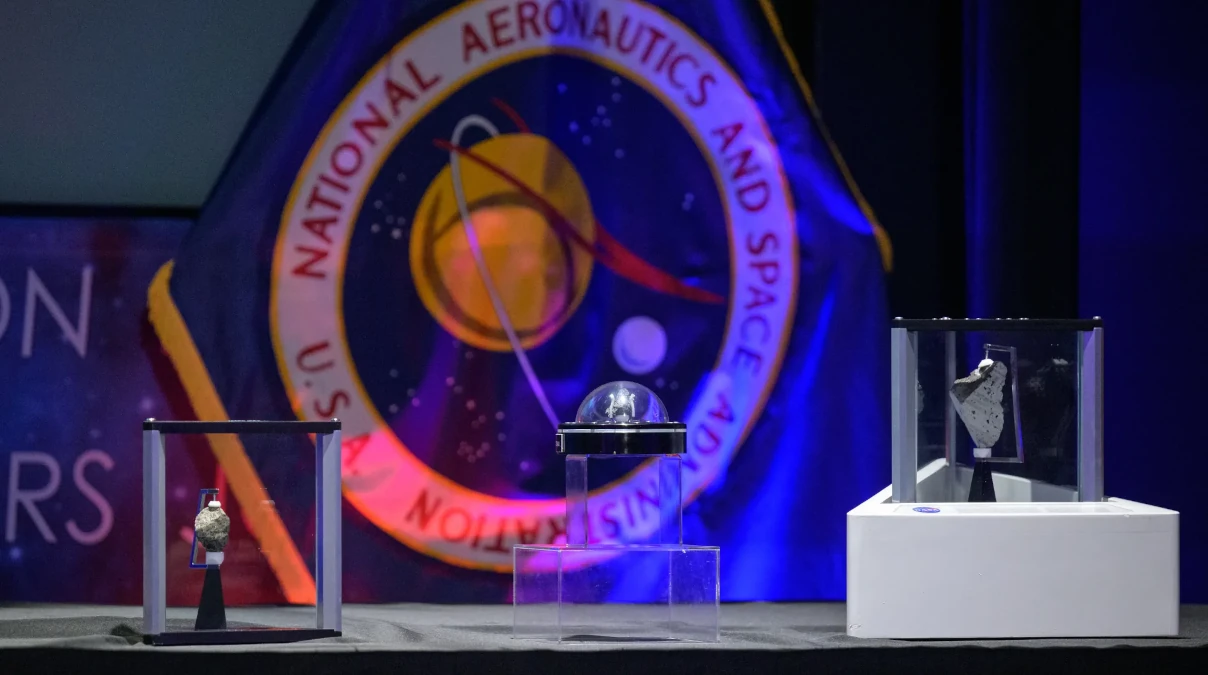
Reminders of Where We’ve Been, Where We’re Going
Three Moon rocks are on display during a March 24, 2026, event where NASA announced a series of transformative agencywide initiatives designed to achieve the National Space Policy and advance American leadership in space. NASA leadership provided updates on mission priorities, including sending the first astronauts to the lunar surface in more than 50 years, establishing the initial elements of a permanent lunar…
Read More » -
NASA
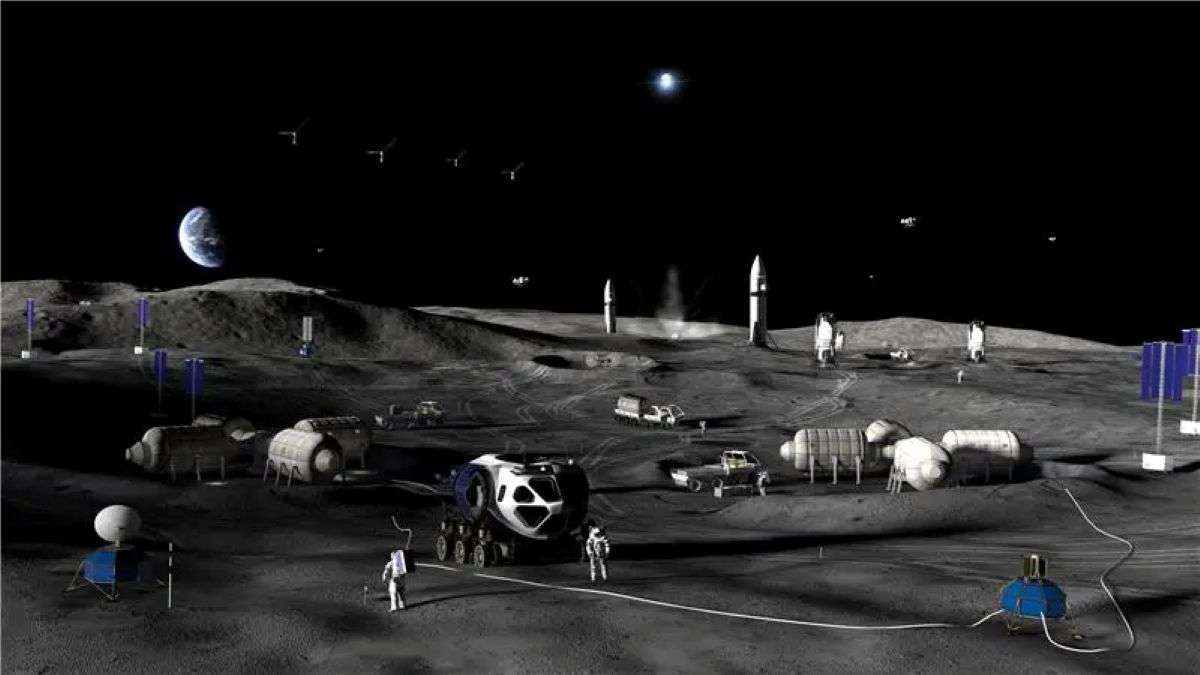
NASA Unveils Initiatives to Achieve America’s National Space Policy
As part of its “Ignition” event on Tuesday, NASA announced a series of transformative agencywide initiatives designed to achieve President Donald J. Trump’s National Space Policy and advance American leadership in space. These actions reflect the urgency of the moment, but also the tremendous opportunity ahead for world-changing science and discovery. “NASA is committed to achieving the near‑impossible once again,…
Read More » -
NASA
NASA 2026 Human Lander Challenge
NASA’s Human Lander Challenge (HuLC) is an initiative supporting its Exploration Systems Development Mission Directorate’s (ESDMD’s) efforts to explore innovative solutions for a variety of known technology development areas for human landing systems (HLS). Landers are used to safely ferry astronauts to and from the lunar surface as part of the mission architecture for NASA’s Artemis campaign. Through this challenge, college…
Read More » -
NASA

NASA, Army National Guard Partner on Flight Training for Moon Landing
By Corinne BeckingerWhen Artemis astronauts land on the Moon’s South Pole in a commercial human landing system, they will encounter a landscape pockmarked with deep craters, sloped connecting ridges, and harsh lighting conditions. The Moon’s lack of contrast, combined with its rolling terrain, will also pose a challenge, making it difficult for astronauts to overcome visual illusions on the lunar…
Read More » -
NASA
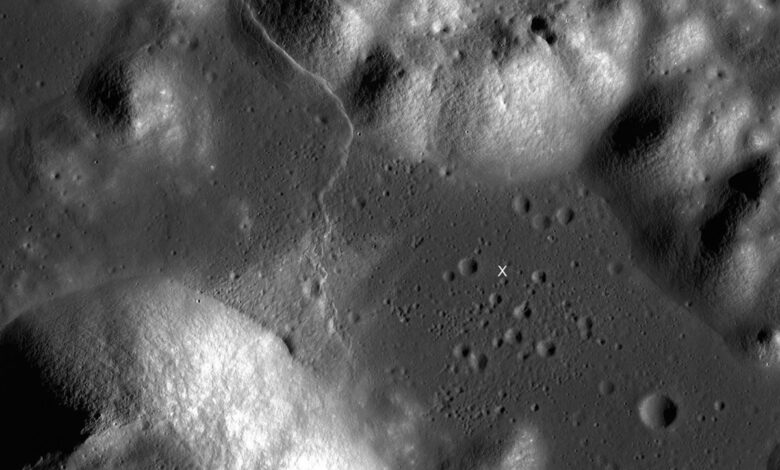
NASA’s Apollo Samples, LRO Help Scientists Forecast Moonquakes
As NASA prepares to send astronauts to the surface of the Moon’s south polar region for the first time ever during the Artemis III mission, scientists are working on methods to determine the frequency of moonquakes along active faults there. Faults are cracks in the Moon’s crust that indicate that the Moon is slowly shrinking as its interior cools over…
Read More » -
NASA
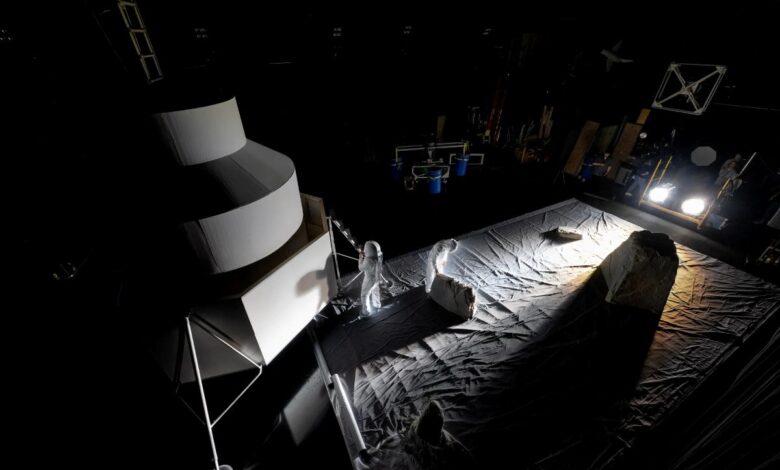
NASA Engineers Simulate Lunar Lighting for Artemis III Moon Landing
Better understanding the lunar lighting environment will help NASA prepare astronauts for the harsh environment Artemis III Moonwalkers will experience on their mission. NASA’s Artemis III mission will build on earlier test flights and add new capabilities with the human landing system and advanced spacesuits to send the first astronauts to explore the lunar South Pole and prepare humanity to go to…
Read More » -
NASA
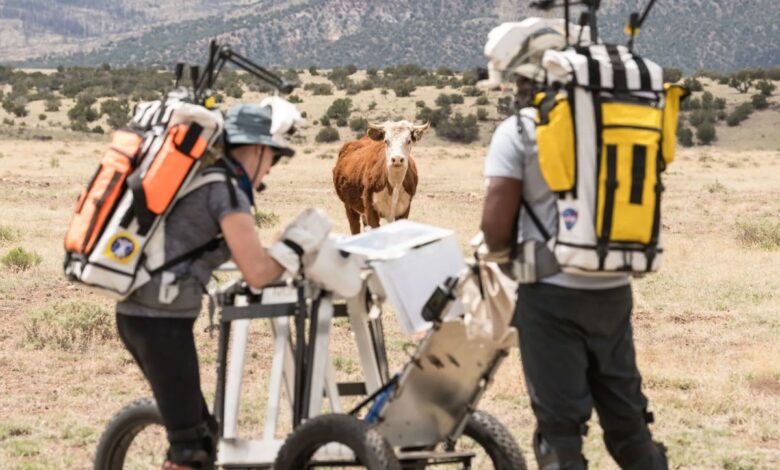
Training for the Moo(n)
NASA/Josh Valcarcel A curious cow watches as NASA astronauts Andre Douglas and Kate Rubins perform a simulated moonwalk in the San Francisco Volcanic Field in Northern Arizona on May 14, 2024, in preparation for NASA’s historic Artemis III Moon landing mission. Flight controllers and scientists guided activities during the week-long simulation from mission control at NASA’s Johnson Space Center in Houston. Tests like this are critical…
Read More » -
Press Releases
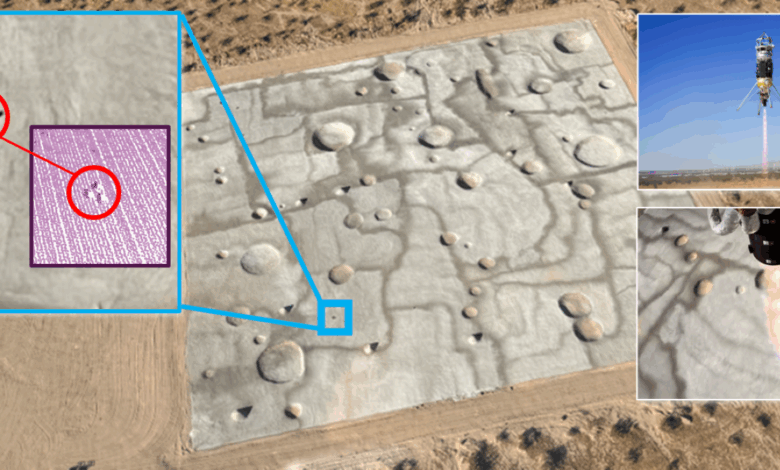
Astrobotic Tech Passes Critical Tests for Safe Moon Landings
Astrobotic completed a robust terrestrial flight test campaign for their suite of lunar landing Guidance, Navigation, and Control (GNC) technologies, vital for the Deorbit, Descent, and Landing (DDL) phase of missions to the Moon. The company’s Terrain Relative Navigation (TRN), and Hazard Detection and Avoidance (HD&A) systems were verified to accurately detect and avoid surface hazards, like rocks and small…
Read More » -
NASA

NASA Marshall Fires Up Hybrid Rocket Motor to Prep for Moon Landings
NASA’s Artemis campaign will use human landing systems, provided by SpaceX and Blue Origin, to safely transport crew to and from the surface of the Moon, in preparation for future crewed missions to Mars. As the landers touch down and lift off from the Moon, rocket exhaust plumes will affect the top layer of lunar “soil,” called regolith, on the Moon. When…
Read More »