NASA Cassini

  • NASA

    NASA Study Suggests Saturn’s Moon Titan May Not Have Global Ocean

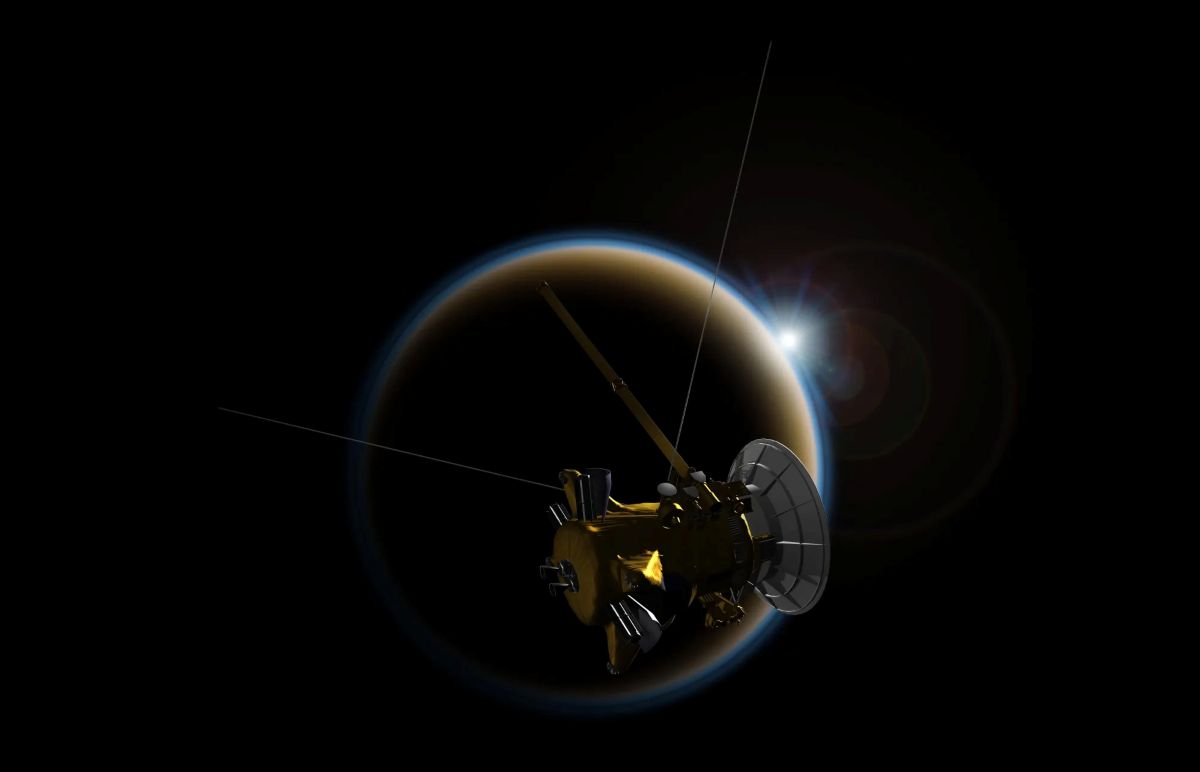
    A key discovery from NASA’s Cassini mission in 2008 was that Saturn’s largest moon Titan may have a vast water ocean below its hydrocarbon-rich surface. But reanalysis of mission data suggests a more complicated picture: Titan’s interior is more likely composed of ice, with layers of slush and small pockets of warm water that form near its rocky core.   Led…

    Read More »
  • Press Releases

    Newly Found Organics in Enceladus’ Plumes

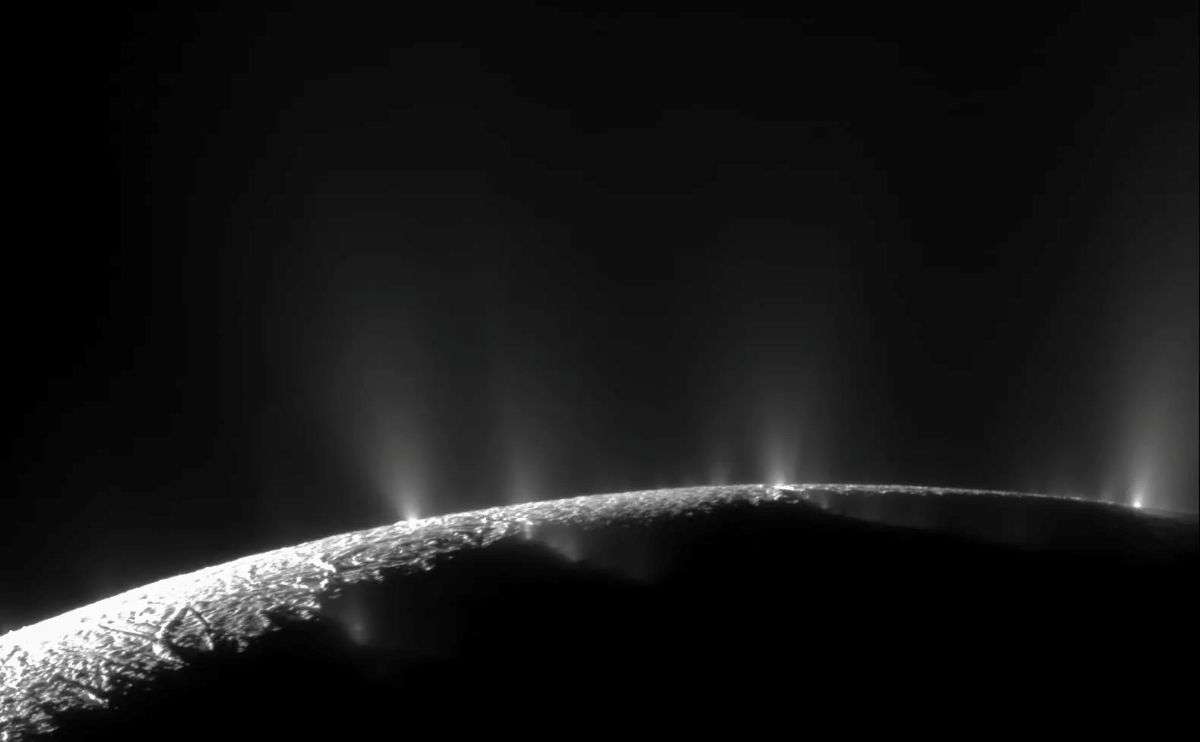
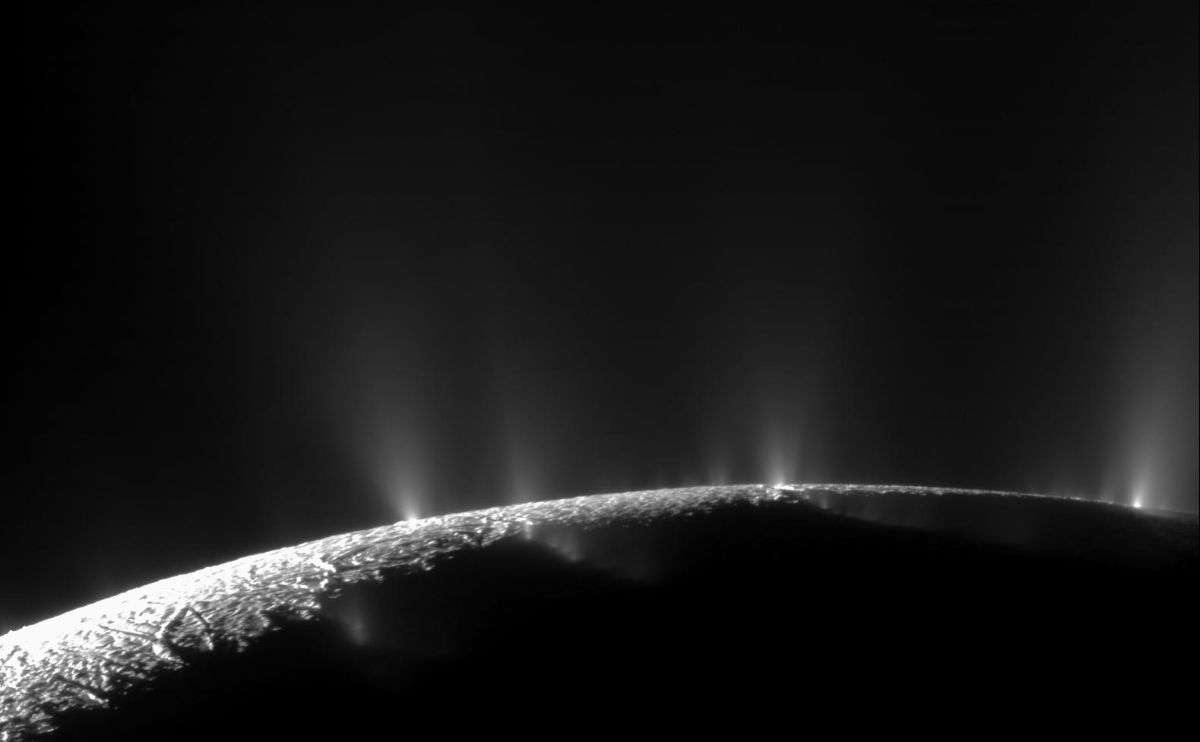
    Dramatic plumes, both large and small, spray water ice out from many locations along the famed tiger stripes near the south pole of Saturn’s moon Enceladus in this image released on Feb. 23, 2010. A study published in October 2025 analyzed data from NASA’s Cassini mission and found evidence of previously undetected organic compounds in a plume of ice particles like the ones…

    Read More »
  • NASA

    NASA Cassini Study Finds Organics ‘Fresh’ From Ocean of Enceladus

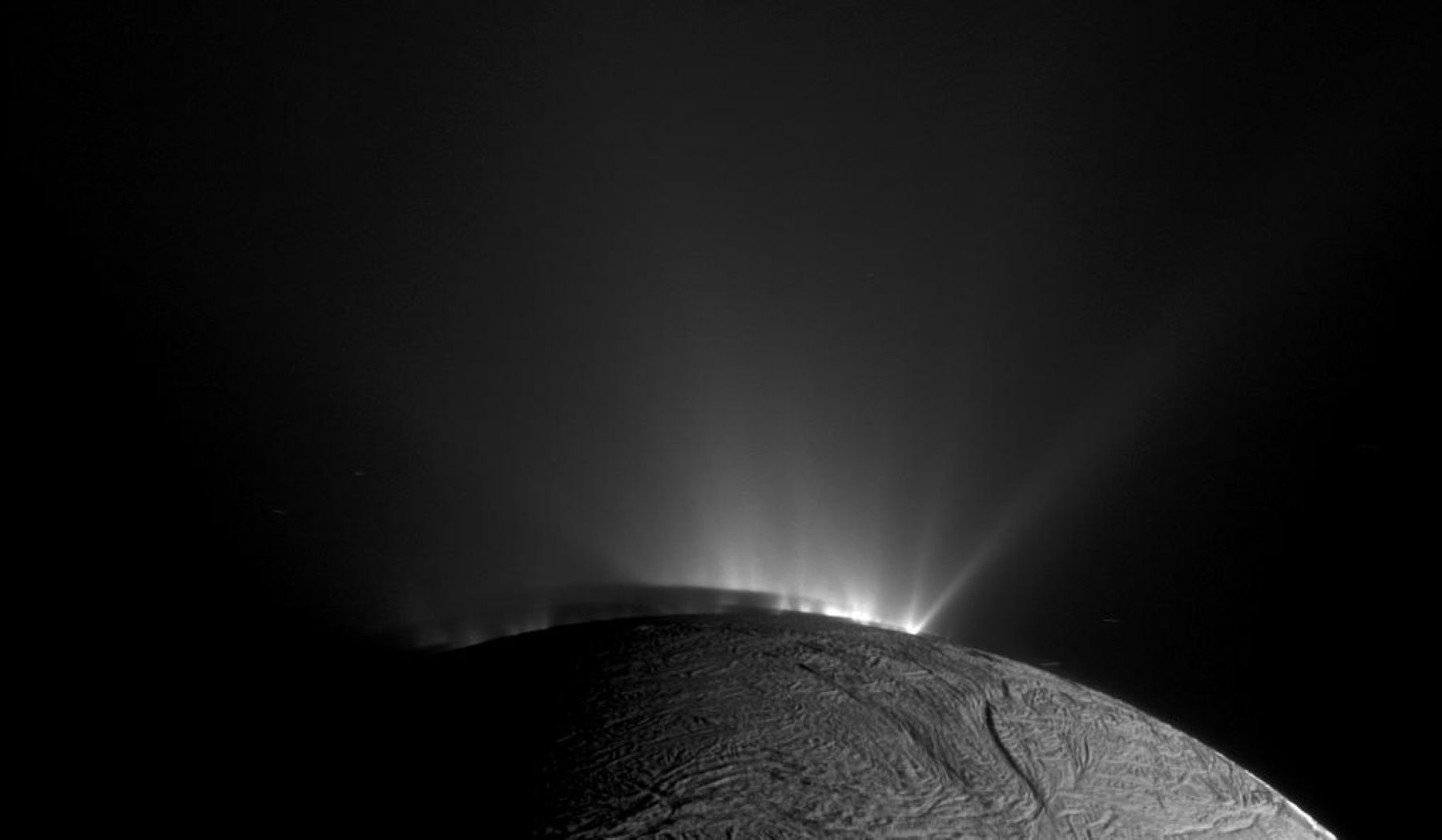
    Researchers dove deep into information gathered from the ice grains that were collected during a close and super-fast flyby through a plume of Saturn’s icy moon. A new analysis of data from NASA’s Cassini mission found evidence of previously undetected organic compounds in a plume of ice particles ejected from the ocean that lies under the frozen shell of Saturn’s…

    Read More »
  • NASA

    NASA Study Finds Life-Sparking Energy Source and Molecule at Enceladus

    A study zooms in on data that NASA’s Cassini gathered at Saturn’s icy moon and finds evidence of a key ingredient for life and a supercharged source of energy to fuel it. Scientists have known that the giant plume of ice grains and water vapor spewing from Saturn’s moon Enceladus is rich with organic compounds, some of which are important…

    Read More »
Back to top button