
NASA Chandra X-ray Observatory
-
NASA
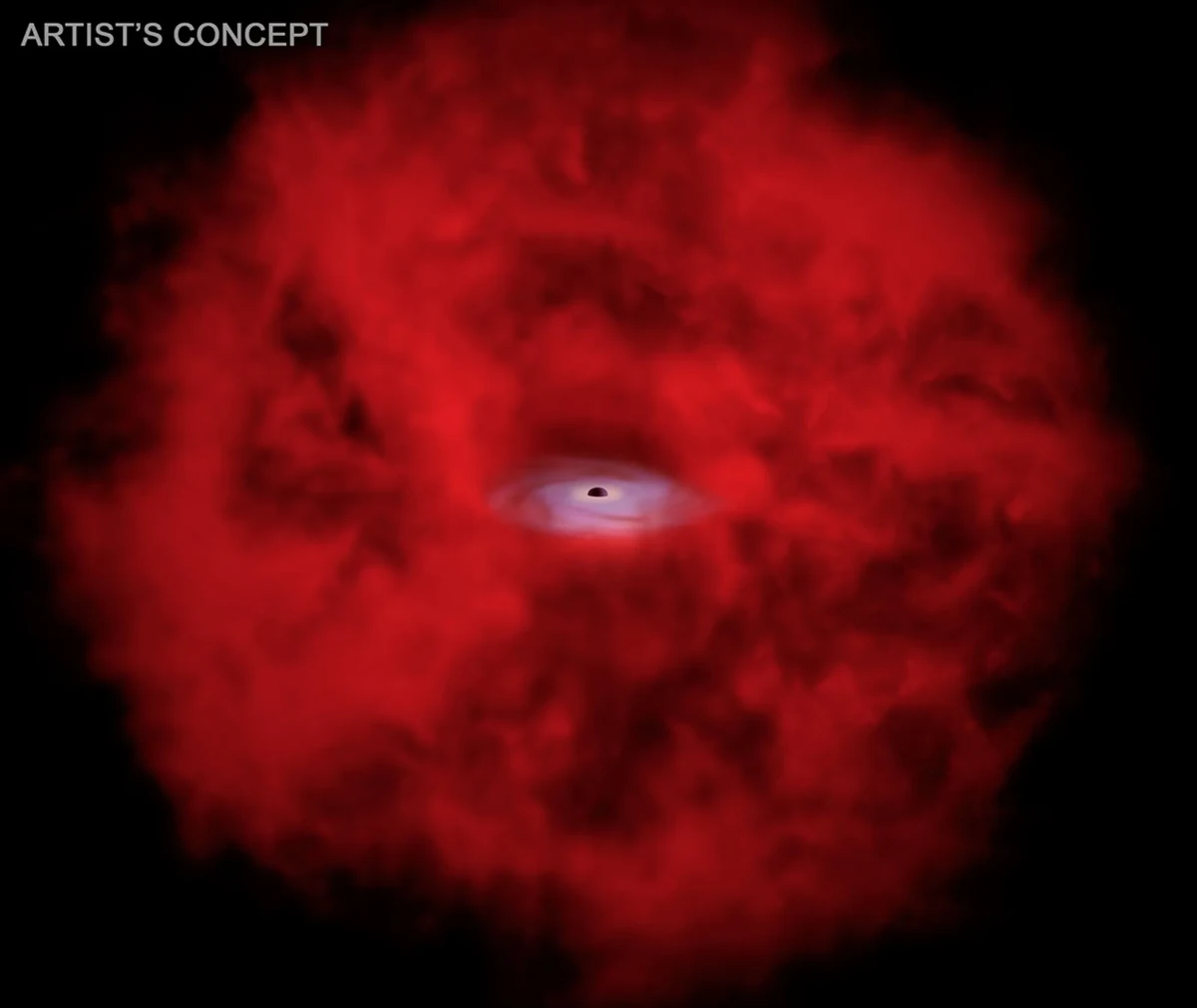
Unlocking the Mystery of X-ray Dots
A new “X-ray dot” found by NASA’s Chandra X-ray Observatory – which could look like this artist’s illustration released on April 28, 2026 – could explain what the hundreds or potentially thousands of these objects are. Shortly after NASA’s James Webb Space Telescope started its science observations, reports of a new class of mysterious objects emerged. Astronomers found small, red…
Read More » -
NASA
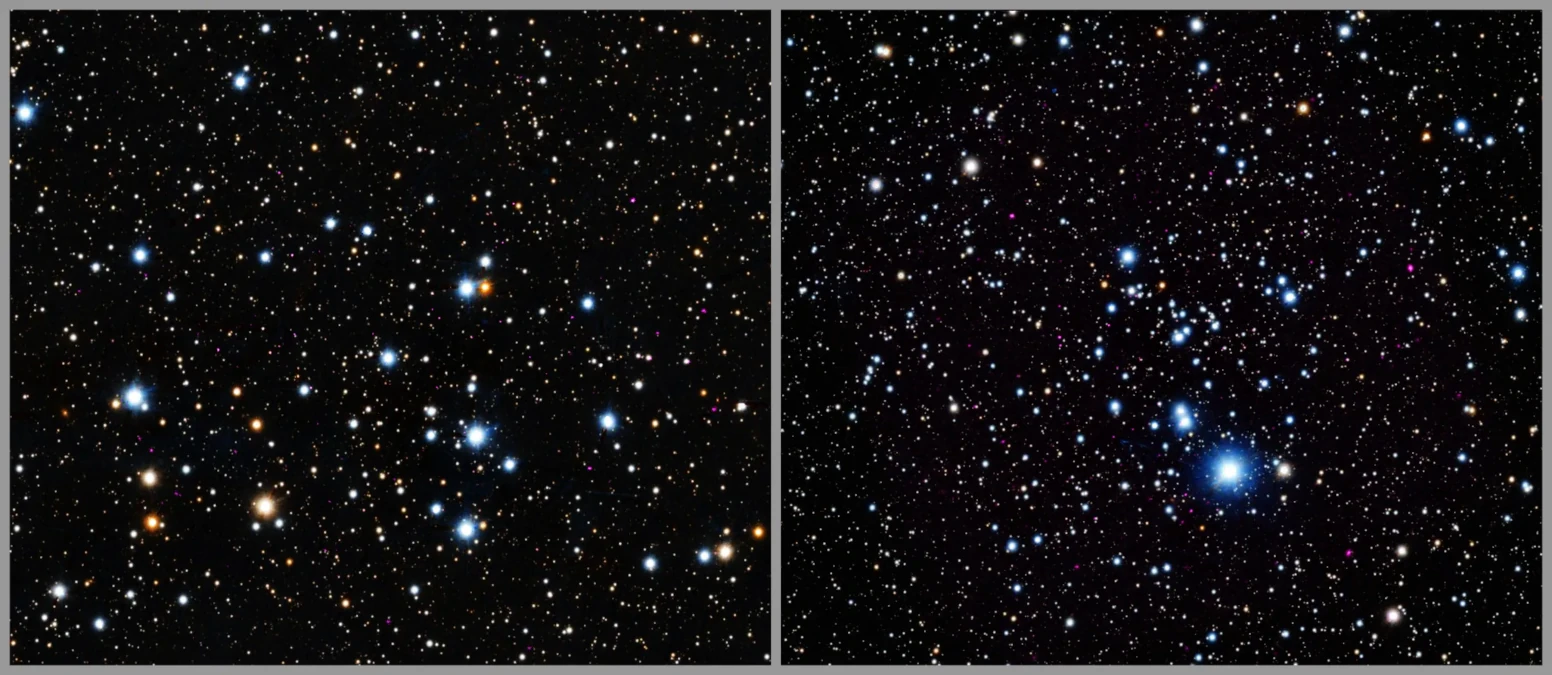
NASA’s Chandra Finds Young Stars Dim Quickly
These images, released on April 14, 2026, show two open star clusters, Trumpler 3 (left) and NGC 2353 (right). They represent a recent study from NASA’s Chandra X-ray Observatory that shows how young Sun-like stars are dimmer in X-rays than previously thought. This latest study looked at eight clusters of stars between the ages of 45 million and 750 million years old.…
Read More » -
NASA

Blowing Stellar Bubbles
For the first time, a young, Sun-like star has been caught red-handed blowing bubbles in the galaxy, by astronomers using NASA’s Chandra X-ray Observatory. The bubble – called an “astrosphere” – completely surrounds the juvenile star in this image released on Feb. 23, 2026. Winds from the star’s surface are blowing up the bubble and filling it with hot gas…
Read More » -
NASA

NASA’s Chandra Releases Deep Cut From Catalog of Cosmic Recordings
Like a recording artist who has had a long career, NASA’s Chandra X-ray Observatory has a “back catalog” of cosmic recordings that is impossible to replicate. To access these X-ray tracks, or observations, the ultimate compendium has been developed: the Chandra Source Catalog (CSC). The CSC contains the X-ray data detected up to the end of 2020 by Chandra, the world’s premier X-ray telescope and one…
Read More » -
NASA

Supernova Remnant Video From NASA’s Chandra Is Decades in Making
Play Video A new video shows changes in Kepler’s Supernova Remnant using data from NASA’s Chandra X-ray Observatory captured over more than two and a half decades with observations taken in 2000, 2004, 2006, 2014, and 2025. In this video, which is the longest-spanning one ever released by Chandra, X-rays (blue) from the telescope have been combined with an optical…
Read More » -
NASA
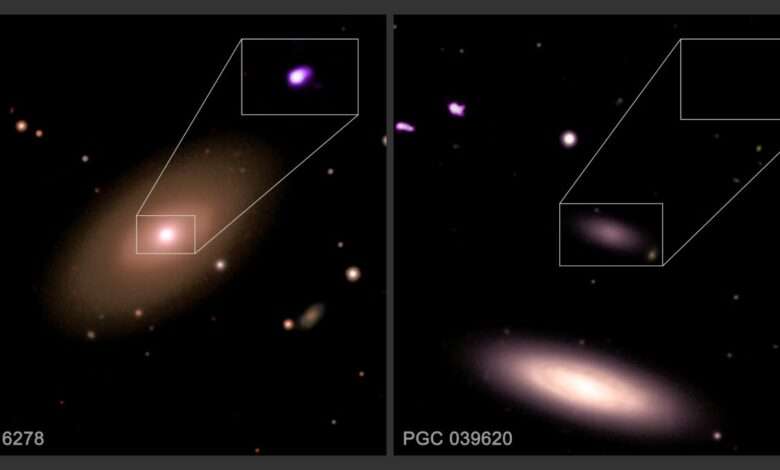
NASA’s Chandra Finds Small Galaxies May Buck the Black Hole Trend
Most smaller galaxies may not have supermassive black holes in their centers, according to a recent study using NASA’s Chandra X-ray Observatory. This contrasts with the common idea that nearly every galaxy has one of these giant black holes within their cores, as NASA leads the world in exploring how our universe works. A team of astronomers used data from…
Read More » -
NASA
Listen to the Universe: New NASA Sonifications and Documentary
Three new sonifications of images from NASA’s Chandra X-ray Observatory and other telescopes have been released in conjunction with a new documentary about the project that makes its debut on the NASA+ streaming platform. Sonification is the process of translating data into sounds. In the case of Chandra and other telescopes, scientific data are collected from space as digital signals that are…
Read More » -
NASA
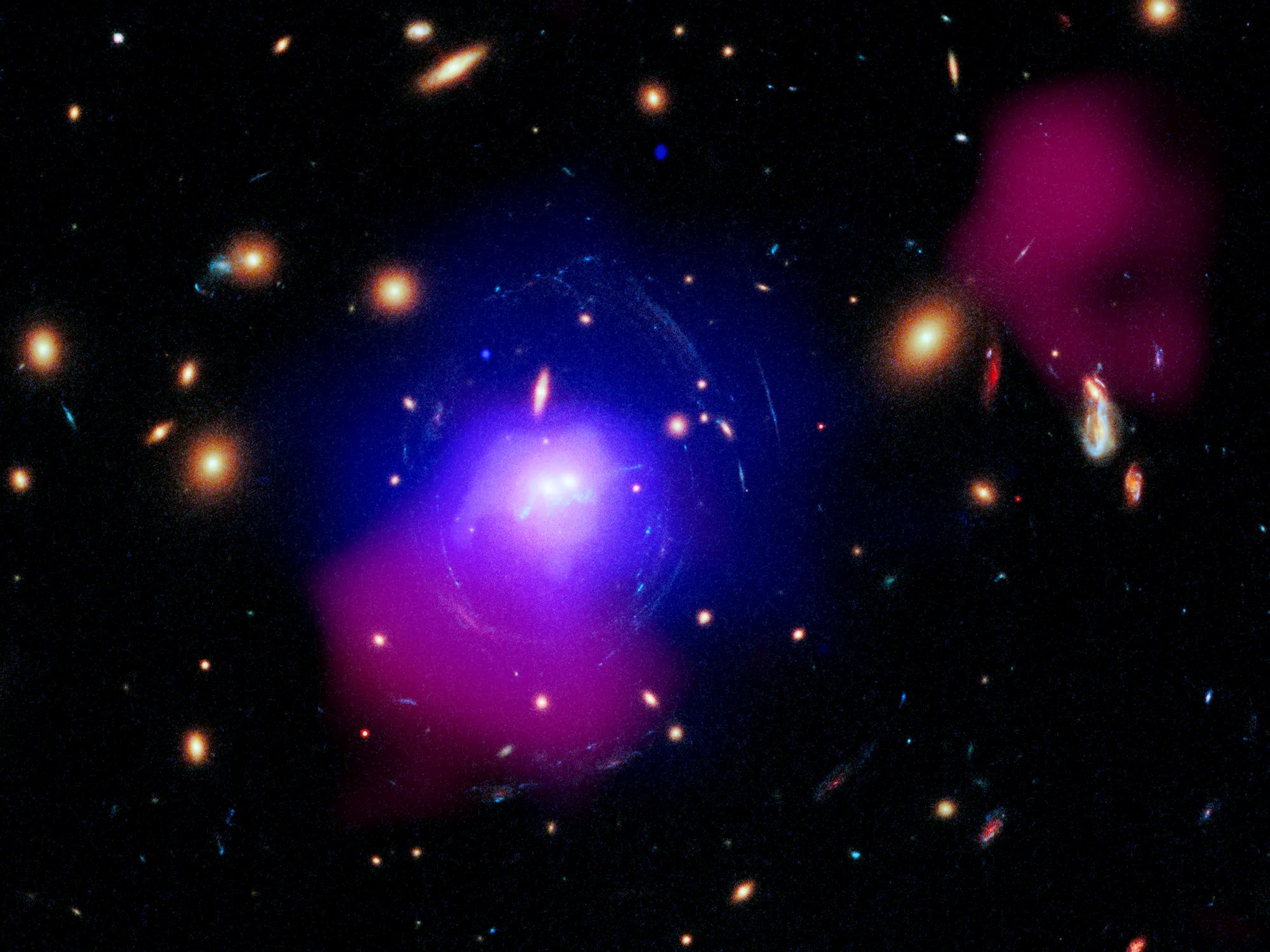
Stellar Beads on a String
Astronomers have discovered one of the most powerful eruptions from a black hole ever recorded in the system known as SDSS J1531+3414 (SDSS J1531 for short). As explained in our press release, this mega-explosion billions of years ago may help explain the formation of a striking pattern of star clusters around two massive galaxies, resembling “beads on a string.” SDSS J1531 is a massive galaxy cluster containing hundreds…
Read More » -
NASA
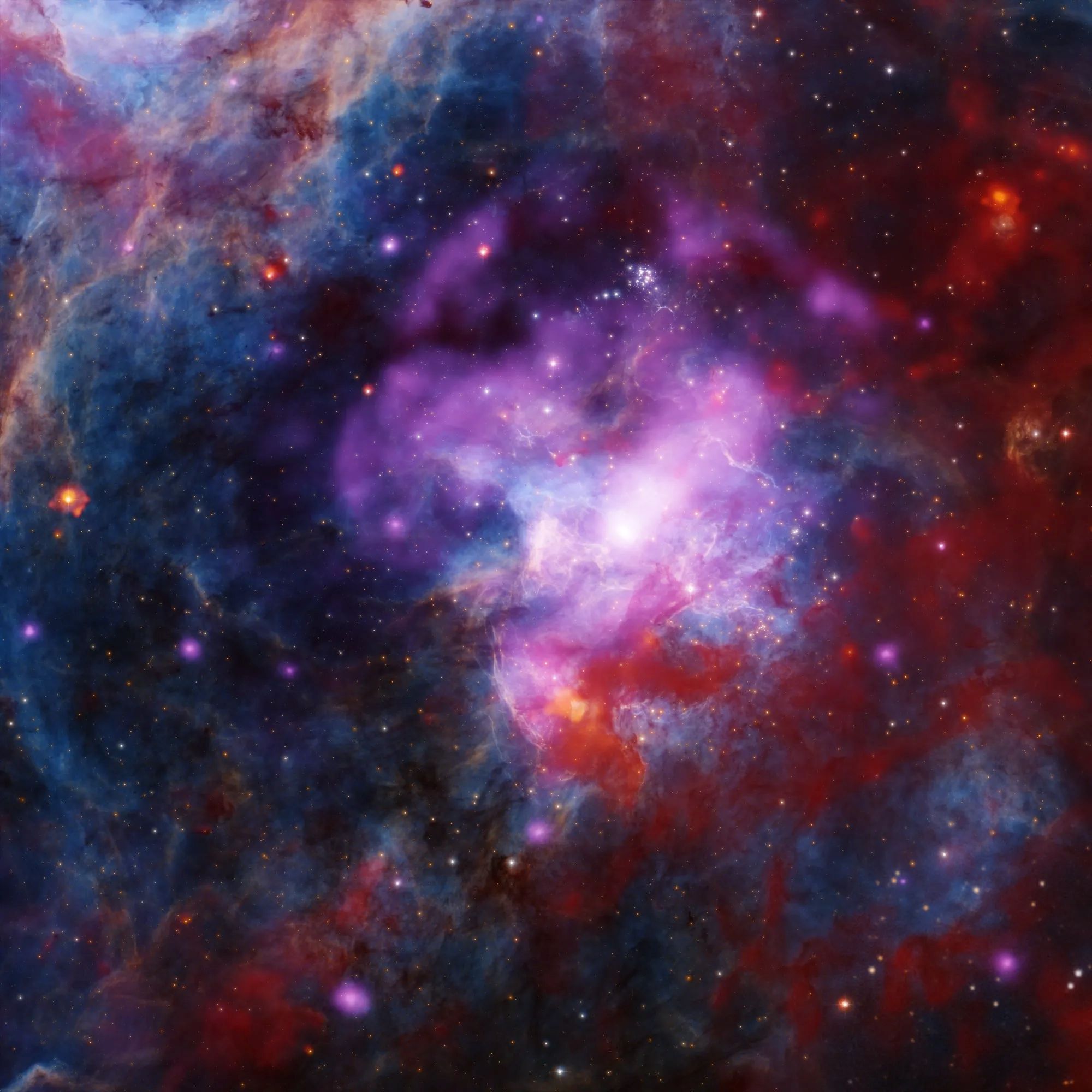
NASA Telescopes Start the Year With a Double Bang
A colorful, festive image shows different types of light containing the remains of not one, but at least two, exploded stars. This supernova remnant is known as 30 Doradus B (30 Dor B for short) and is part of a larger region of space where stars have been continuously forming for the past 8 to 10 million years. It is…
Read More » -
NASA
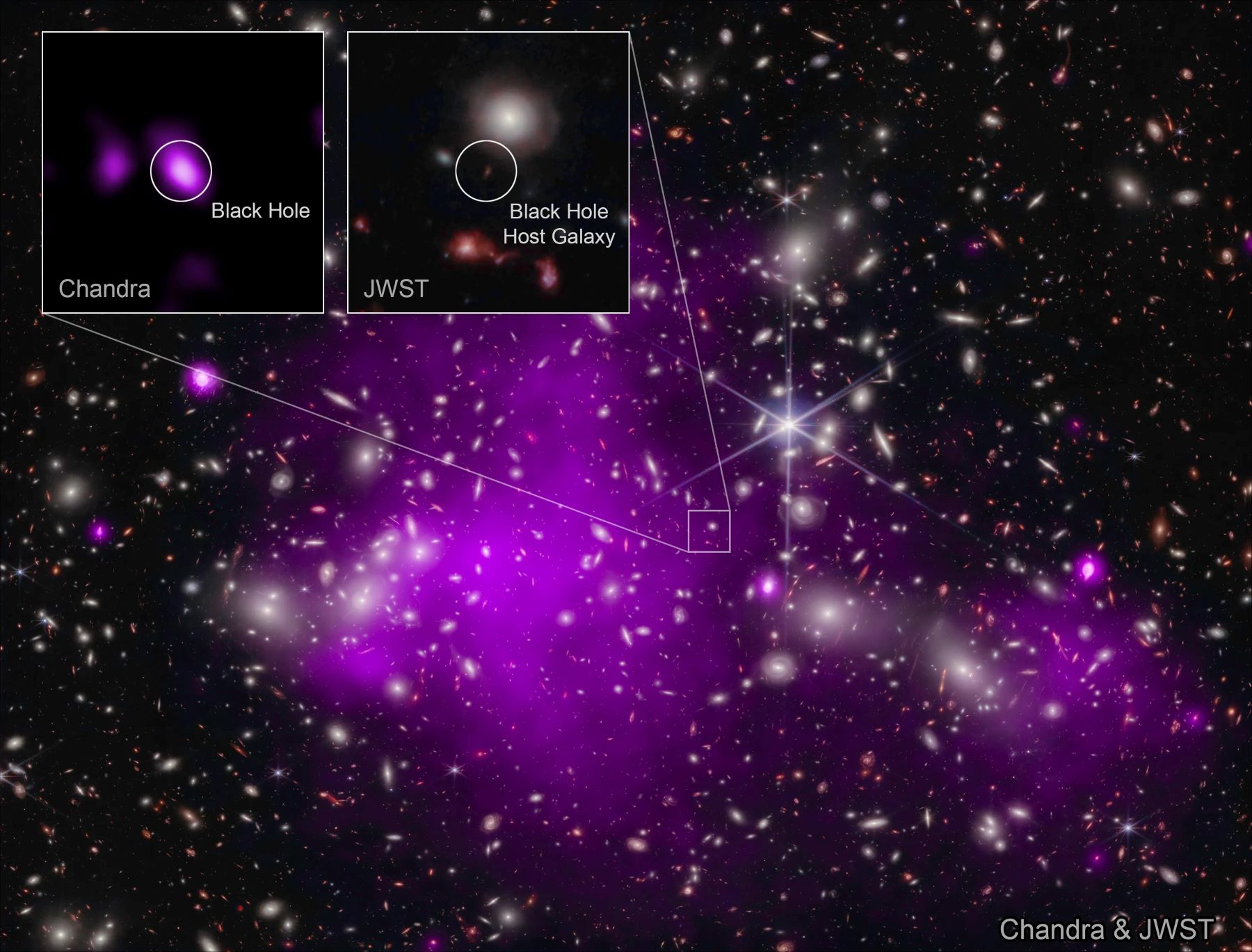
NASA Telescopes Discover Record-Breaking Black Hole
Astronomers have discovered the most distant black hole yet seen in X-rays, using NASA telescopes. The black hole is at an early stage of growth that had never been witnessed before, where its mass is similar to that of its host galaxy. This result may explain how some of the first supermassive black holes in the universe formed. By combining…
Read More »