
NASA Deep Space Network
-
NASA
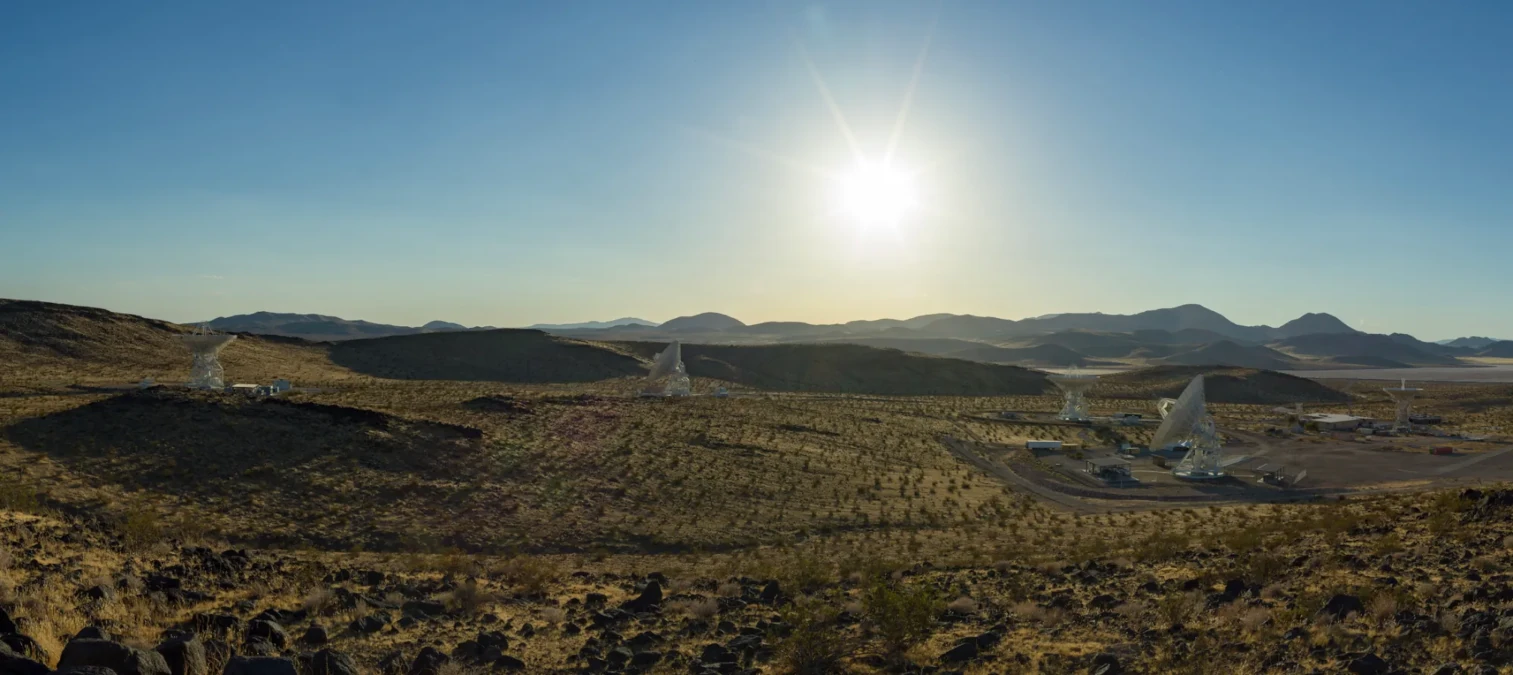
New Next-Gen Dish Adds Muscle to NASA’s Deep Space Network
NASA’s Deep Space Network facility in California is marking the addition of a brand new 34-meter-wide (114-foot-wide) radio frequency antenna to the agency’s deep space communications and navigation system. The network uses giant dish antennas located at three global facilities to support more than 40 spacecraft exploring the solar system and interstellar space. The new Deep Space Station 23 (DSS-23)…
Read More » -
NASA

Sixty Years in Canberra: NASA’s Deep Space Network
Deep Space Station 43 (DSS-43), a 230-foot-wide (70-meter-wide) radio antenna at NASA’s Deep Space Network facility in Canberra, Australia, is seen in this March 4, 2020, image. DSS-43 was more than six times as sensitive as the original antenna at the Canberra complex, so it could communicate with spacecraft at greater distances from Earth. In fact, Canberra is the only complex that…
Read More » -
NASA

NASA’s Deep Space Network Starts New Dish, Marks 60 Years in Australia
Canberra joined the global network in 1965 and operates four radio antennas. Now, preparations have begun on its fifth as NASA works to increase the network’s capacity. NASA’s Deep Space Network facility in Canberra, Australia celebrated its 60th anniversary on March 19 while also breaking ground on a new radio antenna. The pair of achievements are major milestones for the…
Read More » -
NASA
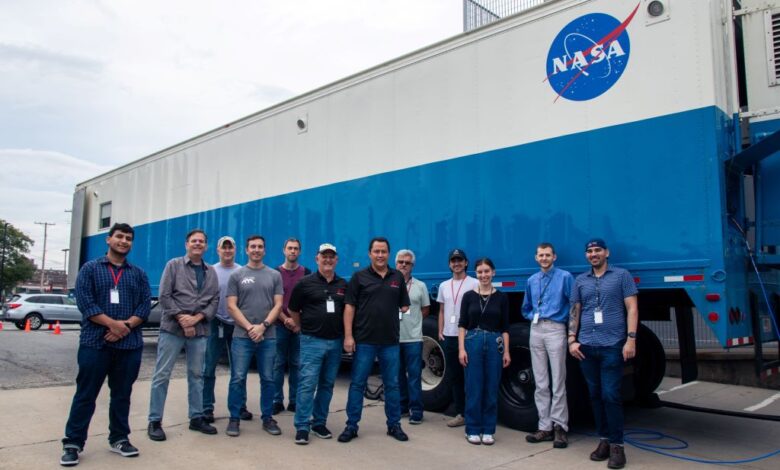
Griffin Mission One Ground Testing with NASA’s Deep Space Network a Success
The Deep Space Network (DSN) managed by NASA’s Jet Propulsion Laboratory (JPL) successfully completed end-to-end test communications with Astrobotic’s Griffin lunar lander, an important milestone to demonstrate the lander’s compatibility with space-to-ground communications that will occur during Griffin Mission One (GM1)’s journey to the lunar surface. After GM1 separates from SpaceX’s Falcon Heavy rocket, the lander will utilize DSN’s antennas in…
Read More » -
NASA
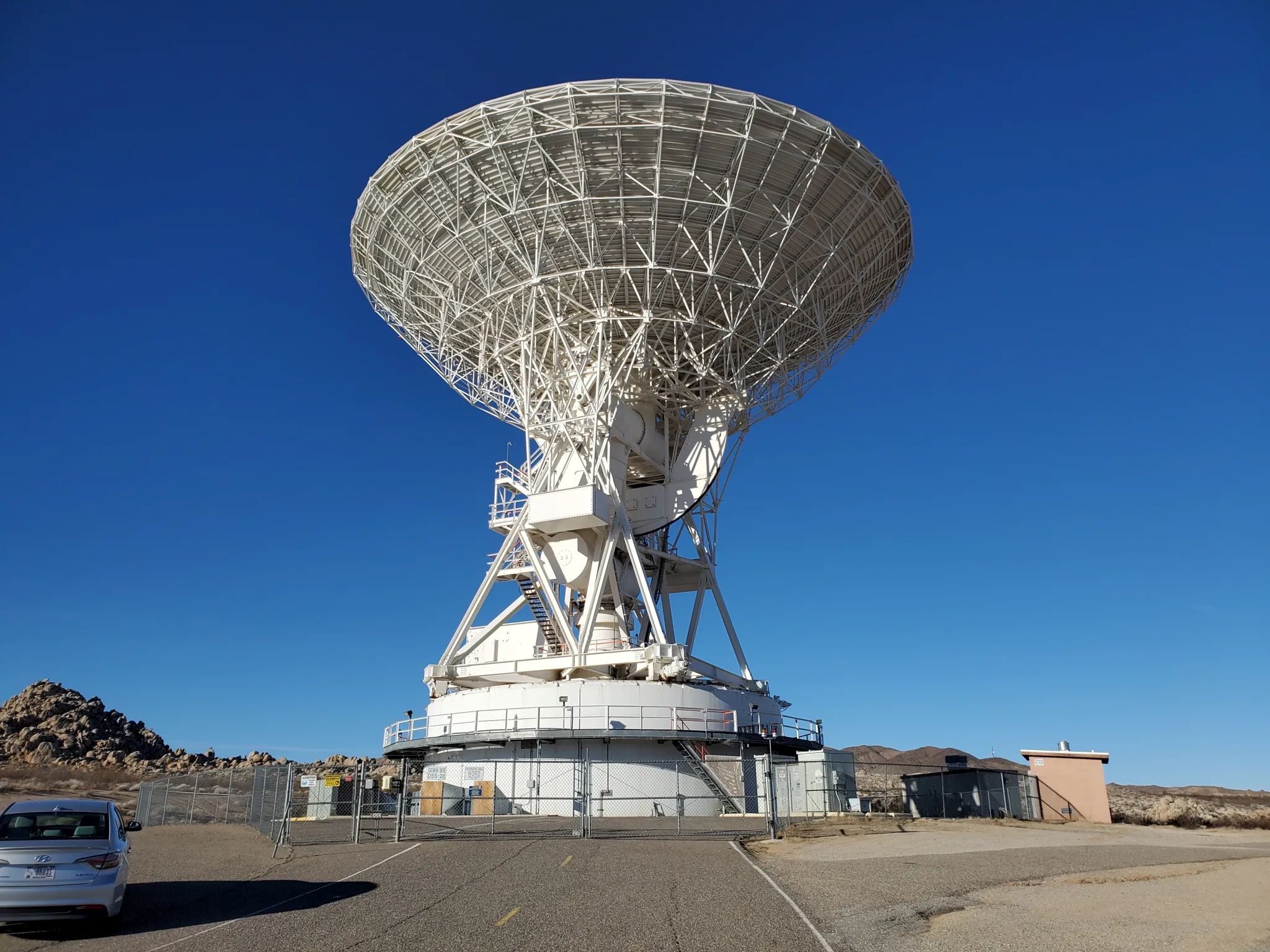
Ride the Wave of Radio Astronomy During the Solar Eclipse
Students and science enthusiasts are invited to catch a real-time look at radio astronomy as scientists explore magnetic hotspots on the Sun during a live, virtual solar eclipse event on April 8, 2024. A massive, 34-meter telescope once used by NASA’s Deep Space Network to communicate with spacecraft will point towards the Sun during the solar eclipse that day. The…
Read More » -
NASA
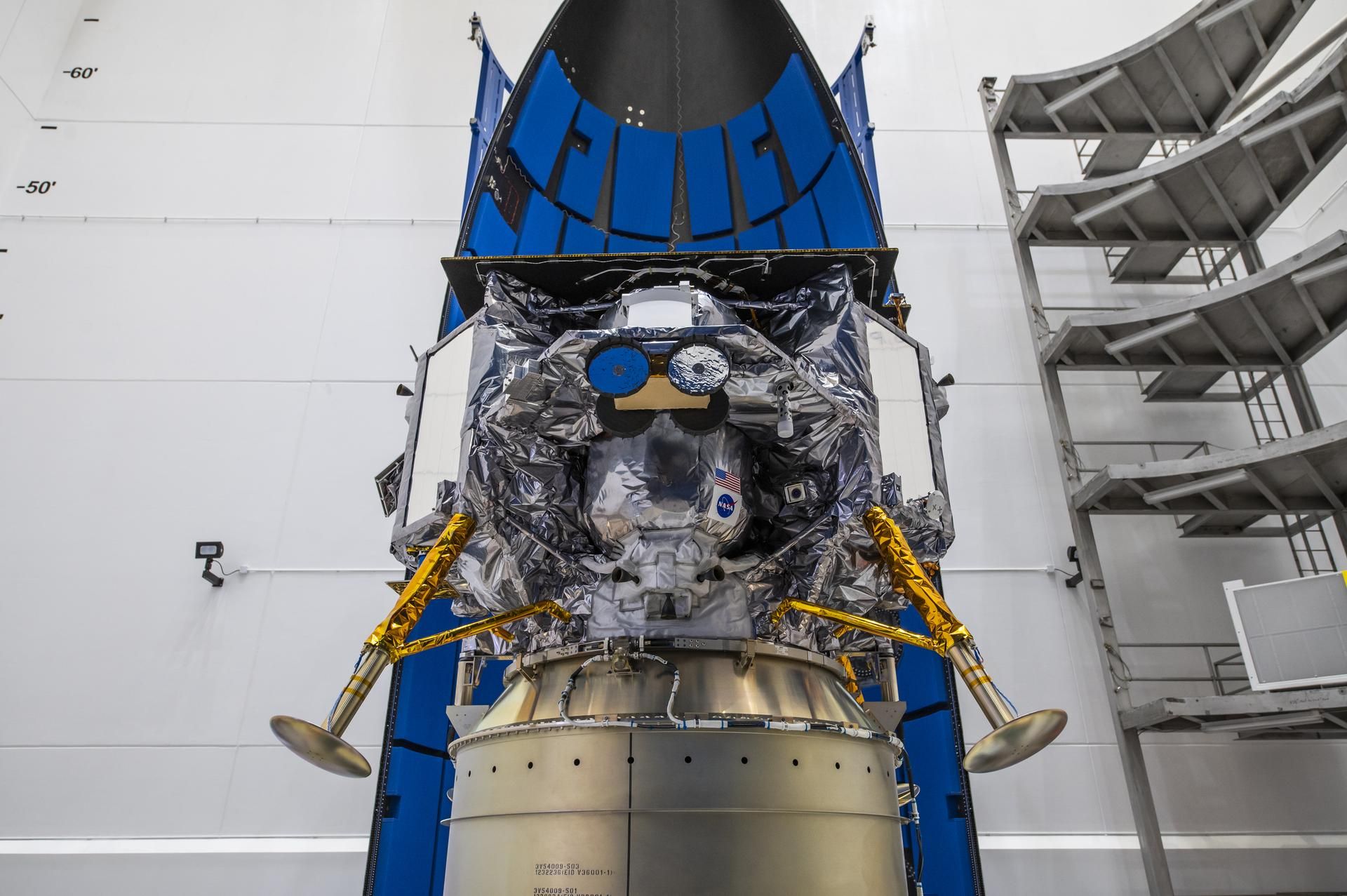
Astrobotic Updates on Peregrine Mission One
An update on Peregrine Mission One:After successfully separating from United Launce Alliance’s Vulcan rocket, Astrobotic’s Peregrine lunar lander began receiving telemetry via the NASA Deep Space Network. Astrobotic-built avionics systems, including the primary command and data handling unit, as well as the thermal, propulsion, and power controllers, all powered on and performed as expected. After successful propulsion systems activation, Peregrine…
Read More » -
NASA
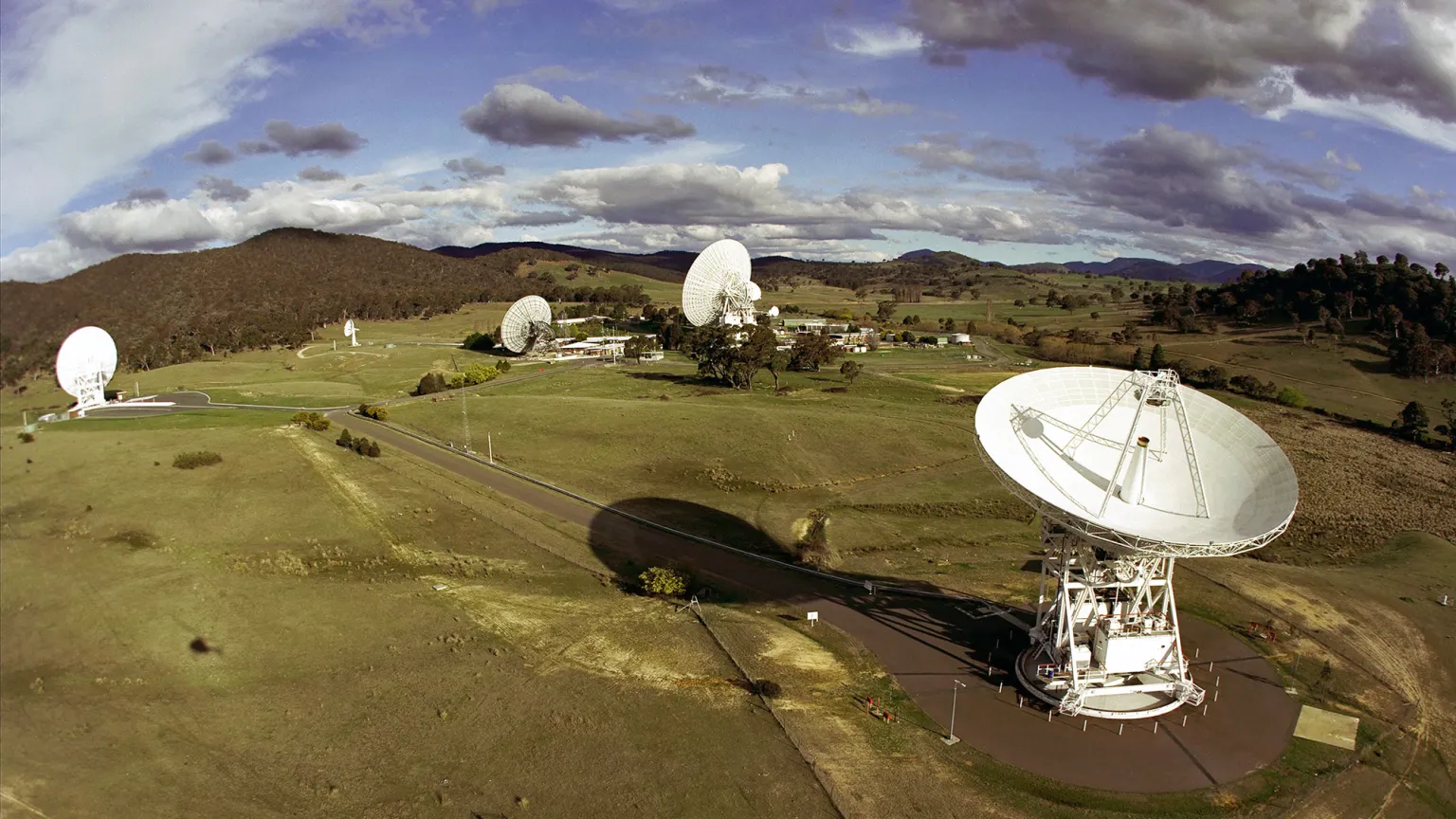
NASA’s Deep Space Network Turns 60 and Prepares for the Future
The agency’s DSN provides critical communications and navigation services to dozens of space missions, and it’s being modernized to support dozens more. NASA’s Deep Space Network marks its 60th year on Dec. 24. In continuous operations since 1963, the DSN is what makes it possible for NASA to communicate with spacecraft at or beyond the Moon. The dazzling galactic images captured by the James…
Read More » -
NASA

NASA’s Juno Finds Jupiter’s Winds Penetrate in Cylindrical Layers
The finding offers deeper insights into the long-debated internal structure of the gas giant. Gravity data collected by NASA’s Juno mission indicates Jupiter’s atmospheric winds penetrate the planet in a cylindrical manner, parallel to its spin axis. A paper on the findings was recently published in the journal Nature Astronomy. The violent nature of Jupiter’s roiling atmosphere has long been a…
Read More »