
NASA Webb
-
NASA
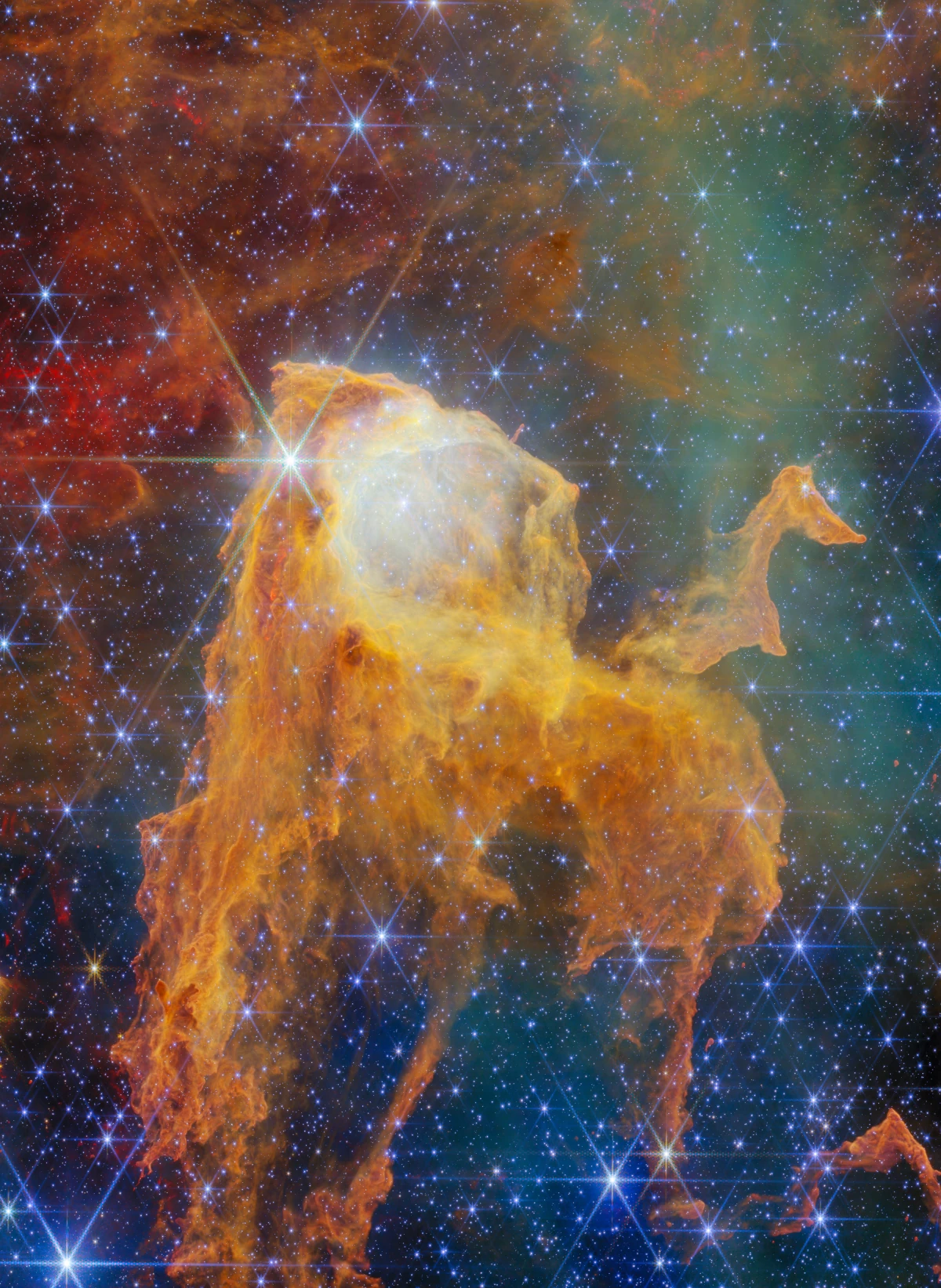
Webb Opens Treasure Chest
NASA’s James Webb Space Telescope captured this Aug. 6, 2026, infrared image of part of the Carina Nebula, a star-forming region also home to the Cosmic Cliffs. This feature, called the “Treasure Chest,” is an object known as a cometary globule. A cometary globule is an isolated cloud of gas and dust with a dense, dark head and a sweeping tail. Image credit: ESA/Webb,…
Read More » -
NASA
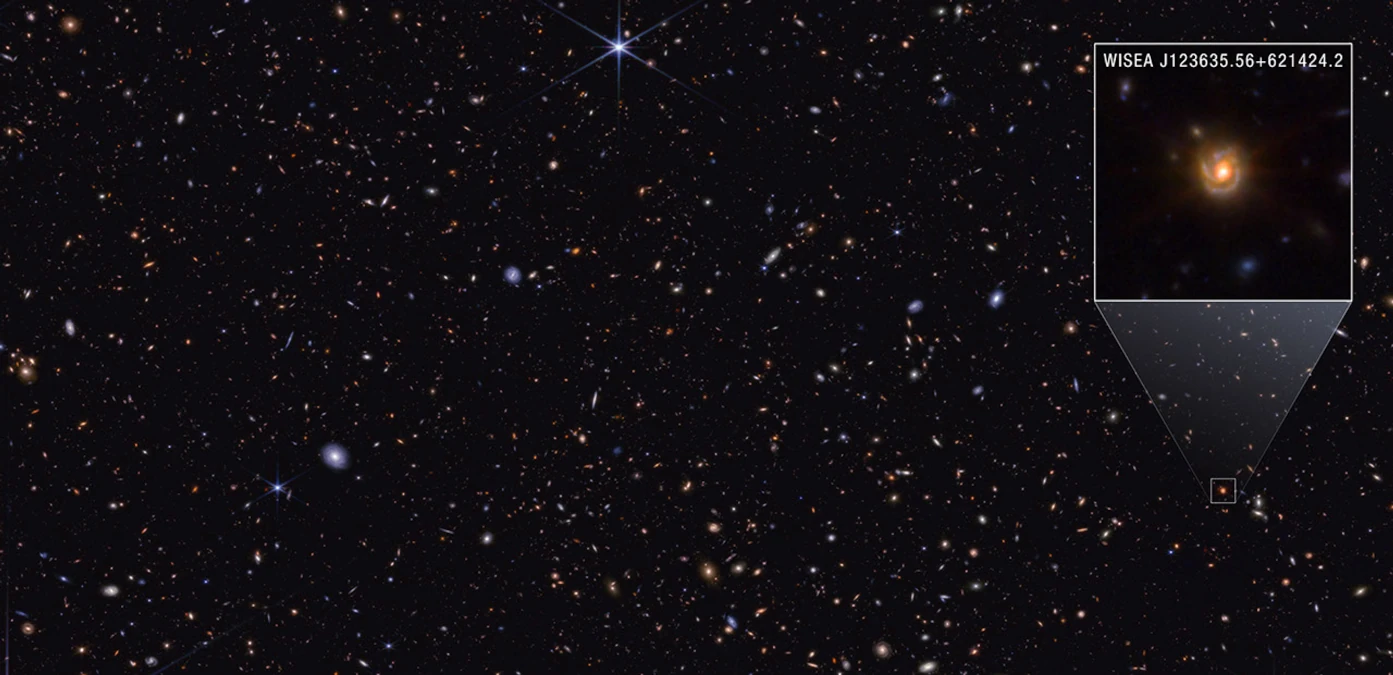
NASA Webb Explores Family Tree of Newly Discovered Distant Objects
Since their discovery by NASA’s James Webb Space Telescope in 2022, little red dots (LRDs) have been the subject of great interest to astronomers. Understanding the nature of these extremely distant, compact red sources has been a puzzling scientific endeavor. One popular theory is that little red dots are supermassive black holes known as active galactic nuclei, although they display characteristics…
Read More » -
NASA
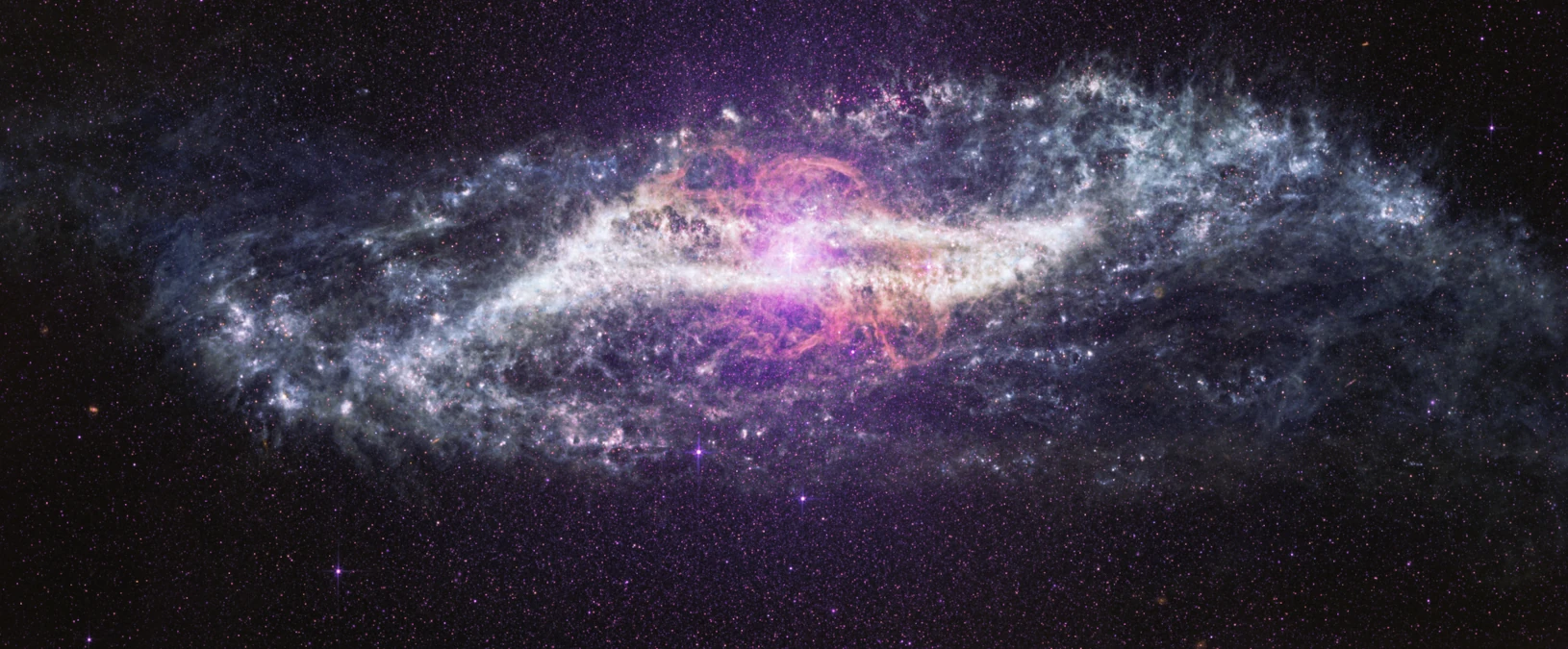
NASA Webb Uncovers Unusual Galaxy Shaped by Cosmic Collision
In new images from NASA’s James Webb Space Telescope to celebrate its fourth science anniversary, a familiar galaxy transforms into something far richer, and far more complex, than ever seen before. Webb’s unprecedented sensitivity across near- and mid-infrared wavelengths cuts through the thick lanes of dust that obscure Centaurus A’s center in visible light, showing a densely packed tapestry of…
Read More » -
NASA
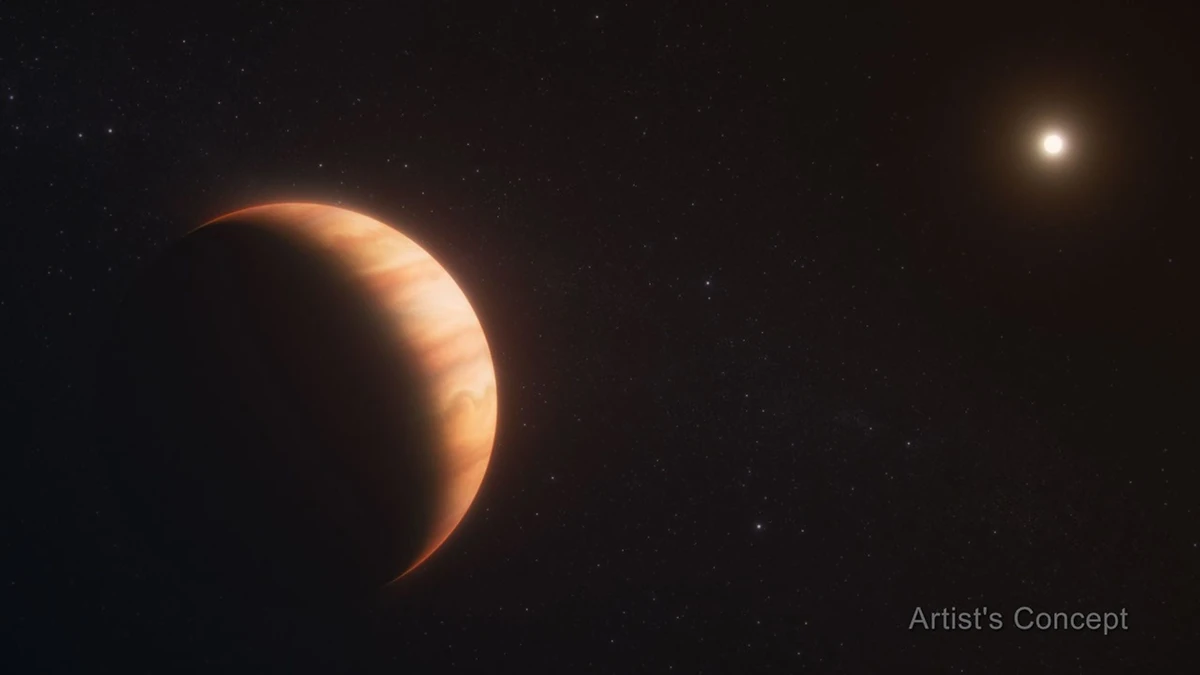
NASA’s Webb Studies How Planet Survived Death of its Star
NASA’s James Webb Space Telescope is giving us new insight into the far-future of solar systems like our own, as the agency continues to reveal the secrets of the universe and our place in it. Billions of years ago, a Sun-like star nearing the end of its life swelled tremendously in size to become a red giant before ejecting its outer layers,…
Read More » -
NASA
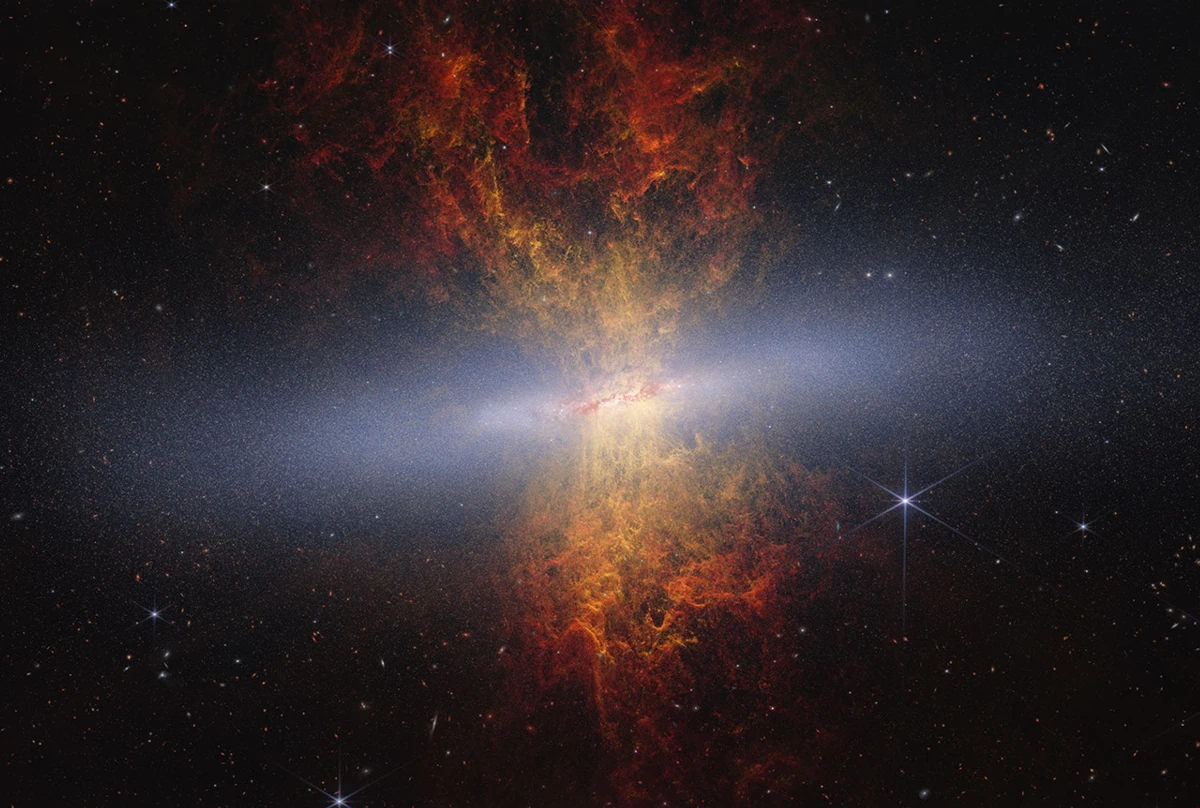
NASA’s Webb Pinpoints Millions of Stars Within Cigar Galaxy
Located 12 million light-years away and undergoing rapid star formation, edge-on spiral galaxy Messier 82 (M82) is a scientifically unique sight to behold, and now NASA’s James Webb Space Telescope has revealed previously unseen details. M82’s intense star formation, thought to be the result of a galaxy merger, will be a short-lived event in astronomical terms, estimated to last a…
Read More » -
NASA
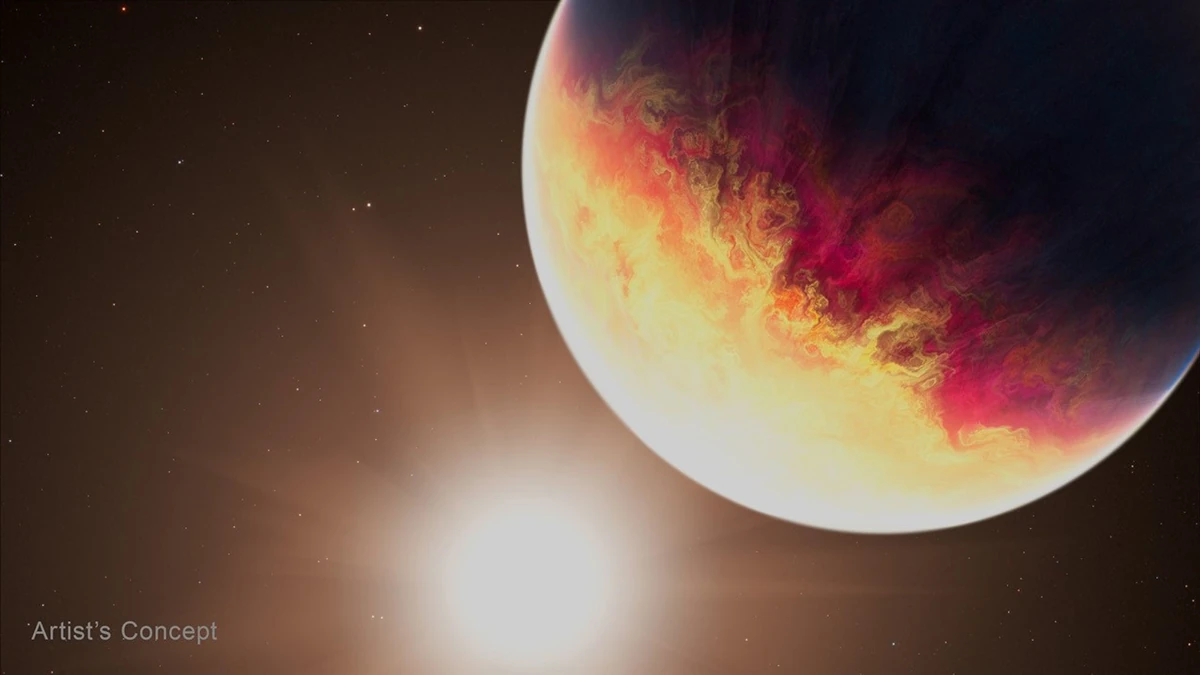
NASA’s Webb Catches Exoplanet Getting Roasted
One well-done gas giant, coming right up! That’s the latest from researchers analyzing NASA’s James Webb Space Telescope’s observations of HD 80606 b, an exoplanet four times the mass of Jupiter with an extremely elliptical orbit that sweeps close by its Sun-like star. The research team is presenting their study and preliminary findings Tuesday at the 248th meeting of the…
Read More » -
NASA
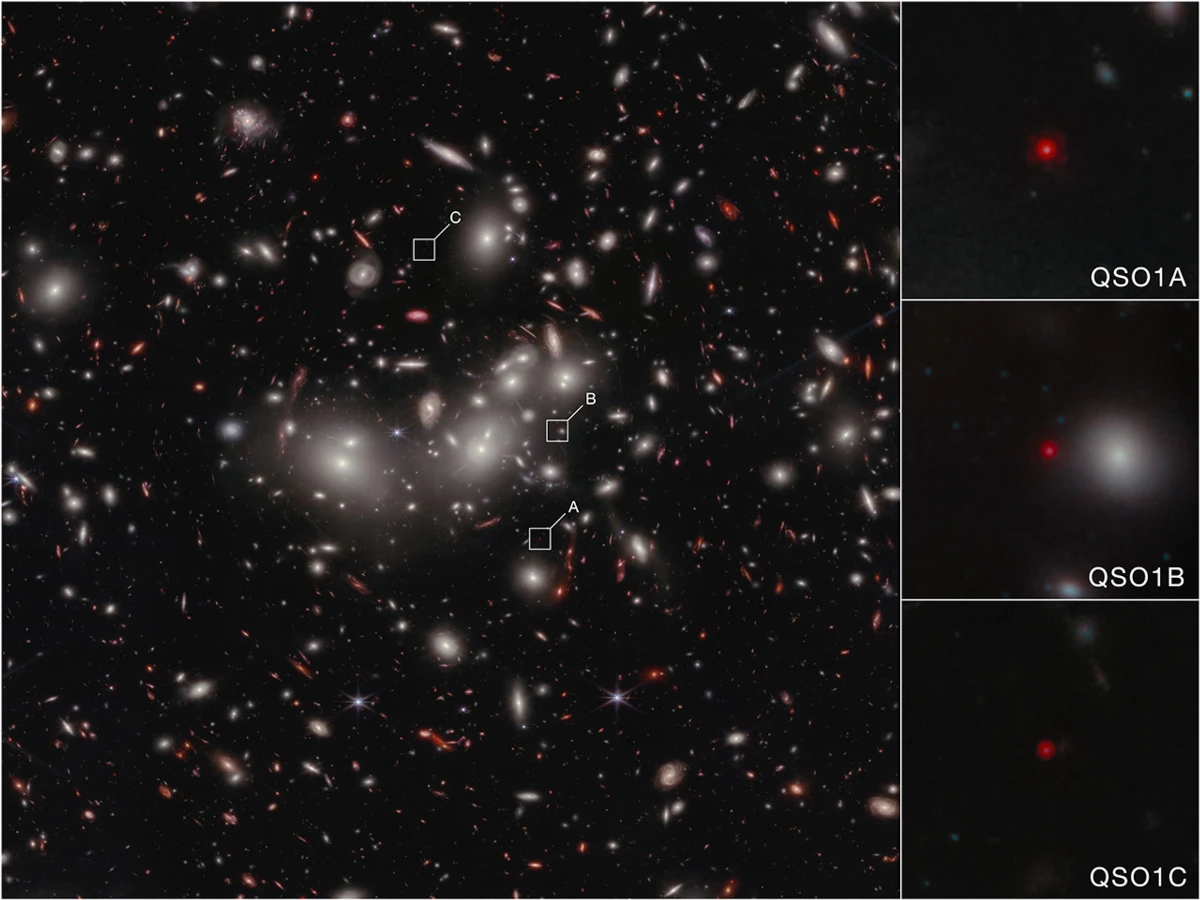
NASA’s Webb Reveals Black Hole That Formed Before Its Galaxy
Which comes first, the galaxy or the black hole? We don’t know, but scientists have long thought it could be the galaxy: Large stars within an existing galaxy consume their fuel and collapse to form black holes, which can gobble up surrounding material and merge over time to form more massive entities. But it’s hard to figure out how black…
Read More » -
NASA
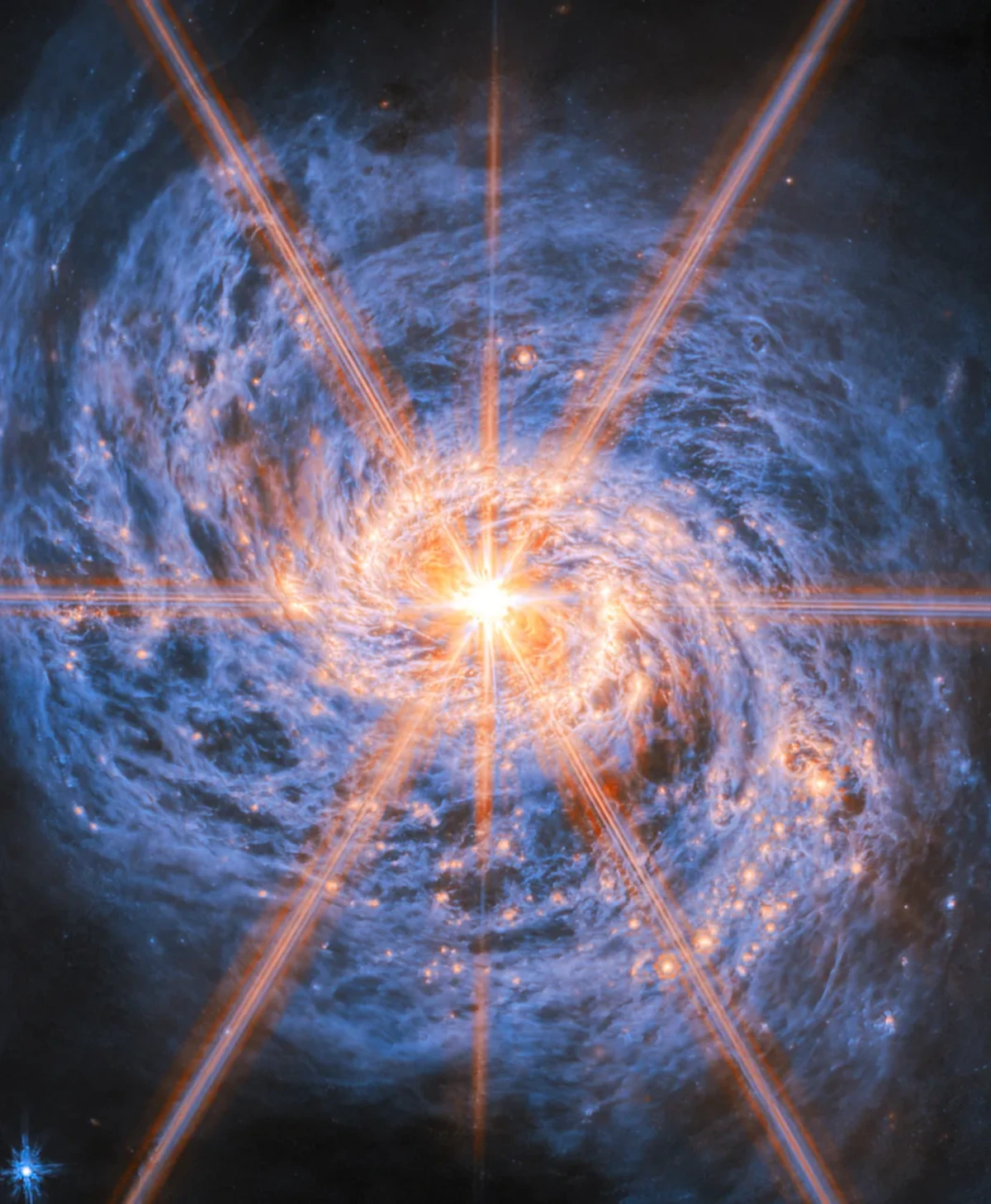
Beacon of Light
The heart of galaxy M77 shines brightly in this May 7, 2026, image from NASA’s James Webb Space Telescope. The intense glow is due to gas being pulled by the strong gravity of the central black hole into a tight and rapid orbit around it. The motion of the gas causes it to heat up, releasing tremendous amounts of radiation.…
Read More » -
NASA
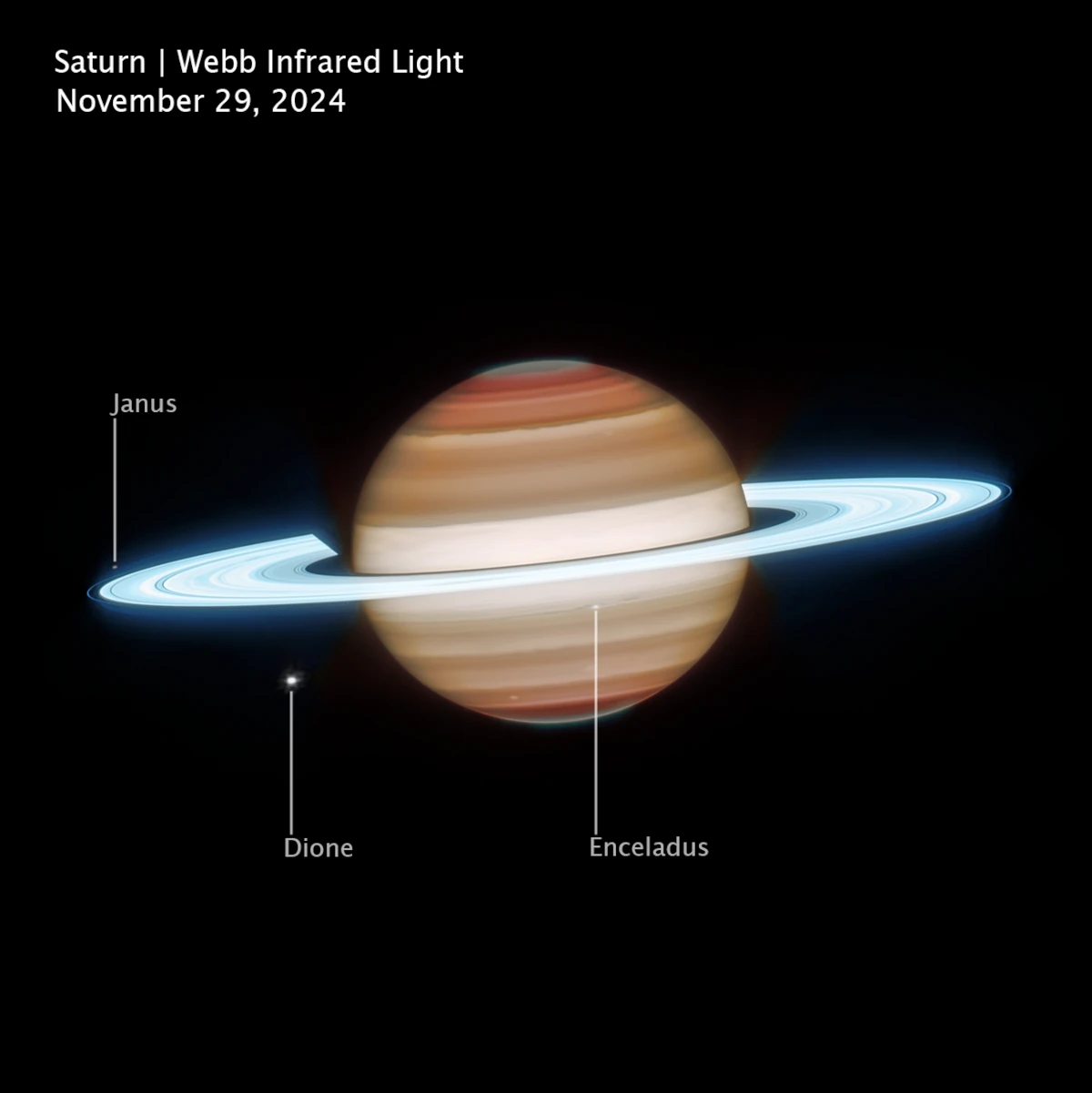
Webb Captures Saturn in Infrared
Saturn’s icy rings glow in this infrared view from NASA’s James Webb Space Telescope released on March 25, 2026. Combining this image with another that NASA’s Hubble Space Telescope captured – also released on the same day – provides scientists with a richer, more layered understanding of the gas giant’s atmosphere. In Webb’s infrared image, the rings are extremely bright because they…
Read More » -
NASA
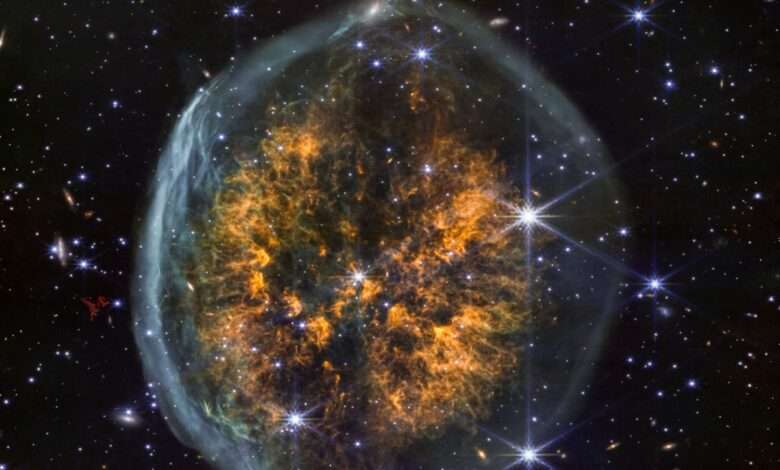
Webb Studies Cranium Nebula
Nebula PMR 1 is a cloud of gas and dust that bears an uncanny resemblance to a brain in a transparent skull, inspiring its nickname, the “Exposed Cranium” nebula. Webb captured its unusual features in both near- and mid-infrared light. The nebula was first revealed in infrared light by a predecessor to Webb, NASA’s now-retired Spitzer Space Telescope, more than a decade…
Read More »