
NASA
-
NASA
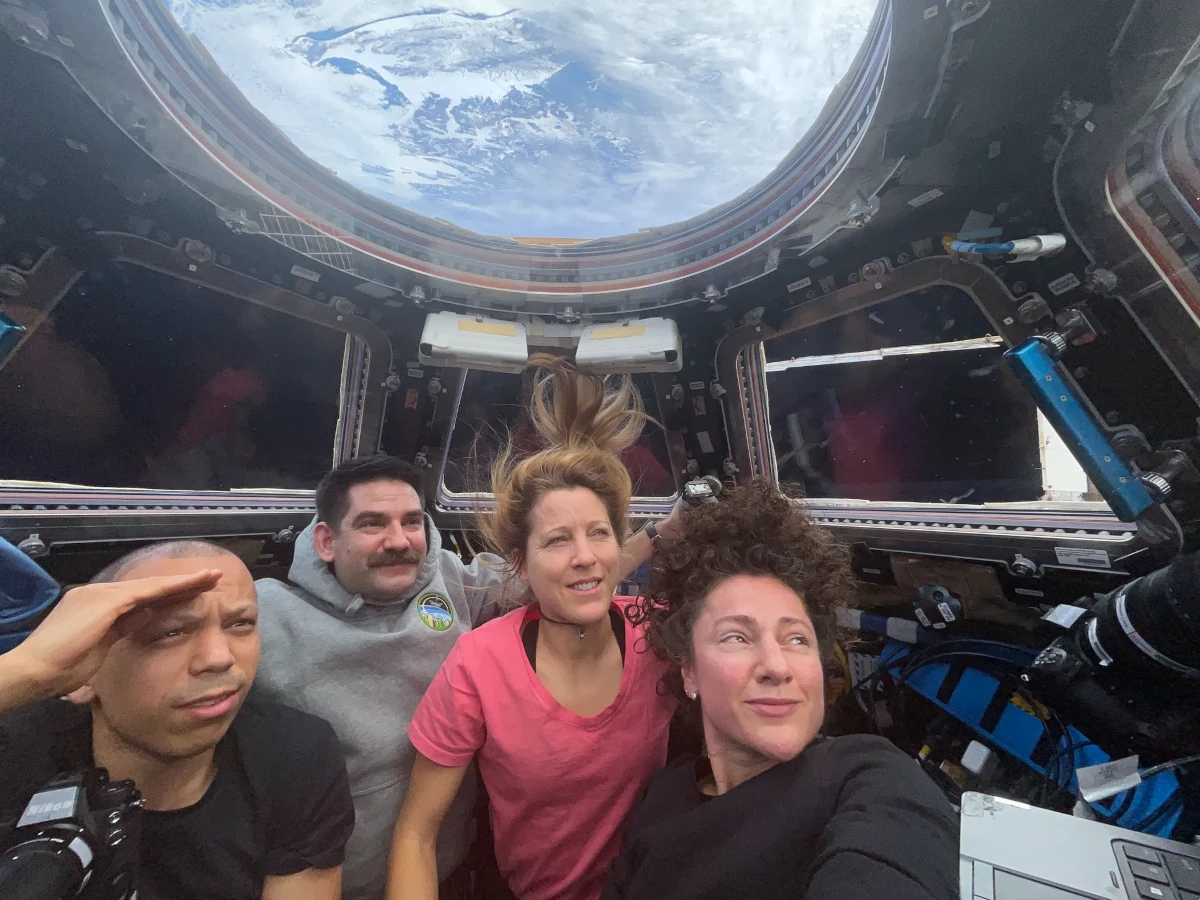
NASA Shares Station Research Today Supporting Moon, Mars Tomorrow
The International Space Station has been busy throughout 2026, as it continues to be a bustling workspace for astronauts conducting a variety of scientific experiments that lay the groundwork for missions to the Moon and beyond. NASA’s Artemis II mission in April was the first crewed flight around the Moon in more than 50 years, marking a major milestone for humanity’s return…
Read More » -
NASA
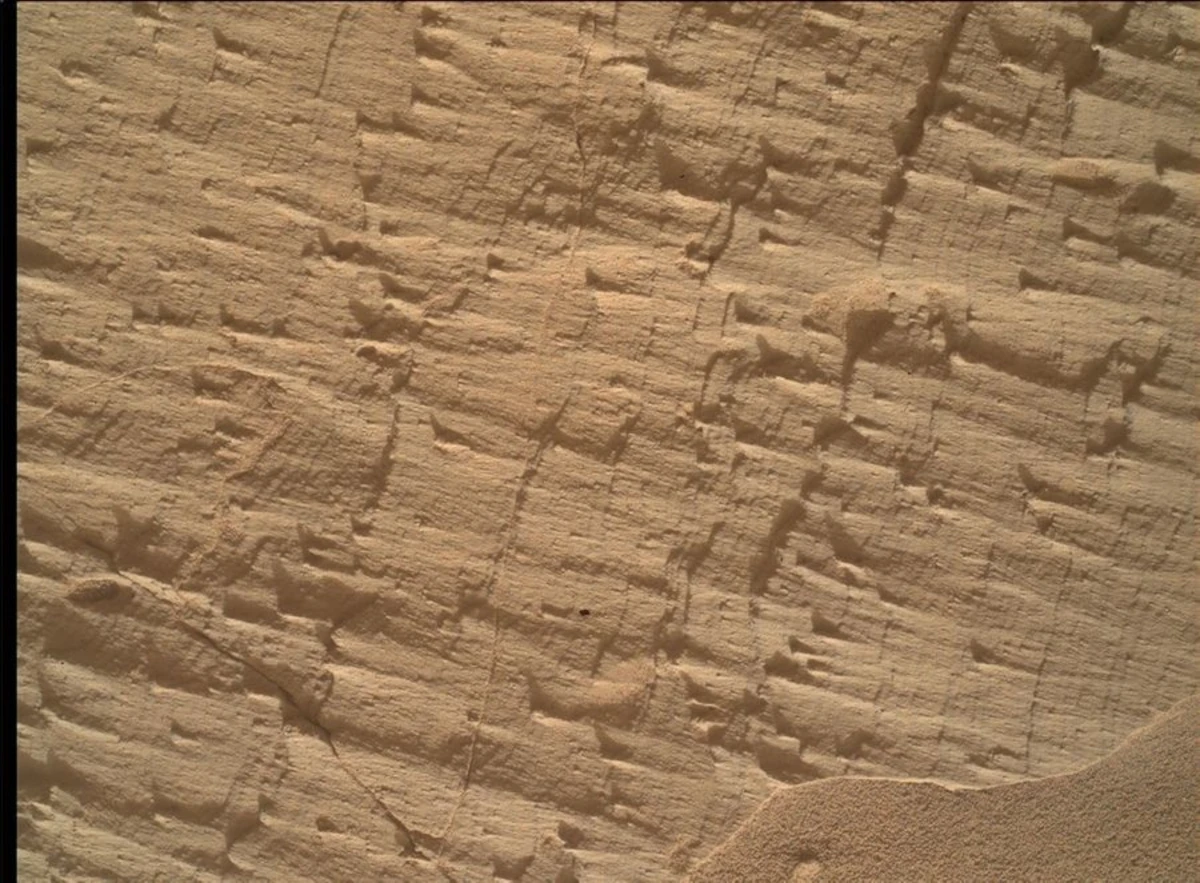
Curiosity Blog, Sols 4968-4974: Rock Climbing Towards the Discontinuity
Written by Lucy Lim, Planetary Scientist at NASA’s Goddard Space Flight Center Earth planning date: Friday, July 31, 2026 As mentioned in the previous blog, Curiosity has been exploring a large-scale feature in Gale’s sedimentary record suspected to be an “erosional supersurface.” The “supersurface” represents a period in time when a net depositional environment changed to a net erosional one before…
Read More » -
NASA
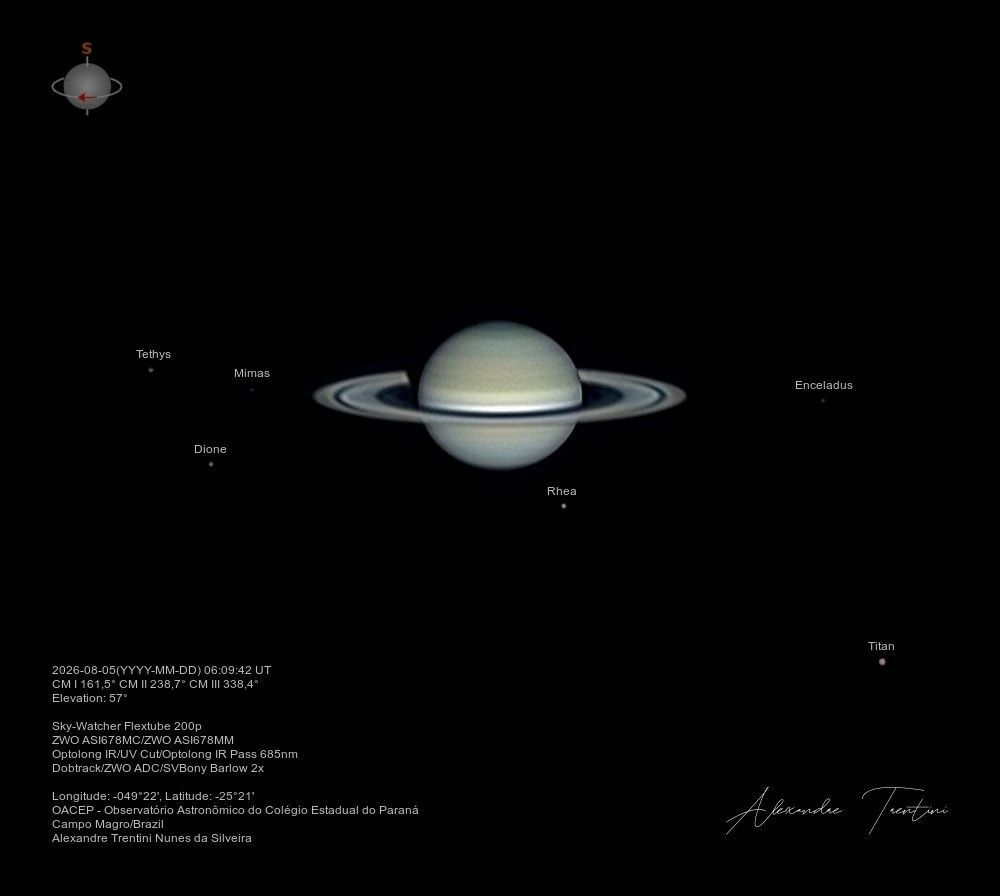
Astronomy Picture of the Day
Six Moons of Saturn Explanation: How many moons does Saturn have? While the total will likely continue to grow, as of June 2026 the ringed gas giant had 293 confirmed moons. That’s easily more than any other planet of the Solar System, including ruling gas giant Jupiter with a mere 115 confirmed moons. Most of Saturn’s known moons are small, irregular satellites. Many are…
Read More » -
NASA
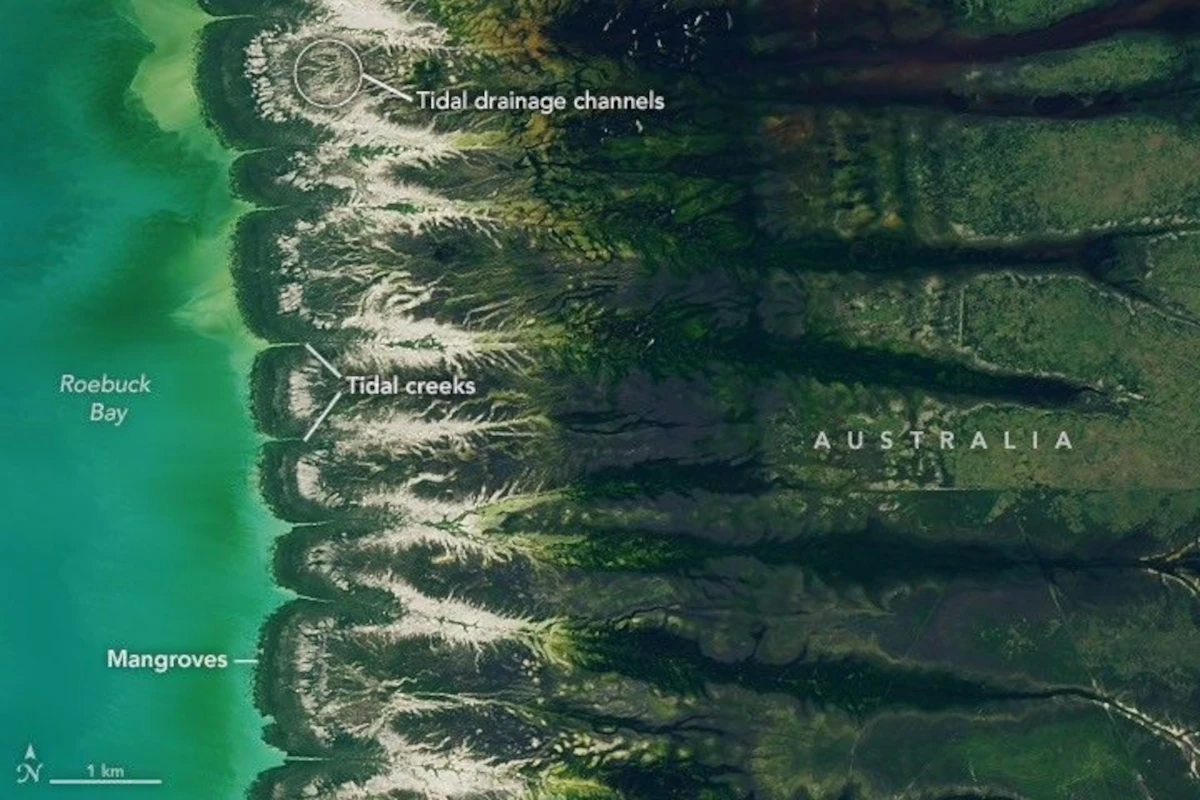
Bountiful Roebuck Bay
Editor’s Note: Today’s story is the answer to the August Puzzler. Tides are among the clearest signs of the Moon’s pull on Earth. Just 239,000 miles (385,000 kilometers) away, the Moon’s gravity pulls on Earth’s oceans and solid crust, subtly distorting them into a more oblong shape with bulges roughly extending toward and away from the Moon. High tides happen throughout Earth’s oceans, but in some places they leave an…
Read More » -
NASA
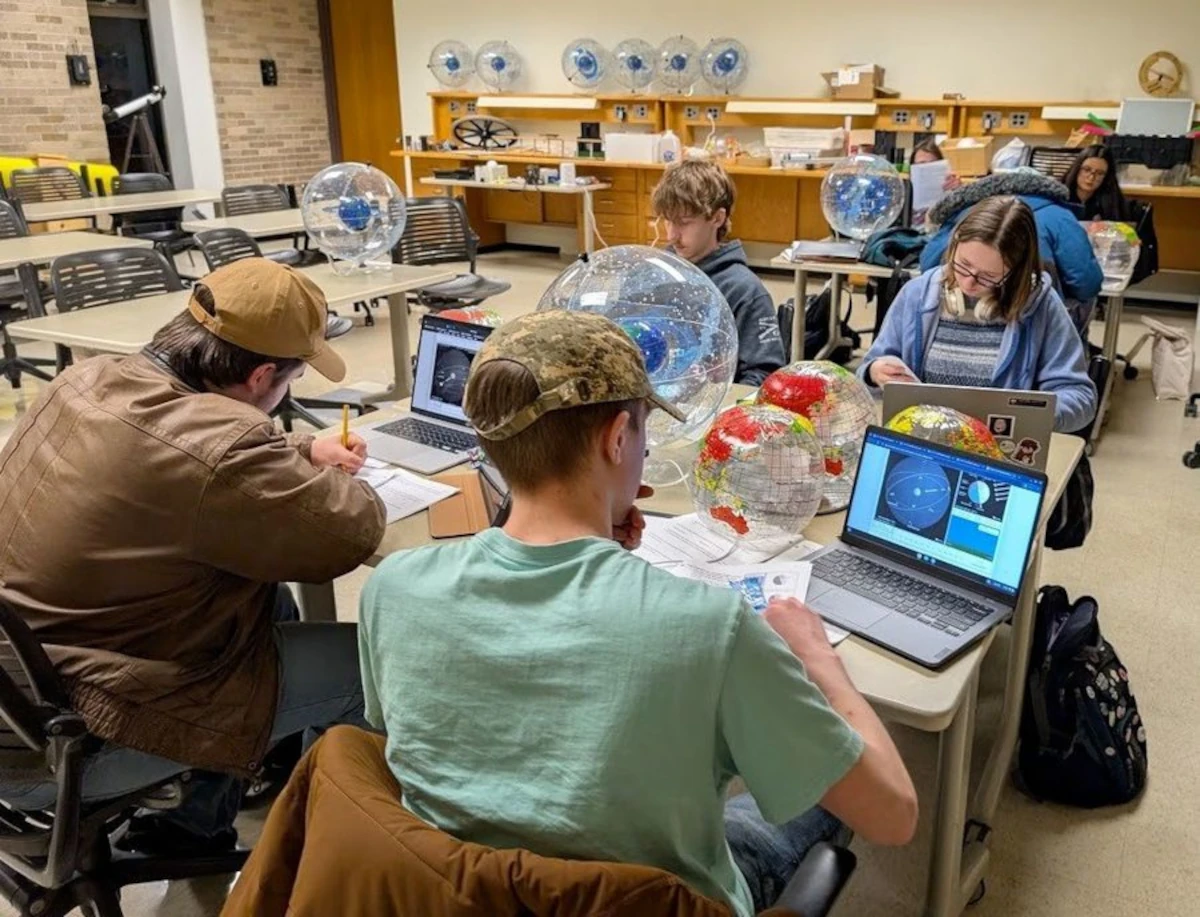
Community College Instructors Bring Astronomy Textbook Into 21st Century
Teaching the beautiful and inspirational science of astronomy using only the conceptual framework offered by a traditional textbook – without incorporating the wealth of incredible resources, images and activities from NASA – falls short of the more modern, active learning experience that could better serve students evolving learning strategies. Three project teams from the NASA Science Activation (SciAct) program – NASA…
Read More » -
NASA
NASA+ Debuts on discovery+, Coming Soon to HBO Max
As NASA+ continues its expansion across multiple streaming platforms to bring space closer to home, NASA announced Monday programming is next heading to discovery+ and HBO Max. A continuous live feed of NASA+ programming is streaming on discovery+ live channels, while HBO Max will stream NASA’s special events, including the Artemis III mission in 2027. Viewers on those platforms can…
Read More » -
NASA
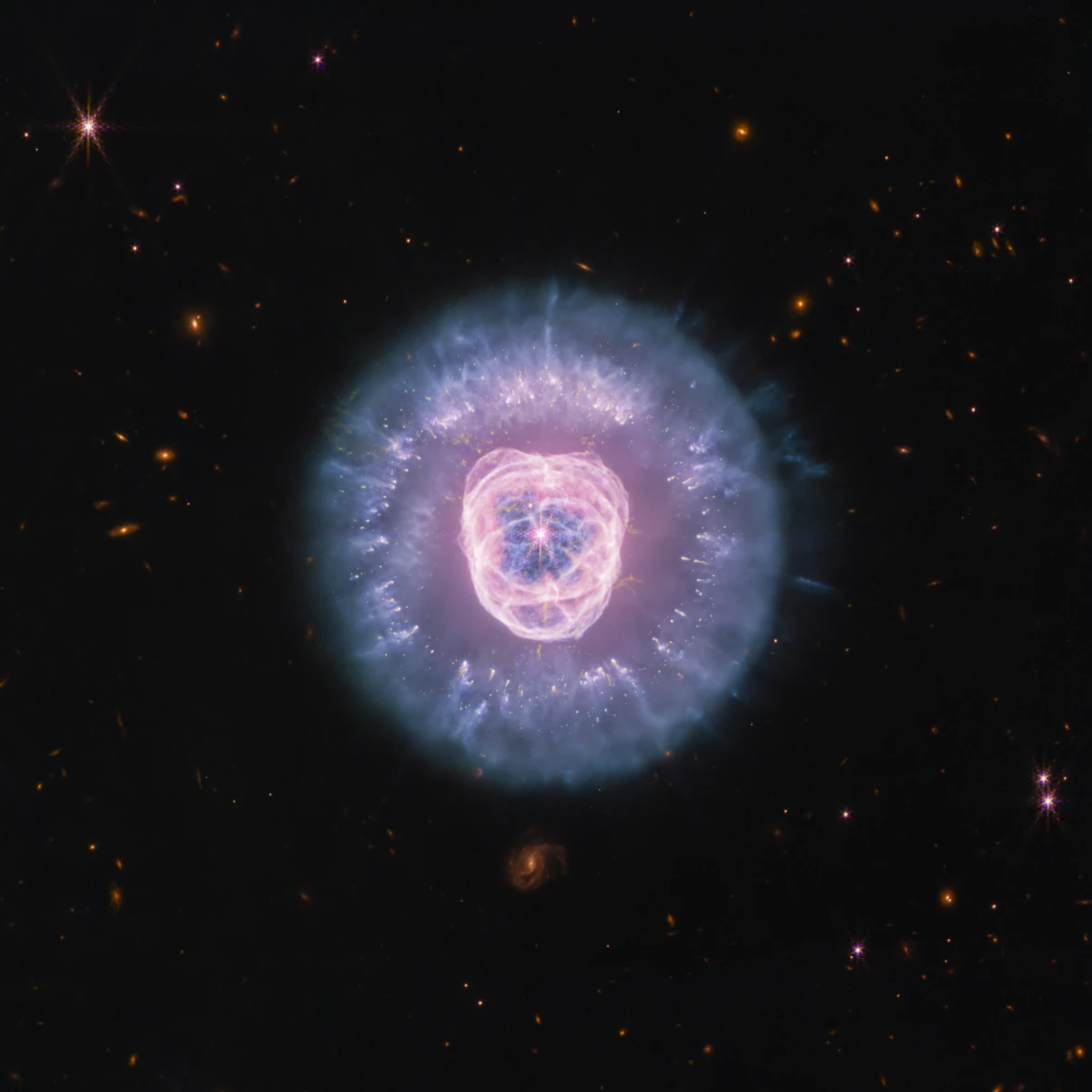
Lion Nebula Roars to Life With NASA’s Webb
Observing across the starry “plains” of space, NASA’s James Webb Space Telescope has taken new images of NGC 2392, nicknamed the Lion Nebula. NASA’s Hubble Space Telescope previously viewed this planetary nebula in 2000, imaging the lion face-shaped target in visible light and revealing features such as the “mane” of hazy, comet-shaped objects. Now Webb has captured a clearer, more detailed view of the…
Read More » -
NASA
Launch Into a New School Year With NASA
A new school year brings fresh opportunities to get involved with NASA. Whether you’re curious about space or eager to build real STEM skills, NASA offers a world of experiences putting you close to the action. As we enter a new golden age of exploration, there’s no better time to jump in, try something bold, and see where your curiosity…
Read More » -
NASA
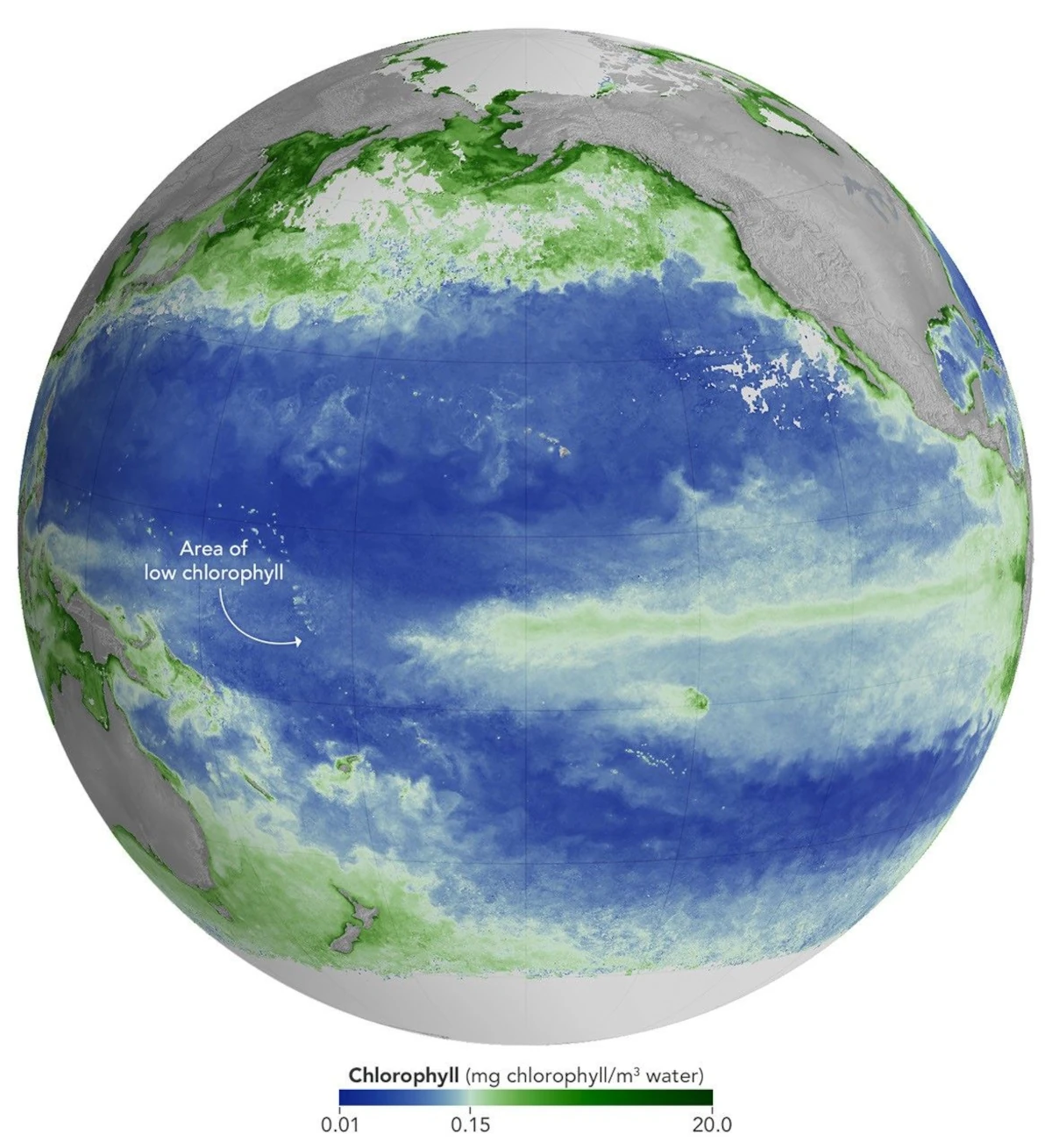
El Niño Alters Marine Life in the Pacific
As of June 2026, El Niño has officially arrived. This naturally recurring phenomenon is characterized by warmer-than-normal water temperatures in parts of the equatorial Pacific along with changes to atmospheric and oceanic circulation patterns. Its regional effects range from desert floods to delayed monsoons to shifts in where tropical cyclones are more likely to form. NOAA’s Climate Prediction Center expects the current El Niño…
Read More » -
NASA
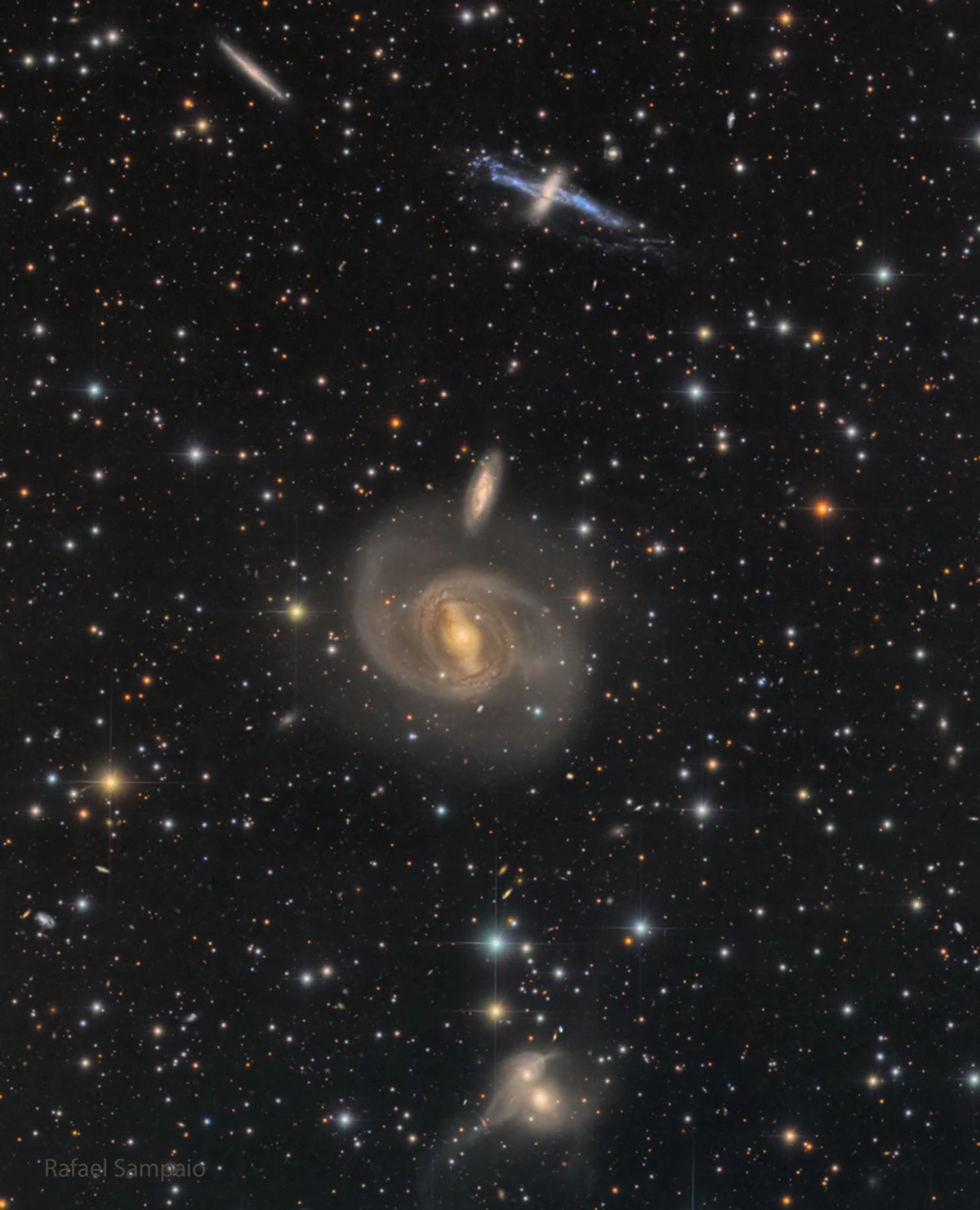
APOD: 2026 August 10 – Three Galaxy Pairs
Three Galaxy Pairs Explanation: Each of these pairs of galaxies is different. The two galaxies at the top are likely not interacting, at least presently. However, the top galaxy with the blue stripe, NGC 4650A, is a polar ring galaxy and may be the result of a past galaxy collision. The two galaxies in the middle of the featured image appear like they could be interacting gravitationally — but their relative speeds make this…
Read More »