
NASA
-
Press Releases
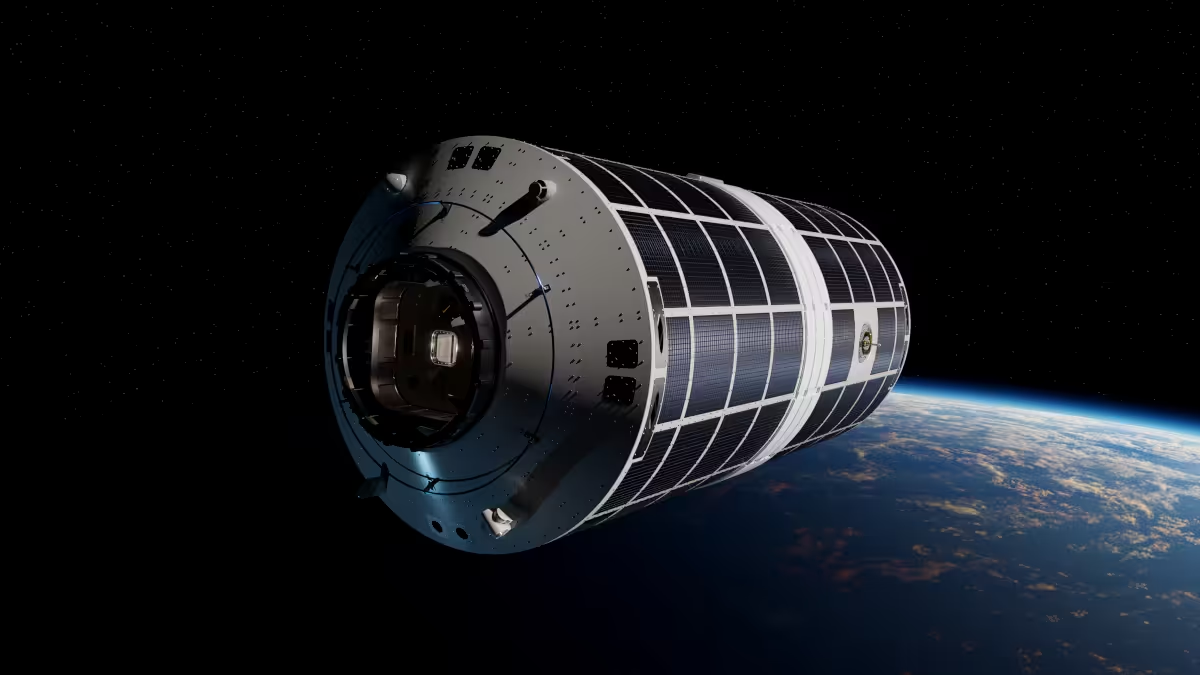
Gravitics Selected for NASA SBIR Award to Develop Commercial Sample Return Hangar
Gravitics, Inc., an orbital infrastructure company, today announced it has been selected by NASA for a 2026 Small Business Innovation Research (SBIR) Phase I award. The award supports development of the Multiple-Downmass Hangar, a system for affordable and frequent commercial sample return from low Earth orbit. The Multiple-Downmass Hangar is designed to hold multiple return vehicles on a single orbital…
Read More » -
NASA
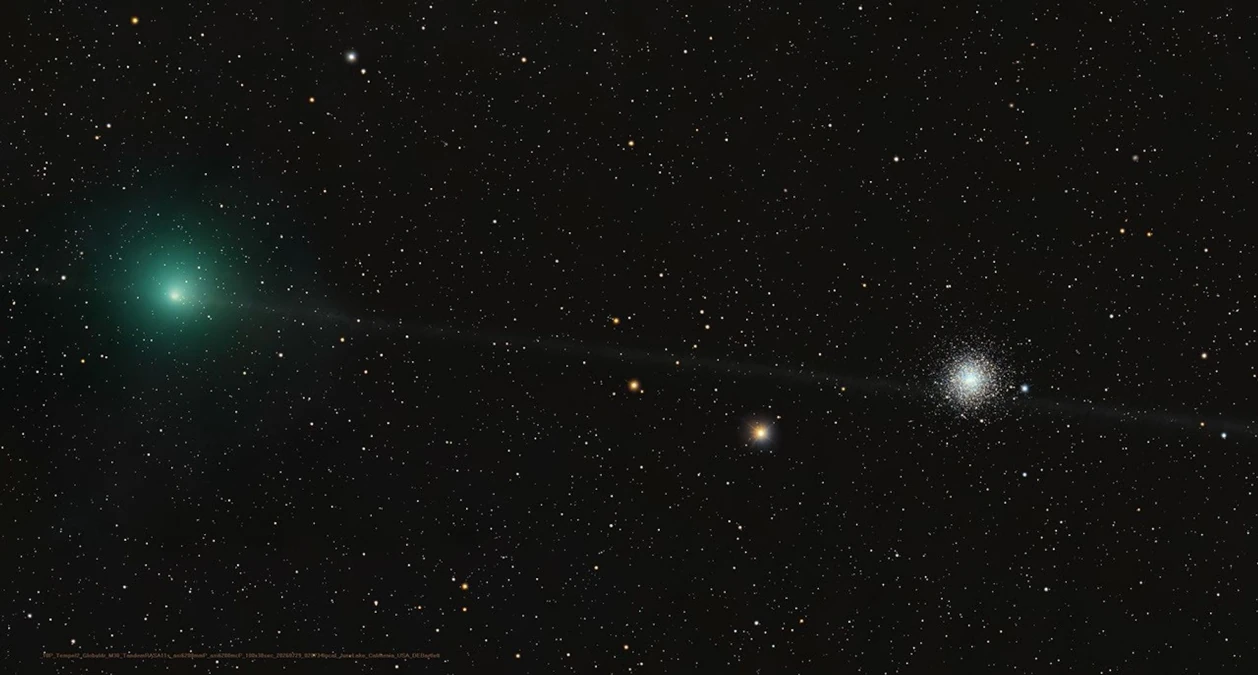
Astronomy Picture of the Day
A Messier Moment for Tempel 2 Explanation: Which of these is not a comet? You guessed it – the one on the right is a globular star cluster. The diffuse greenish coma of periodic comet 10P/Tempel 2 is at left in the frame. In fact the globular star cluster is Messier 30, also known as M30, or the 30th entry in astronomer Charles Messier’s catalog of…
Read More » -
NASA
2026 IGARSS Hyperwall Schedule
IGARSS 2026 Join NASA in the Exhibit Hall (Booth #100) for Hyperwall Storytelling by NASA experts. Full Hyperwall Agenda below. MONDAY, AUGUST 10 3:00 PM Technology Enabling the Future of Earth ScienceMike Seablom3:15 PM Discovery Earth: New Missions & Technical Innovation Advancing Earth System InsightsKaren St. Germain TUESDAY, AUGUST 11 10:00 AMSTELLA: Open-Source Multisenor Platforms For Real-Time Environmental MonitoringMike Taylor10:15 AMNOAA Geostationary…
Read More » -
NASA
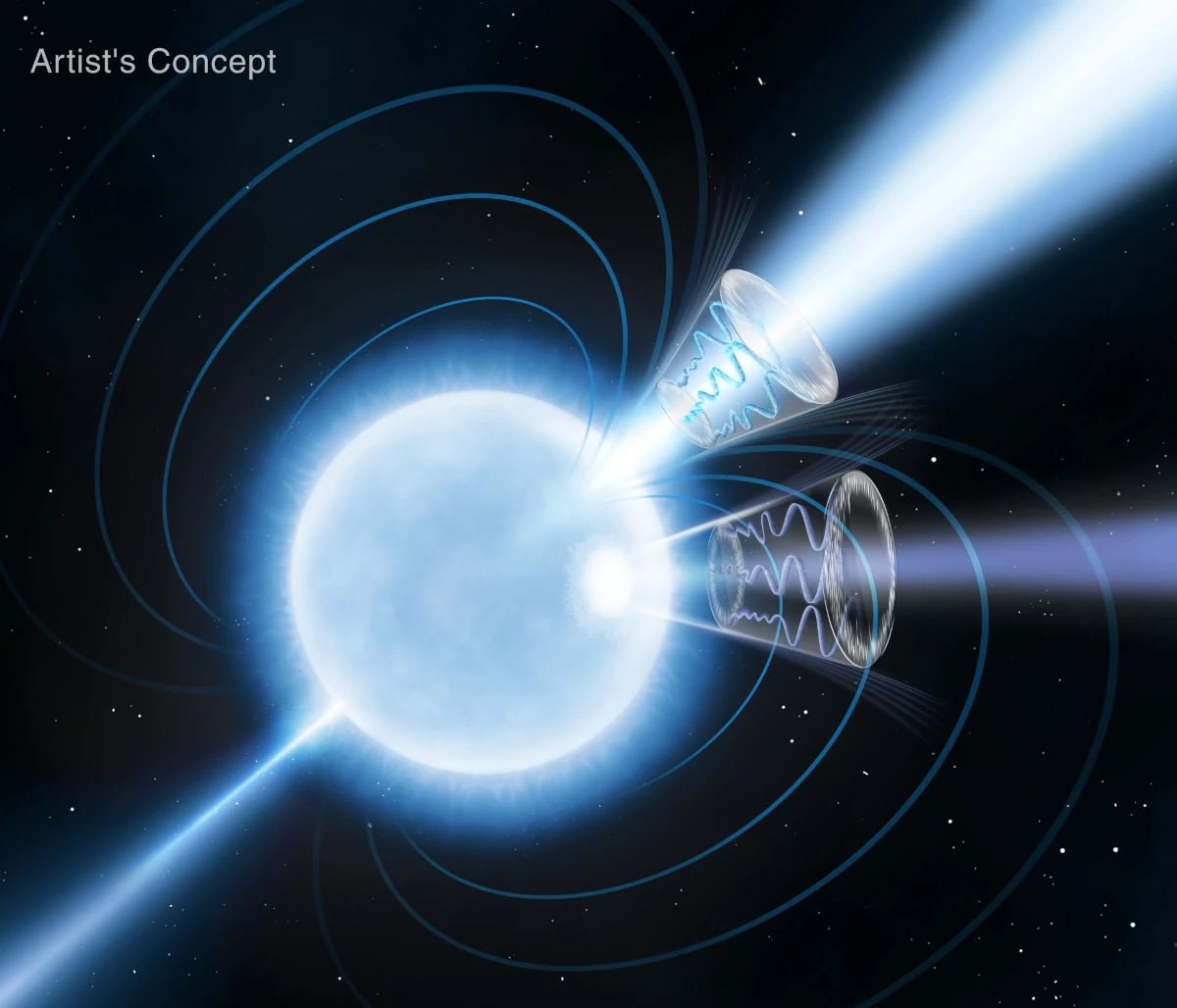
NASA’s IXPE Studies Magnetar
Scientists using NASA’s IXPE (Imaging X-ray Polarimetry Explorer) conducted more than 140 hours of observations of the magnetar 1E 1547-5408, shown in this Aug. 5, 2026, artist’s concept, between March and April 2025. In doing so, they may have captured empty space behaving in a way physicists have predicted for 90 years, but never directly observed. Magnetars are a special class of neutron…
Read More » -
NASA
Astronomy Picture of the Day
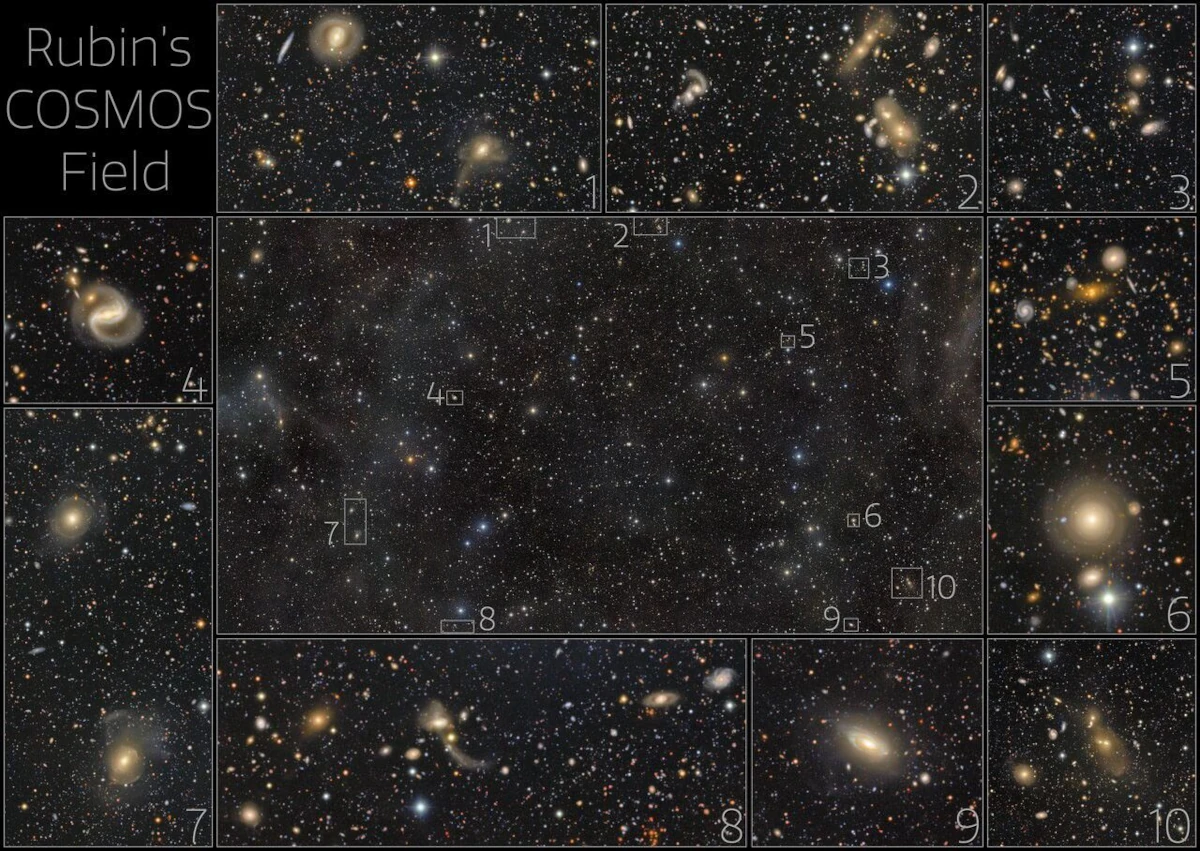
Rubin’s COSMOS Field Explanation: There are more than half a million galaxies in the central panel of this image from the NSF-DOE Vera C. Rubin Observatory in Chile. This is the COSMOS field, a patch of sky several times larger than the full moon, first observed by Hubble. It has also been observed by Webb and other telescopes because it contains comparatively few bright stars from our own galaxy, offering a relatively unimpeded view of…
Read More » -
NASA
Sensing the Poles’ Hidden Heat
At the top and bottom of the planet, the seasons arrive on a schedule all their own. Satellite data from a mission measuring infrared energy reveal just how differently—and how dramatically—surface temperatures swing across two full years at the poles. In this animation, surface temperatures across the Arctic and Antarctic pulse between cold (dark blue) and milder to warm (lighter…
Read More » -
NASA
NASA’s Lunar Development and Test Facility Prepares Artemis Hardware for Moon
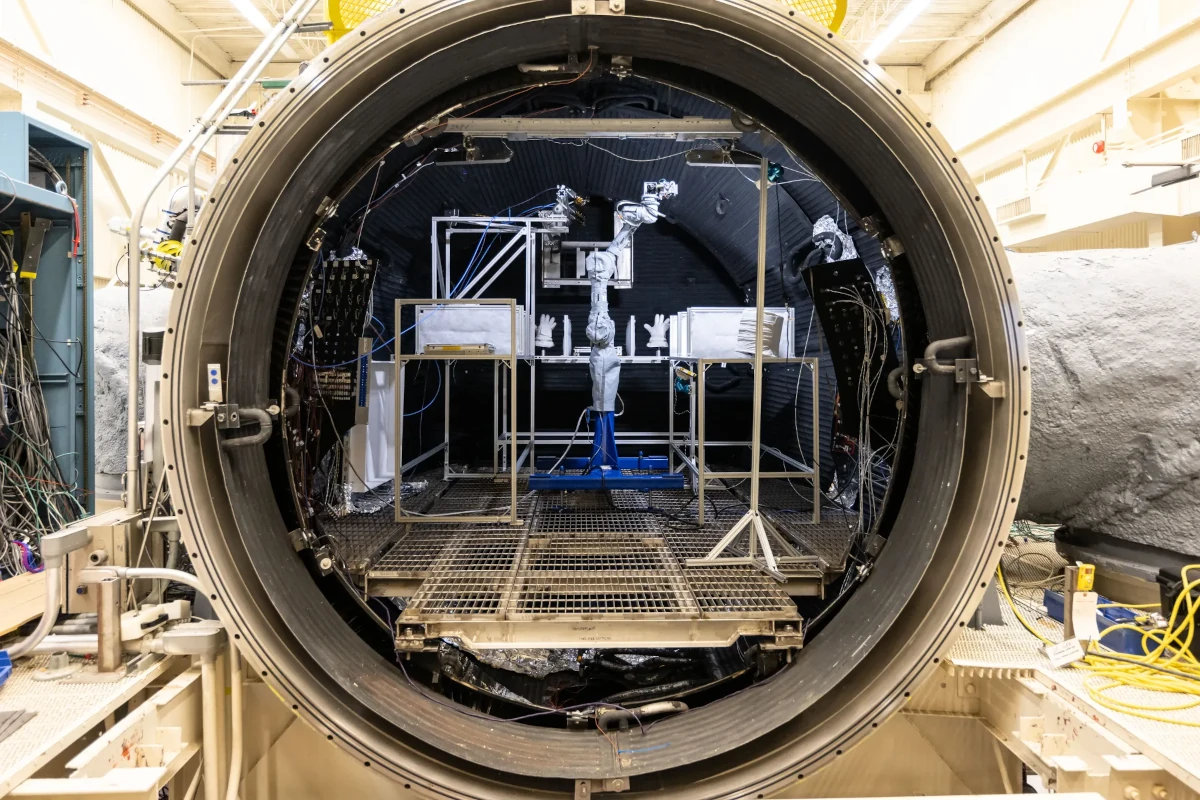
Before astronauts return to the Moon’s surface through NASA’s Artemis program, the hardware they depend on must first prove it can survive the unforgiving lunar environment. At NASA’s Johnson Space Center in Houston, engineers at the Lunar Development and Test Facility are tackling one of exploration’s biggest challenges: Moon dust. Unlike sand on Earth, lunar dust is sharp, abrasive, and clings to nearly everything. Without mitigation, lunar dust could damage equipment…
Read More » -
NASA
Educators & Teens Get Hands-On With TEMPO Data to Help Investigate Local Air Quality
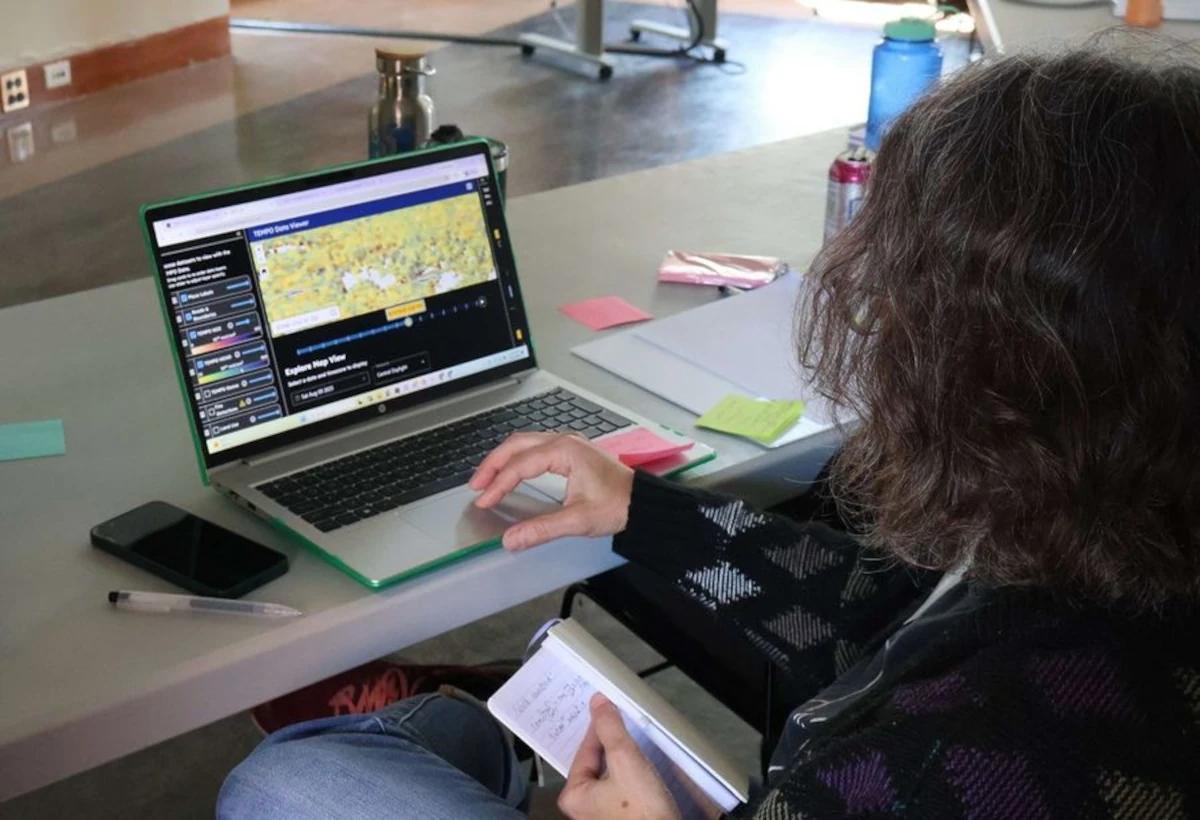
The NASA Science Activation Program’s Cosmic Storytelling with NASA Data (CosmicDS) project, led by Harvard University in Cambridge, Massachusetts, works to bring authentic NASA data into the hands of educators and learners. From July 27–29, 2026, the CosmicDS team partnered with the Smithsonian Institution’s BEST AQI (Breathing Easier: Supporting Teen Air Quality Investigations) project to host a Leadership Institute at…
Read More » -
NASA
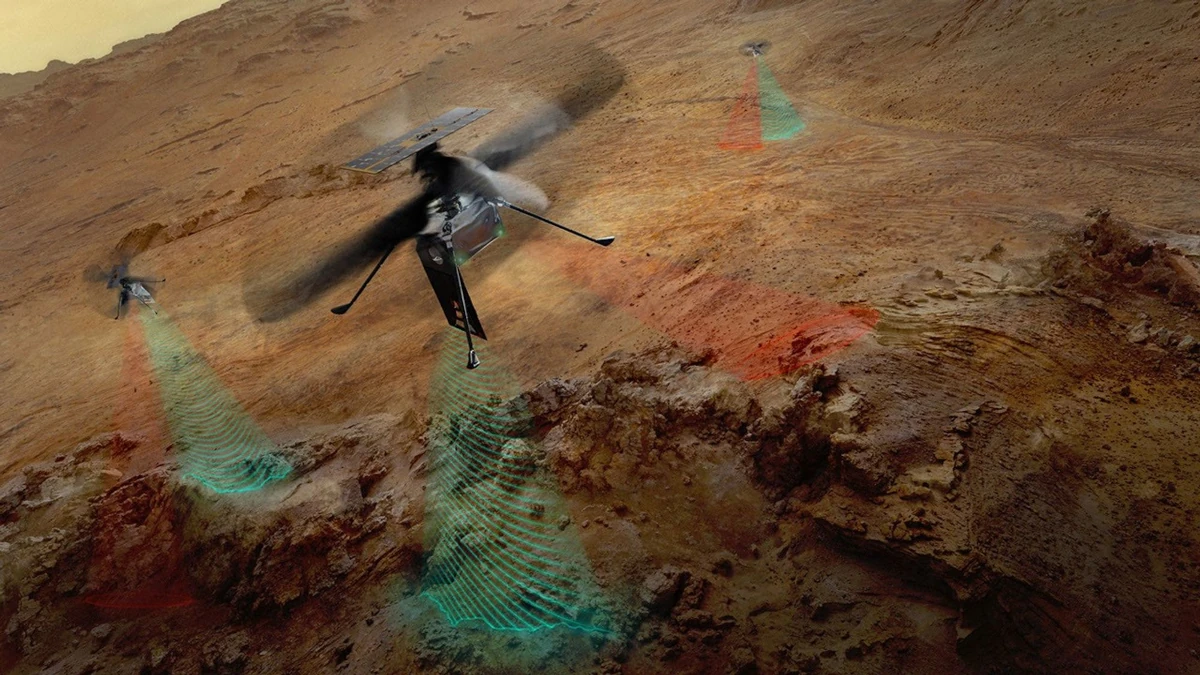
NASA’s SkyFall Helicopters at Work (Artist’s Concept)
Description This artist’s concept depicts NASA’s three SkyFall Mars helicopters collecting data while flying over the surface of the Red Planet. The green frequency waves emanating from the helicopters’ large antennas depict collection of subsurface radar data. The red beams depict collect near-infrared imagery data from regolith (crushed rock and dust) and other surface features. Equipped with four instruments each,…
Read More » -
NASA
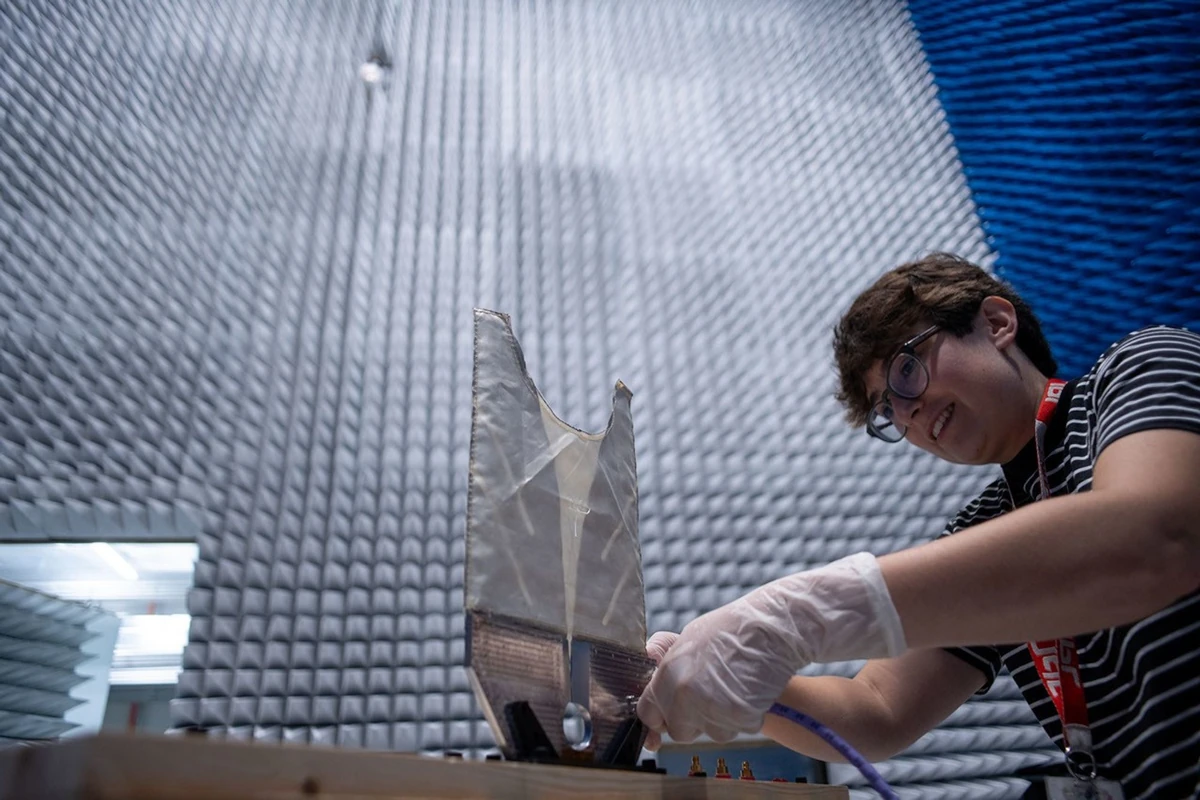
Antenna Testing for NASA’s SkyFall Mission
Description SkyFall ground-penetrating radar engineer Maya Román connects a coaxial cable to a test antenna in the Environmental Test Lab’s electromagnetic interference testing chamber at NASA’s Jet Propulsion Laboratory in Southern California. The antenna was pointed up during test to minimize reflections and interferences with the antenna pattern during the measurement. Equipped with four instruments each, the three SkyFall aircraft will follow…
Read More »