
NASA
-
NASA
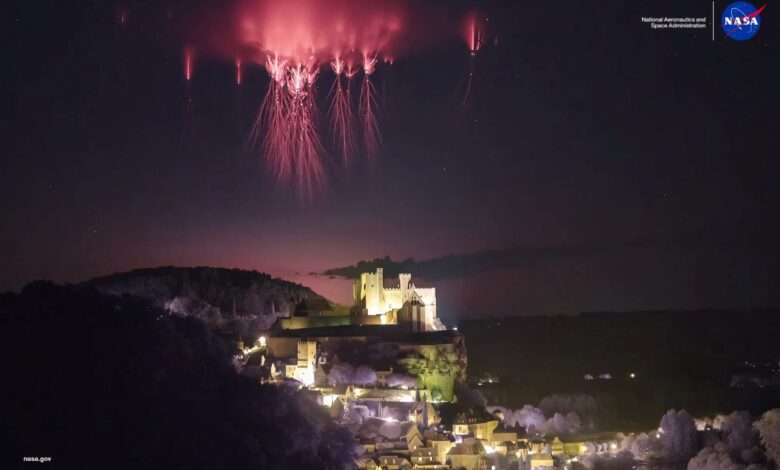
Sprites Over Château de Beynac
A flash of lightning, and then—something else. High above a storm, a crimson figure blinks in and out of existence. If you see it, you are a lucky witness of a sprite, one of the least-understood electrical phenomena in Earth’s upper atmosphere. Sprites occur at some 50 miles (80 kilometers) altitude, high above thunderstorms. They appear moments after a lightning…
Read More » -
NASA
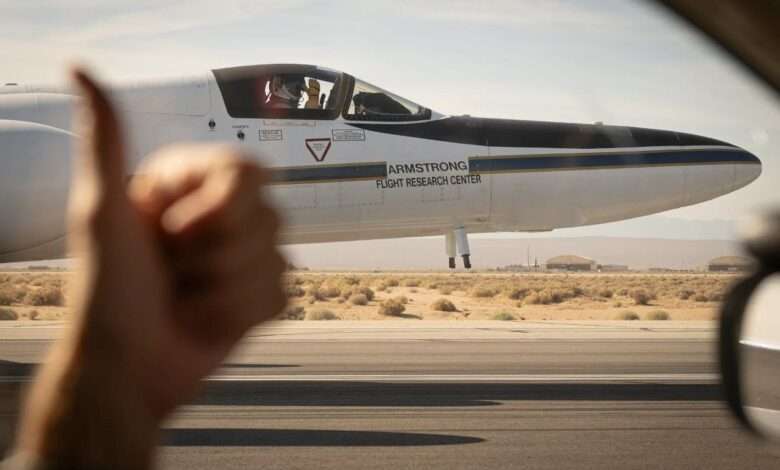
New NASA Sensor Goes Hunting for Critical Minerals
Called AVIRIS-5, it’s the latest in a long line of sensors pioneered by NASA JPL to survey Earth, the Moon, and other worlds. Cradled in the nose of a high-altitude research airplane, a new NASA sensor has taken to the skies to help geoscientists map rocks hosting lithium and other critical minerals on Earth’s surface some 60,000 feet below. In…
Read More » -
NASA
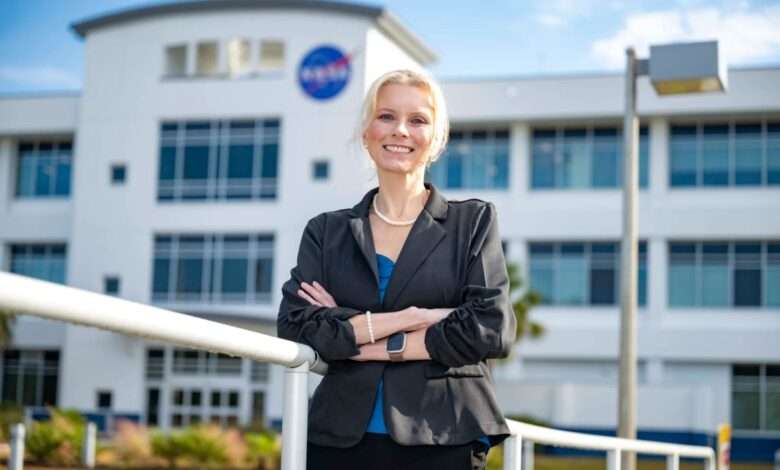
How Louisiana Native Turned Childhood Wonder into NASA Stennis Career
Michelle Hoehn vividly remembers the day a seed was planted for her future at NASA’s Stennis Space Center near Bay St. Louis, Mississippi. As a seventh grader, the Bogalusa, Louisiana, native joined her dad for Father/Daughter Day at NASA Stennis. Hoehn knew she wanted to be part of something bigger, something that sparked wonder and purpose, in the moment she…
Read More » -
NASA
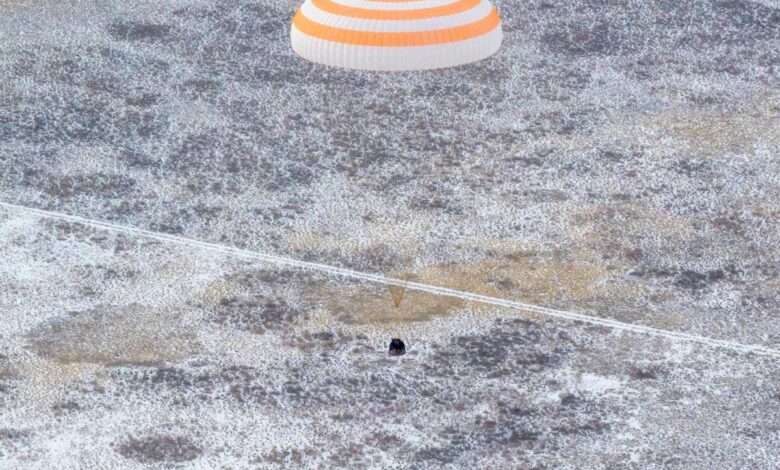
NASA Astronaut Jonny Kim, Crewmates Return from Space Station
NASA astronaut Jonny Kim returned to Earth on Tuesday alongside Roscosmos cosmonauts Sergey Ryzhikov and Alexey Zubritsky, wrapping up an eight-month science mission aboard the International Space Station to benefit life on Earth and future space exploration. They made a safe, parachute-assisted landing at 12:03 a.m. EST (10:03 a.m. local time), southeast of Dzhezkazgan, Kazakhstan, after departing the space station…
Read More » -
NASA
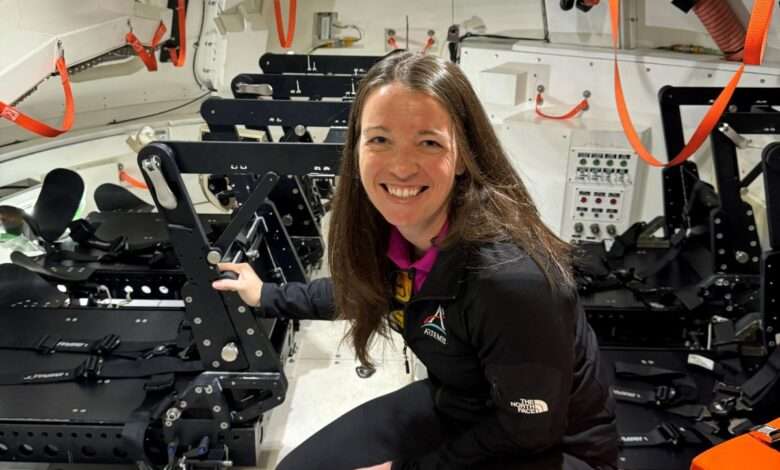
Artemis II Vehicle Manager Branelle Rodriguez Gets Orion Ready for “Go”
By the time the Artemis II Orion spacecraft launches to the Moon next year, its many components will already have traveled thousands of miles and moved across multiple facilities before coming together at NASA’s Kennedy Space Center. Branelle Rodriguez, Artemis II vehicle manager for the Orion Program, has overseen many parts of that journey. Her job is to ensure the…
Read More » -
NASA
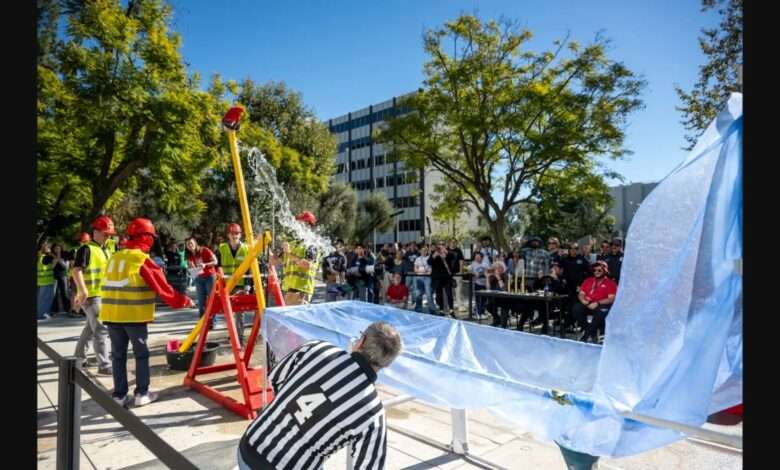
Invention Challenge Brings Student Engineers to NASA JPL
Now in its 26th year, the event brings teams of middle and high school students to the lab to compete with home-built contraptions. Teenagers wielding power tools and plywood demonstrated their engineering prowess at the annual Invention Challenge at NASA’s Jet Propulsion Laboratory in Southern California on Friday. Also in evidence: lots of small motors, 3D-printed gears, PVC pipe, and…
Read More » -
NASA

NASA Wins Second Emmy Award for 2024 Total Solar Eclipse Broadcast
NASA’s broadcast of the April 8, 2024, total solar eclipse has won an Emmy Award for Excellence in Production Technology. At the 76th Technology & Engineering Emmy Awards on Dec. 4, in New York City, the Academy of Television Arts & Sciences announced the win. Walt Lindblom and Sami Aziz accepted the award on behalf of the agency. For the…
Read More » -
NASA
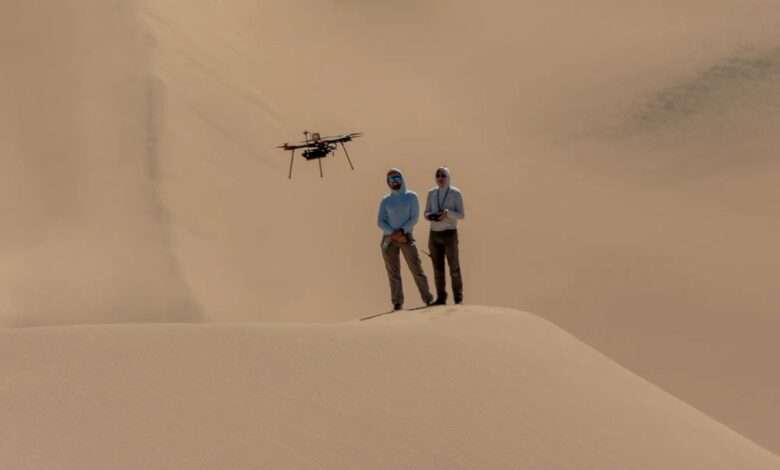
Testing Drones for Mars in the Mojave Desert
Researchers from NASA’s Jet Propulsion Laboratory monitor a research drone in this September 2025 photo. This flight occurred in Dumont Dunes, an area of the Mojave Desert, as part of a larger test campaign to develop navigation software that would guide future rotorcraft on Mars. The work was among 25 projects funded by NASA’s Mars Exploration Program this past year to push…
Read More » -
NASA
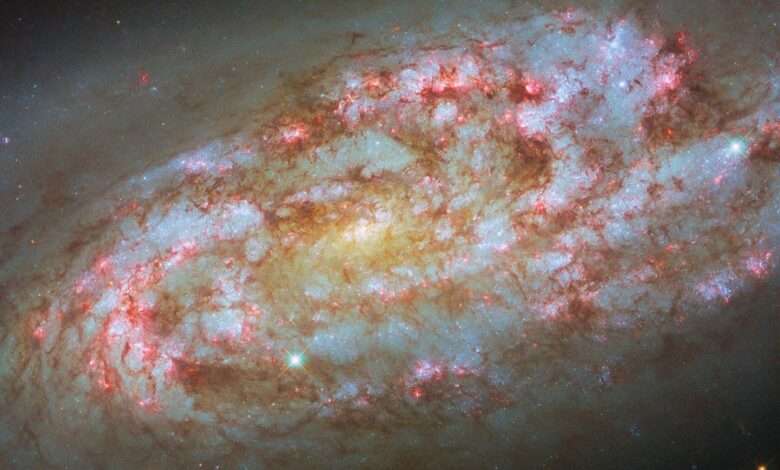
Hubble Spots a Storm of New Stars
This NASA/ESA Hubble Space Telescope image features a stormy and highly active spiral galaxy named NGC 1792. Located over 50 million light-years from Earth in the constellation Columba (the Dove), the bright glow of the galaxy’s center is offset by the flocculent and sparkling spiral arms swirling around it. NGC 1792 is just as fascinating to astronomers as its chaotic look might…
Read More » -
NASA
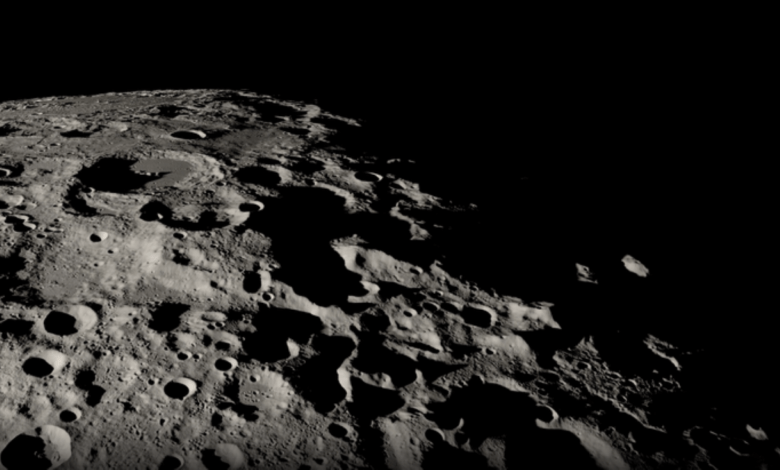
NASA Selects 2 Instruments for Artemis IV Lunar Surface Science
NASA has selected two science instruments designed for astronauts to deploy on the surface of the Moon during the Artemis IV mission to the lunar south polar region. The instruments will improve our knowledge of the lunar environment to support NASA’s further exploration of the Moon and beyond to Mars. A visualization of the Moon’s South Pole region created with data…
Read More »