
NASA
-
NASA
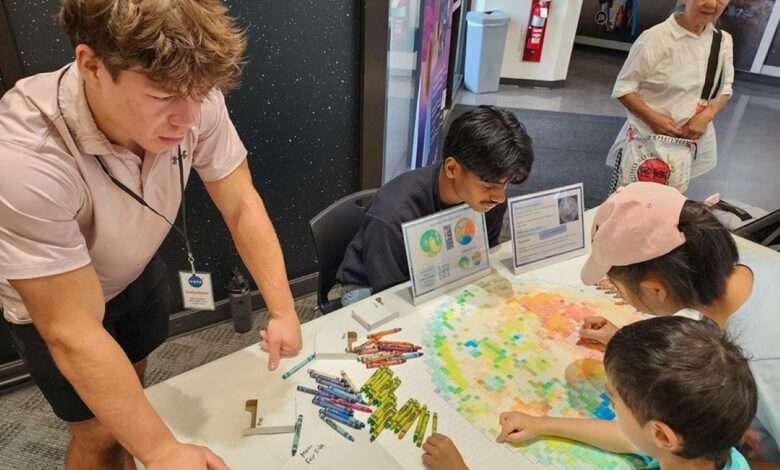
NASA Fuels Discovery from Earth to Sky: One Crayon at a Time
A collaboration between the NASA Earth Science Education Collaborative (NESEC) and Earth to Sky (ETS) – an exciting, growing partnership between NASA, the National Park Service, and other federal, state, and local organizations – is facilitating the implementation of a simple, yet incredibly effective activity that will help millions of national park visitors connect with NASA Earth and space science.…
Read More » -
NASA
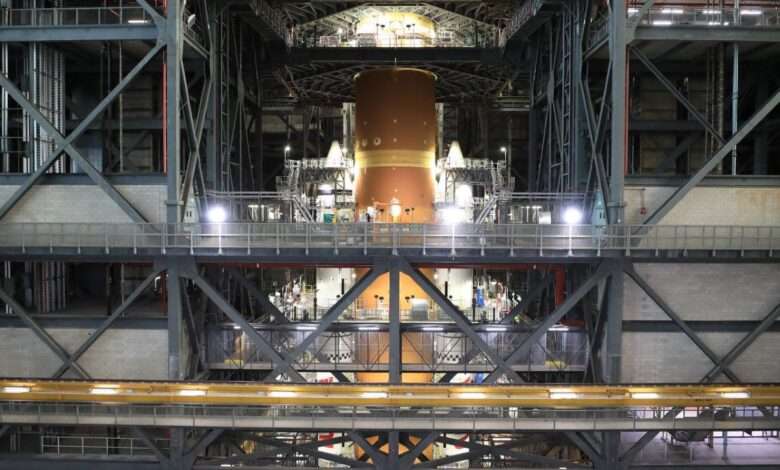
NASA Progresses Toward Artemis II Moon Mission
As 2026 nears, NASA continues moving forward to launching and flying Artemis II, the first crewed mission under the Artemis campaign, no later than April next year. NASA’s Orion spacecraft, complete with its launch abort system escape tower, is now integrated with the SLS (Space Launch System) rocket in the Vehicle Assembly Building (VAB) at the agency’s Kennedy Space Center in…
Read More » -
NASA
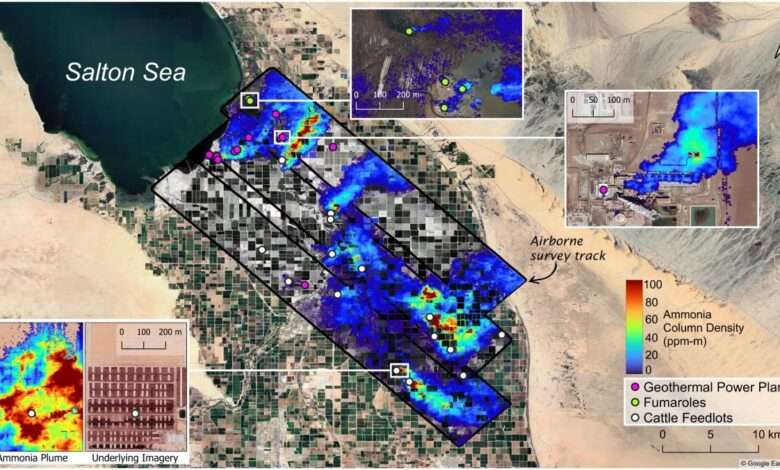
NASA, Aerospace Corporation Study Sharpens Focus on Ammonia Emissions
The pungent gas contributes to fine airborne particulate pollution, which endangers human health when inhaled and absorbed in the bloodstream. A recent study led by scientists at NASA’s Jet Propulsion Laboratory in Southern California and the nonprofit Aerospace Corporation shows how high-resolution maps of ground-level ammonia plumes can be generated with airborne sensors, highlighting a way to better track the…
Read More » -
NASA
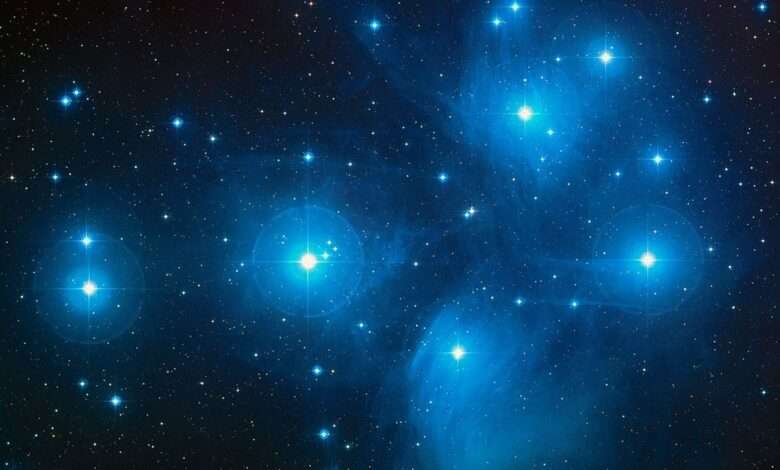
NASA’s TESS Spacecraft Triples Size of Pleiades Star Cluster
Astronomers have revolutionized our understanding of a collection of stars in the northern sky called the Pleiades. They used data from NASA’s TESS (Transiting Exoplanet Survey Satellite) and other observatories as NASA explores the secrets of the universe for the benefit of all, from the Moon to Mars and beyond. By examining the rotation, chemistry, and orbit around the Milky…
Read More » -
NASA

I Am Artemis: Ethan Jacobs
High above the Rocky Mountains, Ethan Jacobs is helping NASA preparing to land people on the Moon for the first time in more than 50 years. NASA will send astronauts to the lunar South Pole during the Artemis III mission and beyond. As part of their journeys, crew will travel in a human landing system that will safely transport them from lunar…
Read More » -
NASA
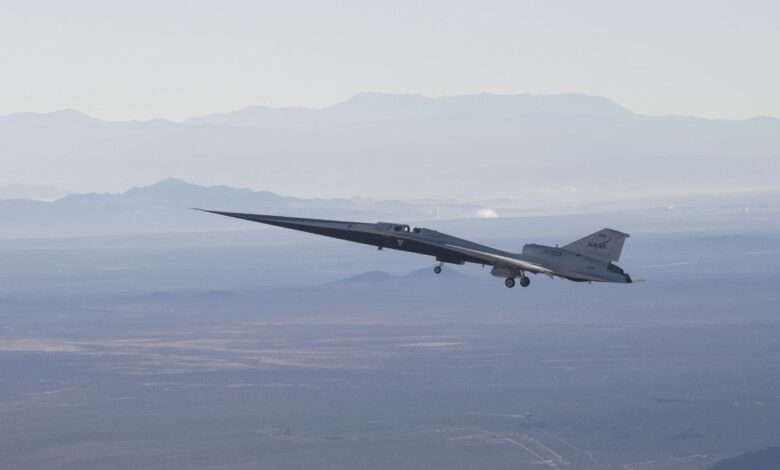
NASA’s X-59 Completes First Flight, Prepares for More Flight Testing
After years of design, development, and testing, NASA’s X-59 quiet supersonic research aircraft took to the skies for the first time Oct. 28, marking a historic moment for the field of aeronautics research and the agency’s Quesst mission. The X-59, designed to fly at supersonic speeds and reduce the sound of loud sonic booms to quieter sonic thumps, took off…
Read More » -
NASA
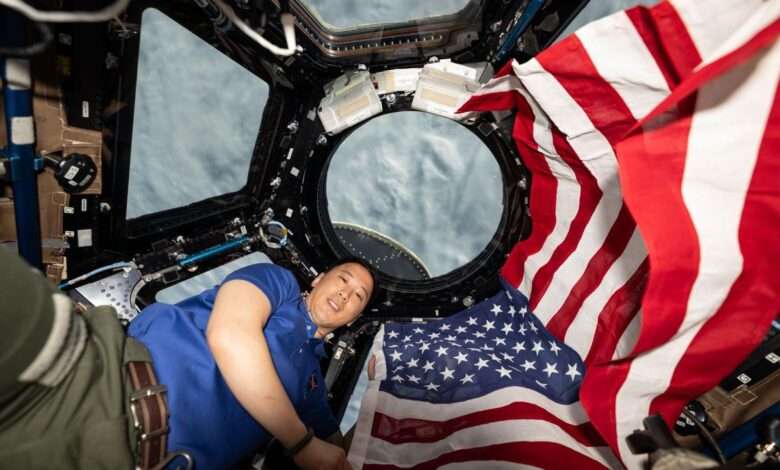
Celebrating 25 Years of Humanity in Space
In 2025, NASA and its international partners celebrate 25 years of continuous human presence aboard the International Space Station. Since November 2, 2000, more than 290 people from 26 countries have lived and worked aboard the orbiting laboratory, conducting thousands of experiments that have advanced science and technology on Earth and paved the way for Artemis missions to the Moon…
Read More » -
NASA
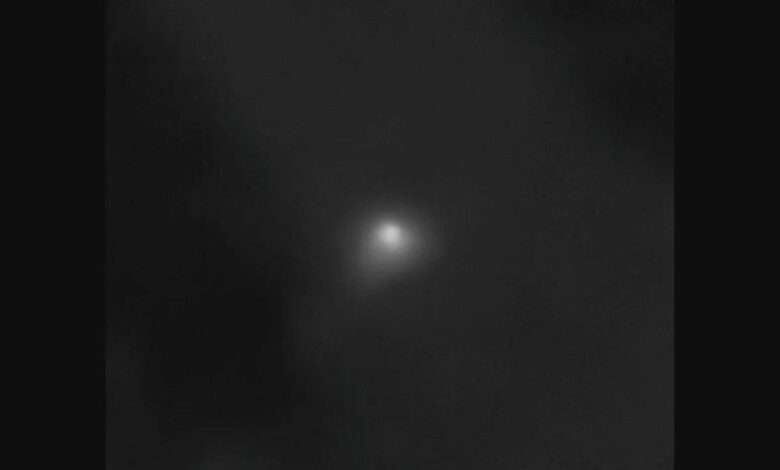
NASA’s Mars Spacecraft Capture Images of Comet 3I/ATLAS
Two orbiters and a rover captured images of the interstellar object — from the closest location any of the agency’s spacecraft may get — that could reveal new details. At the start of October, three of NASA’s Mars spacecraft had front row seats to view 3I/ATLAS, only the third interstellar object so far discovered in our solar system. The Mars…
Read More » -
Gaming
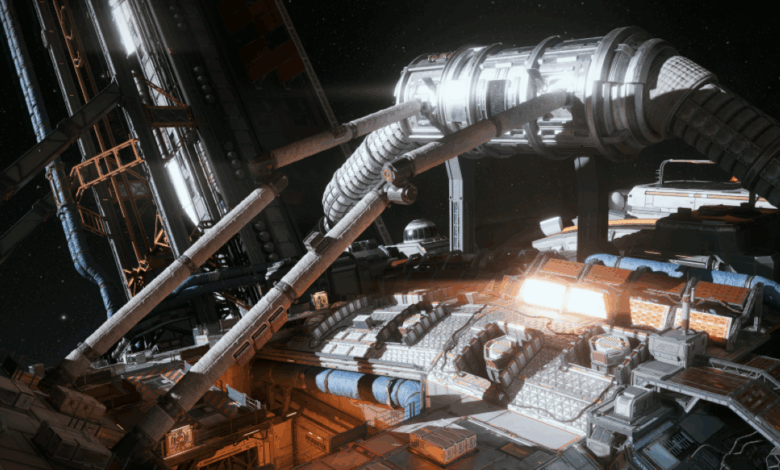
Bringing Sci-Fi to Life: The Real Science Behind The Expanse: Osiris Reborn
Today, Owlcat Games offered fans a look behind the scenes of The Expanse: Osiris Reborn and its depiction of life in space in the form of a new dev diary revealed during the Golden Joystick Awards. In collaboration with former NASA astronaut and ISS commander Leroy Chiao, the studio worked at striking the right balance between realism and playability. Watch the new dev diary…
Read More » -
NASA
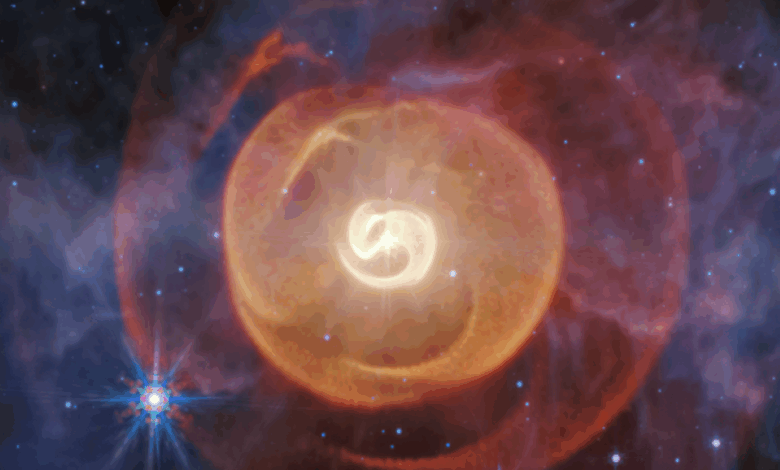
Webb First to Show 4 Dust Shells ‘Spiraling’ Apep, Limits Long Orbit
NASA’s James Webb Space Telescope has delivered a first of its kind: a crisp mid-infrared image of a system of four serpentine spirals of dust, one expanding beyond the next in precisely the same pattern. (The fourth is almost transparent, at the edges of Webb’s image.) Observations taken prior to Webb only detected one shell, and while the existence of…
Read More »