
NASA
-
NASA
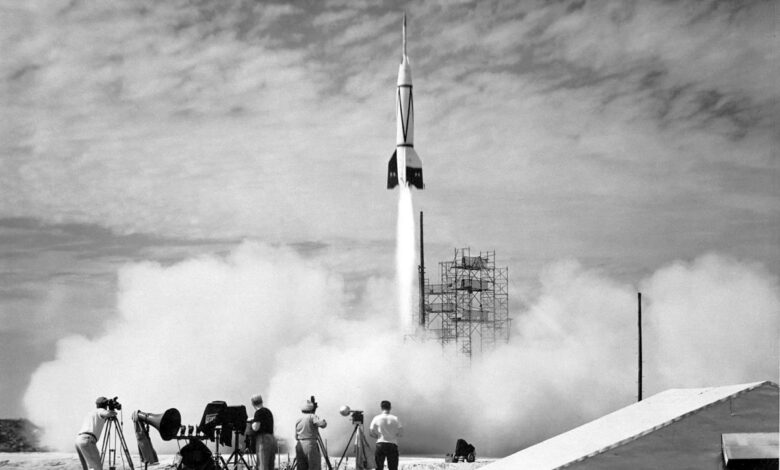
First Rocket Launch from Cape Canaveral
The Bumper V-2 launches from Cape Canaveral in this July 24, 1950, photo. In the 75 years since this milestone, this facility has seen thousands of rockets take to the skies, destined for Earth orbit, the Moon, planets, and even beyond. From Cape Canaveral and from NASA’s Kennedy Space Center in Florida nearby, astronauts launched on the first pioneering crewed missions, headed for Moon…
Read More » -
NASA
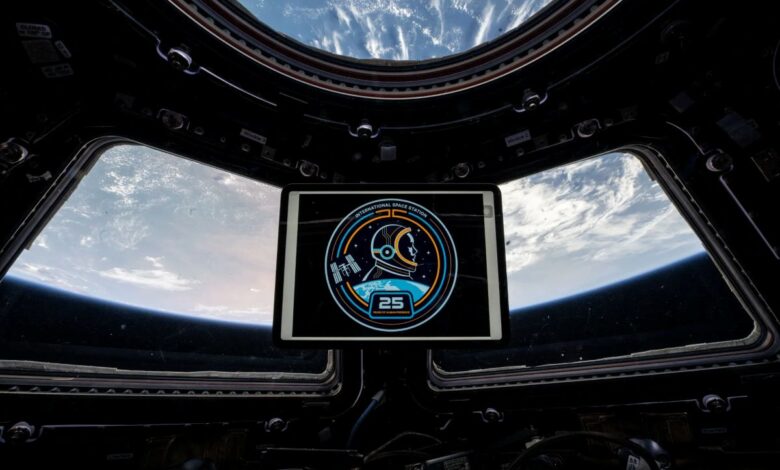
Celebrating 25 Years of Continuous Human Presence Aboard the International Space Station
NASA and its partners have supported humans continuously living and working in space since November 2000. A truly global endeavor, the International Space Station has been visited by more than 280 people from 23 countries and a variety of international and commercial spacecraft. The unique microgravity laboratory has hosted more than 4,000 experiments from more than 5,000 researchers in more…
Read More » -
NASA
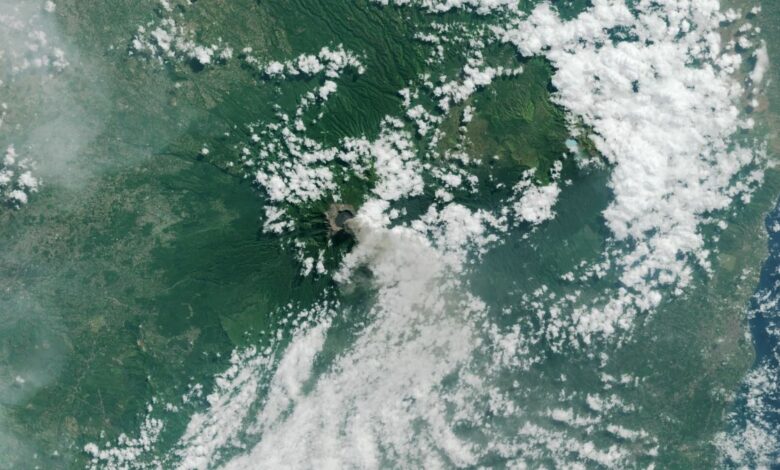
How NASA Is Testing AI to Make Earth-Observing Satellites Smarter
A technology called Dynamic Targeting could enable spacecraft to decide, autonomously and within seconds, where to best make science observations from orbit. In a recent test, NASA showed how artificial intelligence-based technology could help orbiting spacecraft provide more targeted and valuable science data. The technology enabled an Earth-observing satellite for the first time to look ahead along its orbital path,…
Read More » -
NASA
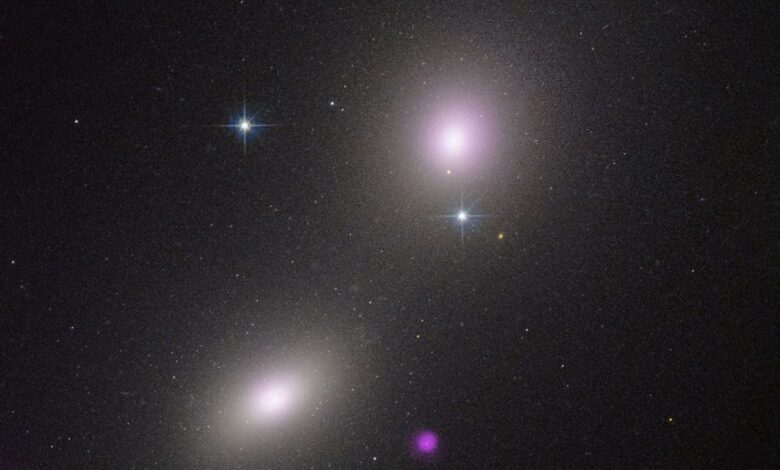
NASA’s Hubble, Chandra Spot Rare Type of Black Hole Eating a Star
NASA’s Hubble Space Telescope and NASA’s Chandra X-ray Observatory have teamed up to identify a new possible example of a rare class of black holes. Called NGC 6099 HLX-1, this bright X-ray source seems to reside in a compact star cluster in a giant elliptical galaxy. Just a few years after its 1990 launch, Hubble discovered that galaxies throughout the universe can contain supermassive…
Read More » -
NASA
NASA Launches Mission to Study Earth’s Magnetic Shield
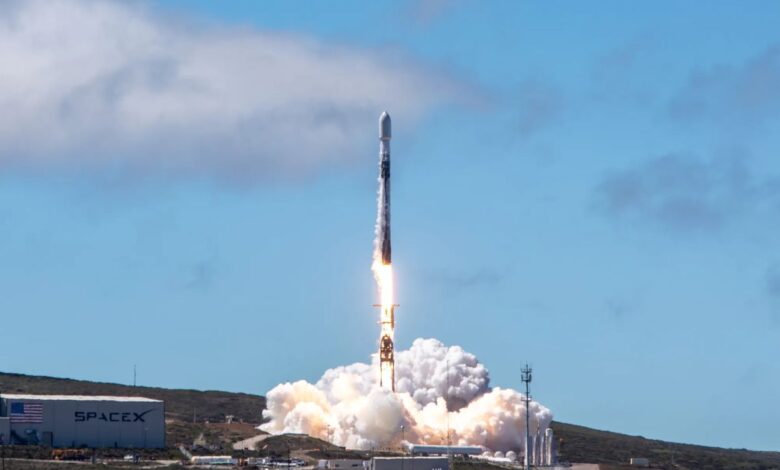
NASA’s newest mission, TRACERS, soon will begin studying how Earth’s magnetic shield protects our planet from the effects of space weather. Short for Tandem Reconnection and Cusp Electrodynamics Reconnaissance Satellites, the twin TRACERS spacecraft lifted off at 11:13 a.m. PDT (2:13 p.m. EDT) Wednesday aboard a SpaceX Falcon 9 rocket from Space Launch Complex 4 East at Vandenberg Space Force…
Read More » -
NASA
NASA Sets Launch Coverage for Earth-Tracking NISAR Satellite
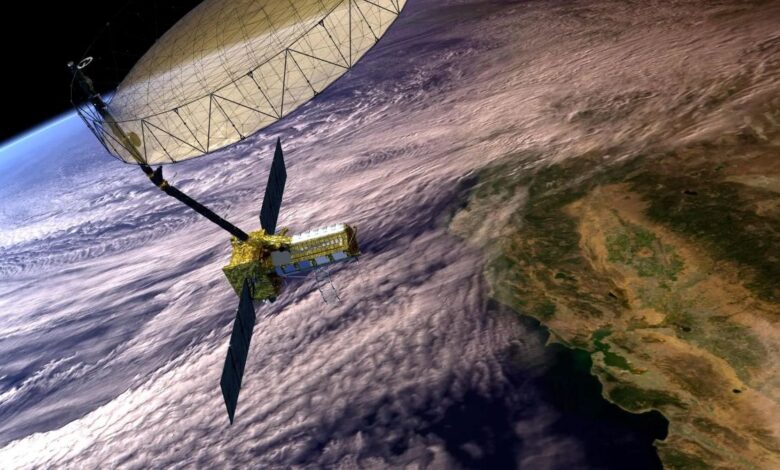
NASA will provide live coverage of launch activities for NISAR (NASA-ISRO Synthetic Aperture Radar), which is set to lift off at 8:10 a.m. EDT (5:40 p.m. IST), Wednesday, July 30, from Satish Dhawan Space Centre on India’s southeastern coast. A collaboration between NASA and the Indian Space Research Organisation (ISRO), the first-of-its-kind satellite will lift off aboard an ISRO Geosynchronous…
Read More » -
NASA

NASA Tests 5G-Based Aviation Network to Boost Air Taxi Connectivity
NASA engineers are exploring how the technology used in existing cellphone networks could support the next generation of aviation. In April and May, researchers at NASA’s Glenn Research Center in Cleveland built two specialized radio systems to study how well fifth-generation cellular network technology, known as 5G, can handle the demands of air taxi communications. “The goal of this research…
Read More » -
NASA
NASA Scientist Finds Predicted Companion Star to Betelgeuse
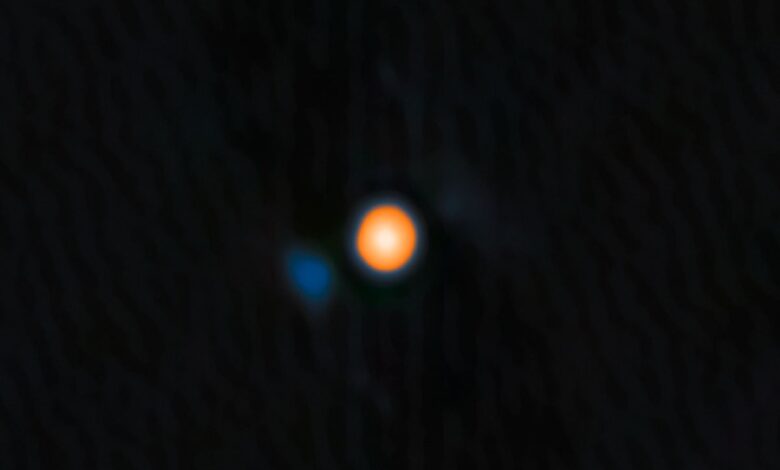
A century-old hypothesis that Betelgeuse, the 10th brightest star in our night sky, is orbited by a very close companion star was proved true by a team of astrophysicists led by a scientist at NASA’s Ames Research Center in California’s Silicon Valley. The research published in The Astrophysical Journal Letters in the paper “Probable Direct Imaging Discovery of the Stellar…
Read More » -
NASA
NASA Tests Mixed Reality Pilot Simulation in Vertical Motion Simulator
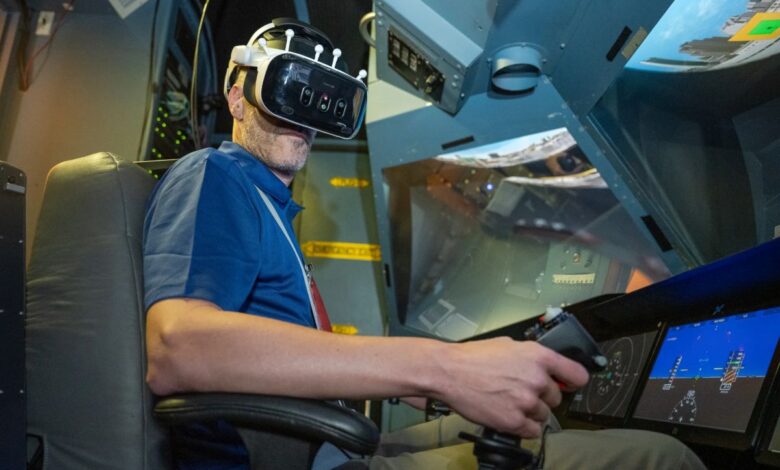
Commercial companies and government agencies are increasingly pursuing a more immersive and affordable alternative to conventional displays currently used in flight simulators. A NASA research project is working on ways to make this technology available for use faster. Mixed reality systems where users interact with physical simulators while wearing virtual reality headsets offer a promising path forward for pilot training.…
Read More » -
NASA
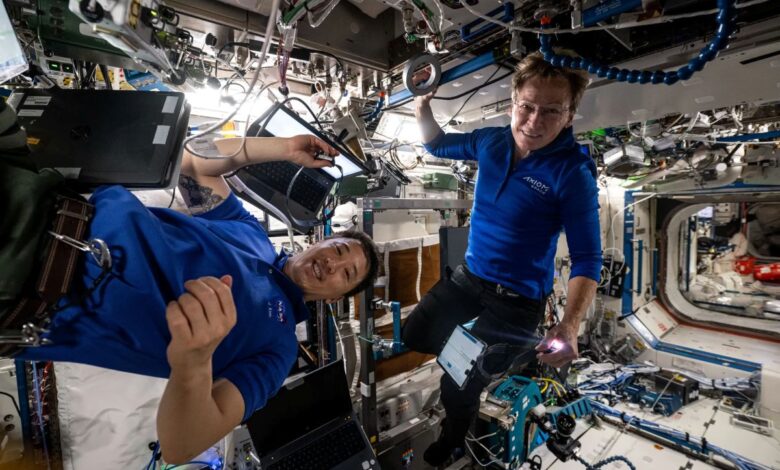
NASA Astronaut Jonny Kim, Axiom Mission 4 Commander Peggy Whitson Conduct Research in Space
In this photo from June 28, 2025, Expedition 73 flight engineer Jonny Kim and former NASA astronaut and director of human spaceflight at Axiom Space Peggy Whitson work together inside the International Space Station’s Destiny laboratory module setting up hardware for cancer research. The hardware is used to culture patient-derived cancer cells, model their growth in microgravity, and test a state-of-the-art fluorescence microscope. Results…
Read More »