
NASA
-
NASA
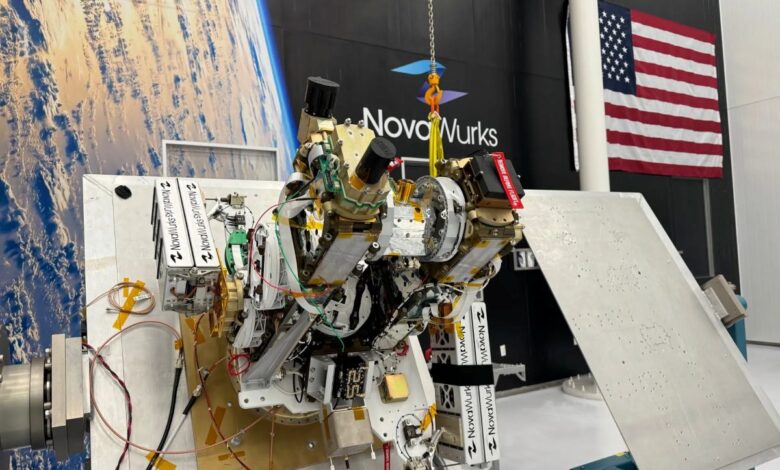
NASA Tests Scalable Satellite Tech to Launch Sensors Quicker
NASA’s Athena Economical Payload Integration Cost mission, or Athena EPIC, is a test launch for an innovative, scalable space vehicle design to support future missions. The small satellite platform is engineered to share resources among the payloads onboard by managing routine functions so the individual payloads don’t have to. This technology results in lower costs to taxpayers and a quicker…
Read More » -
NASA

Stay Cool: NASA Tests Innovative Technique for Super Cold Fuel Storage
In the vacuum of space, where temperatures can plunge to minus 455 degrees Fahrenheit, it might seem like keeping things cold would be easy. But the reality is more complex for preserving ultra-cold fluid propellants – or fuel – that can easily overheat from onboard systems, solar radiation, and spacecraft exhaust. The solution is a method called cryogenic fluid management, a…
Read More » -
NASA
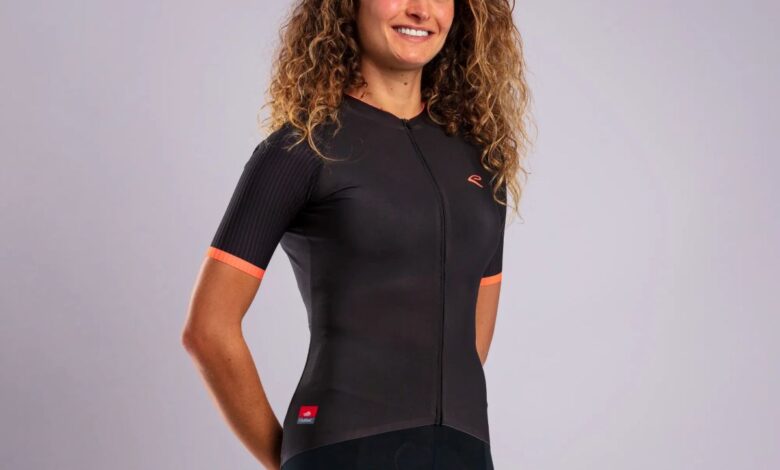
NASA-Derived Textiles are Touring France by Bike
During the Tour de France, athletes have to maintain a constant speed while bike riding for dozens of miles through cold rains and summer heat. These cyclists need gear that adapts to the different environments they encounter. One company is using a material with NASA origins to ensure these athletes stay comfortable while taking their grand tours. Phase-change materials use…
Read More » -
NASA
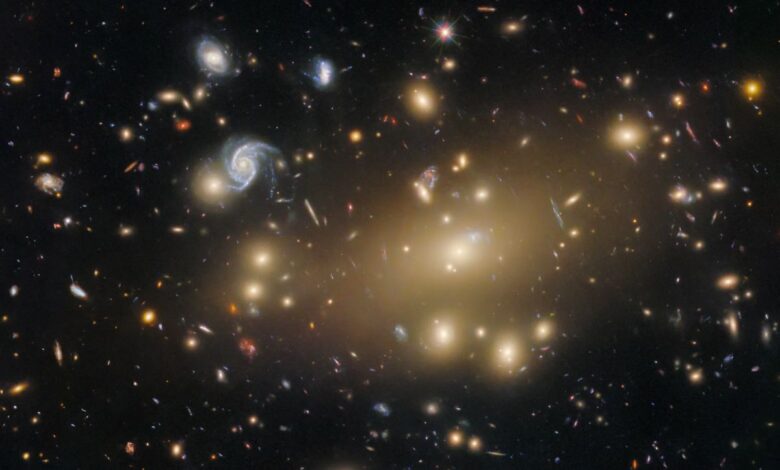
Hubble Snaps Galaxy Cluster’s Portrait
A massive, spacetime-warping cluster of galaxies is the setting of today’s NASA/ESA Hubble Space Telescope image. The galaxy cluster in question is Abell 209, located 2.8 billion light-years away in the constellation Cetus (the Whale). This Hubble image of Abell 209 shows more than a hundred galaxies, but there’s more to this cluster than even Hubble’s discerning eye can see. Abell 209’s…
Read More » -
NASA
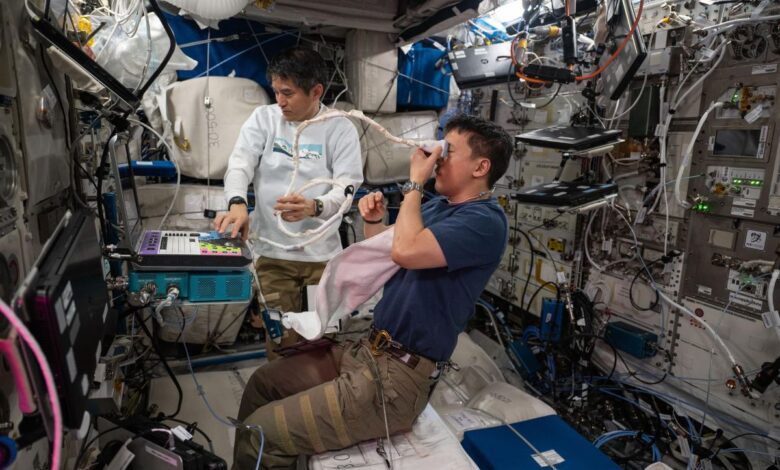
Vision Changes on Space Station
Science in Space July 2025 When astronauts began spending six months and more aboard the International Space Station, they started to notice changes in their vision. For example, many found that, as their mission progressed, they needed stronger reading glasses. Researchers studying this phenomenon identified swelling in the optic disc, which is where the optic nerve enters the retina, and…
Read More » -
NASA
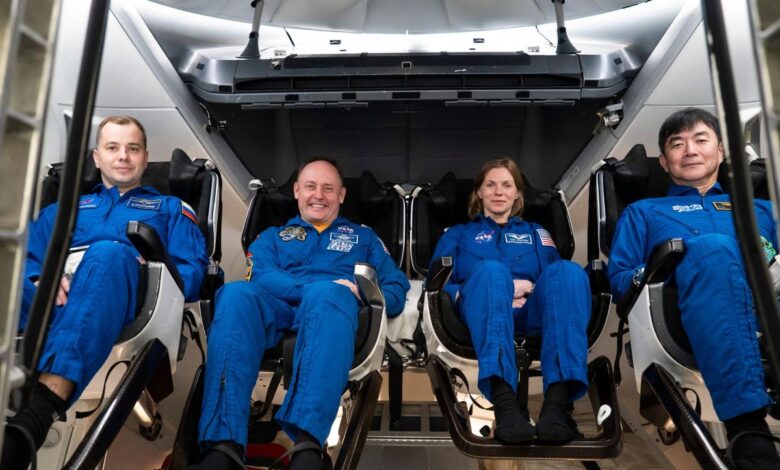
What You Need to Know About NASA’s SpaceX Crew-11 Mission
Four crew members are preparing to launch to the International Space Station as part of NASA’s SpaceX Crew-11 mission to perform research, technology demonstrations, and maintenance activities aboard the orbiting laboratory. During the mission, Crew-11 also will contribute to NASA’s Artemis campaign by simulating Moon landing scenarios that astronauts may encounter near the lunar South Pole, showing how the space…
Read More » -
Press Releases
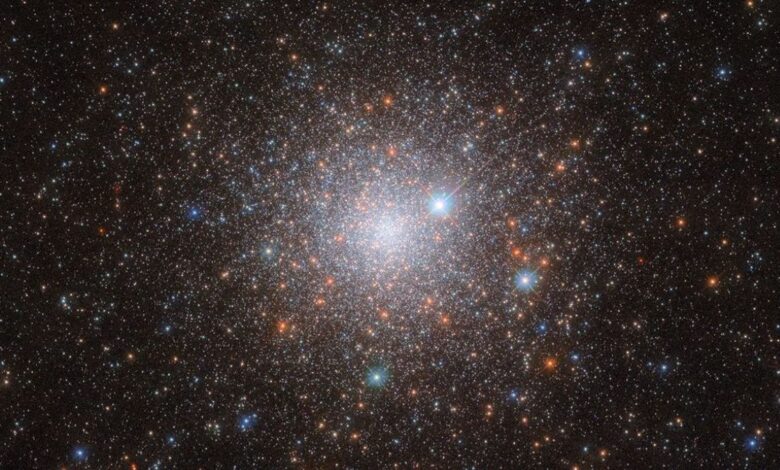
Hubble Digs Up Galactic Time Capsule
This NASA/ESA Hubble Space Telescope image features the field of stars that is NGC 1786. The globular cluster is located in the Large Magellanic Cloud (LMC), a small satellite galaxy of the Milky Way Galaxy that is approximately 160,000 light-years away from Earth. NGC 1786 itself is in the constellation Dorado. It was discovered in the year 1835 by Sir John Herschel. The data…
Read More » -
Press Releases

NASA, Oxford Discover Warmer Uranus Than Once Thought
For millennia, astronomers thought Uranus was no more than a distant star. It wasn’t until the late 18th century that Uranus was universally accepted as a planet. To this day, the ringed, blue world subverts scientists’ expectations, but new NASA research helps puzzle out some of the world’s mystique. This zoomed-in image of Uranus, captured by the Near-Infrared Camera on…
Read More » -
NASA
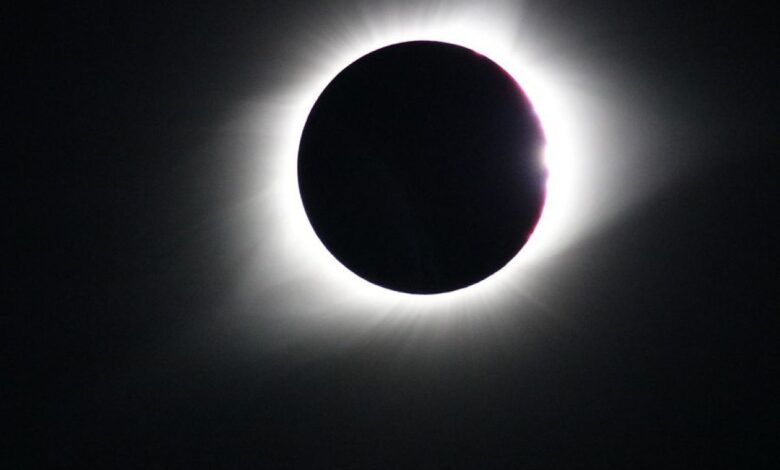
NASA to Launch SNIFS, Sun’s Next Trailblazing Spectator
July will see the launch of the groundbreaking Solar EruptioN Integral Field Spectrograph mission, or SNIFS. Delivered to space via a Black Brant IX sounding rocket, SNIFS will explore the energy and dynamics of the chromosphere, one of the most complex regions of the Sun’s atmosphere. The SNIFS mission’s launch window at the White Sands Missile Range in New Mexico…
Read More » -
NASA

NASA’s X-59 Quiet Supersonic Aircraft Begins Taxi Tests
NASA/Jacob Shaw NASA’s X-59 quiet supersonic research aircraft has officially begun taxi tests, marking the first time this one-of-a-kind experimental aircraft has moved under its own power. NASA test pilot Nils Larson and the X-59 team, made up of NASA and contractor Lockheed Martin personnel, completed the aircraft’s first low-speed taxi test at U.S. Air Force Plant 42 in Palmdale,…
Read More »