
NASA
-
NASA
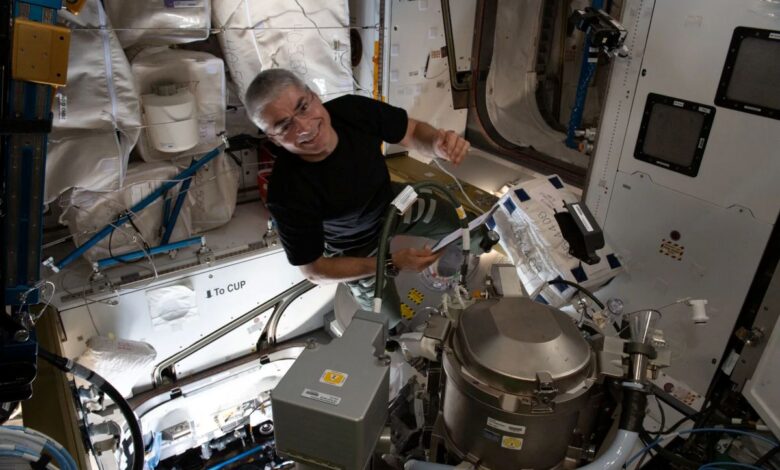
Risk of Urinary Retention
Exposure to the altered gravity in the spaceflight environment may cause physiological changes. One of these changes is the inability to completely empty the bladder or urinary retention. Causes of urinary retention in the early phases of flight include altered baseline physiology seen with exposure to microgravity, the anticholinergic side effects of medications that are taken to combat space motion…
Read More » -
NASA

NASA-ISRO Mission Will Map Farmland From Planting to Harvest
Data from the NISAR satellite will be used to map crop growth, track plant health, and monitor soil moisture — offering detailed, timely information for decision making. When it launches this year, the NISAR (NASA-ISRO Synthetic Aperture Radar) satellite will provide a powerful data stream that could help farmers in the U.S. and around the world. This new Earth mission…
Read More » -
NASA
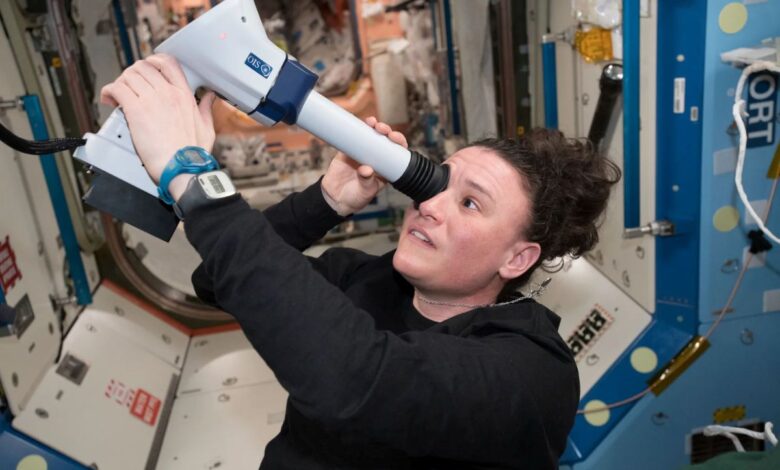
Risk of Spaceflight Associated Neuro-ocular Syndrome
Exposure to altered gravity can cause ocular and brain structural changes to develop during spaceflight; these changes could lead to vision alterations, cognitive effects, or other deleterious health effects. SANS is a syndrome unique to humans that fly in space, and there is no terrestrial disease equivalent. Brain structural changes appear small but seem to indicate that over half of…
Read More » -
NASA
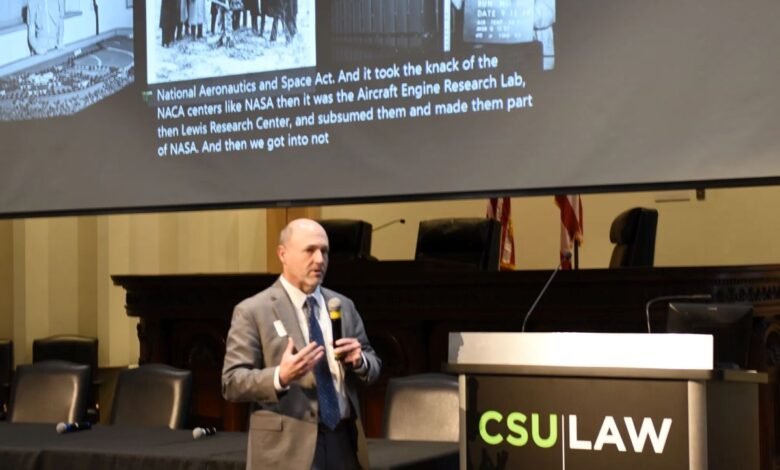
NASA Glenn Experts Join Law College to Talk Human Spaceflight
NASA Glenn Research Center’s Director Dr. Jimmy Kenyon and Chief Counsel Callista Puchmeyer participated in a local symposium that addressed the operational and legal challenges of human spaceflight. The one-day conference was held at the Cleveland State University (CSU) College of Law on Feb.13. Kenyon gave a keynote that provided an overview of NASA Glenn’s areas of expertise and how…
Read More » -
NASA

Risk of Renal Stone Formation
Exposure to microgravity induces bone atrophy/bone loss which increases circulating calcium, impacting the renal stone risk. Risk mitigation strategies including exercise and hydration are well-defined although the ability to treat a renal stone during exploration missions is not yet available. Directed Acyclic Graph Files + DAG File Information (HSRB Home Page) + Risk of Renal Stone Formation DAG and Narrative (PDF) + Risk of…
Read More » -
NASA
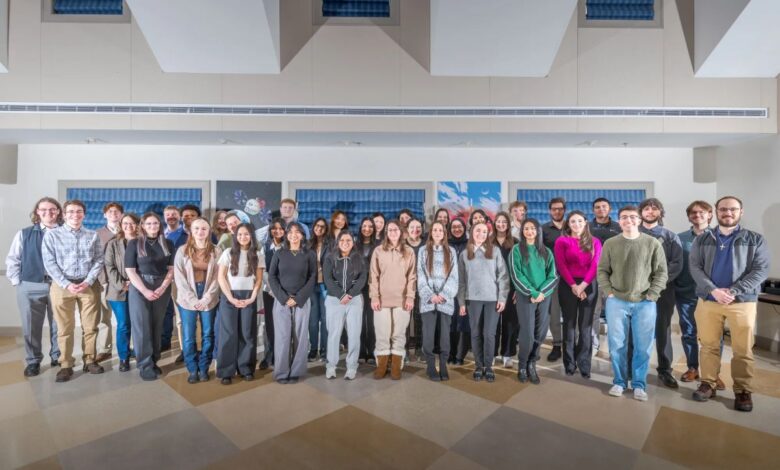
NASA Glenn Welcomes Spring 2025 Interns
NASA’s Glenn Research Center is hosting 45 spring interns at its Cleveland and Sandusky, Ohio, campuses through May 16. This group represents 43 universities across the country, spanning from Arizona to Ohio to Texas. Through NASA’s internship programs, students gain practical experience while working side-by-side with scientists, engineers, and individuals from many other professions. The interns are contributing to a broad range…
Read More » -
NASA

Risk of Reduced Physical Performance Capabilities Due to Reduced Muscle Size, Strength, and Endurance (Muscle Risk)
Exposure to the microgravity environment causes muscle size, strength, and endurance to decline. Based on ISS data, if crew adhere to the exercise schedule and have access to adequate exercise countermeasure systems then on average, they return with minimal losses of muscle size, strength, and endurance. New exploration countermeasures systems will be different from ISS and may not have the…
Read More » -
NASA

Risk of Toxic Substance Exposure
Safe, breathable air is essential for crew health. Human spaceflight has involved toxicological events ranging in severity from trivial to life-threatening. Toxic exposure to chemical contaminants can originate from environmental system leaks, payload leaks, pyrolysis of polymeric materials, off-gassing of polymeric materials, use of utility compounds, propellant entry, microbial products, and human metabolism. To ensure crew safety, these risks are…
Read More » -
NASA

NASA Releases its Spinoff 2025 Publication
The work NASA conducts in space leads to ongoing innovations benefiting people on Earth. Some of these latest technologies, which have been successfully transferred from NASA to the commercial sector, are featured in the latest edition of NASA’s Spinoff 2025 publication now available online. The publication features more than 40 commercial infusions of NASA technologies, including research originated at NASA’s Glenn Research…
Read More » -
NASA

Risk of Reduced Physical Performance Capabilities Due to Reduced Aerobic Capacity (Aerobic Risk)
Spaceflight causes measures of maximum aerobic capacity to decline, which can result in impaired mission task performance. Based on ISS data, if crew adhere to existing exercise schedules and have access to adequate exercise countermeasure systems, then on average, they return with minimal losses of aerobic fitness. New exploration countermeasures systems will be different from ISS and may not have…
Read More »