
NASA
-
NASA
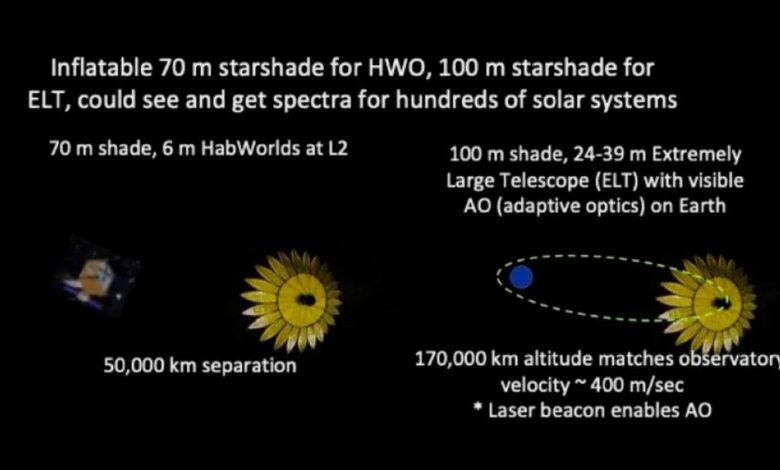
Inflatable Starshade for Earthlike Exoplanets
John MatherNASA Goddard Space Flight Center We will design the first family of ISEE’s (Inflatable Starshade for Earthlike Exoplanets) with sizes from 35 to 100 m diameter. A starshade would enable any telescope to observe exoplanets, a top priority for astronomy worldwide. Compared with other starshade concepts, we aim for a lower mass, cost and complexity, while still providing high…
Read More » -
NASA
Rocket Lab Selected by NASA to Provide Neutron Launch Services Under VADR Launch Contract
Rocket Lab USA, Inc. (Nasdaq: RKLB) (“Rocket Lab” or “the Company”), a global leader in launch services and space systems, today announced a mutual agreement with NASA has been reached to include Neutron launch services to the agency through Rocket Lab’s existing VADR (Venture-Class Acquisition of Dedicated and Rideshare) contract. Rocket Lab’s new medium-lift reusable rocket Neutron allows the opportunity…
Read More » -
NASA
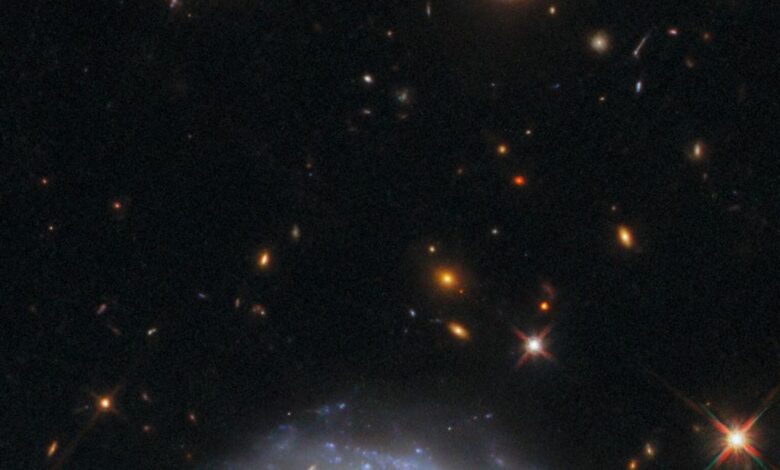
Hubble Rings In the New Year
This NASA/ESA Hubble Space Telescope image reveals a tiny patch of sky in the constellation Hydra. The stars and galaxies depicted here span a mind-bending range of distances. The objects in this image that are nearest to us are stars within our own Milky Way galaxy. You can easily spot these stars by their diffraction spikes, lines that radiate from bright light…
Read More » -
NASA
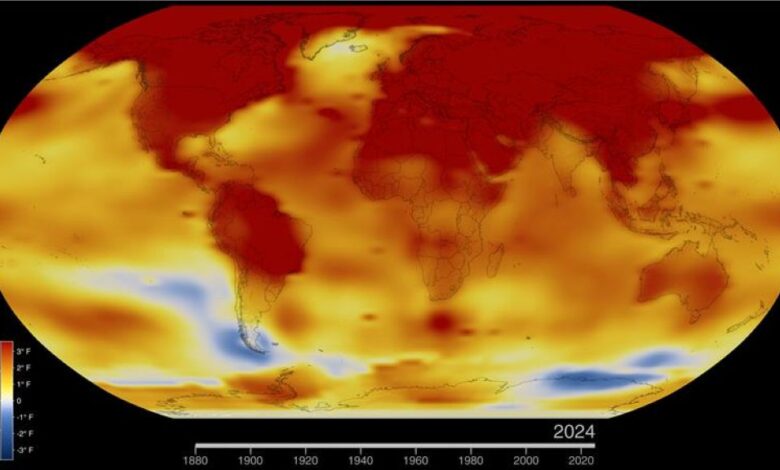
Temperatures Rising: NASA Confirms 2024 Warmest Year on Record
Earth’s average surface temperature in 2024 was the warmest on record, according to an analysis led by NASA scientists. Global temperatures in 2024 were 2.30 degrees Fahrenheit (1.28 degrees Celsius) above the agency’s 20th-century baseline (1951-1980), which tops the record set in 2023. The new record comes after 15 consecutive months (June 2023 through August 2024) of monthly temperature records…
Read More » -
NASA
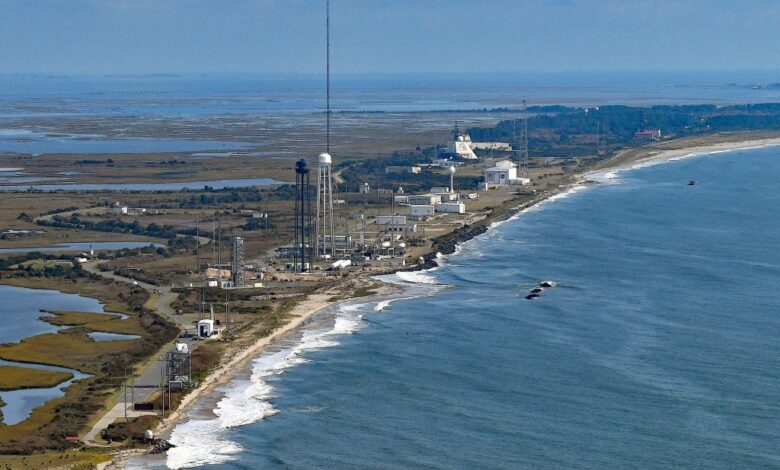
NASA Wallops to Support January Sounding Rocket Launch
A suborbital rocket is scheduled to launch from NASA’s Wallops Flight Facility in Virginia during a window extending from Monday, Jan. 13, through Thursday, Jan. 16. This launch supports the Missile Defense Agency, Naval Surface Warfare Center, Port Hueneme Division’s White Sands Detachment, and other Department of Defense organizations. No real-time launch status updates will be available. The launch will not…
Read More » -
NASA
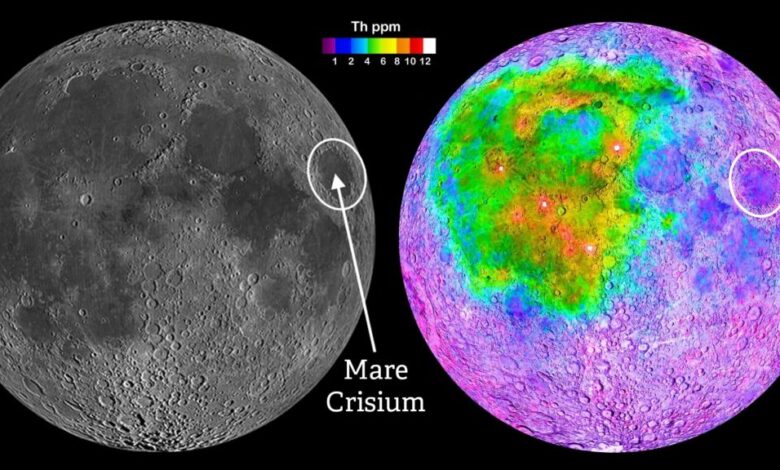
NASA Instrument on Firefly’s Blue Ghost Lander to Study Lunar Interior
LMS instrument aboard the Blue Ghost Lander heading to Mare Crisium in mid-January As part of its Artemis campaign, NASA is developing a series of increasingly complex lunar deliveries and missions to ultimately build a sustained human presence at the Moon for decades to come. Through the agency’s CLPS (Commercial Lunar Payload Services) initiative, commercial provider Firefly’s Blue Ghost lander will…
Read More » -
NASA
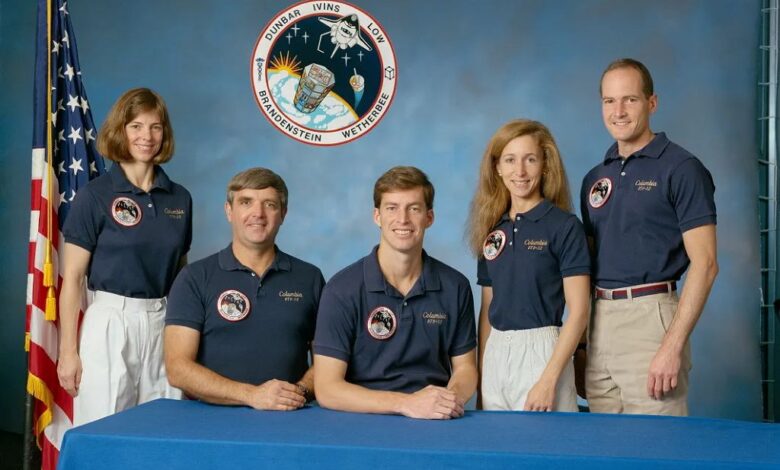
35 Years Ago: STS-32 Returns the Long Duration Exposure Facility
On Jan. 9, 1990, space shuttle Columbia took off on its ninth flight, STS-32, from NASA’s Kennedy Space Center (KSC) in Florida. Its five-person crew of Commander Daniel Brandenstein, Pilot James Wetherbee, and Mission Specialists Bonnie Dunbar, Marsha Ivins, and David Low flew a then record-breaking 11-day mission to deploy the Syncom IV-F5 communications satellite for the U.S. Navy and retrieve the Long-Duration Exposure Facility (LDEF).…
Read More » -
NASA

NASA’s Kennedy Marks New Chapter for Florida Space Industry
The future of research and technology at NASA’s Kennedy Space Center in Florida is expanding Wednesday, as Kennedy’s center director and charter members in the Florida University Space Research Consortium signed a memorandum of understanding in research and development to assist with missions and contribute to NASA’s Moon to Mars exploration approach. Officials from the consortium – designated in 2024…
Read More » -
NASA
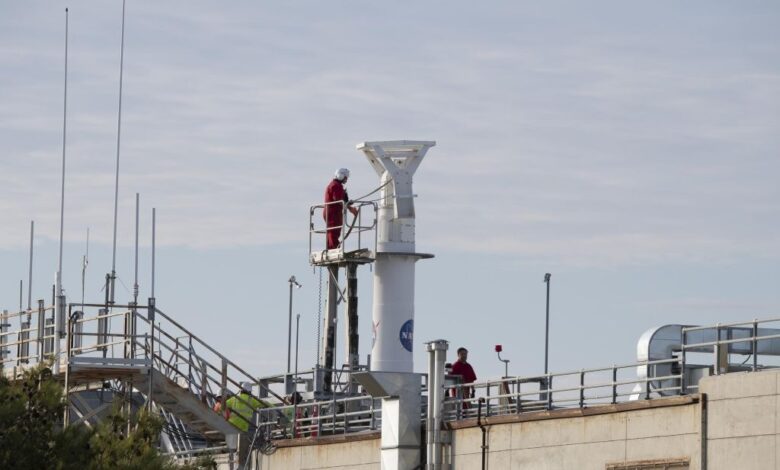
Helicopter Removes Artifact from NASA Armstrong Rooftop
What do the X-15 and the space shuttles have in common? Information from the rocket plane and the spacecraft, as well as many experimental aircraft, were tracked from a pedestal and telemetry dish during key eras in flight history at or near NASA’s Armstrong Flight Research Center in Edwards, California. When the NASA facility’s administration Building 4800 was built in the 1950s, the infrastructure…
Read More » -
NASA
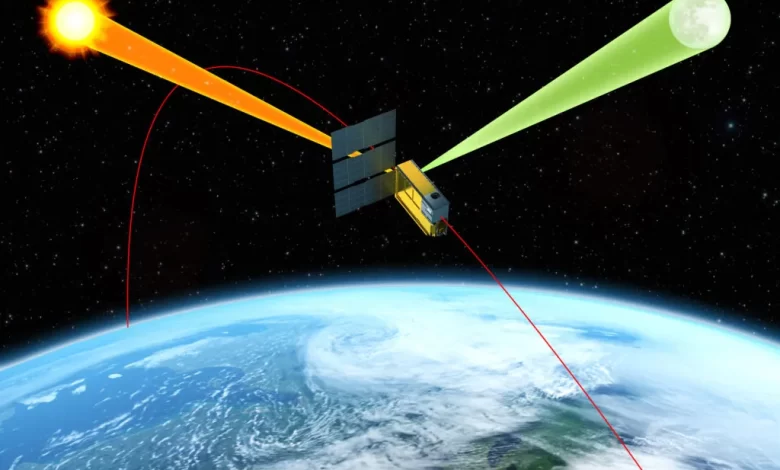
Achieving Instrument High Accuracy In-Orbit
One of the most challenging tasks in remote sensing from space is achieving required instrument calibration accuracy on-orbit. The Moon is considered to be an excellent exoatmospheric calibration source. However, the current accuracy of the Moon as an absolute reference is limited to 5 – 10%, and this level of accuracy is inadequate to meet the challenging objective of Earth…
Read More »