
NASA
-
NASA

NASA’s IXPE Details Shapes of Structures at Newly Discovered Black Hole
NASA’s IXPE (Imaging X-ray Polarimetry Explorer) has helped astronomers better understand the shapes of structures essential to a black hole – specifically, the disk of material swirling around it, and the shifting plasma region called the corona. The stellar-mass black hole, part of the binary system Swift J1727.8-1613, was discovered in the summer of 2023 during an unusual brightening event…
Read More » -
NASA
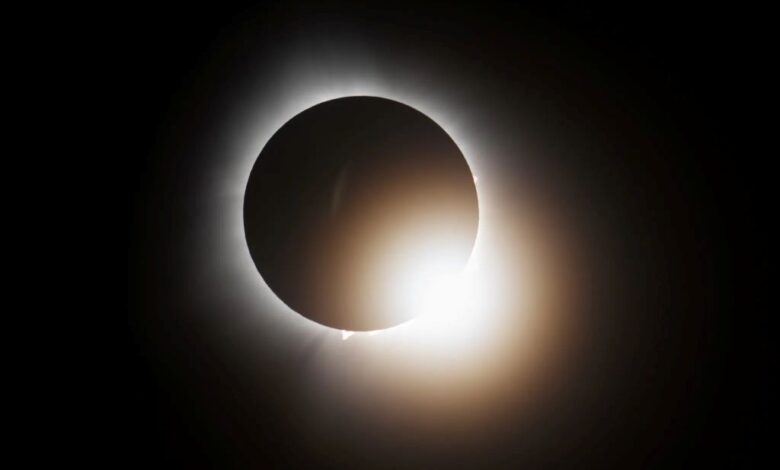
Annual Science Conference to Highlight NASA Research
NASA researchers will present findings on Earth science, planetary science, and heliophysics at the upcoming American Geophysical Union (AGU) 2024 annual meeting in Washington, DC, beginning on Monday, Dec. 9. New NASA science results will be presented regarding the 2024 solar eclipse, the future of rotorcraft on other planets, a new initiative to create the most comprehensive airborne mineral map in…
Read More » -
NASA
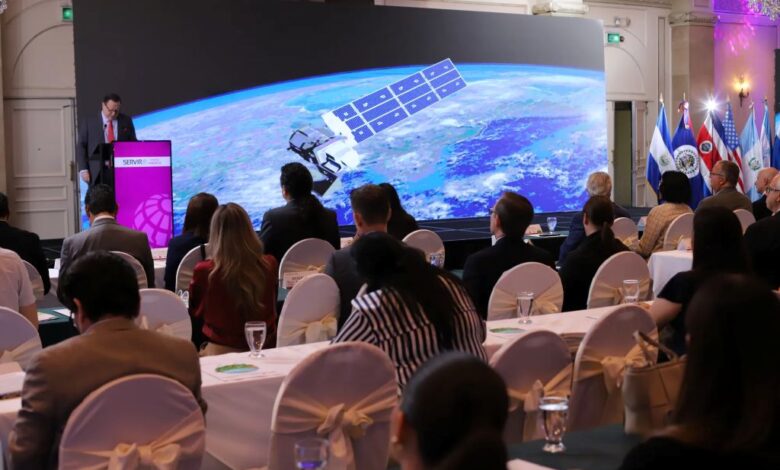
NASA, USAID Launch SERVIR Central American Hub
SERVIR, NASA’s flagship partnership with the U.S. Agency for International Development (USAID), launched a new regional center, or hub, in Central America on Dec. 3. The new hub is in partnership with the Tropical Agricultural Research and Higher Education Center in Turrialba, Costa Rica, and is supported by the USAID Central America and Mexico Regional Program. The launch event took…
Read More » -
NASA
NASA’s ASTRO CAMP – and its Impact – Continues to Grow in FY2024
When it comes to NASA’s ASTRO CAMP®, the numbers – and impact – of the initiative to help students across the nation and world learn about NASA and STEM (science, technology, engineering, and mathematics) just continue to grow and grow and grow. As in recent years, the NASA ASTRO CAMP® Community Partners (ACCP) program surpassed previous milestone marks in fiscal year 2024 by…
Read More » -
Press Releases
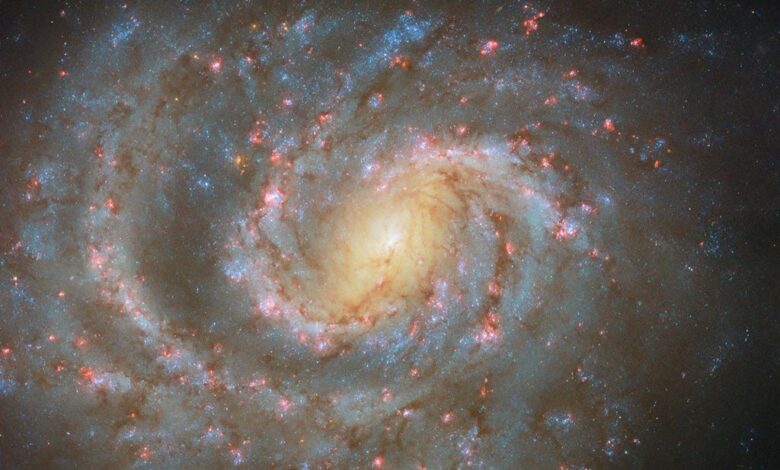
Hubble Spots a Spiral in the Celestial River
The subject of this NASA/ESA Hubble Space Telescope image is NGC 1637, a spiral galaxy located 38 million light-years from Earth in the constellation Eridanus, the River. This image comes from an observing program dedicated to studying star formation in nearby galaxies. Stars form in cold, dusty gas clouds that collapse under their own gravity. As young stars grow, they heat their…
Read More » -
NASA
NASA to Test Technology for X-59’s Unique Shock Wave Measurements
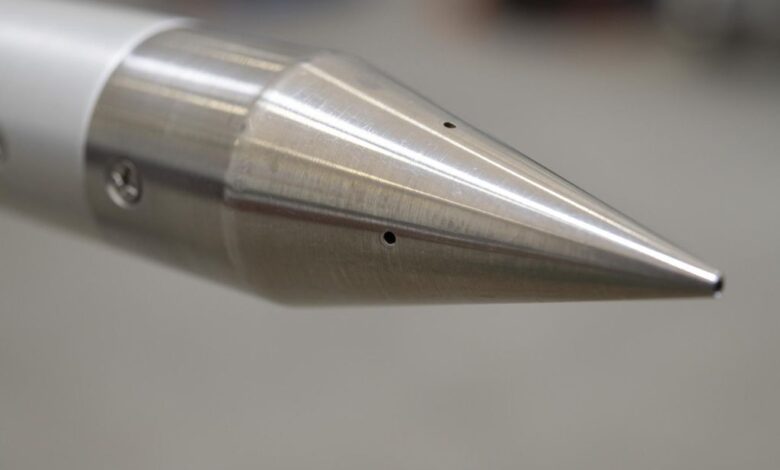
NASA will soon test advancements made on a key tool for measuring the unique “sonic thumps” that its quiet supersonic X-59 research aircraft will make while flying. A shock-sensing probe is a cone-shaped air data probe developed with specific features to capture the unique shock waves the X-59 will produce. Researchers at NASA’s Armstrong Flight Research Center in Edwards, California,…
Read More » -
NASA

NASA Invites Media to Administrator Flight in Electra Hybrid-Electric Aircraft
NASA Administrator Bill Nelson will fly in aircraft manufacturer Electra’s EL2 Goldfinch experimental prototype aircraft on Sunday, Dec. 8. Members of the media are invited to speak with Nelson and Electra leaders just prior to the flight at 11:45 a.m. EST at Manassas Regional Airport in Manassas, Virginia. Electra designed the experimental aircraft with the goals of reducing emissions and…
Read More » -
NASA
10 Years Ago: Orion Flies its First Mission
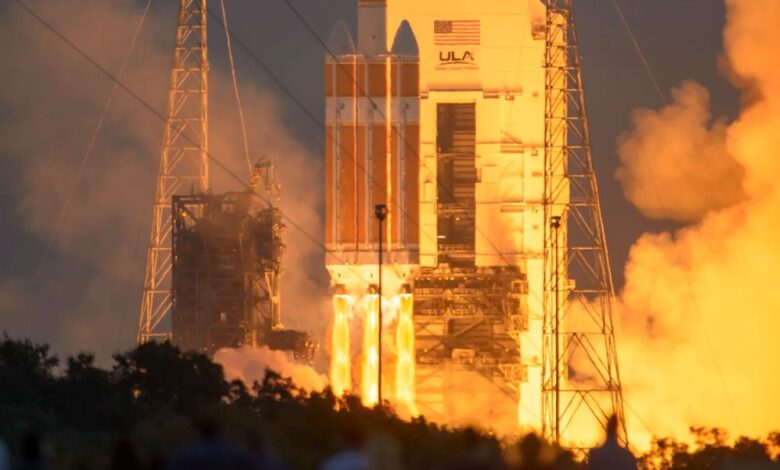
A new American human-rated spacecraft made its first foray into space on Dec. 5, 2014. Under contract to NASA, Lockheed Martin builds Orion as the vehicle to take American astronauts back to the Moon and eventually beyond. Orion’s overall shape harkens back to the Apollo Command and Service Modules, but using today’s technology is a larger and far more capable…
Read More » -
NASA
Space Station Trajectory Data
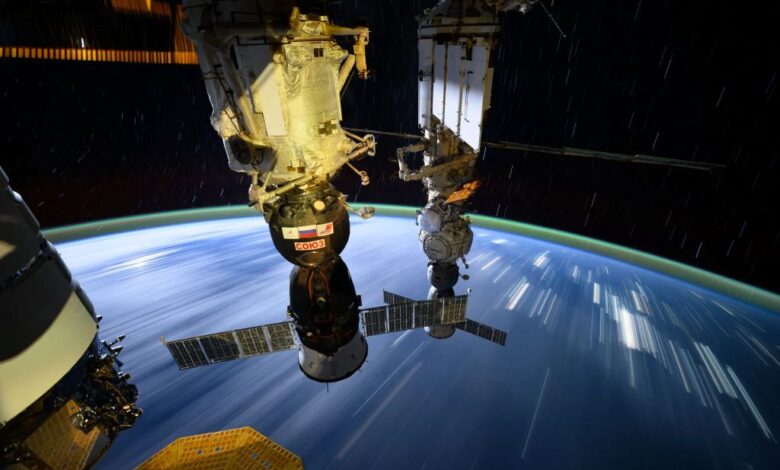
nternational Space Station trajectory data is now available to the public! This data, called an ephemeris, is generated by the ISS Trajectory Operations and Planning Officer (TOPO) flight controllers in the Mission Control Center at NASA’s Johnson Space Center. NASA is providing this information for use by the general public. iss071e650763 (Sept. 14, 2024) — The long exposure photograph taken…
Read More » -
NASA
How do I Spot The Station?
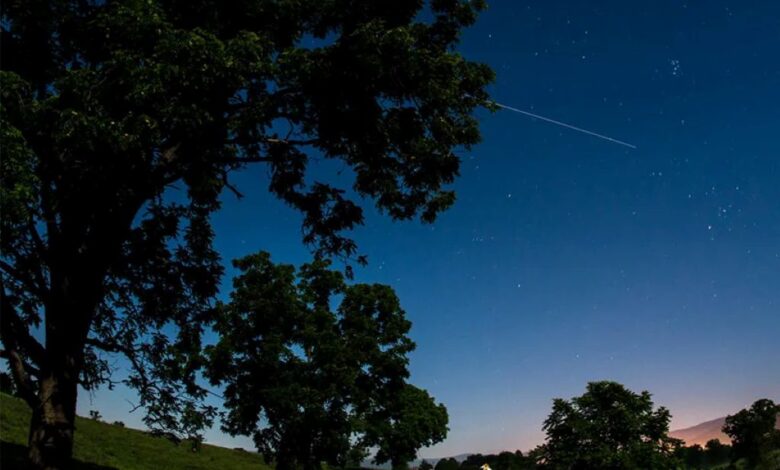
What does all this sighting information mean? SpotTheStation! Time: Wed Apr 25 7:45 PM, Visible: 4 min, Max Height: 66 degrees, Appears: WSW, Disappears NE.” Spot The station Download the App The International Space Station is seen in this 30 second exposure as it flies over Elkton, VA early in the morning, Saturday, August 1, 2015. NASA/Bill Ingalls Time is when the sighting opportunity…
Read More »