
NASA
-
NASA
Station Science Top News: Nov. 8, 2024
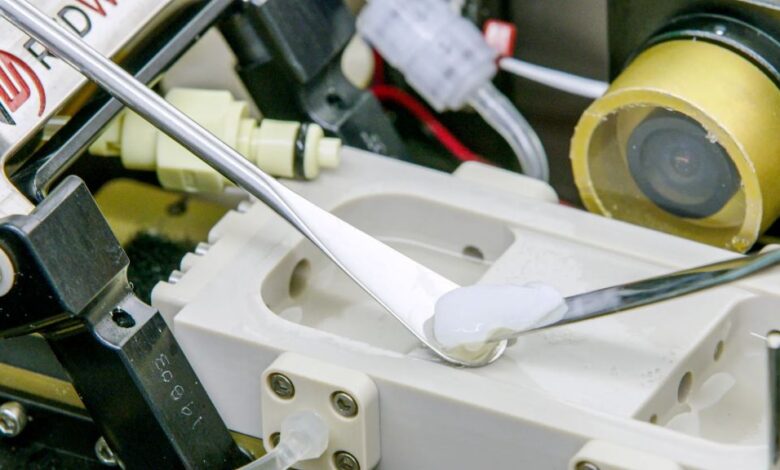
Researchers demonstrated the feasibility of 3D bioprinting a meniscus or knee cartilage tissue in microgravity. This successful result advances technology for bioprinting tissue to treat musculoskeletal injuries on long-term spaceflight or in extraterrestrial settings where resources and supply capacities are limited. BFF Meniscus-2 evaluated using the BioFabrication Facility to 3D print knee cartilage tissue using bioinks and cells. The meniscus is the first…
Read More » -
NASA
Commitment to Service Continues at Johnson for Military Retirees
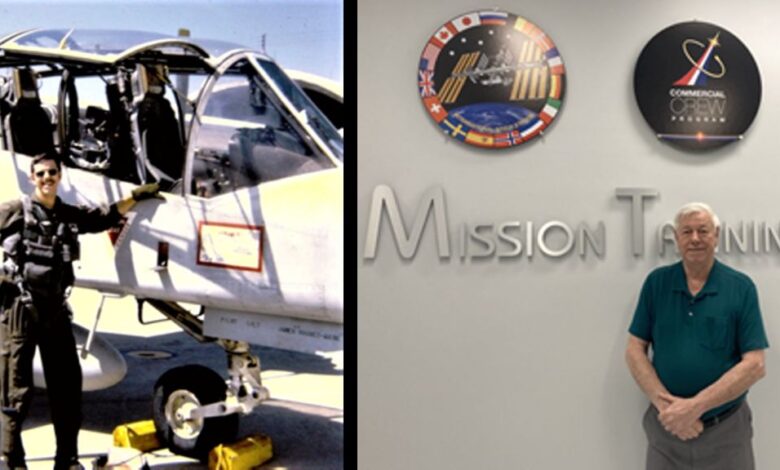
NASA and the military have shared strong connections since the agency’s early days. From the nation’s earliest aeronautic research and the recruitment of test pilot astronauts to modern-day technology development, satellite management, and planetary defense, NASA has built a longstanding partnership with the military. This legacy of collaboration has created natural opportunities for former service members to join NASA’s ranks…
Read More » -
NASA

Sols 4359-4361: The Perfect Road Trip Destination For Any Rover!
Earth planning date: Friday, Nov. 8, 2024 After the excitement of Wednesday’s plan, it was a relief to come in today to hear that the drive toward our exit from Gediz Vallis completed successfully and that we weren’t perched on any rocks or in any other precarious position. This made for a very smooth planning morning, which is always nice on…
Read More » -
NASA
Mining Old Data From NASA’s Voyager 2 Solves Several Uranus Mysteries
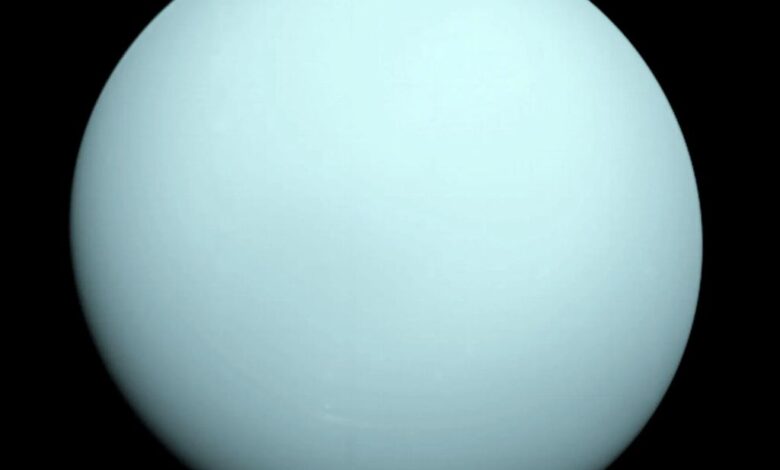
NASA’s Voyager 2 flyby of Uranus decades ago shaped scientists’ understanding of the planet but also introduced unexplained oddities. A recent data dive has offered answers. When NASA’s Voyager 2 spacecraft flew by Uranus in 1986, it provided scientists’ first — and, so far, only — close glimpse of this strange, sideways-rotating outer planet. Alongside the discovery of new moons…
Read More » -
NASA
Interview with OCEANOS Instructor María Fernanda Barbarena-Arias
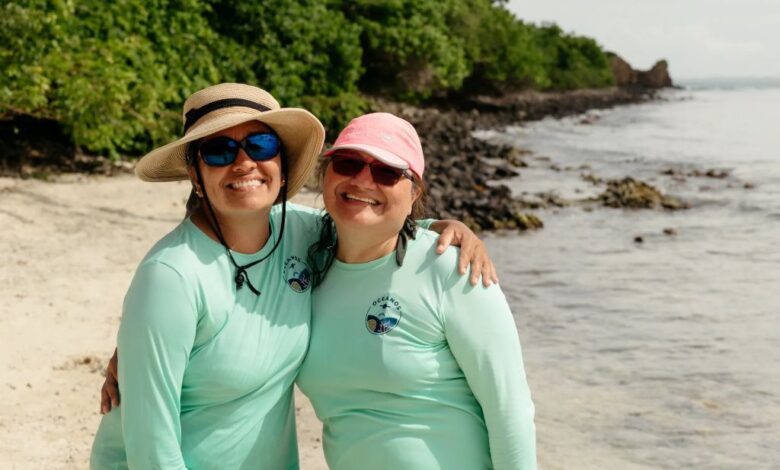
What is your name and your role with OCEANOS? My name is María Fernanda Barbarena-Arias. I am an associate professor of biology at the American University of Puerto Rico, Metropolitan Campus. I am also a co-PI in the OCEANOS project, and an instructor and mentor for the students during the internship. What is the importance of a program like OCEANOS,…
Read More » -
NASA
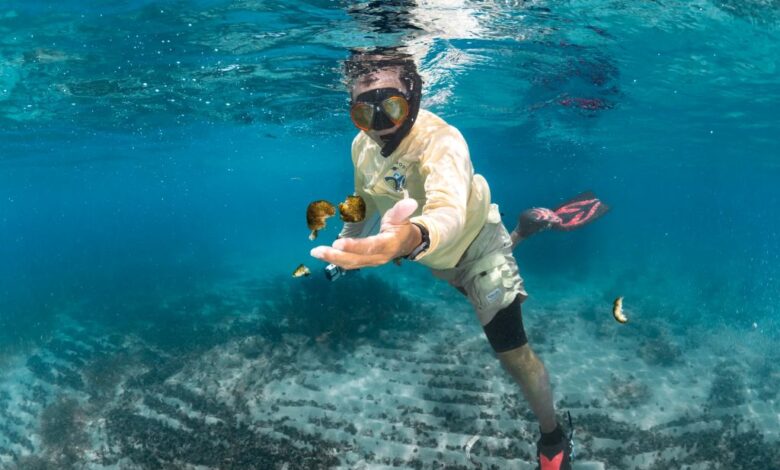
Interview with OCEANOS PI Juan Torres-Pérez
What is your name and your role with OCEANOS? My name is Juan Torres-Pérez. I am a research scientist at NASA Ames Research Center in the Earth Sciences division, biospheric sciences branch. I am the PI of OCEANOS, which stands for Ocean Community Engagement and Awareness with NASA Observations and Science for Hispanic/Latino students. What is the importance of a…
Read More » -
NASA
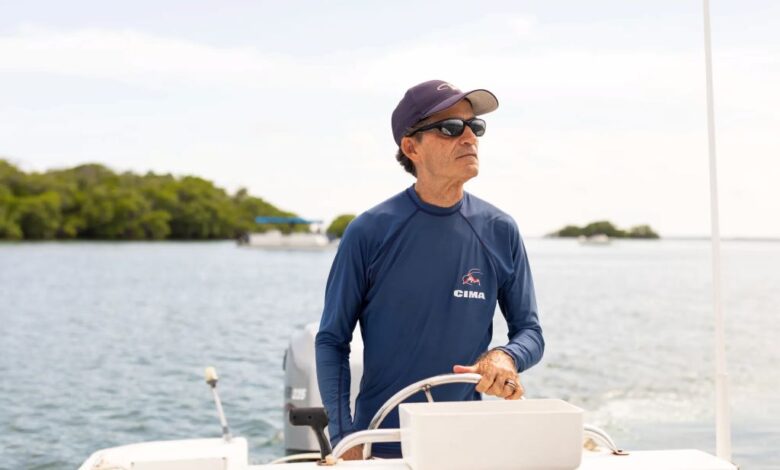
Interview with OCEANOS Instructor Roy Armstrong
What is your name and your role with OCEANOS? My name is Ray Armstrong and I am a professor in the Department of Marine Sciences of the University of Puerto Rico. I came to be involved in OCEANOS because my ex-student and good friend Juan Torres-Perez, who works at NASA Ames Research Center, came up with this idea of having…
Read More » -
NASA
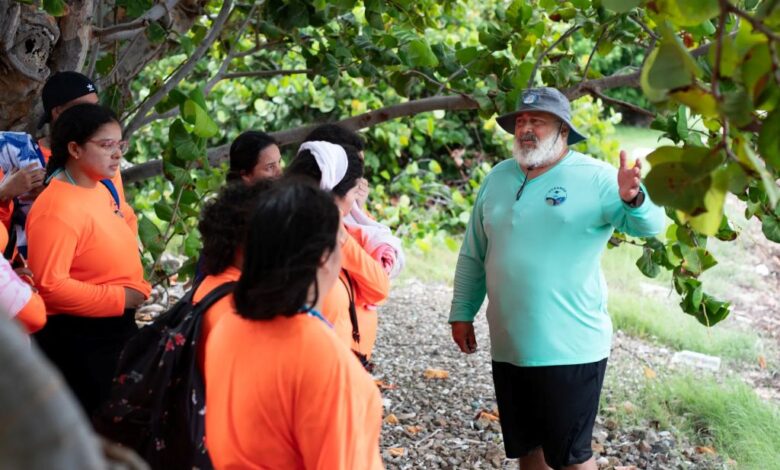
Interview with OCEANOS Instructor Samuel Suleiman
What is your name and your role with OCEANOS? My name is Samuel Suleiman and I am the Executive Director of Sociedad Ambiente Marino: an NGO in Puerto Rico that has been working for the last 25 years to conserve our coastline and our reefs. During the OCEANOS internship, I am one of the Co-PIs (a co-instructor) for the project,…
Read More » -
NASA

Sols 4357–4358: Turning West
Earth planning date: Wednesday, Nov. 6, 2024 Sols 4357–4358: Turning West If you’ve ever driven down a road that’s in need of repaving, you’ll know that it can be an uncomfortable experience. The same is true on Mars: even at our carefully slow driving speed, the rough, rocky terrain that we’ve found ourselves in since entering Gediz Vallis many months…
Read More » -
NASA
NASA Ames Astrogram – September/October 2024
TIME Recognizes the Advanced Composite Solar Sail System In October, the Advanced Composite Solar Sail System a project managed at NASA Ames, was recognized by TIME Magazine as a “Top Invention of 2024”! TIME Magazine also recognized two other NASA missions this year: Europa Clipper, and the Deep Space Optical Communications experiment. The Advanced Composite Solar Sail System is a demonstration of…
Read More »