
NASA
-
NASA
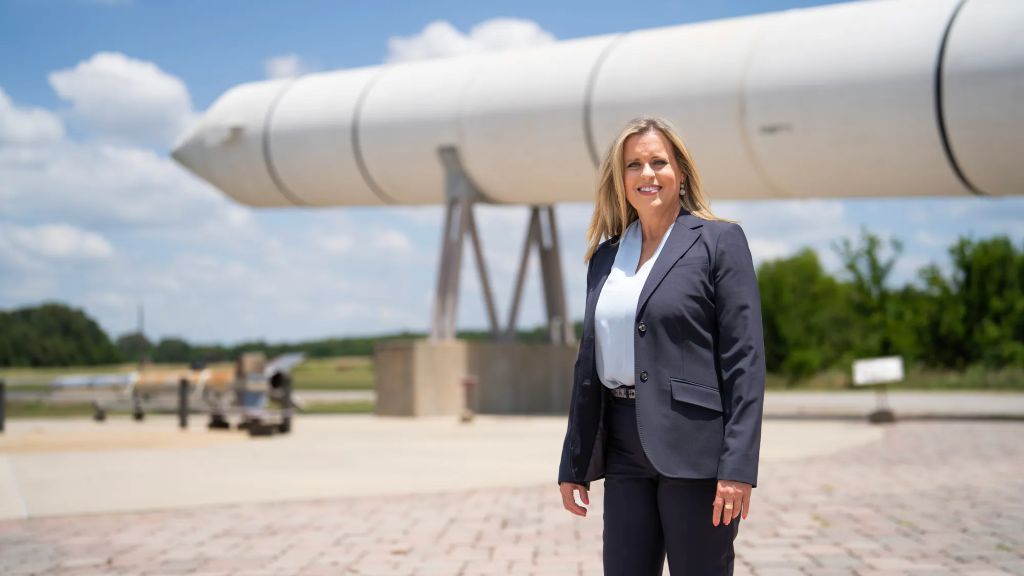
I Am Artemis: Julia Khodabandeh
Unlike most of her friends in the 80s who covered their walls with posters of bands, Julia Khodabandeh plastered hers with posters of rockets and fighter jets. Khodabandeh’s interest in aerospace and aeronautics developed at a young age. Her parents were avid fans of the Apollo Program and were heavily invested in her education. Khodabandeh’s father always encouraged her to…
Read More » -
NASA
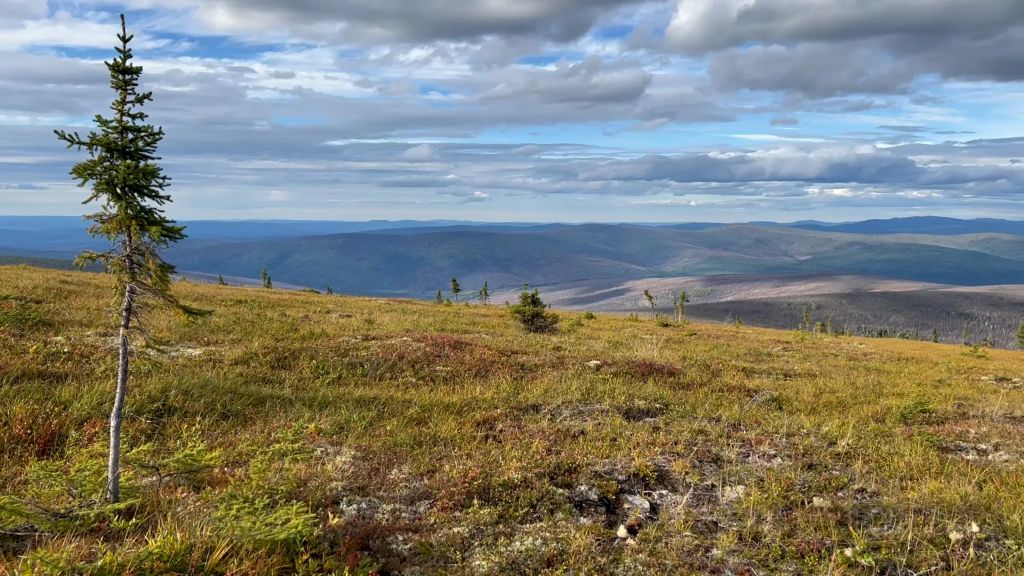
Tundra Vegetation to Grow Taller, Greener Through 2100, NASA Study Finds
Warming global climate is changing the vegetation structure of forests in the far north. It’s a trend that will continue at least through the end of this century, according to NASA researchers. The change in forest structure could absorb more of the greenhouse gas carbon dioxide (CO2) from the atmosphere, or increase permafrost thawing, resulting in the release of ancient…
Read More » -
NASA
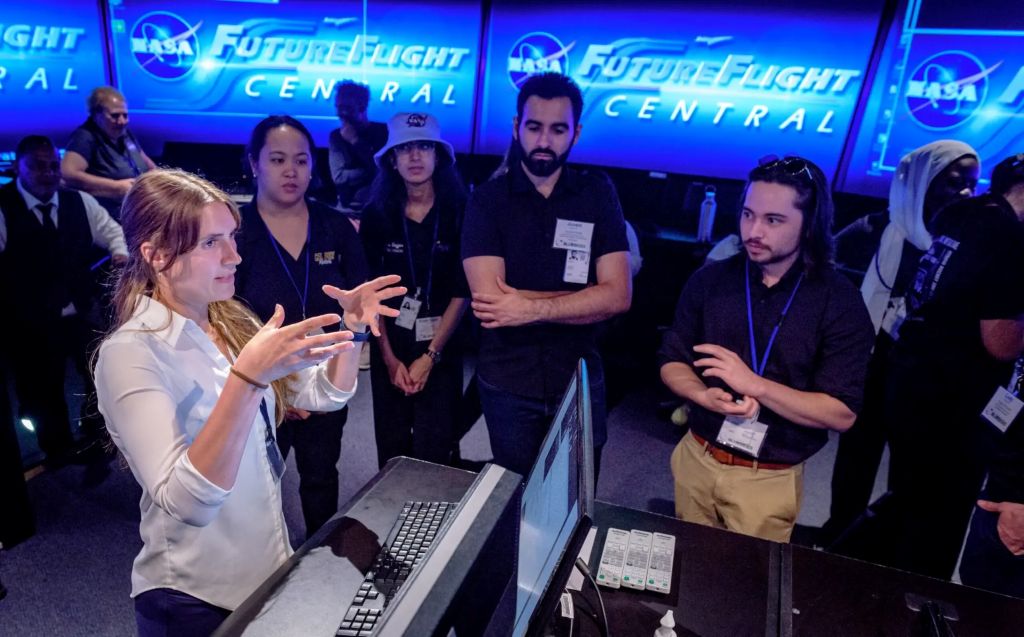
Collegiate Teams to Focus on Aviation Solutions for Agriculture in 2025 Gateways to Blue Skies Competition
In the 2025 Gateways to Blue Skies Competition, the theme is AgAir: Aviation Solutions for Agriculture. NASA asks collegiate teams to investigate either new or improved aviation capabilities that could assist the agriculture industry by improving production, efficiency, environmental impact and extreme weather/climate resilience. The agriculture industry plays a vital role in providing food, fuel, and fiber for the global…
Read More » -
NASA
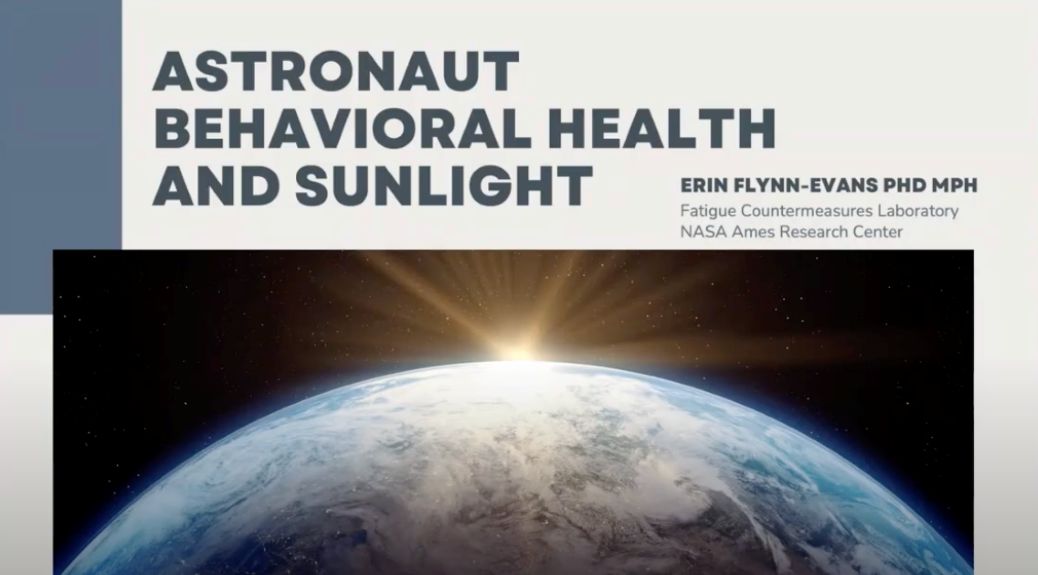
Celebrate Heliophysics Big Year: Free Monthly Webinars on the Sun Touches Everything
Once a month (usually on the first Tuesday), the Heliophysics Education Community meets online to share knowledge and opportunities. During the Heliophysics Big Year (HBY) – a global celebration of the Sun’s influence on Earth and the entire solar system, beginning with the Annular Solar Eclipse on October 14, 2023, continuing through the Total Solar Eclipse on April 8, 2024, and concluding…
Read More » -
NASA
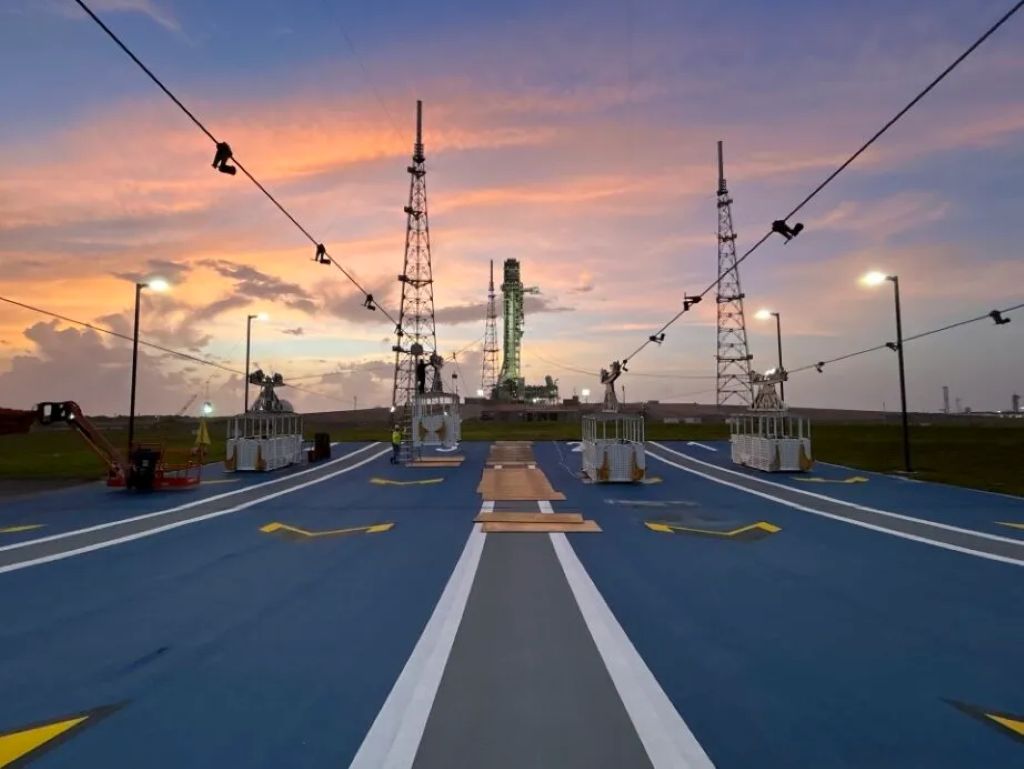
Artemis Emergency Egress System Emphasizes Crew Safety
Since NASA began sending astronauts to space, the agency has relied on emergency systems for personnel to safely leave the launch pad and escape the hazard in the unlikely event of an emergency during the launch countdown. During the Mercury and Gemini programs, NASA used launch escape systems on spacecraft for the crew to safely evacuate if needed. Though these systems are…
Read More » -
NASA
Bindu Rani Explores Black Holes, Mothers Hard, Balances Life
Bindu Rani had childhood dreams of flight. Today she lifts her gaze even higher, helping researchers study stars, planets beyond our solar system, and black holes billions of times more massive than our Sun. Name: Bindu RaniTitle: Astrophysicist, Neil Gehrels Swift Observatory Guest Investigator Program Lead ScientistOrganization: Astroparticle Physics Laboratory, Science Directorate (Code 661) Bindu Rani is an astrophysicist at…
Read More » -
NASA

Tech Today: Flipping NASA Tech and Sticking the Landing
NASA tech adds gecko grip to phone accessory Akeem Shannon showcasing Flipstik attached to a smartphone. The product’s design was improved by looking at NASA research to inform its gecko-inspired method of adhering to surfaces Credit: Flipstik Inc. When it comes to innovative technologies, inventors often find inspiration in the most unexpected places. A former salesman, Akeem Shannon, was inspired…
Read More » -
NASA
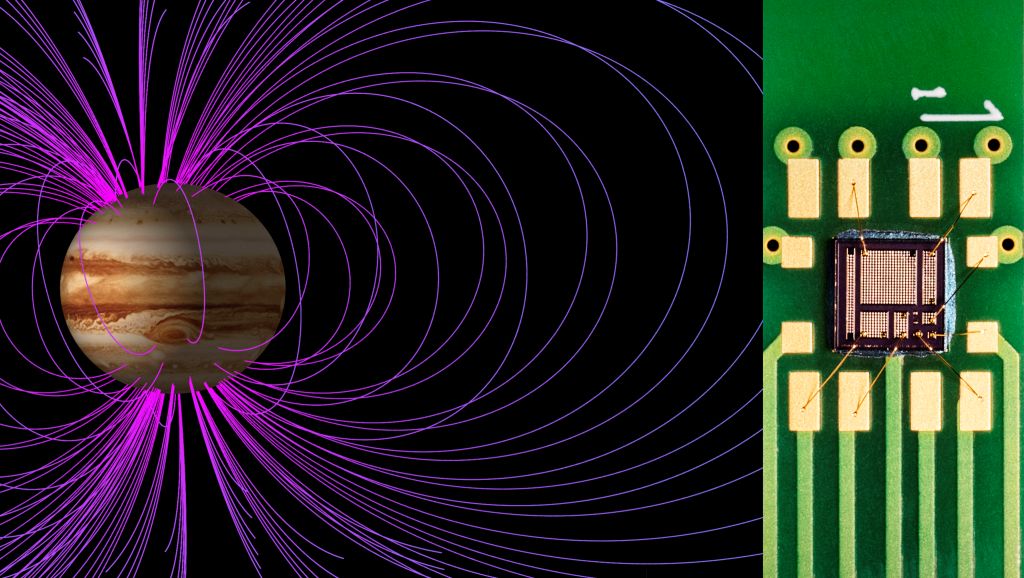
Quantum Scale Sensors used to Measure Planetary Scale Magnetic Fields
Magnetic fields are everywhere in our solar system. They originate from the Sun, planets, and moons, and are carried throughout interplanetary space by solar wind. This is precisely why magnetometers—devices used to measure magnetic fields—are flown on almost all missions in space to benefit the Earth, Planetary, and Heliophysics science communities, and ultimately enrich knowledge for all humankind. These instruments…
Read More » -
NASA
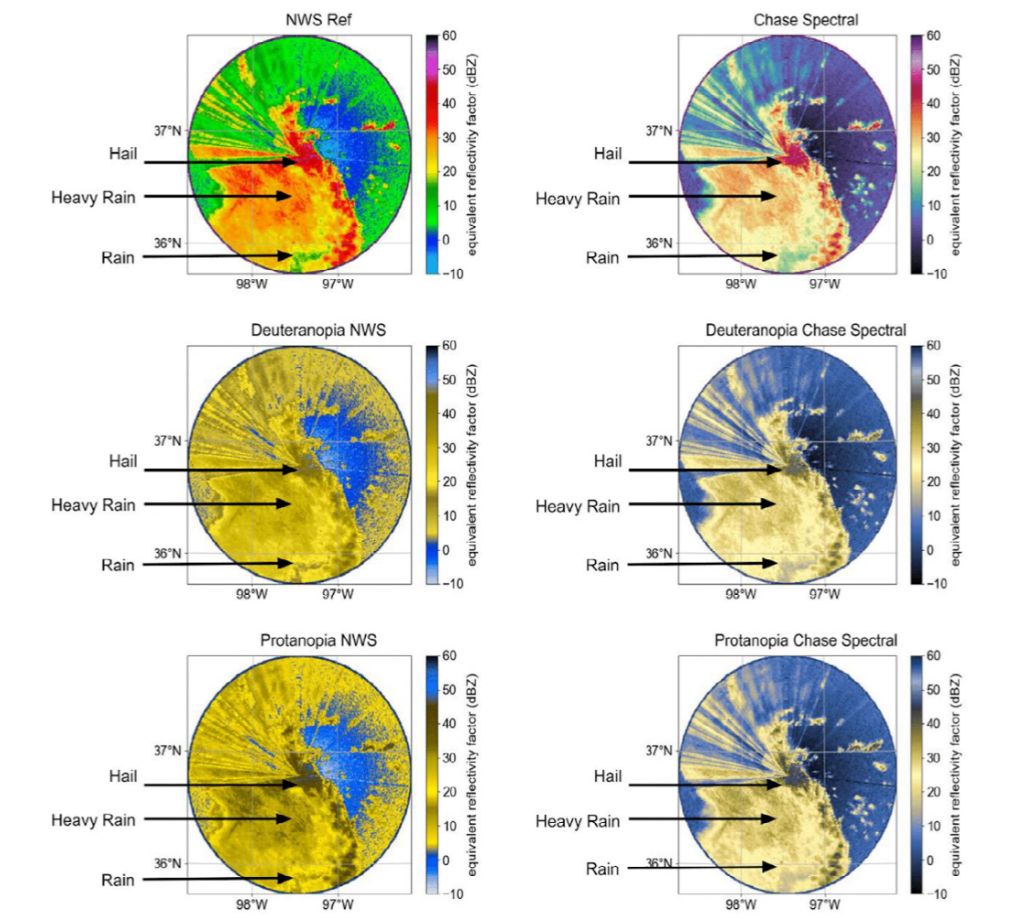
Paper on Creating Friendly Color Maps for Color Vision Deficiency Accepted for Publication
imothy Lang (ST11) is a co-author on an article titled “Effective Visualization of Radar Data for Users Impacted by Color Vision Deficiency”, which was recently accepted for publication in Bulletin of the American Meteorological Society. The article is led by Zachary Sherman of Argonne National Laboratory (ANL), and it is an outgrowth of a long-standing collaboration on open science between…
Read More » -
NASA
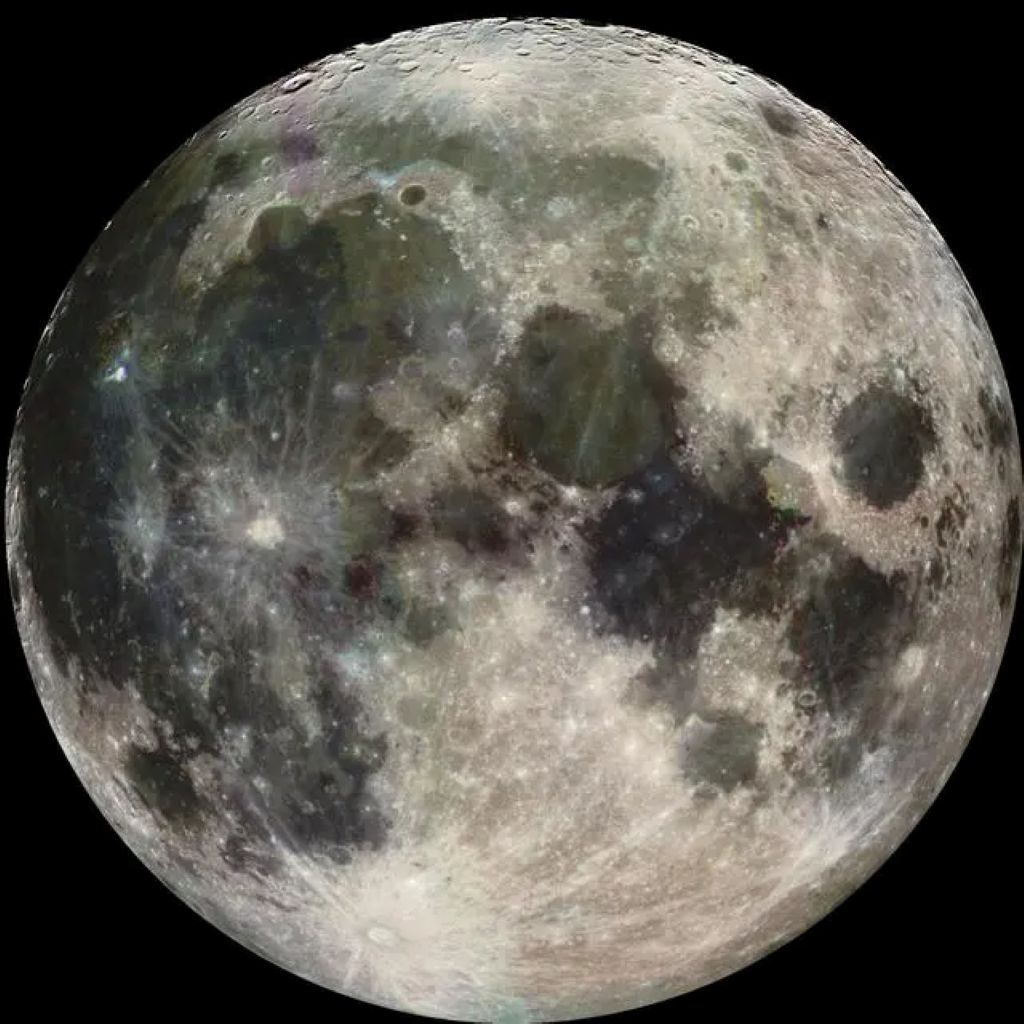
Lunar Vehicle Active Charge Control System (LVACCS) PICASSO Proposal Awarded
Linda Krause and Heidi Haviland (ST13) along with Jeff Apple, Miguel Rodriguez-Otero (ES11), Kurt Dietz (ES52), and Gary Thornton (ES21) contributed to the Planetary Instrument Concepts for the Advancement of Solar System Observations (PICASSO) proposal LVACCS that was selected for funding. Omar Leon (University of Michigan) is the instrument suite PI. Electric charge accumulates on the lunar rovers and landers…
Read More »