
NISAR Satellite
-
NASA
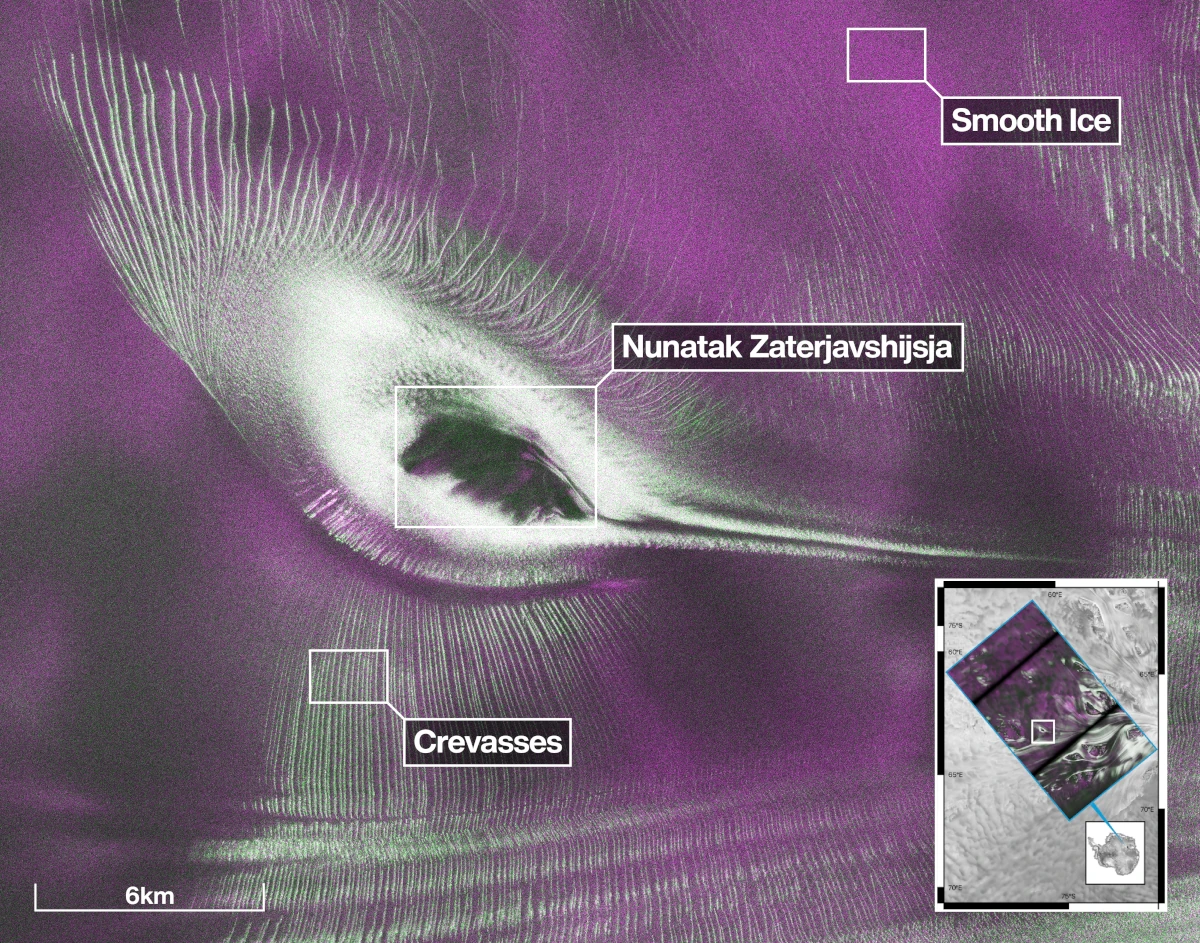
US-India Satellite Delivers Data, Reveals ‘Hummingbird’ in Antarctica
As of July 20, the public can access data from the two powerful radar instruments aboard the NISAR (NASA-ISRO Synthetic Aperture Radar) satellite. Teams in the United States and India will release files processed from the satellite’s L-band and S-band radars on an ongoing basis, helping researchers and other users track the movement of Earth’s land and ice masses, monitor…
Read More » -
NASA
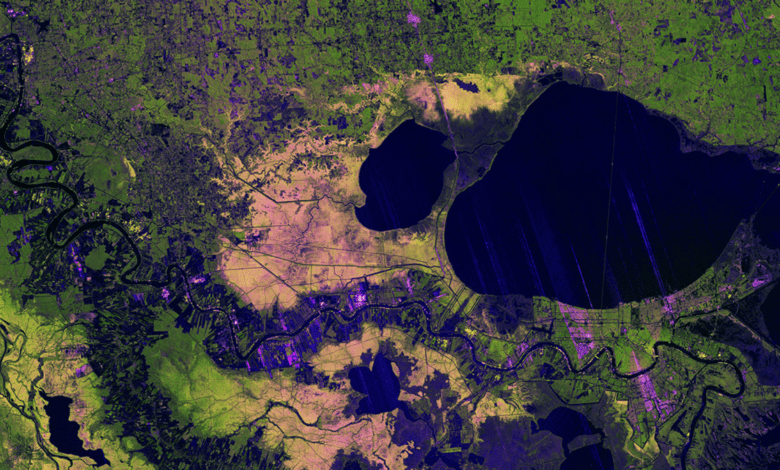
U.S.-India NISAR Satellite Images Mississippi River Delta Region
Description The NISAR (NASA-ISRO Synthetic Aperture Radar) Earth-observing satellite’s L-band synthetic aperture radar (SAR) instrument captured this image of the Mississippi River Delta region in southeastern Louisiana on Nov. 29, 2025. The colors in the image represent varying types of cover, which tend to reflect microwaves from the radar differently. Portions of New Orleans appear green, a sign that the…
Read More » -
NASA

Powerful New US-Indian Satellite Will Track Earth’s Changing Surface
Data from NISAR will improve our understanding of such phenomena as earthquakes, volcanoes, and landslides, as well as damage to infrastructure. We don’t always notice it, but much of Earth’s surface is in constant motion. Scientists have used satellites and ground-based instruments to track land movement associated with volcanoes, earthquakes, landslides, and other phenomena. But a new satellite from NASA…
Read More » -
NASA
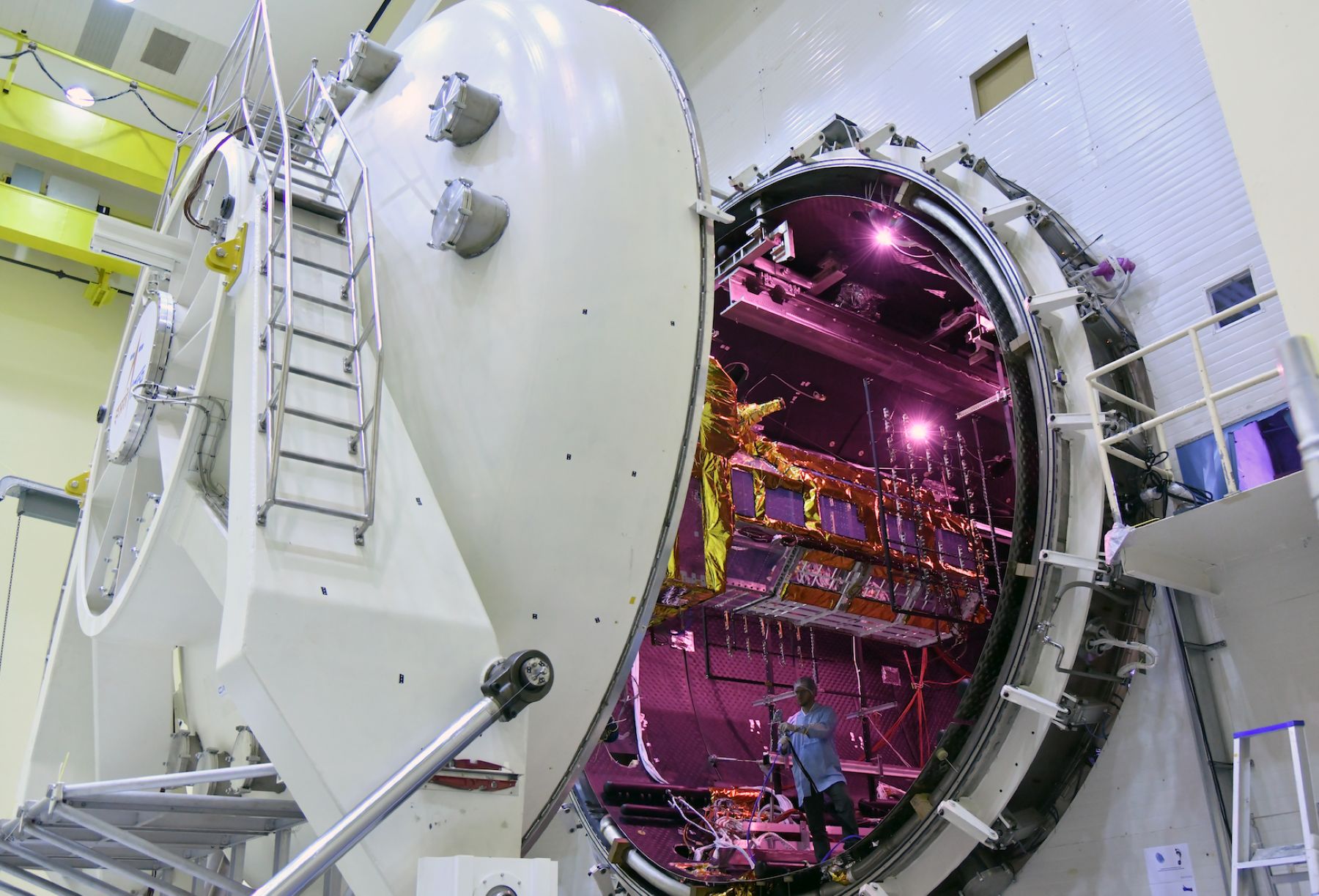
Trailblazing New Earth Satellite Put to Test in Preparation for Launch
During three weeks in a thermal vacuum chamber in Bengaluru, India, the joint NASA-ISRO satellite demonstrated its hardiness in a harsh, space-like environment. NISAR, the trailblazing Earth-observing radar satellite being developed by the United States and Indian space agencies, passed a major milestone on Nov. 13, emerging from a 21-day test aimed at evaluating its ability to function in the…
Read More »