
Ozone
-
NASA
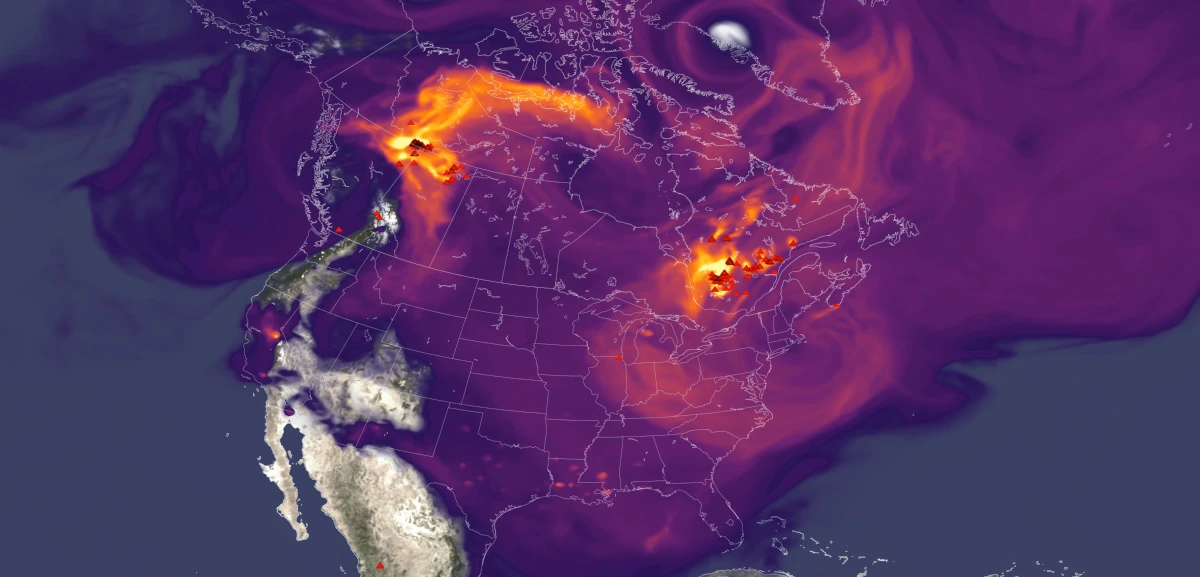
NASA-Funded Study Shows Wildfire Smoke’s Hidden Ozone Toll
Wildfire smoke is stoking a new challenge for cleaner air. A NASA-supported study published Thursday found that, over the last decade, wildfires have worsened ground-level ozone pollution across much of the contiguous United States, creating unhealthy air far from active flames. Wildfires have become an increasingly important contributor to ground-level ozone, or smog, across much of the United States, researchers…
Read More » -
NASA

NASA, NOAA Rank 2025 Ozone Hole as 5th Smallest Since 1992
While continental in scale, the ozone hole over the Antarctic was small in 2025 compared to previous years and remains on track to recover later this century, NASA and the National Oceanic and Atmospheric Administration (NOAA) reported. The hole this year was the fifth smallest since 1992, the year a landmark international agreement to phase out ozone-depleting chemicals began to…
Read More » -
NASA

Live or Fly a Plane in California? Help NASA Measure Ozone Pollution!
Ozone high in the stratosphere protects us from the Sun’s ultraviolet light. But ozone near the ground is a pollutant that harms people and plants. The San Joaquin Valley has some of the most polluted air in the country, and NASA scientists with the new Ozone Where We Live (OWWL) project are working to measure ozone and other pollutants there. They need…
Read More » -
NASA
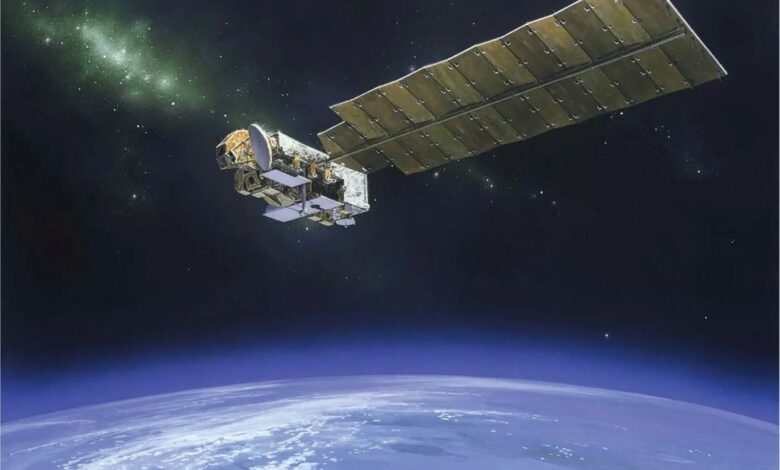
Aura at 20 Years
Introduction In the 1990s and early 2000s, an international team of engineers and scientists designed an integrated observatory for atmospheric composition – a bold endeavor to provide unprecedented detail that was essential to understanding how Earth’s ozone (O3) layer and air quality respond to changes in atmospheric composition caused by human activities and natural phenomena. This work addressed a key…
Read More » -
NASA
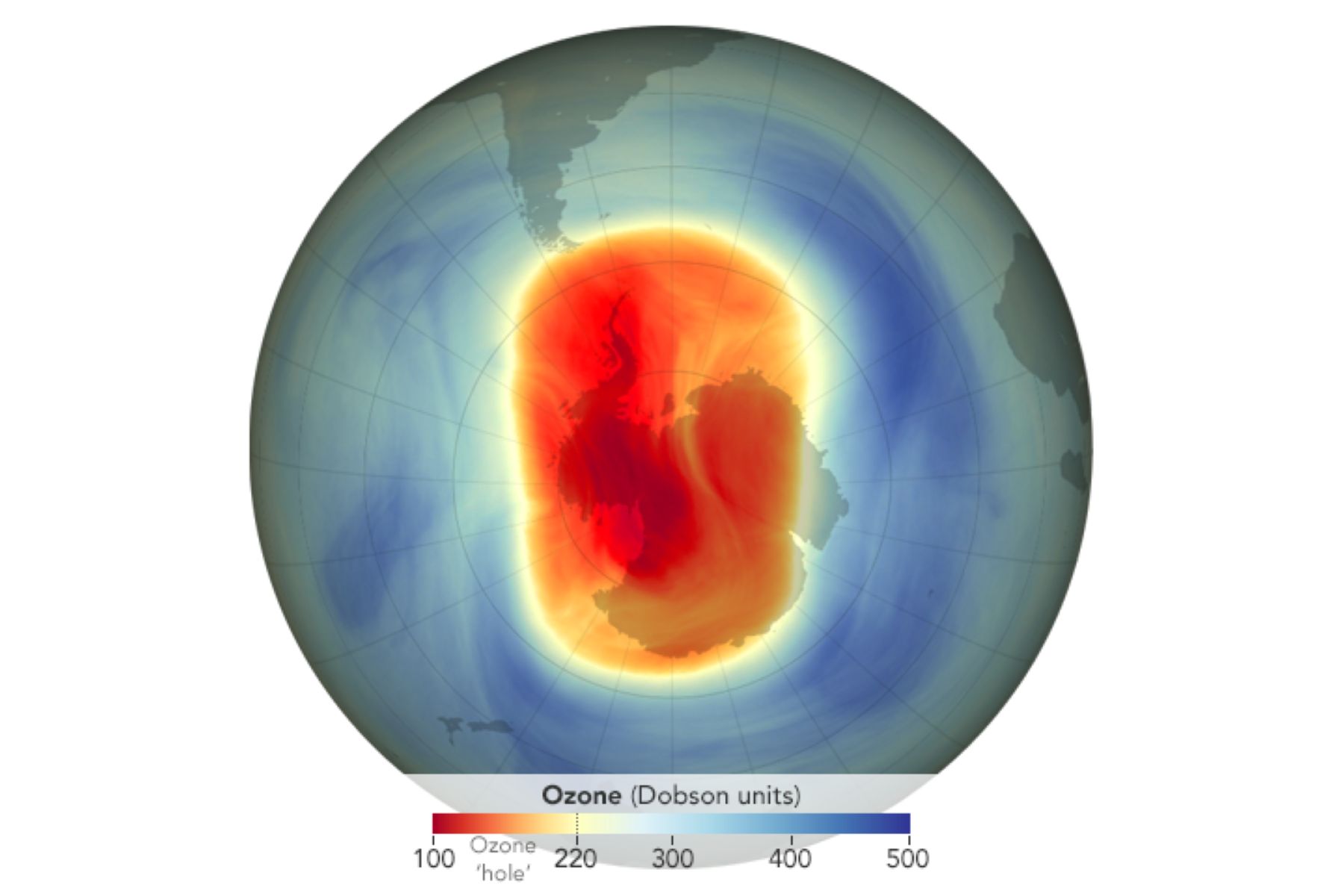
2023 Ozone Hole Ranks 16th Largest, NASA and NOAA Researchers Find
The 2023 Antarctic ozone hole reached its maximum size on Sept. 21, according to annual satellite and balloon-based measurements made by NASA and NOAA. At 10 million square miles, or 26 million square kilometers, the hole ranked as the 12th largest single-day ozone hole since 1979. During the peak of the ozone depletion season from Sept. 7 to Oct. 13,…
Read More »