
Power and Propulsion Element
-
NASA
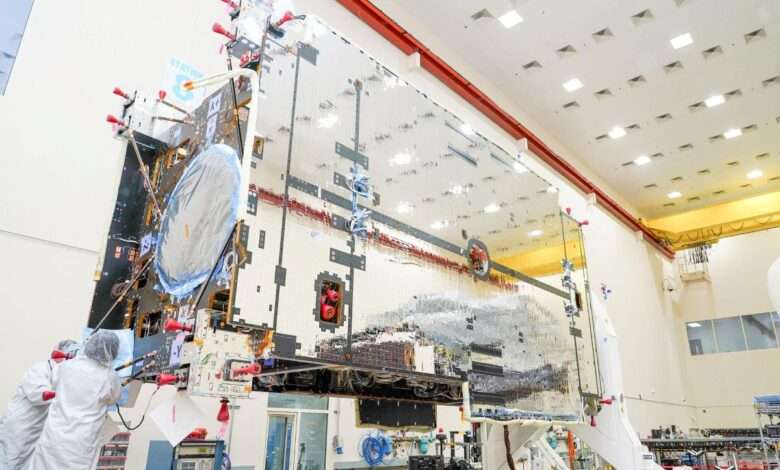
NASA Starts Up Gateway’s Power System for First Time
Development continues on NASA’s Power and Propulsion Element, a solar electric propulsion spacecraft designed to provide power for Gateway in lunar orbit. Able to generate 60 kilowatts of power, the element was successfully powered on earlier last year. The milestone demonstrates the element can provide the spacecraft with power, high-rate communications, attitude control, as well as the ability to maintain and maneuver…
Read More » -
NASA
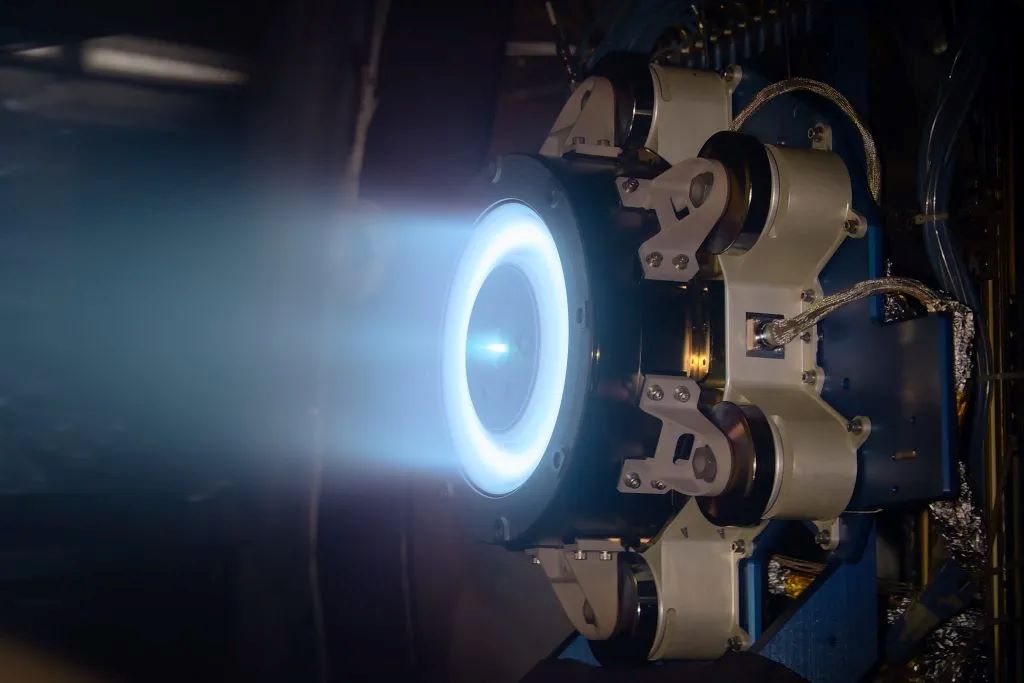
Gateway’s Propulsion System Testing Throttles Up
The powerhouse of Gateway, NASA’s orbiting outpost around the Moon and a critical piece of infrastructure for Artemis, is in the midst of several electric propulsion system tests. The Power and Propulsion Element (PPE), being manufactured by Maxar Technologies, provides Gateway with power, high-rate communications, and propulsion for maneuvers around the Moon and to transit between different orbits. The PPE will be combined…
Read More » -
NASA
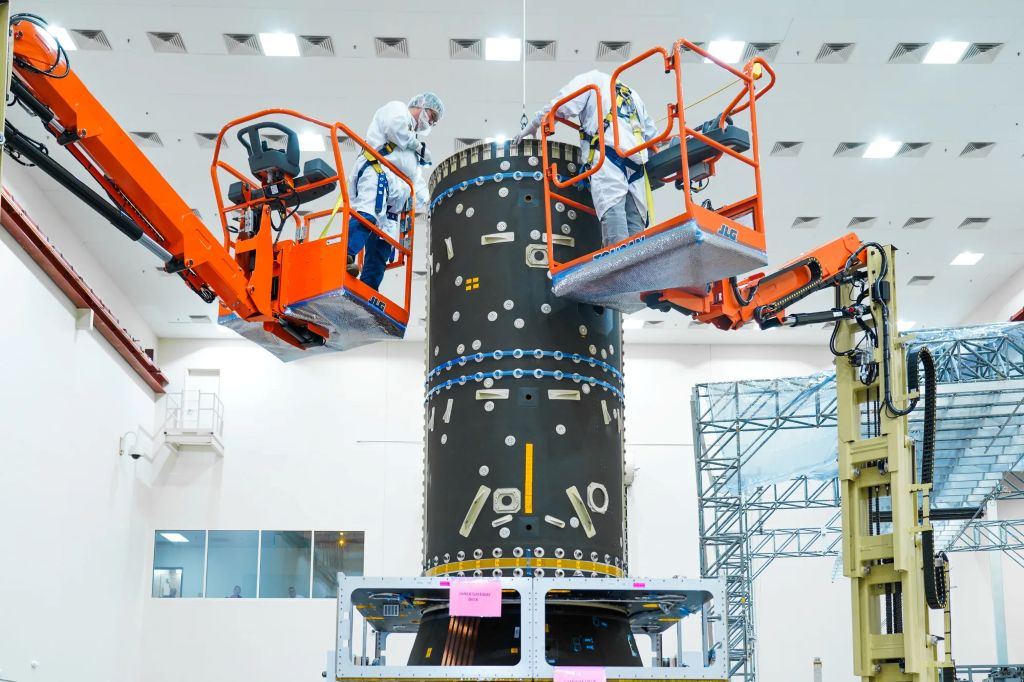
Gateway: Energizing Exploration
Discover the cutting-edge technology powering Gateway, humanity’s first lunar space station. Two engineers in cleanroom suits work on the Power and Propulsion Element at Maxar Space Systems in Palo Alto, California. Maxar Space Systems Technicians work diligently to assemble a key power element of Gateway, the lunar space station that will become the most powerful solar electric spacecraft ever flown. Gateway’s Power…
Read More » -
NASA
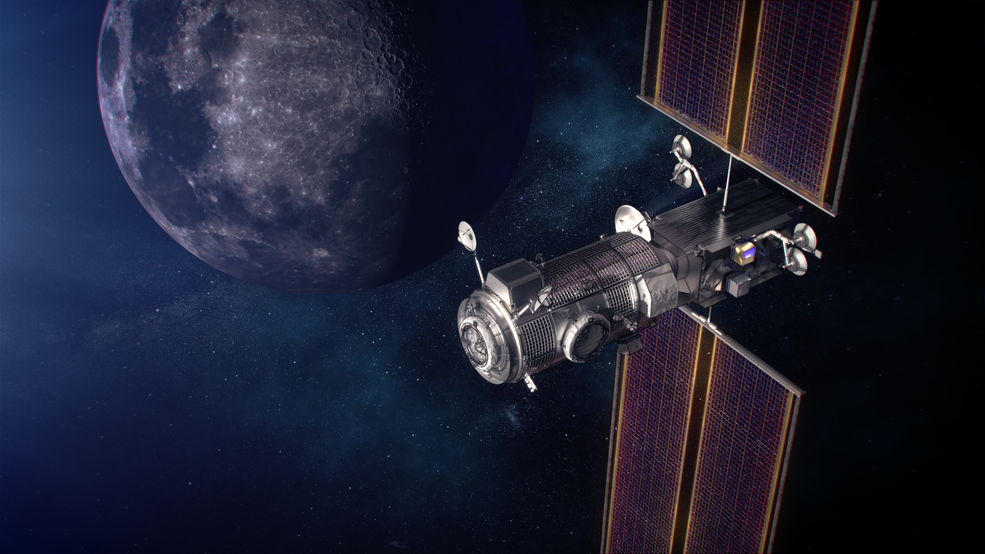
NASA Awards Contract to Launch Initial Elements for Lunar Outpost
NASA has selected Space Exploration Technologies (SpaceX) of Hawthorne, California, to provide launch services for the agency’s Power and Propulsion Element (PPE) and Habitation and Logistics Outpost (HALO), the foundational elements of the Gateway. As the first long-term orbiting outpost around the Moon, the Gateway is critical to supporting sustainable astronauts missions under the agency’s Artemis program. After integration on Earth, the…
Read More »