QueSST

  • NASA

    About Low Boom Flight Demonstrator (LBFD) Project

    The Low Boom Flight Demonstrator project (LBFD) is part of NASA’s effort to help enable new aircraft noise standards that are required to open the market to commercial supersonic flight over land. The federal government banned all civilian supersonic flights over land more than fifty years ago due to sonic boom noise. If new standards are established, the U.S. aviation industry can position itself to…

    Read More »
  • NASA

    About Flight Demonstrations and Capabilities (FDC) Project

    The FDC project conducts complex integrated small-scale flight research to validate the benefits of new technologies. By modifying aircraft from FDC’s support fleet, the project enables aggressive, success-oriented flight campaign schedules. While many technologies are at mid-levels of technology readiness, the FDC project supports all phases of technology maturation.   FDC’s support aircraft fleet enables safety chase and in-flight experimental measurements for a variety of NASA missions. The project collaborates…

    Read More »
  • NASA

    NASA Armstrong Director Brad Flick to Retire After 40 Years of Service

    On Monday, NASA announced Bradley Flick, director of NASA’s Armstrong Flight Research Center in Edwards, California, will retire Thursday, March 19, after a nearly 40-year career advancing aeronautics and flight research. Flick began his NASA journey in 1986 as a flight systems engineer and rose through the ranks to lead the center. His career spanned historic achievements by NASA, bookended…

    Read More »
  • NASA

    NASA Chase Aircraft Ensures X-59’s Safety in Flight 

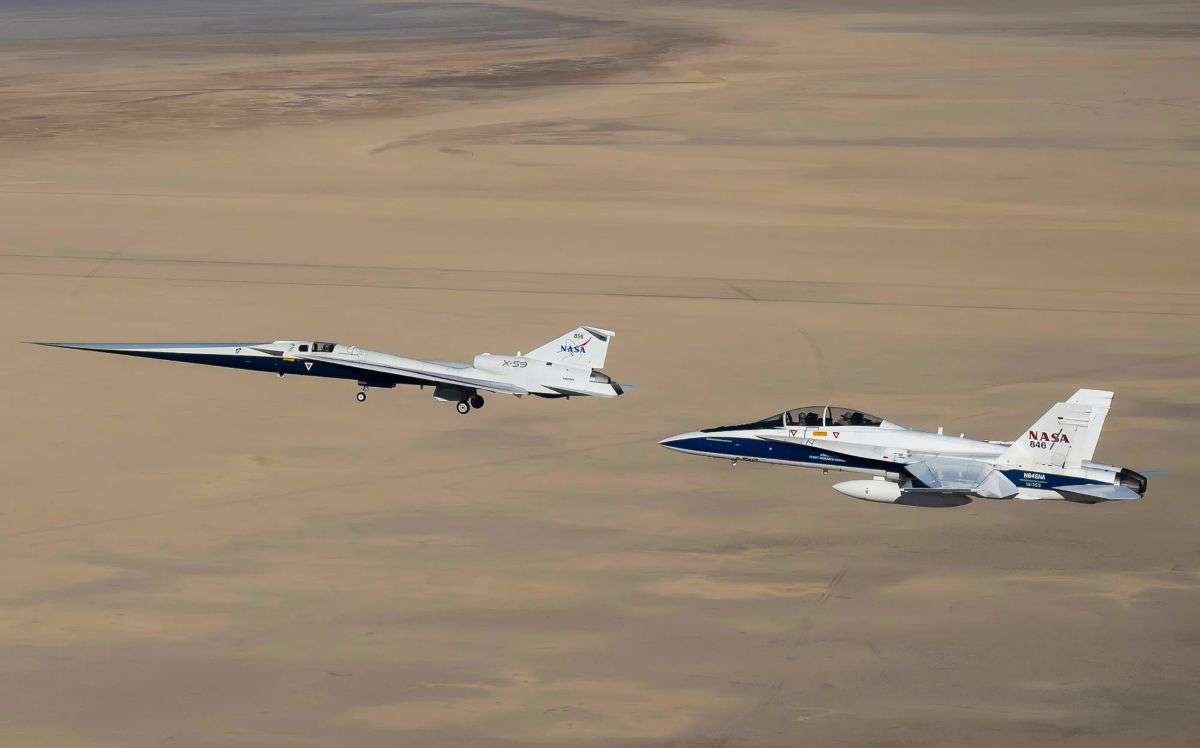
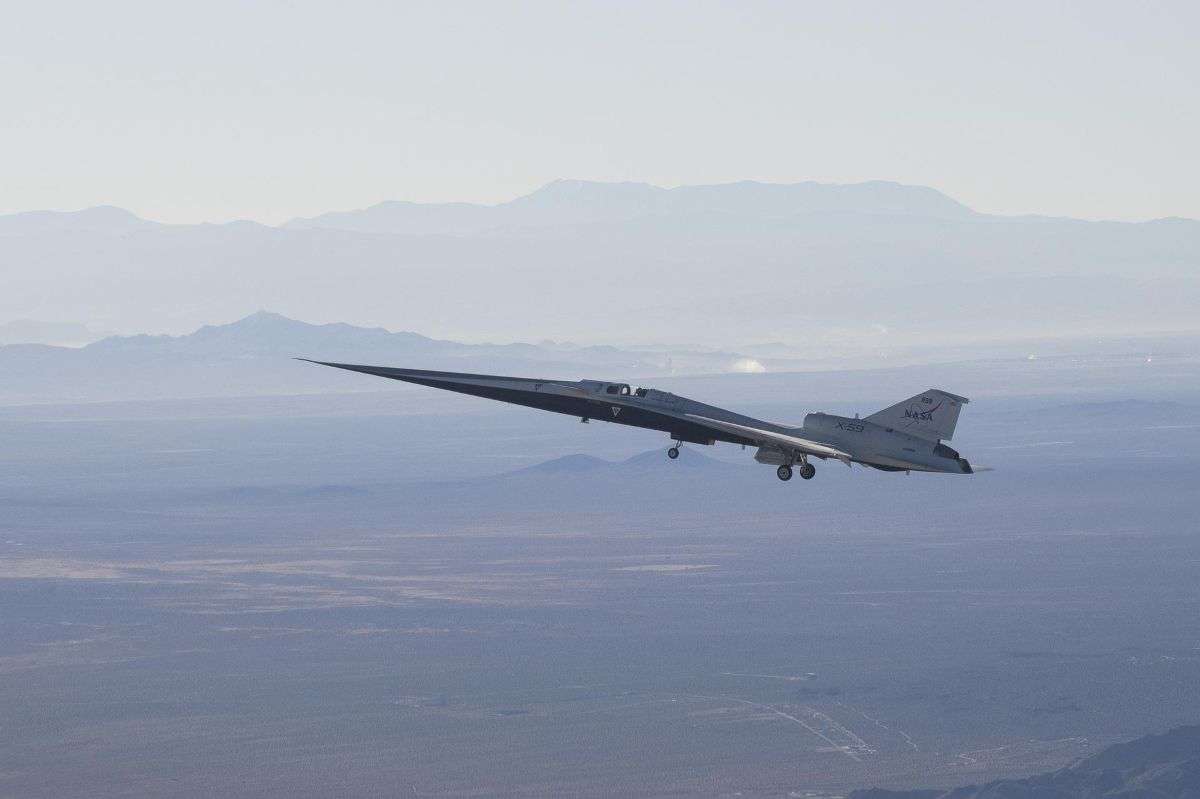
    As NASA’s X-59 quiet supersonic research aircraft continues a series of flight tests over the California high desert in 2026, its pilot will be flying with a buddy closely looking out for his safety.  That colleague will be another test pilot in a separate chase aircraft. His job as chase pilot: keep a careful watch on things as he tracks the X-59 through the sky, providing…

    Read More »
  • NASA

    NASA Adds Two F-15 Aircraft to Support Supersonic Flight Research

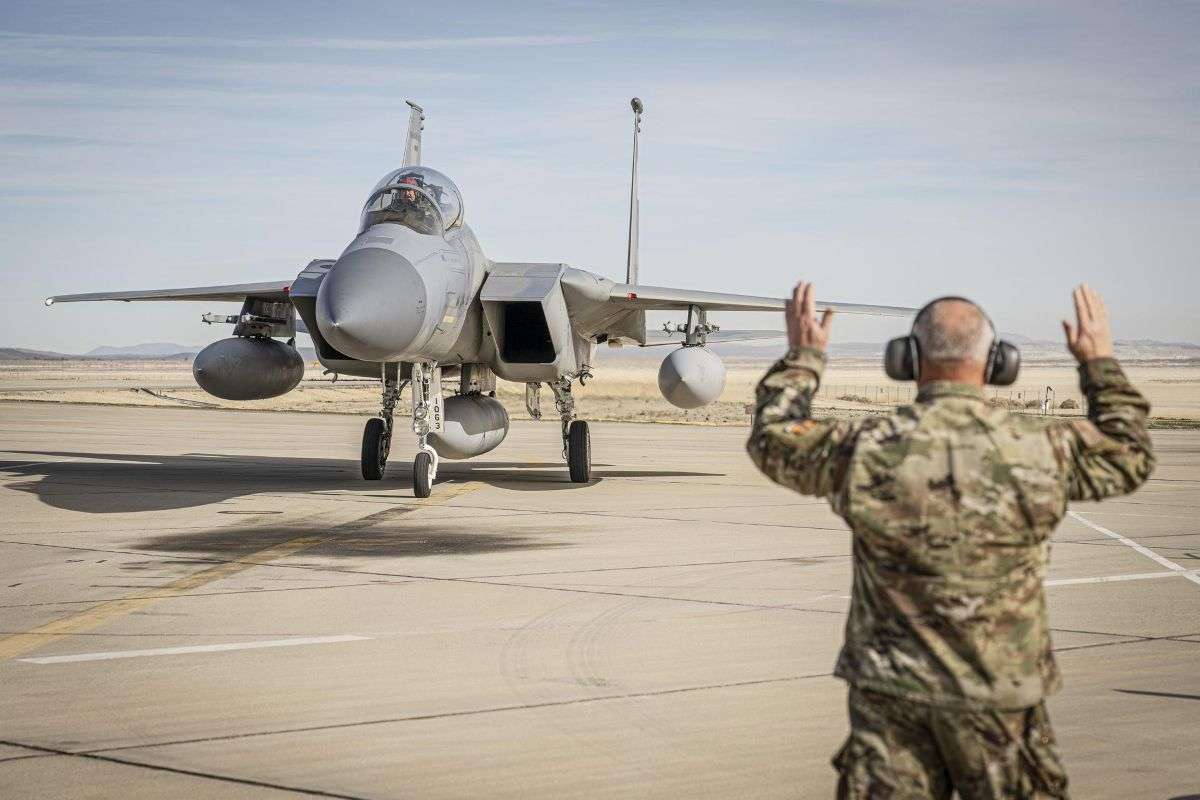
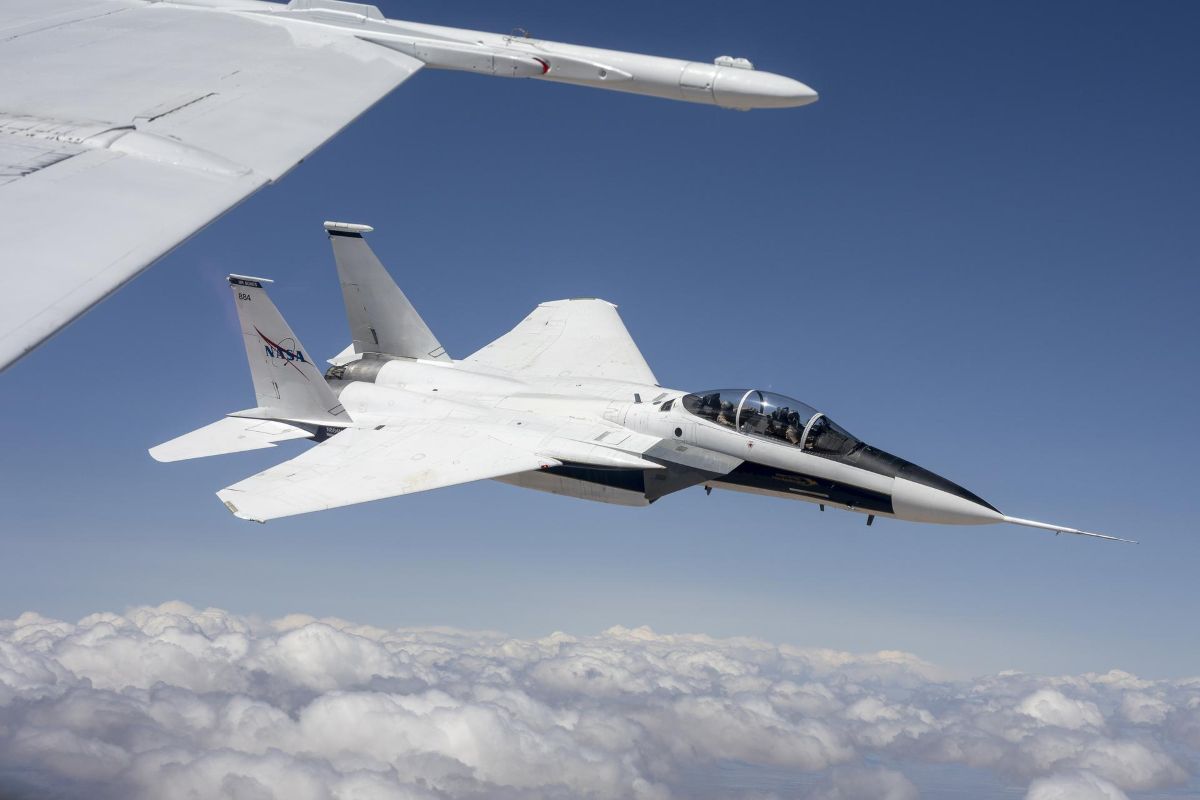
    Two retired U.S. Air Force F-15 jets have joined the flight research fleet at NASA’s Armstrong Flight Research Center in Edwards, California, transitioning from military service to a new role enabling breakthrough advancements in aerospace. The F-15s will support supersonic flight research for NASA’s Flight Demonstrations and Capabilities project, including testing for the Quesst mission’s X-59 quiet supersonic research aircraft. One of…

    Read More »
  • NASA

    NASA Armstrong Advances Flight Research and Innovation in 2025

    In 2025, NASA’s Armstrong Flight Research Center in Edwards, California, advanced work across aeronautics, Earth science, exploration technologies, and emerging aviation systems, reinforcing its role as one of the agency’s primary test sites for aeronautics research. From early concept evaluations to full flight test campaigns, teams enhanced measurement tools, refined safety systems, and generated data that supported missions across NASA.…

    Read More »
  • NASA

    NASA’s Quesst Mission Marks X-59’s Historic First Flight

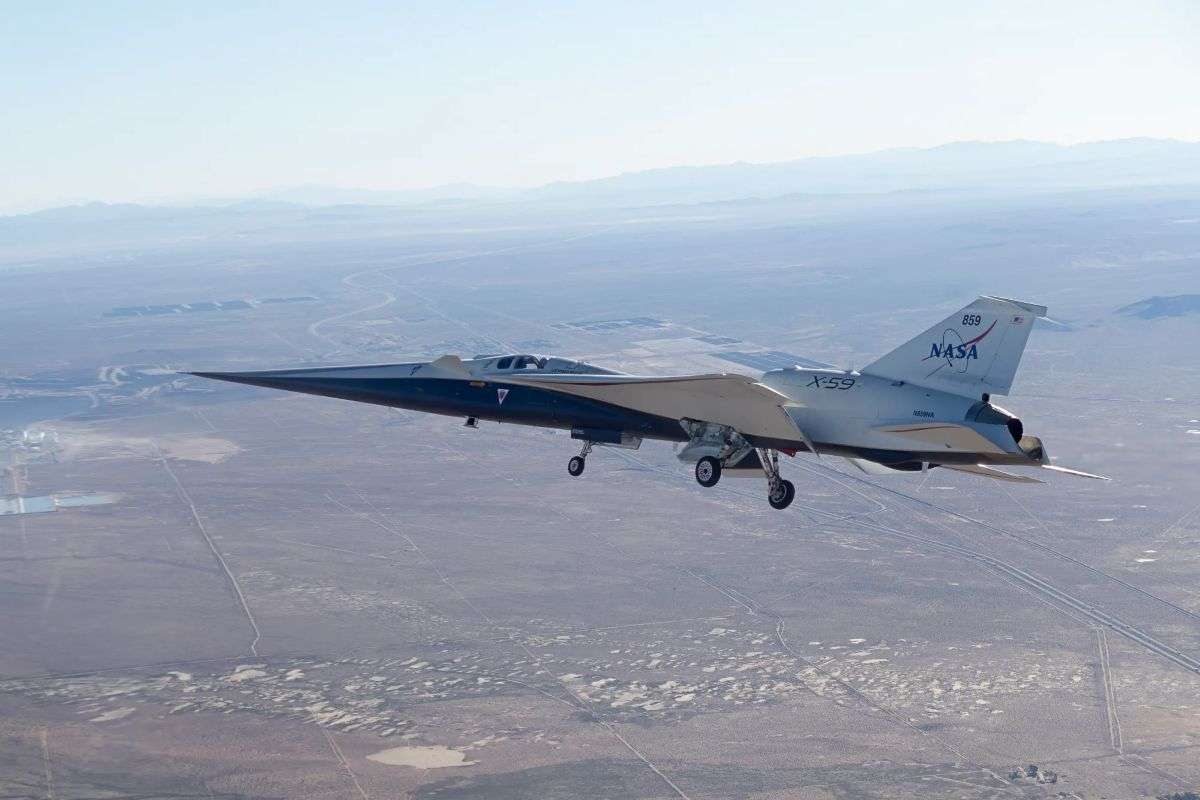
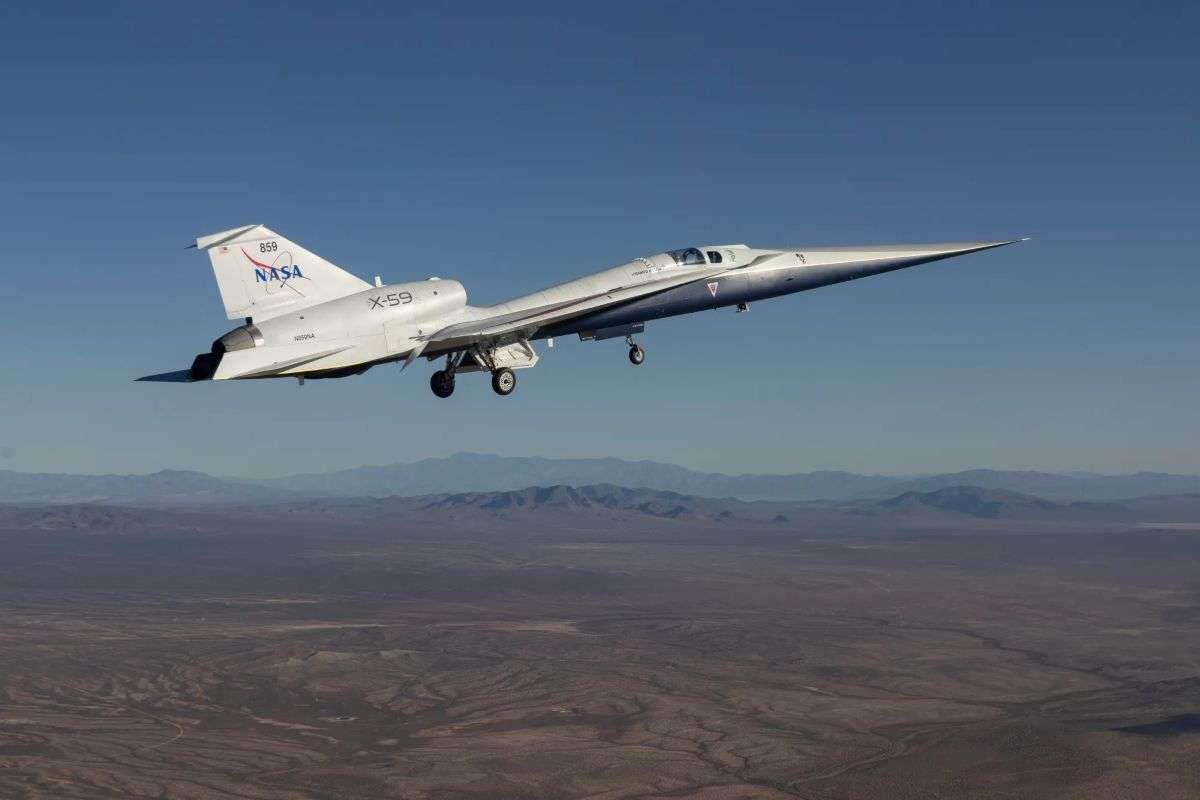
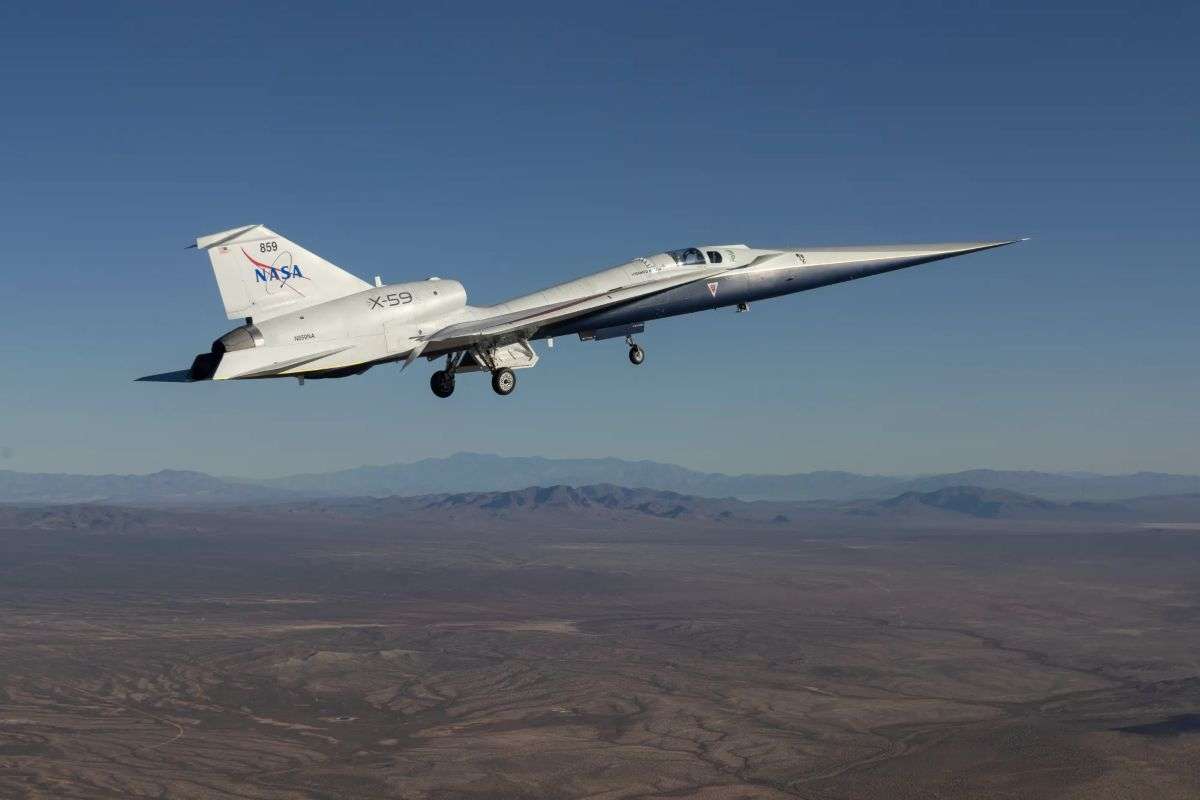
    NASA’s X-59 quiet supersonic research aircraft took off for its historic first flight on Oct. 28 at 11:14 a.m. EDT from Lockheed Martin Skunk Works in Palmdale, California. The one-of-a-kind aircraft flew for 67 minutes before landing and taxiing to NASA’s Armstrong Flight Research Center in Edwards, California. NASA test pilot Nils Larson flew the X-59 up to an altitude…

    Read More »
  • NASA

    NASA’s X-59 Completes First Flight, Prepares for More Flight Testing

    After years of design, development, and testing, NASA’s X-59 quiet supersonic research aircraft took to the skies for the first time Oct. 28, marking a historic moment for the field of aeronautics research and the agency’s Quesst mission. The X-59, designed to fly at supersonic speeds and reduce the sound of loud sonic booms to quieter sonic thumps, took off…

    Read More »
  • NASA

    NASA’s X-59 Moves Toward First Flight at Speed of Safety

    As NASA’s one-of-a-kind X-59 quiet supersonic research aircraft approaches first flight, its team is mapping every step from taxi and takeoff to cruising and landing – and their decision-making is guided by safety. First flight will be a lower-altitude loop at about 240 mph to check system integration, kicking off a phase of flight testing focused on verifying the aircraft’s…

    Read More »
  • NASA

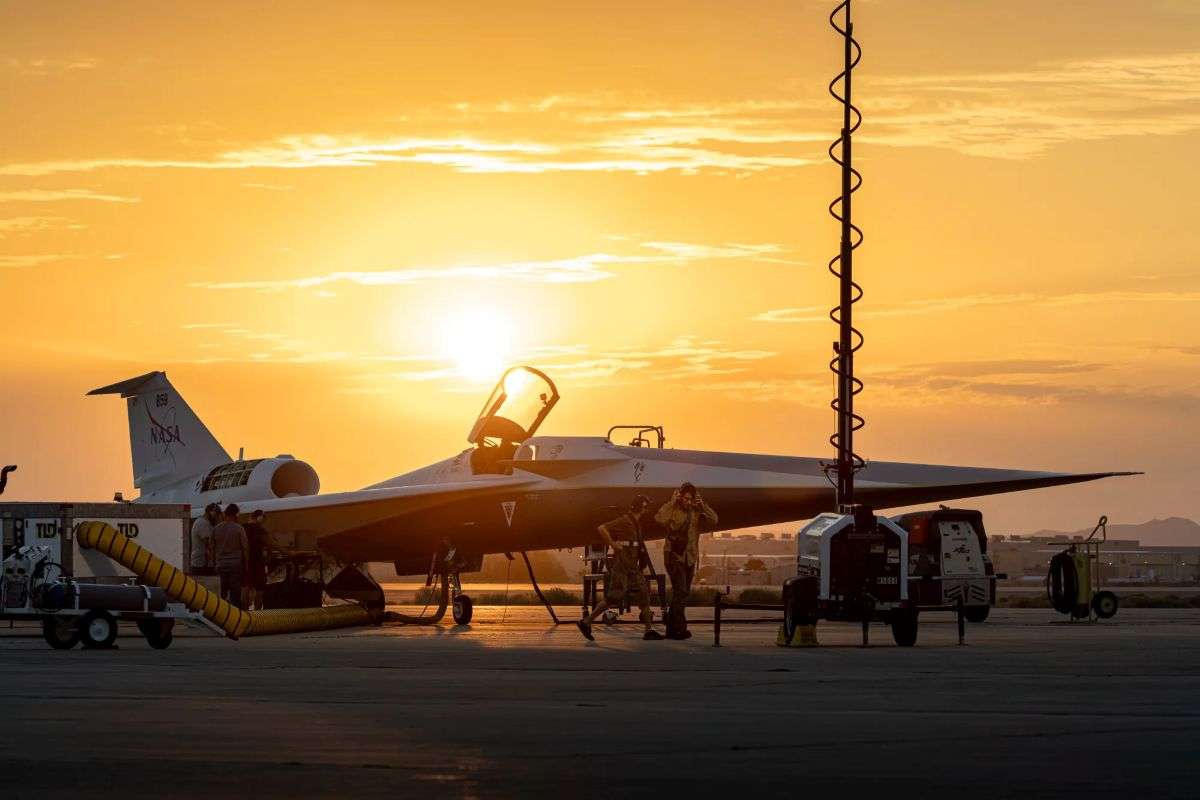
    NASA’s X-59 at Sunrise

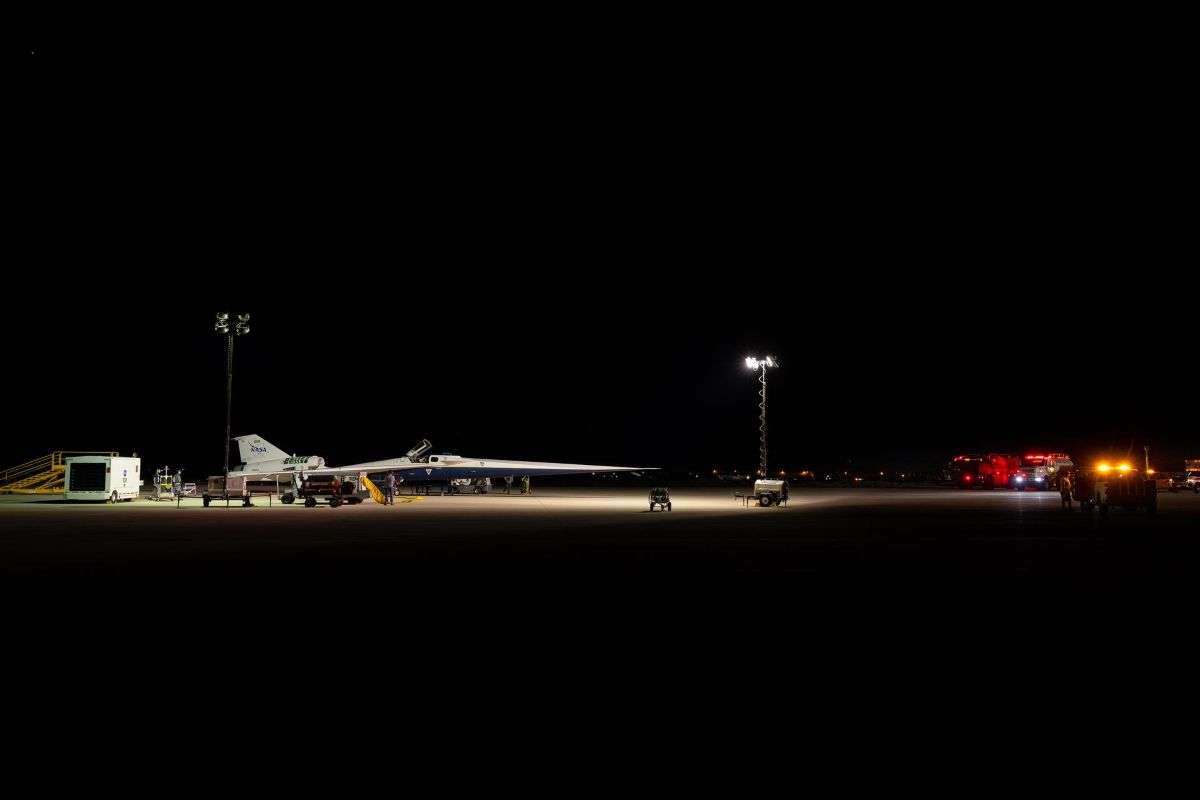
    NASA’s X-59 quiet supersonic research aircraft sits on the ramp at sunrise before ground tests at Lockheed Martin’s Skunk Works facility in Palmdale, California, on July 18, 2025. Following completion of low-speed taxi tests in July 2025 in Palmdale, California, medium- and high-speed taxi tests mark the final steps before the aircraft takes to the skies for the first time. The X-59 is the…

    Read More »
Back to top button