
Regolith
-
NASA
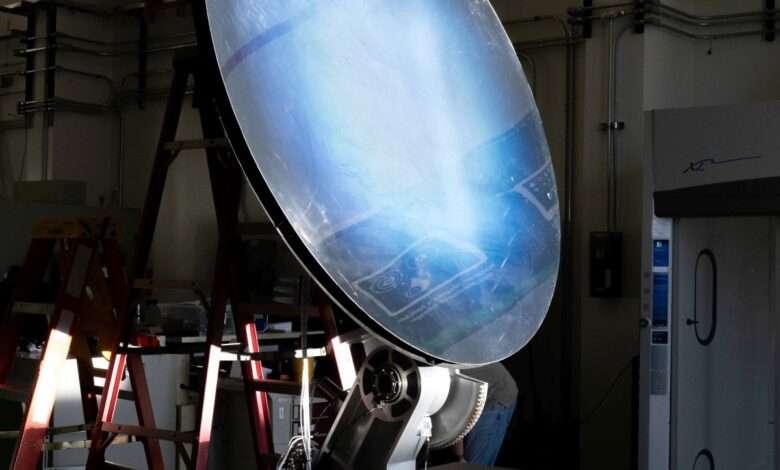
Sunlight Extracts Oxygen From Regolith Using Solar Chemistry
NASA’s Carbothermal Reduction Demonstration (CaRD) project completed an important step toward using local resources to support human exploration on the Moon. The CaRD team performed integrated prototype testing that used concentrated solar energy to extract oxygen from simulated lunar soil, while confirming the production of carbon monoxide through a solar-driven chemical reaction. If deployed on the Moon, this technology could enable the production of propellant using only lunar materials and sunlight,…
Read More » -
NASA
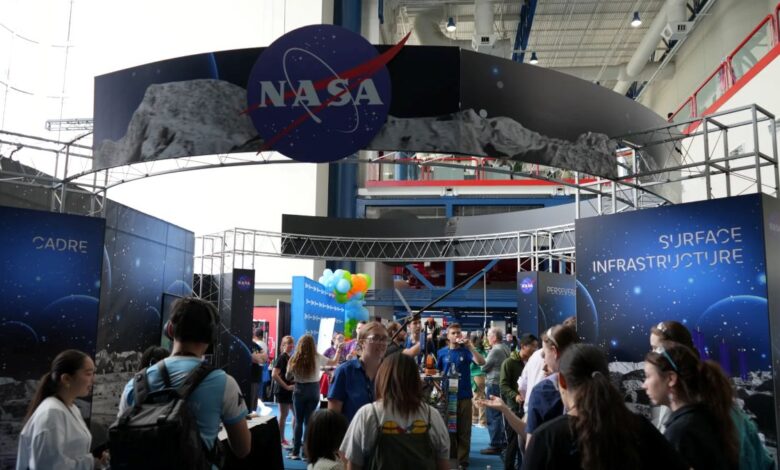
Robots, Rovers, and Regolith: NASA Brings Exploration to FIRST Robotics 2025
What does the future of space exploration look like? At the 2025 FIRST Robotics World Championship in Houston, NASA gave student robotics teams and industry leaders a first-hand look—complete with lunar rovers, robotic arms, and real conversations about shaping the next era of discovery. Students and mentors experience NASA exhibits at the 2025 FIRST Robotics World Championship at the George…
Read More » -
Press Releases

Measuring Moon Dust to Fight Air Pollution
Moon dust, or regolith, isn’t like the particles on Earth that collect on bookshelves or tabletops – it’s abrasive and it clings to everything. Throughout NASA’s Apollo missions to the Moon, regolith posed a challenge to astronauts and valuable space hardware. During the Apollo 17 mission, astronaut Harrison Schmitt described his reaction to breathing in the dust as “lunar hay…
Read More » -
NASA
Six Finalists Named in NASA’s $3.5 Million Break the Ice Challenge
By Savannah Bullard The stage is set for the finale of NASA’s Break the Ice Lunar Challenge. Conceived in 2020, Break the Ice tasked innovators with creating robotic systems that can traverse the volatile terrain of the Lunar South Pole. These robots must be able to dig into the Moon’s regolith – the dusty, icy “dirt” that makes up the lunar surface…
Read More »