Saturn
-
NASA
Astronomy Picture of the Day
Hubble: Decagon Around Saturn’s South Pole Explanation: Why are Saturn’s poles geometric? Saturn’s North Pole has been known to be surrounded by a hexagonal (6 sides) cloud since discovery in 1987 in data taken by NASA’s Voyager spacecrafts, which quickly flew past the ringed world in the early 1980s. Now, recent observations of Saturn by the Hubble Space Telescope reveal a slightly different geometric cloud pattern around the South Pole: a decagon (10 sides).…
Read More » -
NASA
NASA’s Hubble Tracks New Decagon Encircling Saturn’s South Pole
Recent observations with NASA’s Hubble Space Telescope have revealed a giant, evolving, 10-sided atmospheric wave encircling Saturn’s south pole. This discovery marks the first time a large, regular-sided jet pattern has been observed in the planet’s southern hemisphere. The feature appears remarkably similar to Saturn’s famous hexagon at its northern pole, but is also distinctly different, suggesting scientists may be witnessing a new…
Read More » -
NASA
Astronomy Picture of the Day
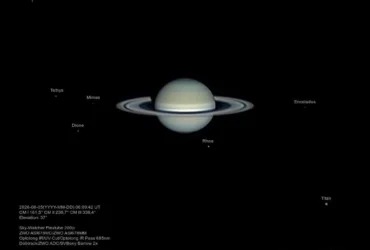
Six Moons of Saturn Explanation: How many moons does Saturn have? While the total will likely continue to grow, as of June 2026 the ringed gas giant had 293 confirmed moons. That’s easily more than any other planet of the Solar System, including ruling gas giant Jupiter with a mere 115 confirmed moons. Most of Saturn’s known moons are small, irregular satellites. Many are…
Read More » -
NASA
Astronomy Picture of the Day
Discover the cosmos! Each day a different image or photograph of our fascinating universe is featured, along with a brief explanation written by a professional astronomer. Spokes on Saturn’s B Ring Explanation: Don’t get spooked by Saturn’s ghostly spokes! Today we feature a nearly two-hour timelapse of Saturn and its rings looping forwards and backwards. If you look closely, a ghoulish shadow…
Read More » -
NASA
Actively Steerable Femtosat Constellations for In-situ Exploration of Saturn’s Rings, Atmosphere, and Magnetosphere
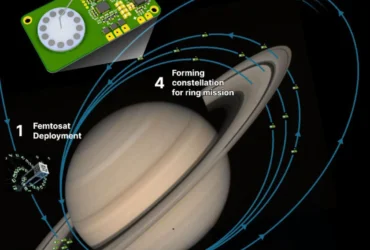
Michael RubensteinNorthwestern University, Chicago We propose a mission to use ~10,000 actively steerable femtosats to map the ring composition, atmospheric composition and density, and the magnetic field distribution of Saturn. Conducting in-situ surveys of Saturn’s rings with a single flagship mission, such as Cassini, would carry an unacceptably high risk of mission failure due to particle collisions. However, the distributed nature…
Read More » -
NASA
What’s Up: July 2026 Skywatching Tips from NASA
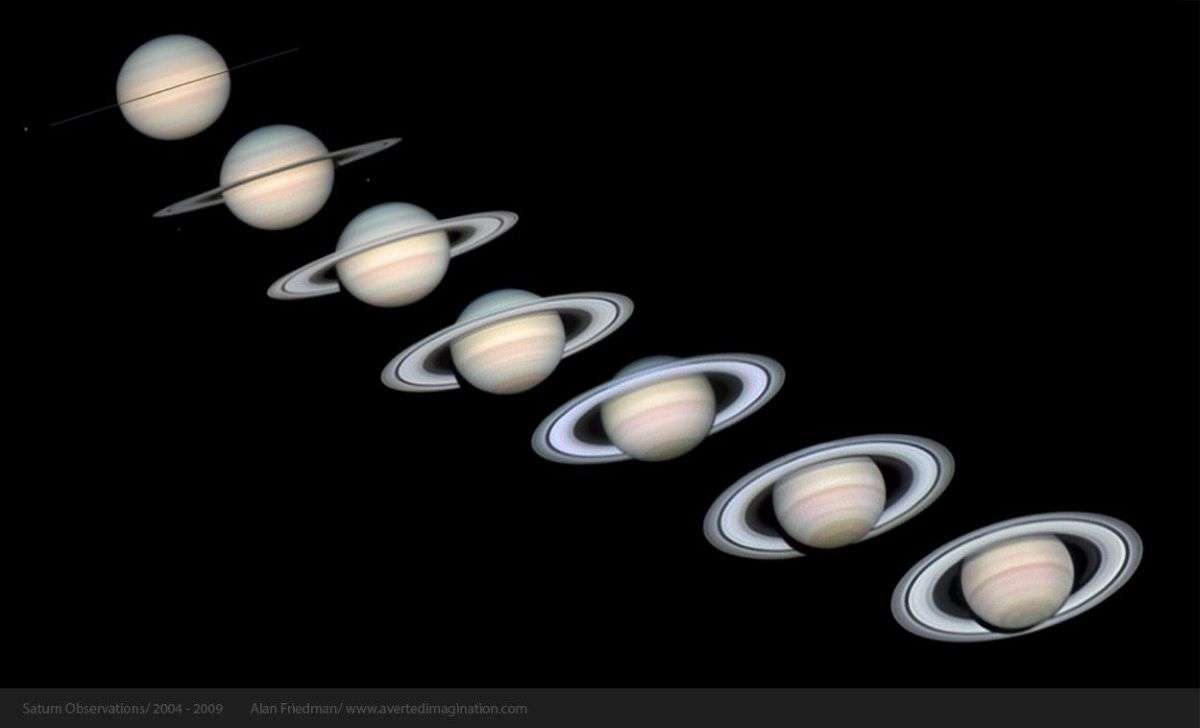
A predawn Moon-and-planets meetup, a returning comet, a great chance to see the Milky Way, and Saturn’s rings at a new angle. Skywatching Highlights July 7: Last Quarter Moon July 11 + 12: Dawn alignment of the Moon, Mars, Saturn, and Uranus July 14: New Moon; best dark-sky window for Comet 10P/Tempel 2 and the Milky Way Later in July: Saturn’s unusually thin rings…
Read More » -
Markets
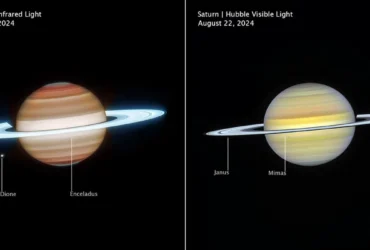
NASA Webb, Hubble Share Most Comprehensive View of Saturn to Date
NASA’s James Webb Space Telescope and Hubble Space Telescope have teamed up to capture new views of Saturn, revealing the planet in strikingly different ways. Observing in complementary wavelengths of light, the two space observatories provide scientists with a richer, more layered understanding of the gas giant’s atmosphere. Both sense sunlight reflected from Saturn’s banded clouds and hazes, but where…
Read More » -
NASA
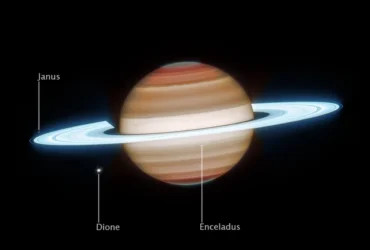
Webb Captures Saturn in Infrared
Saturn’s icy rings glow in this infrared view from NASA’s James Webb Space Telescope released on March 25, 2026. Combining this image with another that NASA’s Hubble Space Telescope captured – also released on the same day – provides scientists with a richer, more layered understanding of the gas giant’s atmosphere. In Webb’s infrared image, the rings are extremely bright because they…
Read More » -
NASA
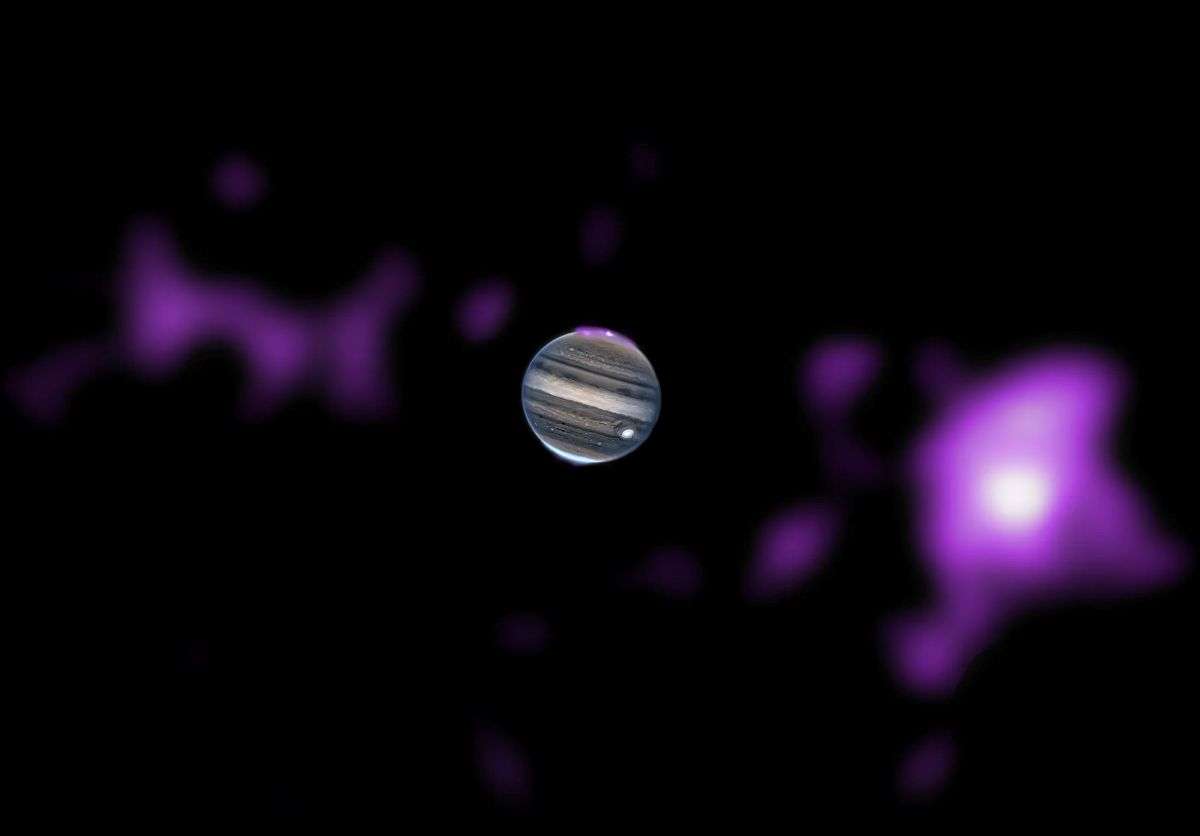
Listen to This Month’s ‘Planetary Parade’ With NASA’s Chandra
In late February, people in the Northern Hemisphere can look up for a special sight: six planets will all be visible from clear and dark night skies. New sonifications from NASA’s Chandra X-ray Observatory released Feb. 25 will help commemorate this latest “planetary parade.” Because the planets in our solar system travel around the Sun in the same plane (known as…
Read More » -
NASA
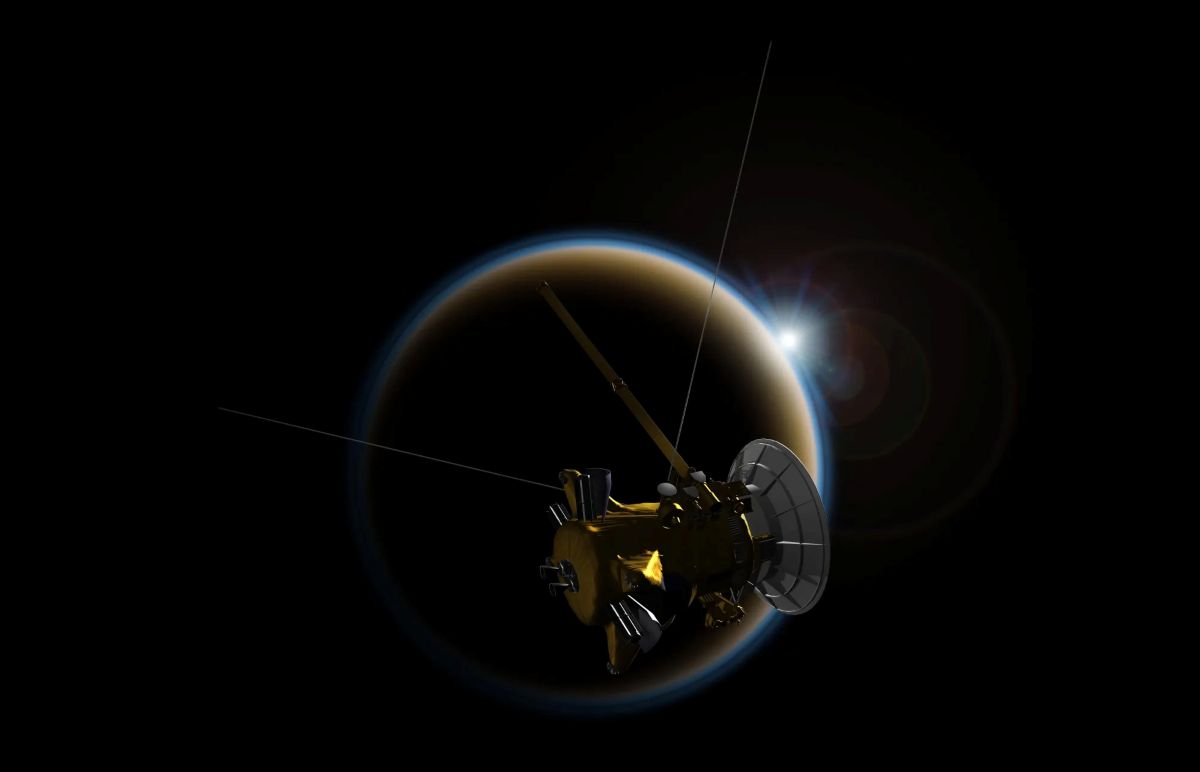
NASA Study Suggests Saturn’s Moon Titan May Not Have Global Ocean
A key discovery from NASA’s Cassini mission in 2008 was that Saturn’s largest moon Titan may have a vast water ocean below its hydrocarbon-rich surface. But reanalysis of mission data suggests a more complicated picture: Titan’s interior is more likely composed of ice, with layers of slush and small pockets of warm water that form near its rocky core. Led…
Read More »