Saturn

  • NASA

    NASA Awards Launch Services Contract for Dragonfly Mission

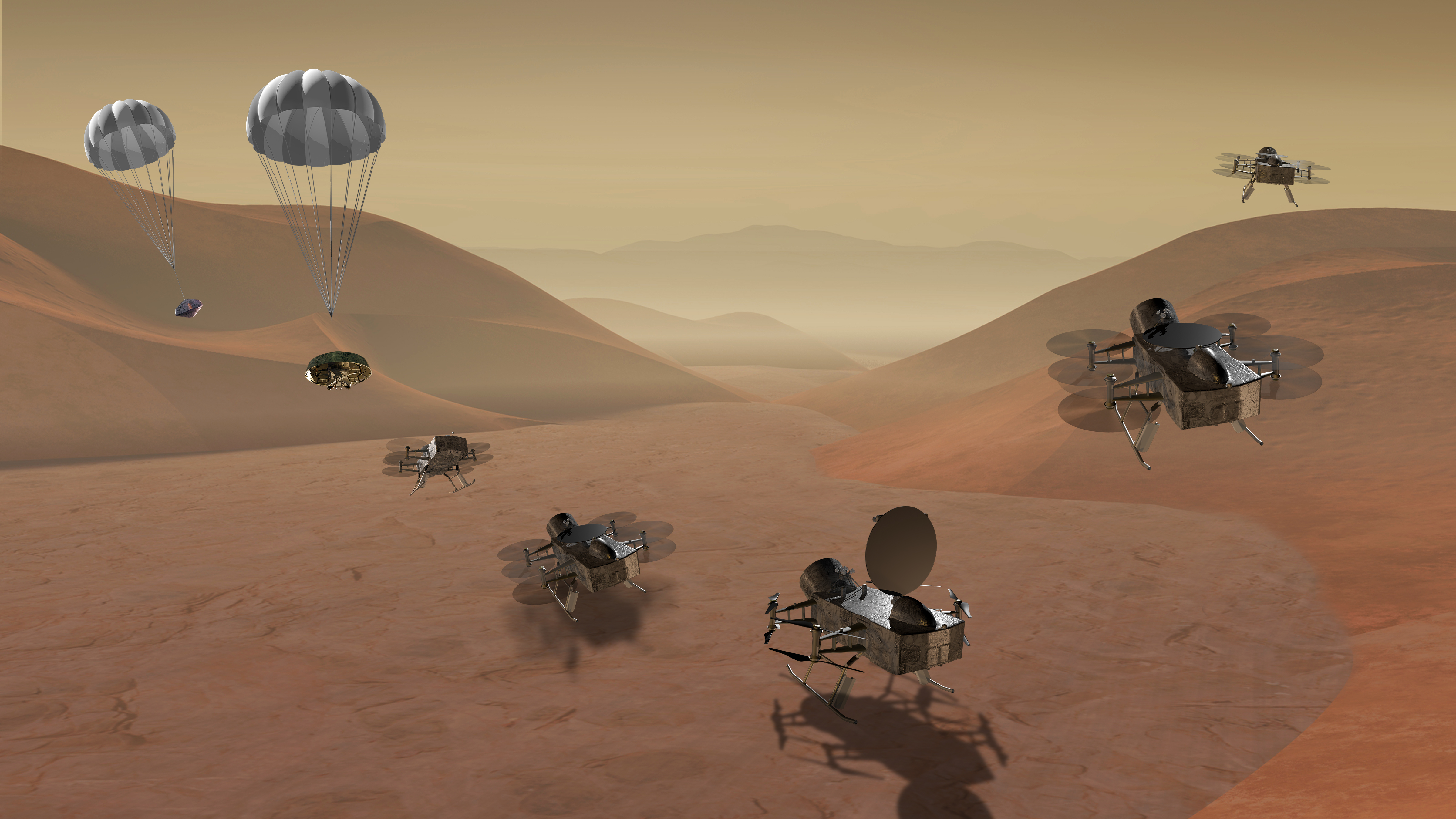
    NASA has selected SpaceX to provide launch services for the Dragonfly mission, a rotorcraft lander mission under NASA’s New Frontiers Program, designed to explore Saturn’s moon Titan. The mission will sample materials and determine surface composition in different geologic settings, advancing our search for the building blocks of life. The firm-fixed-price contract has a value of approximately $256.6 million, which…

    Read More »
  • NASA

    Cassini Mission: 5 Things to Know About NASA Lewis’ Last Launch

    NASA’s ambitious Cassini mission to Saturn in the late 1990s was one of the agency’s greatest accomplishments, providing unprecedented revelations about the esoteric outer planet and its moons. The complex undertaking was also a tremendous, yet bittersweet, achievement for the Lewis Research Center (today, NASA’s Glenn Research Center in Cleveland), which oversaw the rockets that propelled Cassini to Saturn. Cassini…

    Read More »
  • NASA

    August’s Night Sky Notes: Seeing Double

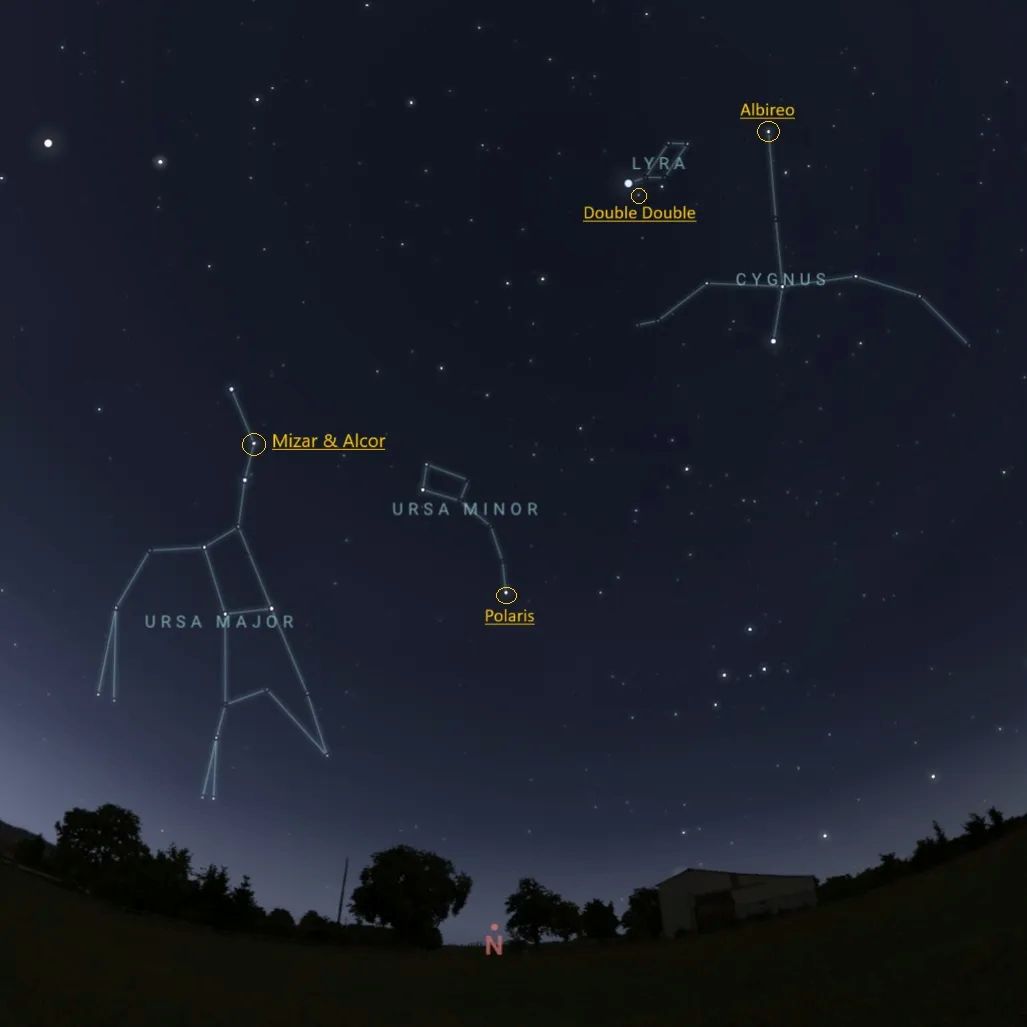
    by Kat Troche of the Astronomical Society of the Pacific During the summer months, we tend to miss the views of Saturn, Jupiter and other heavenly bodies. But it can be a great time to look for other items, like globular star clusters such as Messier 13, open star clusters such as the Coma Star Cluster (Melotte 111), but also double…

    Read More »
  • NASA

    A Saturnian Summer

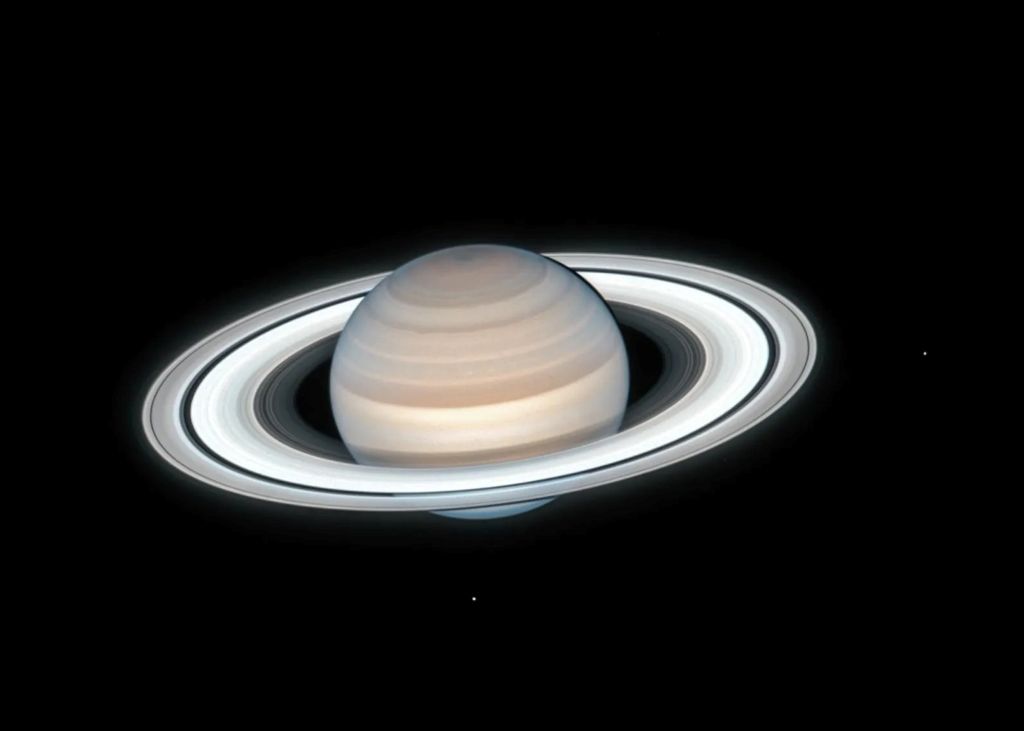
    NASA’s Hubble Space Telescope captured this image of Saturn and its colossal rings on July 4, 2020, during summer in the gas giant’s northern hemisphere. Two of Saturn’s icy moons are also clearly visible: Mimas at right, and Enceladus at bottom.  The light reddish haze over the northern hemisphere seen in this color composite could be due to heating from increased sunlight, which could…

    Read More »
  • NASA

    NASA: Life Signs Could Survive Near Surfaces of Enceladus and Europa

    Europa, a moon of Jupiter, and Enceladus, a moon of Saturn, have evidence of oceans beneath their ice crusts. A NASA experiment suggests that if these oceans support life, signatures of that life in the form of organic molecules (e.g. amino acids, nucleic acids, etc.) could survive just under the surface ice despite the harsh radiation on these worlds. If…

    Read More »
  • NASA

    Cassini Sees Saturn

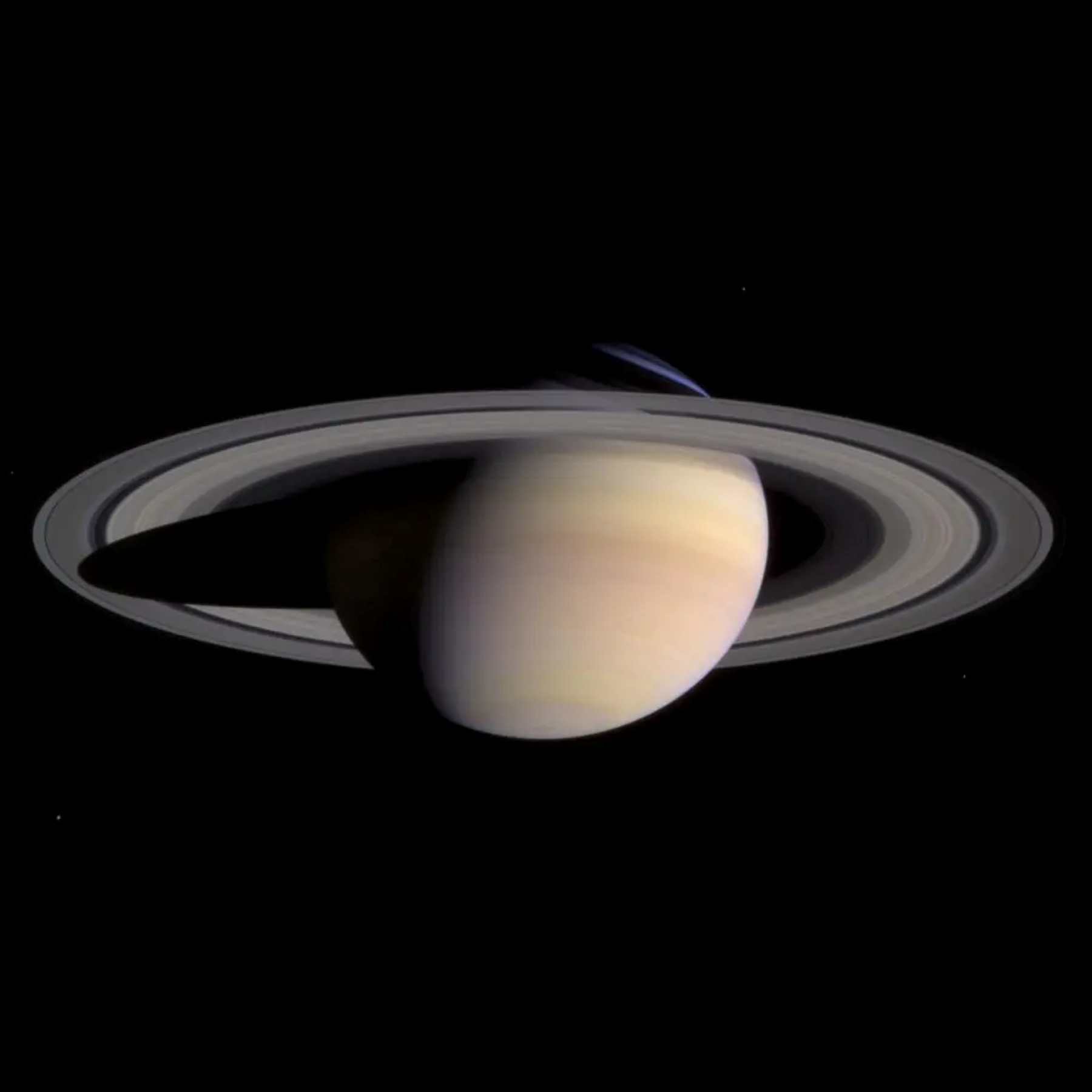
    The Cassini-Huygens spacecraft captured this last “eyeful” of Saturn and its rings on March 27, 2004, as it continued its way to orbit insertion. This natural color image shows the color variations between atmospheric bands and features in the southern hemisphere of Saturn, subtle color differences across the planet’s middle B ring, as well as a bright blue sliver of light in…

    Read More »
  • NASA

    Discovery Alert: a Long Year for a ‘Cold Saturn’

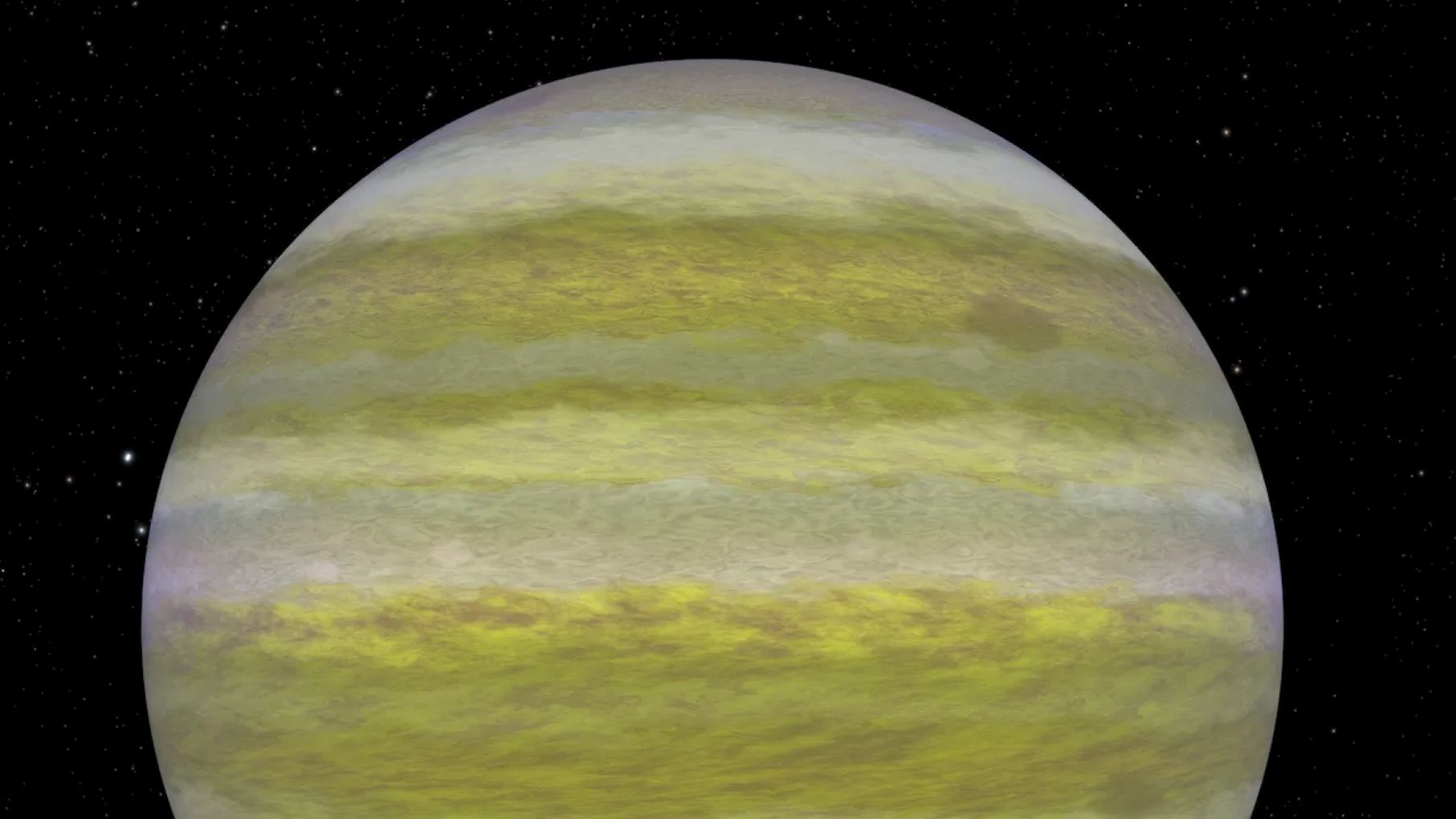
    The Discovery Two giant planets comparable to our own system’s Saturn orbit a star not unlike our Sun some 700 light-years away. The outer planet has the longest year – 483 days – of any found so far by NASA’s TESS (the Transiting Exoplanet Survey Satellite). It’s also among the coldest. Key Facts The two planets, TOI-4600 b and c,…

    Read More »
  • NASA

    NASA’s Hubble Watches ‘Spoke Season’ on Saturn

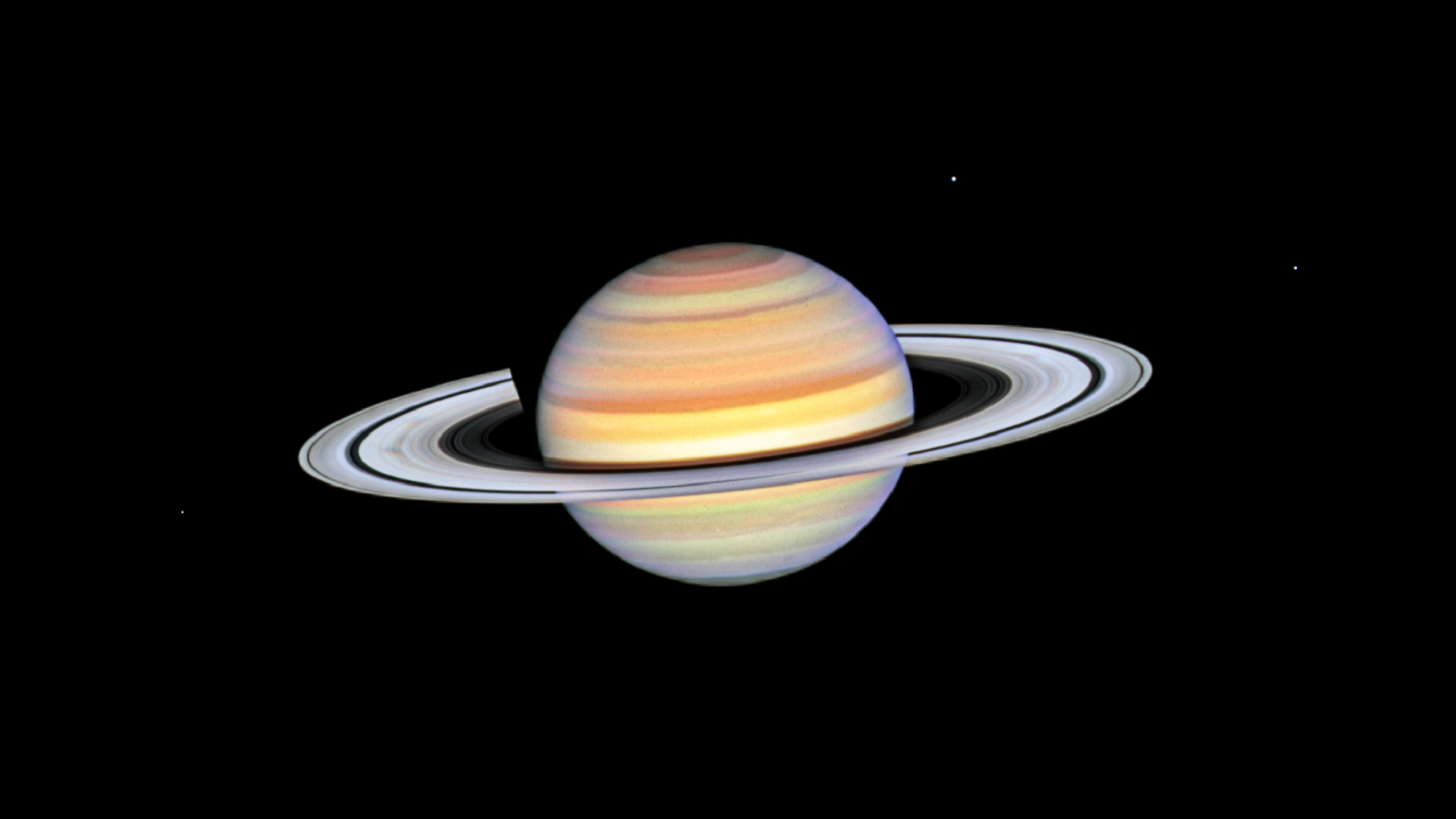
    This photo of Saturn was taken by NASA’s Hubble Space Telescope on October 22, 2023, when the ringed planet was approximately 850 million miles from Earth. Hubble’s ultra-sharp vision reveals a phenomenon called ring spokes. Saturn’s spokes are transient features that rotate along with the rings. Their ghostly appearance only persists for two or three rotations around Saturn. During active periods, freshly-formed…

    Read More »
  • NASA

    NASA Study Finds Life-Sparking Energy Source and Molecule at Enceladus

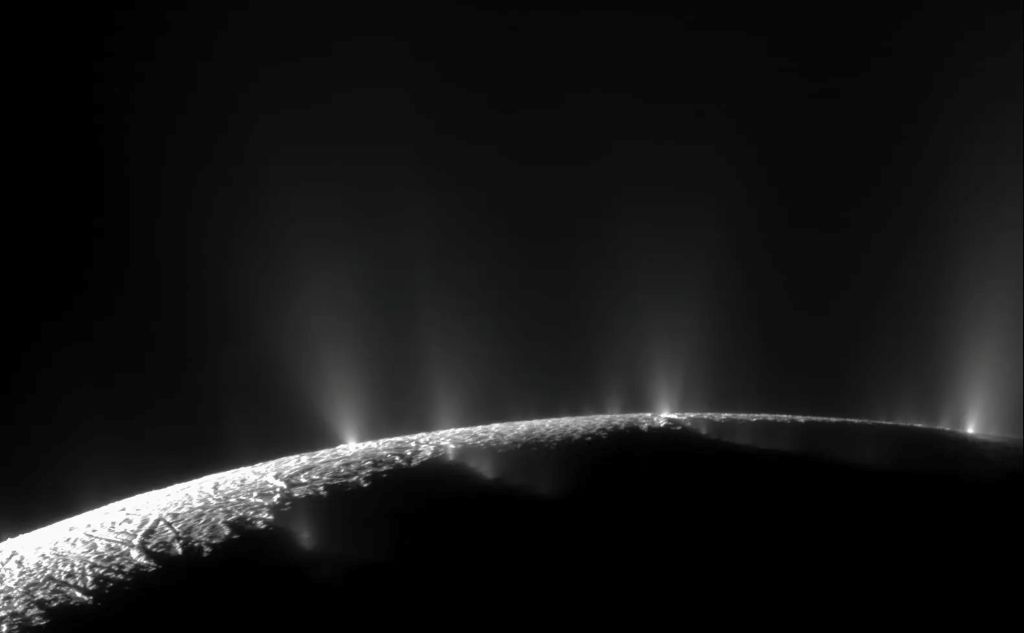
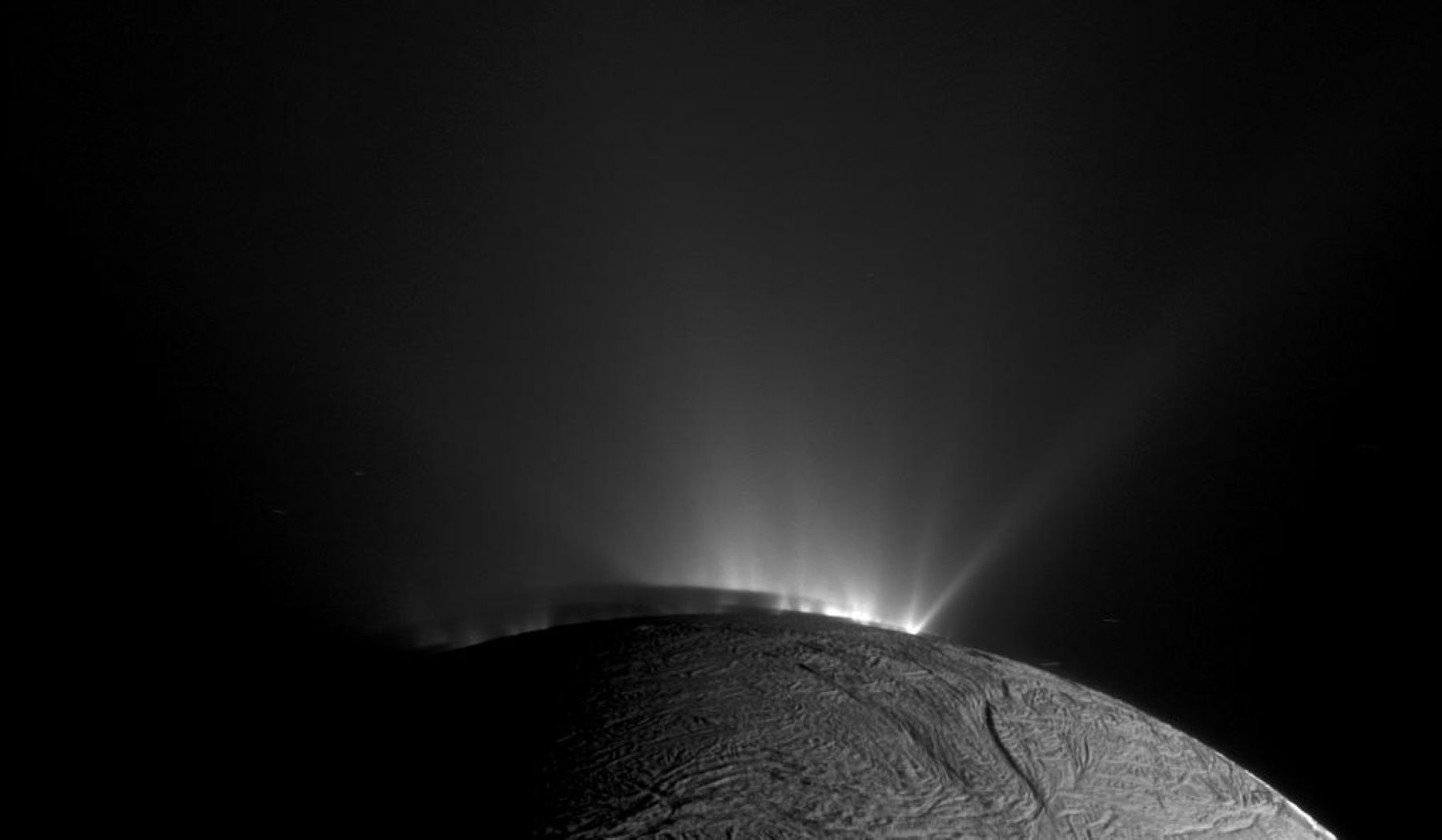
    A study zooms in on data that NASA’s Cassini gathered at Saturn’s icy moon and finds evidence of a key ingredient for life and a supercharged source of energy to fuel it. Scientists have known that the giant plume of ice grains and water vapor spewing from Saturn’s moon Enceladus is rich with organic compounds, some of which are important…

    Read More »
  • NASA

    NASA Invests in Concept Development for Missions to Comet, Saturn Moon Titan

    NASA has selected two finalist concepts for a robotic mission planned to launch in the mid-2020s: a comet sample return mission and a drone-like rotorcraft that would explore potential landing sites on Saturn’s largest moon, Titan. The agency announced the concepts Wednesday, following an extensive and competitive peer review process. The concepts were chosen from 12 proposals submitted in April…

    Read More »
Back to top button