
Science on Station
-
NASA

Space Station Research Contributes to Artemis II
Have you ever heard the saying, “You have to learn how to walk before you can run?” The same can be true in human space exploration. To push capabilities further and ensure safe, successful missions, NASA must test ideas and solve challenges ahead of time. While Earth-based research and engineering helps NASA progress through various challenges, it can’t fully replicate…
Read More » -
NASA
Station Science Top News: March 7, 2025
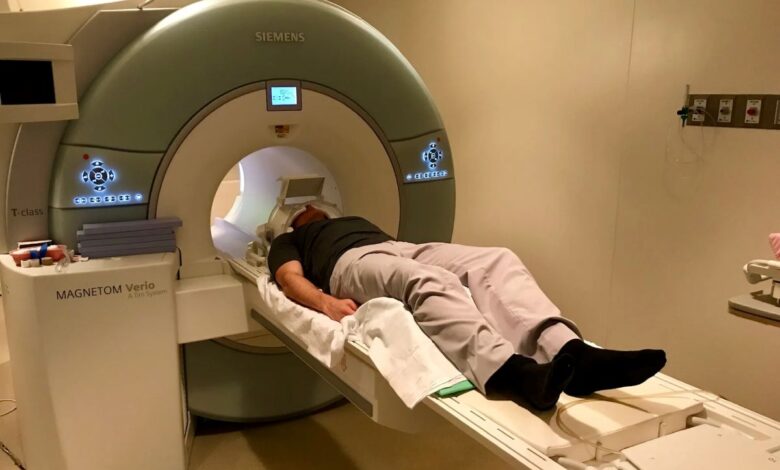
Researchers found that an upward shift in the brain during spaceflight makes it hard to distinguish different types of tissue, causing errors in determining changes in brain volume. Previous studies have interpreted these changes as evidence of adaptation to space. This finding suggests that unique methods are needed to analyze astronaut brain structure. Wayfinding, a CSA (Canadian Space Agency) investigation,…
Read More » -
NASA

Science in Orbit: Results Published on Space Station Research in 2024
NASA and its international partners have hosted research experiments and fostered collaboration aboard the International Space Station for over 25 years. More than 4,000 investigations have been conducted, resulting in over 4,400 research publications with 361 in 2024 alone. Space station research continues to advance technology on Earth and prepare for future space exploration missions. Below is a selection of…
Read More » -
NASA
Station Science Top News: Jan. 31, 2025
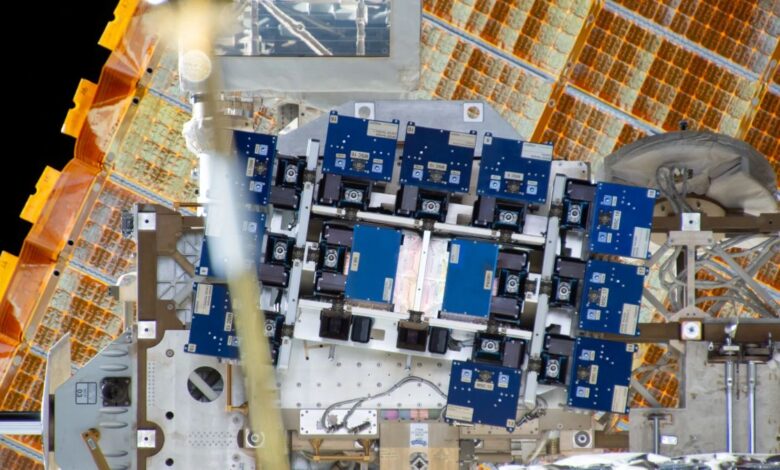
Researchers found that plant seeds exposed to space germinated at the same rate as those kept on the ground. This finding shows that plant seeds can remain viable during long-term space travel and plants could be used for food and other uses on future missions. Materials International Space Station Experiment-14 exposed a variety of materials to space, including 11 types of…
Read More » -
NASA

Station Science Top News: Jan. 24, 2025
Reducing reliance on resupply missions Resupply of life support elements such as air, water, food, clothing, and hygiene items will be impractical on missions to the Moon and beyond. This research assessed current use and resupply of these elements on the International Space Station and outlines technologies needed for sustained human presence in space, such as 3D printing maintenance parts, systems for…
Read More » -
NASA
Station Science Top News: Dec. 20, 2024
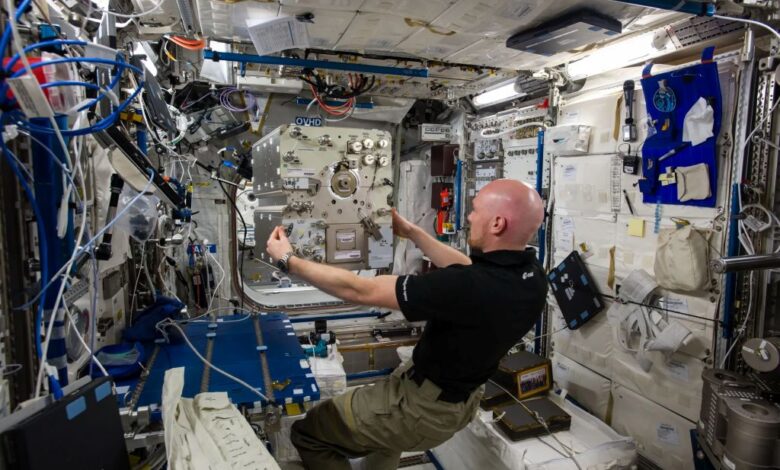
A method for evaluating thermophysical properties of metal alloys Simulation of the solidification of metal alloys, a key step in certain industrial processes, requires reliable data on their thermophysical properties such as surface tension and viscosity. Researchers propose comparing predictive models with experimental outcomes as a method to assess these data. Scientists use data on surface tension and viscosity of titanium-based alloys…
Read More » -
NASA
Station Science Top News: Dec. 13, 2024
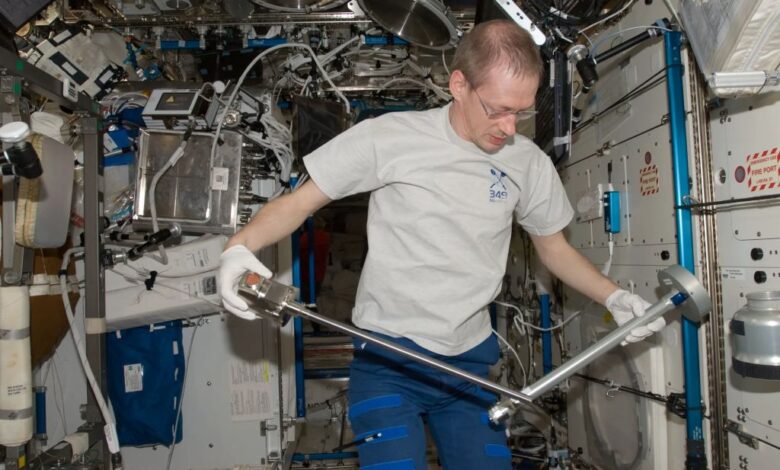
Benchmarks for solidifying metal alloys Researchers report benchmark data for modeling the growth of specific types of microstructures that form during solidification of metal alloys under different conditions. These microstructures affect the properties of materials and products such as refrigeration devices and solar cells. The ESA (European Space Agency) Columnar-to-Equiaxed Transition in Solidification Processing (CETSOL) investigation studied the processes of metal alloy solidification and…
Read More » -
NASA
Station Science Top News: Nov. 15, 2024
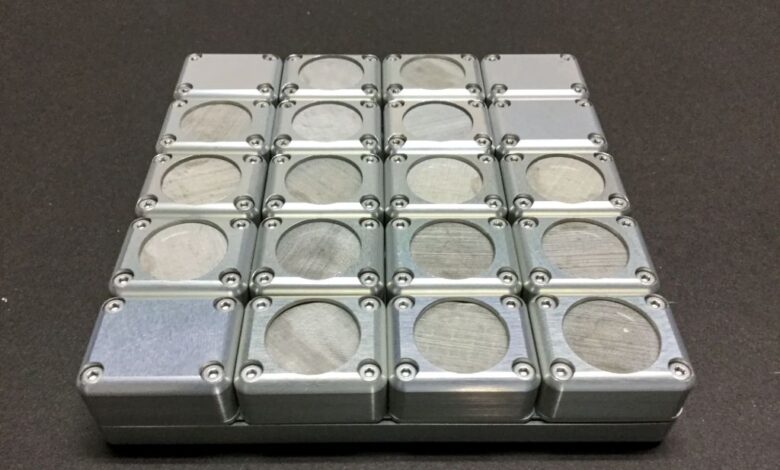
Anthocyanins protect seeds in space After exposure to space outside the International Space Station, purple-pigmented rice seeds rich in anthocyanin had higher germination rates than non-pigmented white rice seeds. This result suggests that anthocyanin, a flavonoid known to protect plants from UV irradiation, could help preserve seed viability on future space missions. Plants are key components for systems being designed to produce…
Read More » -
NASA
Station Science Top News: Nov. 1, 2024
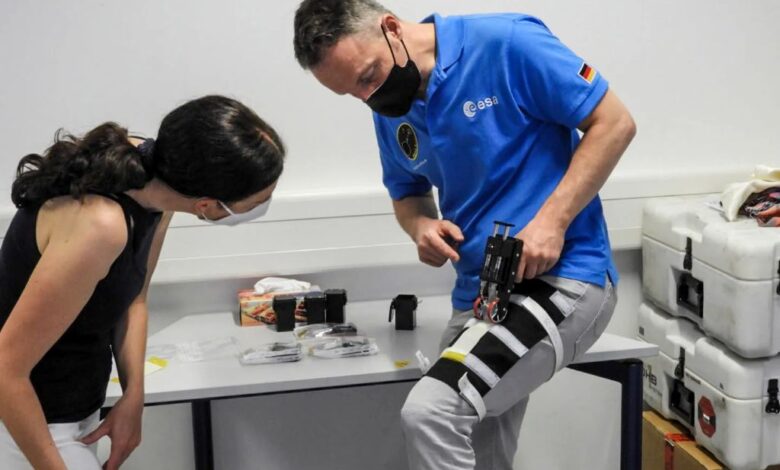
Bioprinted patches could help wounds heal Researchers successfully demonstrated the function of a handheld bioprinter that could provide a simple and effective way to treat wounds in space using human skin cells. Crews could use this technology to treat their own injuries and protect crew health and mission success in the future. Spaceflight can affect how wounds heal. The Bioprint FirstAid device tested a…
Read More » -
NASA
Explore International Space Station Research with NASA Mobile Apps
At any given time, crew members are conducting dozens of scientific investigations and technology demonstrations on the International Space Station. If you’re curious about this work, the Space Station Research Xplorer (SSRX) mobile application provides information on these experiments, special facilities on the station, research benefits, and published results. The app includes summaries of each investigation along with photos, videos,…
Read More »